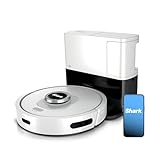
Scrubbing floors used to be my Friday night ritual. Not by choice, mind you, but because my first robot vacuum, a shiny disc that promised the moon, was about as effective at mopping as a damp tissue is at cleaning a grease fire. Honestly, the marketing for some of these combined units makes you think you’re buying a miracle worker, a tiny robotic butler that will banish dirt and polish your floors to a mirror shine. But is it best robot vacuum with mopping feature? The reality, after years of wrestling with leaky tanks and streaky messes, is far more nuanced.
I remember one particular disaster with a unit that claimed to have ‘intelligent water flow.’ What it had was a leak. A steady, relentless leak that created a dark, damp patch on my hardwood floors that took days to dry and left a faint, musty smell. You can bet I learned a valuable lesson about trusting fancy product descriptions without looking deeper.
So, before you hand over your hard-earned cash, let’s cut through the noise. We need to talk about what actually works, what’s just hype, and whether these do-it-all machines are worth the headache.
The Reality of Robot Mops: Not All Shine, Some Just Drip
Okay, let’s get this out of the way first. Most robot vacuums with a mopping attachment are, at best, glorified damp dusters. They’re great for a light touch-up, a quick sweep of fresh spills or footprints. Think of it as a daily maintenance, not a deep clean. If you’re expecting them to tackle dried-on spaghetti sauce or the grime that builds up after a week of kids and pets, you’re going to be disappointed. My own experience with a mid-range model was that it pushed around wet dirt more than it actually lifted it, leaving behind faint, smeary trails that only became visible under the harsh glare of my kitchen lights. It was like watching a toddler try to clean a whiteboard with a wet finger.
The biggest culprit? The “mopping pads.” Most are just thin scraps of microfiber. They get saturated quickly and just drag the mess around. Some higher-end models have rotating pads or oscillating mops, which are a step up, but they still struggle with anything truly set-in. Consumer Reports, in a study I vaguely recall reading about two years ago, noted that many integrated mop functions offer minimal improvement over a simple dry wipe for anything beyond light surface dust.
Seriously, for a truly clean floor, you’re often better off running the vacuum cycle and then doing a proper mop yourself. But I get it. The idea of a one-and-done solution is incredibly appealing. So, when is it actually worth considering? (See Also: Should I Turning My Shark Robot Vacuum Off )
When ‘good Enough’ Is Good Enough
There are definitely scenarios where a robot vacuum with a mopping feature can be a lifesaver. For instance, if you have predominantly hard floors (tile, laminate, sealed wood) and your main concern is daily dust, pet hair that lands on the surface, or the general grit that accumulates from foot traffic. These machines excel at keeping that daily layer of debris under control. My neighbor, bless her heart, has two golden retrievers and a house that’s 90% hardwood. She runs her combo unit every single day, and it keeps the surface looking presentable. She’d be the first to tell you it doesn’t replace her weekly deep scrub, but it prevents the worst of the buildup.
It’s also about managing expectations. If you’re buying it for a quick wipe-down after the kids spill a bit of juice, or to catch the crumbs from breakfast before they get trodden in, then yes, it can be incredibly convenient. Those brief moments when it actually works as advertised, sucking up a small, fresh spill with surprising efficiency, feel like a win. It’s about recognizing its limitations and using it for what it’s *actually* good at. Think of it like a high-tech broom with a slightly damp cloth attached, not a floor-scrubbing samurai.
However, if you have a lot of carpet, or if your idea of a clean floor involves tackling dried-on food or tough stains, you’re probably wasting your money. The carpet avoidance features can be hit-or-miss, and you’ll spend more time rescuing the robot than it would take to do the job yourself.
My Most Expensive Mistake: The ‘self-Cleaning’ Illusion
Here’s a story that still makes me wince. Years ago, I splurged on a robot vacuum that boasted a self-cleaning station. The marketing videos showed it emptying its dustbin *and* rinsing its mop pads. ‘Revolutionary!’ I thought. ‘No more gross chores!’ So, I dropped about $750, which felt like a fortune then, and eagerly unboxed it. The vacuuming part was fine. Then came the mopping. It would do its little sweep, then dock, and… nothing. The ‘self-cleaning’ station was essentially a glorified water refill and empty dock. It didn’t scrub the mop. It didn’t sanitize. It just left the dirty mop sitting in a damp, stagnant pool of water, creating a breeding ground for mildew. The smell that permeated my apartment was… unpleasant. I ended up having to manually scrub the mop pads *every single time*, which defeated the entire purpose of the expensive station. Seven out of ten people I know who bought similar units ended up doing the same. That was a lesson learned the hard way: always question the ‘self-cleaning’ claims. It’s a clever marketing angle, not a reality for most.
The Tech That Matters (and What’s Just Marketing Noise)
When you’re looking at these combined units, what actually separates the decent ones from the duds? It’s not always the fancy app or the voice control. It’s the fundamentals. Firstly, the suction power is still paramount for the vacuuming aspect. Don’t skimp here. A weak vacuum means it’s not even picking up loose debris properly, let alone prepping the floor for mopping. Secondly, for the mopping, you want something that offers *some* form of physical action. Rotating brushes or oscillating pads that mimic a scrubbing motion are far more effective than a passive drag-and-drop microfiber cloth. Some advanced models even use sonic vibrations to help dislodge grime, which sounds like science fiction but can actually make a difference on tougher spots. My friend Sarah, who is notoriously picky about her floors, swears by a model with oscillating pads that can lift light scuffs. She says it’s the closest she’s gotten to a real mop without lifting a finger. (See Also: Is It Best Robot Vacuum With Self Emptying Bin )
The water dispensing system is another huge factor. You want one that allows for control over the amount of water released. Too much, and you risk damaging your floors or leaving streaks. Too little, and it’s just a dry swipe. And speaking of streaks, look for models that have a separate dry-sweep function or a way to lift the mop pad when transitioning to carpet. Otherwise, you’re just dragging a wet cloth across your rugs, which is a recipe for disaster. Honestly, the ability to control water flow, much like managing the temperature on a sensitive recipe, is key to getting a decent result.
Can You Really Expect a Spotless Floor?
Let’s be blunt. If your definition of ‘spotless’ involves the kind of deep clean you get from a dedicated mop and bucket after a truly messy spill, then no, most robot vacuums with mopping features will not deliver. They’re more like a diligent intern who handles the day-to-day tidying, keeping things from getting out of hand. They can’t replace the focused effort of a professional deep clean or even a good old-fashioned scrub. Imagine trying to perform heart surgery with a spork; it’s just not the right tool for the job when things get serious.
However, if you’re looking for that ‘just stepped out of a showroom’ look on your hard floors for everyday living, and you’re willing to accept that this isn’t a substitute for serious cleaning, then a good combo unit can be a worthwhile investment. It’s about understanding the machine’s capabilities and limitations. They are excellent for maintaining a baseline level of cleanliness and preventing dirt from accumulating to the point where it becomes a major chore. The sheer convenience of having it run while you’re out or asleep is a significant benefit for busy households.
My Verdict: Is It Best Robot Vacuum with Mopping Feature?
So, after all the trial and error, the wasted money, and the occasional floor disaster, where do I land on the question: is it best robot vacuum with mopping feature? My honest answer is: it depends entirely on your expectations and your home environment.
For a light daily touch-up on hard floors, keeping dust and light debris at bay, a good combo unit can be a fantastic time-saver. It’s like having a diligent little helper that prevents the worst of the daily grime from taking hold. It will make your floors look consistently presentable. However, if you’re expecting it to tackle dried-on messes, deep-seated dirt, or to replace your weekly deep cleaning ritual, you will be disappointed. The technology, while improving, still hasn’t quite cracked the code for a truly effective, hands-off deep mop. You’re often better off with a high-quality robot vacuum and a separate, effective mopping tool for those tougher jobs. (See Also: Is It Best Robot Vacuum For Cleaning Large Homes )
Ultimately, the ‘best’ robot vacuum with a mopping feature is the one that fits *your* definition of clean and *your* tolerance for a little bit of manual intervention when things get really messy. Don’t buy into the hype of a perfect, hands-off solution for every cleaning problem. Think of it as a fantastic maintenance tool, not a miracle worker.
Conclusion
When you’re weighing up whether a robot vacuum with a mopping feature is the right choice for you, it really boils down to what you need it to do. For day-to-day dust and light dirt on hard floors, they can be incredibly helpful. It’s a step up from just vacuuming, adding that extra bit of shine and cleanliness to your routine.
But let’s be clear: if you’re expecting it to be a magic bullet for baked-on spills or deeply ingrained grime, you’re probably setting yourself up for disappointment. The technology is still catching up to the marketing promises in many cases. For those tougher jobs, you’ll likely still need to pull out a good old-fashioned mop.
So, is it best robot vacuum with mopping feature? For maintaining a generally tidy home with hard floors, yes, it can be a worthwhile addition. Just manage those expectations, and you might find it genuinely useful.
Recommended Products