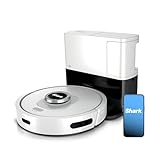
Scraping. Grinding. A whirring that sounds like a trapped badger. If your Shark robot vacuum has suddenly decided to audition for a demolition derby, you’re not alone. I’ve spent more hours than I care to admit listening to my robot vac go from a quiet hum to a symphony of mechanical distress. It’s maddening, right? Especially when you just want a clean floor and not a harbinger of doom.
Honestly, the first time mine started sounding like it was chewing rocks, I almost threw it out the window. I mean, it was practically new! But throwing money away on another machine felt even worse. So, I dug in, and after a lot of trial and error – and some truly bizarre noises – I figured out why is my Shark robot vacuum making loud noises.
It’s usually not some catastrophic failure, thank goodness. More often than not, it’s a simple fix that’s staring you right in the face, or more accurately, buried in the dustbin or tangled around a brush. Let’s get this sorted.
What’s That Grinding Sound? The Usual Suspects
Alright, let’s cut to the chase. That awful noise? It’s almost always something simple getting in the way. Think of your robot vacuum like a tiny, very determined car. If a twig gets stuck in the tire, it’s not going to drive smoothly. Same principle here.
The most common culprits for a Shark robot vacuum making loud noises are debris in the brushes, a clogged wheel, or something lodged in the suction path. I once found a rogue Lego brick wedged so deep in a brush roller it took me ten minutes and a pair of tweezers to dislodge it. The vacuum sounded like it was gargling gravel until then. Seriously, check those brushes first. Pull out any hair, string, or, yes, small plastic toys. They can really bind things up and make for some truly unsettling sounds.
The Roller Brush — Your Primary Suspect
This is where the magic (and sometimes, the madness) happens. The main roller brush on your Shark robot vacuum is designed to agitate dirt and debris. But it’s also a magnet for hair, threads, and anything else that happens to be on your floor. When this gets overloaded, it doesn’t just reduce suction; it creates friction. That friction translates directly into noise.
Everyone says to clean your robot vacuum. Okay, fine. But nobody really emphasizes *how* important the roller brush is for noise reduction. If you’ve got long hair like me, or pets, you’re going to need to do this maybe once a week. Maybe more. I found that after about seven cleaning cycles, I’d start hearing a subtle whirring that would escalate into a full-blown groan by cycle ten. It’s not just about performance; it’s about the noise. (See Also: Should I Turning My Shark Robot Vacuum Off )
Sometimes, the brush itself can get damaged. If you’ve run over something sharp, or if it’s just worn out after, say, 18 months of constant use, the bristles might be bent or broken. This can cause an uneven spin, leading to wobbling and that dreaded grinding sound. I spent around $70 on a replacement brush roller last year because mine looked like it had been through a rock tumbler. It was worth every penny to get some peace back.
| Potential Problem | Likely Noise | Solution | My Verdict |
|---|---|---|---|
| Tangled Brush Rollers | Whirring, grinding, squeaking | Clean thoroughly, remove all debris | This is 90% of the time. Do this first. |
| Clogged Wheels | Clicking, scraping, thumping | Inspect and clean side and main wheels | Annoying, but usually easy to fix. |
| Blocked Suction Port | Whining, strained motor sound | Check path from intake to dustbin | Less common for noise, more for poor cleaning. |
| Loose or Damaged Parts | Rattling, clattering, heavy grinding | Inspect casing, brushes, and attachments | This is when you might need a repair or replacement. |
Wheels and Other Moving Parts
Beyond the main brush, don’t forget the wheels. Your Shark robot vacuum has wheels that allow it to glide across your floors, and they can pick up all sorts of gunk. Think little pebbles, stray bits of carpet fluff, or even dried mud. When these get jammed, you’ll hear a distinct clicking or scraping sound as the wheel tries to turn.
I remember one time my vacuum started making this rhythmic thumping noise. It was driving me absolutely bonkers. I checked everything – the brushes, the intake, even the dustbin. Nothing. Then, I flipped it over and saw it: a tiny, almost invisible piece of dried play-doh wedged right into the seam of one of the main drive wheels. It was like trying to run with a pebble in your shoe, but for a robot. A gentle nudge with a flathead screwdriver, and silence returned. Amazing, right?
Also, look for anything that might be loose. Sometimes, a small plastic cover or even a screw can work its way loose over time due to vibrations. This can cause a rattling or clattering sound that really sets your teeth on edge. Give the exterior a good once-over. A quick tighten of any loose screws can make a world of difference.
When the Motor Itself Sounds Unhappy
This is the one you really don’t want to hear. If the noise isn’t coming from something obviously stuck, and it sounds like the motor is straining or whining, that’s a different ballgame. This could indicate a blockage deeper in the suction path, or, worst-case scenario, an issue with the motor itself. According to the Association of Home Appliance Manufacturers (AHAM), motor issues are less common than debris-related problems, but they do happen, especially with older units or units that have been pushed too hard.
I had a model once – not a Shark, but another brand – that started making this high-pitched whine. It sounded like a banshee was trapped inside. I’d cleaned it religiously, checked every nook and cranny. Turned out, a tiny piece of plastic had somehow gotten sucked into the fan housing behind the brush. It was lodged against the motor housing. It took me three separate attempts over two days to finally get it out without damaging anything further. The noise was almost unbearable, like a constant dentist drill. I learned then that sometimes, the problem isn’t just on the surface. (See Also: Is It Best Robot Vacuum With Self Emptying Bin )
If you suspect a motor issue, and you’ve already exhausted all the cleaning and de-clogging steps, it might be time to consult your manual for advanced troubleshooting or contact Shark support. Sometimes, a faulty motor is just… faulty. And trying to fix that yourself is usually more trouble than it’s worth, potentially voiding warranties and costing you more in the long run.
Common Paa Questions
Why Is My Shark Robot Vacuum Making a Grinding Noise?
A grinding noise is almost always due to something stuck in the main brush roller or a wheel. Hair, strings, small objects, or even dried debris can get wound around the brush or jammed in the wheel mechanism. Turn the vacuum over, remove the main brush, and carefully clean it. Then, inspect the wheels and their housings for any lodged debris. A thorough cleaning usually resolves grinding noises.
Why Is My Shark Robot Vacuum Making a Loud Whirring Noise?
A loud whirring noise can indicate a few things. It could be that the brush roller is spinning, but there’s an obstruction that’s causing it to work harder. It might also be the motor struggling because of a deep clog in the suction path that you can’t immediately see. Ensure the dustbin is empty and the filter is clean. If the noise persists after checking these, investigate the brush roller and intake more thoroughly.
Why Is My Shark Robot Vacuum Making a Clicking Noise?
Clicking sounds typically come from the wheels. Something might be caught in the wheel assembly, preventing it from turning smoothly. This could be anything from a small pebble to a piece of dried mud or even a stray thread that has wrapped around the axle. Carefully inspect all the wheels, especially the main drive wheels, and try to dislodge anything that seems out of place.
Why Is My Shark Robot Vacuum Making a Banging Noise?
A banging noise suggests something is loose or hitting against another part of the vacuum. This could be an internal component that has become dislodged, or perhaps the vacuum is bumping into furniture more forcefully than usual due to a navigation issue. Check for any loose external parts. If the banging is internal and the vacuum seems to be navigating erratically, there might be an issue with the bumper sensors or the internal mapping system.
Preventing Future Noise: Maintenance Is Key
Honestly, most of the time, the loud noises you hear from your Shark robot vacuum are preventable. It’s like neglecting your car’s oil changes – you’re just inviting trouble down the road. Proactive maintenance is your best friend here. (See Also: Is It Best Robot Vacuum For Cleaning Large Homes )
Set a recurring reminder on your phone, maybe every Sunday evening, to perform a quick check. Empty the dustbin, clean the filters (wash them if they’re washable, but make sure they’re bone dry before putting them back!), and give the brush rollers a good de-tangling. This takes maybe five minutes, but it can save you from an hour of frustration and a potentially expensive repair down the line. I’ve found that performing this ritual after about 6-7 cleaning sessions keeps mine running smoothly and quietly.
Also, consider your floor type. If you have a lot of high-pile carpet, your vacuum is going to work harder. If you have hard floors with lots of little nooks and crannies where small debris can hide, that’s another area to pay attention to. No vacuum is indestructible, and treating yours with a bit of regular care goes a long way.
Verdict
So, if your Shark robot vacuum is making loud noises, don’t panic. Most of the time, it’s just asking for a little attention. Grab your trusty tweezers and maybe a small screwdriver, and start with the brush rollers. Then move to the wheels. You’d be surprised how often that’s the whole story behind why is my Shark robot vacuum making loud noises.
If you’ve gone through all the cleaning steps and it’s still sounding rough, and you’ve done this at least three times over the past few months, it might be time to consider if the unit is just getting on in years. Like anything mechanical, they don’t last forever, and sometimes a replacement is the most cost-effective solution for quiet floors.
For now, though, give it a good once-over. The fix is probably simpler than you think, and you’ll be back to quiet floors in no time.
Recommended Products