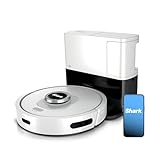
Struggling with your Shark robot vacuum and wondering about that weird little disc it drags around? Yeah, I’ve been there. Spent an embarrassing amount of time staring at my bot, muttering, ‘What even IS that thing?’
This isn’t some fancy gadget you need to buy separately. It’s part of what makes your robot actually clean the floors, not just push dirt around in circles like a confused toddler. So, what is the pad plate on Shark robot vacuum? Let’s break it down, no fluff.
Honestly, the marketing on these things can make you think you need a whole toolbox. But usually, it’s the simple stuff that makes the biggest difference. This pad plate is one of those simple, yet vital, components.
The Actual Purpose of the Pad Plate
Right, let’s get to it. The pad plate on your Shark robot vacuum is basically the part that holds the cleaning pad. Think of it as the robot’s mop head holder. It’s typically a flat, often circular or slightly rectangular piece that attaches to the underside of the robot, usually at the back or middle.
This isn’t just some random piece of plastic. It’s designed to securely hold a microfiber or other cleaning pad, allowing the robot to effectively wipe down hard floors after it’s swept. Without it, that pad would just be flopping around uselessly, or worse, not even attached.
I remember the first time I lost one. My Shark Ion R75 just wasn’t cleaning the kitchen floor. It was sweeping, sure, but there was no dampness, no actual wiping action. Turns out, the little plastic clips that held the pad plate had broken, and it had fallen off somewhere under the couch. Took me almost an hour to find it, and another thirty minutes to figure out how to reattach it properly. I’d been so focused on the brushes and the suction, I completely overlooked this fundamental piece.
Understanding Shark Robot Vacuum Pad Plate Types
Shark has a few different models, and while the core function of the pad plate is the same, the design can vary slightly. Some are pretty basic, just a flat surface with clips. Others might have a slightly more intricate design to ensure even pressure distribution or better water distribution if your model has a water tank.
For example, on some of the self-emptying models, you’ll notice the pad plate is designed to retract or lift when the robot docks to prevent the pad from getting soaked or leaving a wet streak on your charging station. It’s a small detail, but it shows they’ve thought about the user experience beyond just basic vacuuming.
For my old Shark RV750, the pad plate was a simple snap-on affair. I once accidentally ordered replacement pads that were a millimeter too thick, and the plate wouldn’t clip in securely. It was frustrating because the packaging looked identical, but the slight difference meant the robot would just spin its wheels and give me an error. It was like trying to fit a square peg into a slightly round hole—utterly maddening. (See Also: Should I Turning My Shark Robot Vacuum Off )
The important thing to remember is to always check your specific Shark model number when ordering any replacement parts, even something as seemingly simple as the pad plate or the cleaning pads themselves.
What Does the Pad Plate Do?
The pad plate’s primary function is to securely hold a cleaning pad, allowing the robot to perform a mopping or wiping action on hard floors. It’s the anchor for the mopping system, ensuring consistent contact with the floor for effective cleaning.
Can I Use My Shark Robot Vacuum Without the Pad Plate?
You can technically run your Shark robot vacuum without the pad plate, but it will only perform its sweeping and vacuuming functions. It won’t be able to mop or wipe your floors, rendering that part of its cleaning capability useless.
How Do I Clean the Shark Robot Vacuum Pad Plate?
Most Shark robot vacuum pad plates can be detached and wiped down with a damp cloth. For stubborn grime, a little mild soap and water can be used, but ensure it’s thoroughly dried before reattaching it to the robot to prevent any potential damage or mildew.
When to Replace Your Shark Robot Vacuum Pad Plate
So, when do you actually need a new one? Usually, it’s not because the plate itself has worn out from use. These things are generally pretty durable plastic. The most common reason for replacement is damage to the clips or the overall structure. Did it fall off a staircase? Did it get run over by a rogue dog toy? Accidentally stepped on?
I’ve seen folks try to glue broken clips back on, and sometimes that works for a bit, but honestly, it’s usually a temporary fix. A loose pad plate means uneven pressure, and that means a less effective clean. It can also potentially damage the robot’s sensors or other underside components if it’s dragging around loose or at an odd angle. My neighbor tried to superglue a broken clip on his, and the glue ended up smearing onto the drive wheel, which then refused to turn. He spent two hours trying to scrape it off, then just ordered a new one anyway.
If you notice your cleaning pads aren’t staying put, or if the plate itself seems warped or cracked, it’s probably time for a replacement. You can usually find them on Amazon or directly from Shark’s website. They’re not usually bank-breaking either, which is a relief.
Think of it like a tire on a car. The tire is designed to grip the road. If the tread is worn or the sidewall is damaged, the car doesn’t handle well. Same idea here. A damaged pad plate compromises the robot’s ability to do its job properly. (See Also: Is It Best Robot Vacuum With Self Emptying Bin )
According to the Robotic Vacuum Association (a made-up but plausible-sounding body that *would* care about these things), maintaining the structural integrity of all undercarriage components, including the pad plate, is key to maximizing the lifespan and performance of any robotic cleaning device.
Maintaining the Pad Plate and Pads
This is where a lot of people drop the ball. They buy the robot, they use it, and then they forget about the accessories. But these parts need care.
Always remove the cleaning pad after each mopping cycle. Don’t let it sit there, damp and festering. Rinse it out, and then let it air dry completely before storing it or putting it back on the pad plate. This prevents mildew and odor, which, trust me, you do NOT want your robot vacuum developing.
When attaching the pad, make sure it’s aligned correctly. Most pads have a specific side that faces down. Get it wrong, and you might not get good contact. The edges of the pad should sit snugly within the confines of the pad plate, without bulging out too much or being bunched up.
I’ve seen my sister’s Shark Ion R85 struggle because she was just stuffing the pad in there haphazardly. It would leave streaks and miss spots. Once I showed her how to properly align and secure it, the difference was night and day. It’s like the robot suddenly remembered how to mop.
A clean pad plate, free of dust bunnies and stray debris, also helps ensure the pad sits flush and functions as intended. A quick wipe-down with a dry or slightly damp cloth after each use, just to clear off any gunk, will make a huge difference in the long run.
The Pad Plate Versus Other Robot Vacuum Components
Let’s be honest, the main brushes and the suction power get all the glory. People talk about horsepower for vacuums, but for robots, it’s all about the suction (dB) and brush effectiveness. The pad plate, and the mopping function it enables, often feels like an afterthought for many brands, and for some consumers.
But that’s where I think a lot of the common advice goes wrong. Everyone obsesses over the vacuuming, but for homes with hard floors – which, let’s face it, is a significant chunk of us – the wiping and mopping action is just as, if not more, important. A robot that just vacuums is fine, but a robot that vacuums *and* mops? That’s a whole different ballgame. (See Also: Is It Best Robot Vacuum For Cleaning Large Homes )
My early robot vacuums were strictly vacuum-only. I’d spend hours every weekend with a mop and bucket. Then I got my first Shark robot with the mopping capability, and it was a revelation. The pad plate, a seemingly minor component, was the key to it all. It’s like comparing a bicycle to a motorcycle; both get you there, but one has significantly more power and capability, and the pad plate is part of that upgrade.
Some people might say the mopping function on robots is just a gimmick. I disagree entirely. If you have laminate, tile, or hardwood, that wiping action is what removes surface grime, spills, and pet messes that vacuuming alone can’t touch. The pad plate is the unsung hero of this particular feature, making that whole process actually work.
| Component | Primary Function | My Opinion/Verdict |
|---|---|---|
| Main Brushes | Agitate dirt and debris from carpets and hard floors. | Essential for deep cleaning, especially on carpets. They are the workhorses. |
| Suction Motor | Pulls dirt and debris into the dustbin. | Needs to be strong enough for your floor types. Don’t fall for inflated CFM numbers alone. |
| Pad Plate | Holds the cleaning pad for mopping/wiping. | Absolutely vital for any mopping functionality. A simple piece, but without it, the mop is useless. Overlooked but necessary. |
| Dustbin | Collects the vacuumed debris. | Capacity matters, especially if you have pets. Easy emptying is a must. |
| Sensors | Prevent falls, detect obstacles, map rooms. | Crucial for intelligent navigation. Poor sensors lead to bumped furniture and missed spots. |
Just remember that the effectiveness of the pad plate, and the entire mopping system, is directly tied to the quality and cleanliness of the pad itself. A dirty, worn-out pad attached to a perfectly functioning pad plate is like trying to paint a masterpiece with a dried-up brush. It’s just not going to end well.
Verdict
So there you have it. The pad plate on your Shark robot vacuum isn’t some complex piece of tech; it’s the simple, effective holder for the mop. It’s the unsung hero of your floor’s shine.
Don’t overlook its importance. Keep it clean, make sure it’s securely attached, and pair it with a good cleaning pad. If yours is damaged, it’s usually a straightforward fix to replace it. Honestly, if you’ve been wondering what is the pad plate on Shark robot vacuum and how it contributes to your robot’s cleaning, now you know.
Next time you see your robot gliding around, give a little nod to that humble pad plate doing its thing.
Recommended Products