I remember staring at that frayed extension cord, sparks dancing like tiny, angry fireflies. My neighbor, bless his heart, grabbed the nearest roll of silver tape – classic duct tape – and started wrapping. ‘Good as new!’ he declared. I just blinked. My gut screamed ‘WRONG!’ because, let’s be honest, that stuff holds together everything from leaky gutters to my kid’s broken toy spaceship, but electrical wires? It just felt… off. So, the question lingers for many of us: can duct tape be used for electrical wiring? The short answer, the one that won’t get you a shock or a fire, is a resounding no.
Why That Silver Stuff Isn’t Your Electrician’s Friend
Look, I’ve been there. You’re in the middle of a project, you’ve got a wire that’s looking a bit ragged, and the proper electrical tape is nowhere to be found. Your mind immediately goes to that magical roll of silver tape sitting in your toolbox. It’s strong, it’s sticky, it’s… well, it’s duct tape.
It seems like a quick fix, right? Before you go making that snap decision, let’s talk about why this is a bad idea.
Duct tape, bless its versatile heart, is not designed for electrical insulation. Its adhesive isn’t rated for the heat that can build up in wires, and the backing material is often a woven fabric that can degrade and conduct electricity over time. It might hold things together physically, but it’s not going to stop a current from finding a new, unwelcome path. I once tried to patch up a garden hose with it that was near an outdoor electrical outlet.
Within a month, the tape was brittle, peeling, and the hose was still leaking, but now with a concerning sizzle every time it rained. That taught me a valuable lesson about using the right tool for the job, especially when electricity is involved.
The Real Deal: Electrical Tape Explained
So, if duct tape is out, what’s in? That’s where proper electrical tape comes in.
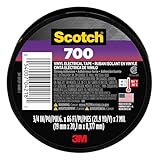
You know the stuff – usually black, a bit stretchy, and it has a distinctively plasticky feel. Electrical tape, or ‘friction tape’ as it’s sometimes called, is made from vinyl or rubber compounds specifically engineered to be an insulator. It’s designed to stretch and conform to the shape of the wire, creating a tight, smooth seal that prevents electrical current from escaping. It also has a higher temperature resistance than standard duct tape, which is important because wires can get warm, especially under load.
The adhesive on electrical tape is also formulated to maintain its grip even with temperature fluctuations and exposure to the elements, unlike the often-temporary stickiness of duct tape. Think of it like this: duct tape is a jack-of-all-trades, master of none. Electrical tape is a specialist.
For electrical work, you want the specialist every single time. I’ve seen too many shoddy fixes involving generic tapes that end up causing more problems than they solve, usually a melted mess or a tripped breaker.
| Type of Tape | Primary Use | Electrical Insulation Suitability | Heat Resistance | Adhesive Longevity | My Verdict |
|---|---|---|---|---|---|
| Standard Duct Tape | Repairs, sealing, temporary fixes | Poor | Low | Moderate (degrades) | Big NO for electrical. Works for everything else, though. |
| Electrical Tape (Vinyl) | Insulating electrical wires | Excellent | Good | Excellent (designed for it) | The ONLY tape for wires. Period. |
| Friction Tape (Rubberized) | Primary insulation, then over-wrapped with vinyl tape | Good (as primary layer) | Very Good | Very Good | Old school, still effective, but vinyl is easier for most. |
Common Mistakes and Why They’re Dangerous
The biggest mistake, hands down, is assuming any tape is good enough for electrical work. People see that shiny silver tape and think, ‘It’s strong, it’ll hold!’ But electrical current doesn’t care about physical strength; it cares about a clear path. When you use duct tape on a wire, you’re not creating an insulating barrier. (See Also: Can I Use Electrical Tape To Connect Wires )
The fabric backing can wick moisture, and the adhesive can break down, leaving the bare wire exposed. This can lead to short circuits, which are basically uncontrolled paths for electricity to flow, often resulting in sparks, smoke, and potentially a fire. I had a friend who tried to fix a frayed cord on his old blender using duct tape. A few weeks later, the tape looked warped and sticky, and when he plugged it in, there was a pop and a whiff of burning plastic.
Thankfully, it just tripped the breaker, but it was a stark reminder of how quickly things can go wrong. Another common error is not using enough electrical tape.
You need to overlap the tape generously, making sure there are no gaps. A single, sloppy wrap is not going to cut it. You want to create a continuous, smooth surface that completely covers the damaged area and extends a good inch or so onto the intact insulation on either side.
Think of it like putting a protective shield around the wire, not just a band-aid.
When ‘temporary’ Becomes Permanent (and Dangerous)
The temptation to use duct tape for electrical wiring often comes from a place of necessity or a desire for a quick fix. Maybe it’s a remote cabin with a jury-rigged setup, or a tool you need to get working right now. The problem is, ‘temporary’ solutions have a nasty habit of becoming permanent ones.
You get used to seeing it, and unless it fails spectacularly, you forget it’s there. But the dangers don’t disappear just because you’ve forgotten.
Electricity is relentless. Over time, the adhesive on duct tape can dry out, become brittle, or melt under heat, compromising the seal. The fabric weave can fray, allowing moisture to seep in. This is especially problematic in damp environments or outdoors.
According to the Electrical Safety Foundation International (ESFI), faulty wiring is a leading cause of home fires. Using non-approved materials like duct tape for electrical repairs significantly increases this risk.
It’s a gamble with your safety and your property. I’ve seen old appliances with cords that looked like they’d been repaired with a patchwork of various tapes, including duct tape. It’s terrifying to think about what could have happened if one of those wires finally gave out. (See Also: Can Electrica Tape Catch On Fire )
Can Duct Tape Be Used for Electrical Wiring?
No, duct tape cannot and should not be used for electrical wiring. Its adhesive and backing material are not designed to insulate or protect against electrical current, heat, or moisture. Using duct tape for electrical repairs poses a significant fire hazard and risk of electric shock.
Is Electrical Tape the Same as Duct Tape?
No, electrical tape is not the same as duct tape. Electrical tape is specifically made from vinyl or rubber compounds designed for electrical insulation, offering heat resistance and reliable adhesion. Duct tape is a general-purpose adhesive tape made with a fabric backing and a different adhesive, unsuitable for electrical applications.
What Should I Use Instead of Duct Tape for Wires?
Instead of duct tape, you should always use proper electrical tape (vinyl tape) for insulating wires. For more severe damage or for added protection, you can also use heat-shrink tubing or repair kits specifically designed for electrical wiring.
How Do I Properly Repair a Frayed Electrical Cord?
For minor fraying, you can carefully trim away loose strands, then use several layers of high-quality electrical tape to securely wrap the damaged area. Make sure the tape overlaps the intact insulation on both sides. For more significant damage, it’s safer to replace the entire cord or the appliance. Always unplug the device before attempting any repairs.
A Few Practical Tips for Electrical Safety
Beyond just saying ‘no’ to duct tape, let’s talk about what you should be doing. First, always unplug the power source before you even think about touching a wire. This sounds obvious, but in a pinch, people get careless.
Seriously, pull the plug. Second, invest in a good supply of proper electrical tape. It’s cheap insurance.
Get a few rolls in different colors if you like; some people use red or yellow for identifying different circuits, though black is standard for insulation. When you wrap, stretch the tape slightly as you go. This helps it conform to the wire and creates a tighter, more effective seal. Overlap each layer by at least half the width of the tape.
Aim for at least three or four good layers. For more serious damage, or if you’re dealing with wires that get a lot of flex or heat, consider heat-shrink tubing. You slide it over the wire, then use a heat gun (or even a lighter carefully) to shrink it down, creating a durable, insulated seal.
It looks a lot cleaner than tape, too. Lastly, if a wire is severely damaged – frayed all the way through, melted, or looks compromised in any significant way – don’t try to patch it. Replace the cord or the appliance. It’s not worth the risk. (See Also: Can I Substitute Duct Tape For Electrical Tape )
My uncle, a retired electrician, always said, ‘When in doubt, throw it out.’ That’s solid advice for anything electrical.
When You Absolutely Need Something Else: Beyond Tape
So, we’ve established that duct tape is a no-go for electrical wires. But what if the damage is a bit more than a minor nick, or you need a repair that’s going to withstand more abuse? That’s when you look beyond just tape. For frayed cords, especially on things like appliance power cords or extension cords, the absolute best next step after proper electrical tape is heat-shrink tubing.
You can find it at any hardware store or electronics shop. It comes in various diameters and colors. You simply cut a piece long enough to cover the damaged section plus a good inch or two onto the undamaged insulation on either side. Slide it over the exposed wire (after you’ve insulated any bare strands with electrical tape, of course), and then apply heat.
A heat gun is ideal, but a Bic lighter held at a distance can work in a pinch, though be careful not to scorch the tubing or anything nearby. As it heats up, it shrinks tightly around the wire, creating a solid, flexible, and waterproof seal.
It’s way more professional-looking than tape and usually holds up much better to flexing and abrasion. Another option, especially for permanently joining wires or making more permanent repairs within junction boxes, are wire nuts. These plastic connectors twist onto the bare ends of wires, holding them together securely and insulating the connection.
They come in different sizes for different wire gauges. For really important or high-demand applications, you might even consider specialized cable repair kits or even replacing the entire cable assembly.
It all depends on the specific wire, its function, and the environment it’s in. But for a quick, reliable insulation fix on a frayed cord, electrical tape followed by heat-shrink tubing is my go-to.
Duct tape? Still a no.
Verdict
Ultimately, the allure of duct tape is its versatility, but when it comes to electrical wiring, versatility is the last thing you want. You need specificity, insulation, and reliability. Using anything other than purpose-built electrical tape for wire insulation is a risk that simply isn’t worth taking. Fires and shocks aren’t good looks on anyone.
So, next time you find yourself staring at a frayed cord and reaching for that familiar silver roll, stop. Reach for the proper electrical tape instead. It’s inexpensive, readily available, and it’s what the job actually requires to keep you and your home safe.
If you’re still wondering about the specifics of a repair or if you’re dealing with something that looks beyond a simple fix, don’t hesitate to call a qualified electrician. They’ve got the knowledge and the tools to do it right, and that peace of mind is priceless.