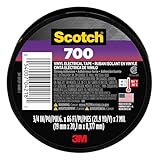
I remember staring at a tangled mess of wires in my garage, a bird’s nest that would make an actual bird weep. I needed to secure a few loose connections, nothing fancy, but I grabbed the first roll of tape I found. It was some cheap vinyl stuff, and within a week, it was brittle, cracked, and useless. That’s when I really started paying attention to what I was actually using, and I learned a important lesson: not all electrical tape is created equal. Specifically, are some electrical tape made of cloth? The answer is a definite yes, and understanding the difference is key to not ending up with a melted mess later.
It’s easy to think of electrical tape as just… tape. Black, stretchy, does the job. But dig a little deeper, and you find materials that perform wildly differently under stress. Vinyl is common, sure, but it’s not the only game in town, and frankly, often not the best.
The Real Reason Behind Cloth Electrical Tape
So, are some electrical tape made of cloth? Absolutely.
But it’s not just any old cloth. We’re talking about specialized fabrics, usually cotton or a cotton blend, treated with specific adhesives and coatings to make them suitable for electrical insulation and protection.
The most common type you’ll encounter that fits this description is friction tape, often called ‘cloth tape’ by folks who’ve been around the block a few times. Unlike the smooth, plastic feel of vinyl tape, friction tape has a distinct texture. It feels rougher, almost like a bandage, and that’s by design.
This weave provides a much stronger, more durable barrier than standard vinyl. Think about it: if you’re wrapping something that might experience abrasion or significant stress, a woven fabric will hold up far better than a thin plastic film that can easily tear or degrade.
The adhesive on friction tape is also different. It’s usually a natural rubber-based compound, which is sticky and conformable. It adheres well to itself and to the wire or cable it’s protecting. When you wrap it, it builds up layers, creating a solid, somewhat padded insulation. This layering is where a lot of its protective quality comes from. It’s not just about blocking electricity; it’s about physical protection too. I once had a garden shed wiring project where a rodent chewed through some insulation. The vinyl tape I used initially was shredded. If I’d used friction tape, I’m convinced it would have given me a better fighting chance against those little chompers. It’s that physical toughness that sets it apart.
The primary advantage of this cloth construction is its superior mechanical strength and temperature resistance compared to many vinyl tapes. While vinyl can get gummy in heat or brittle in cold, cloth tape tends to maintain its integrity across a wider temperature range. This is important for applications where wires might be exposed to fluctuating environments. It’s also less prone to the ‘unraveling’ or ‘slipping’ that can happen with smoother tapes when subjected to vibration or movement.
Why Vinyl Gets All the Attention (and Why It’s Often Wrong)
Most of the electrical tape you see at the big box stores is vinyl. It’s cheap, it stretches a lot, and it comes in a rainbow of colors, which is nice for labeling but not always for performance. The common advice is that vinyl is the go-to for most electrical work, and for simple, low-voltage, dry applications, it’s fine. But that’s like saying a plastic tarp is fine for protecting your car in a hail storm – it might work, but it’s not the best tool for the job, especially if you want it to last. (See Also: Can I Use Electrical Tape To Connect Wires )
My own screw-up with that garage wiring project I mentioned earlier is a prime example. I thought, ‘Electrical tape is electrical tape, right?’ Wrong. The vinyl tape I used became stiff and cracked within a few months due to exposure to the elements and some minor flexing. It lost its adhesion, and I ended up with exposed wires. I had to redo the job with a better product. That was a frustrating afternoon I wouldn’t wish on anyone. It cost me time, a bit of money, and a good dose of annoyance. The vinyl tape overpromised and underdelivered because I didn’t understand its limitations.
Here’s the contrarian take: everyone pushes vinyl because it’s ubiquitous and cheap, not because it’s always the best solution. For anything that’s going to be handled, exposed to temperature swings, or needs more than just a superficial wrap, vinyl often falls short. Its stretchiness can be a double-edged sword; while it allows for tight wrapping, it also means it can be stretched too thin, reducing its dielectric strength and making it more susceptible to damage. It’s great for bundling wires neatly in a dry, protected junction box, but for anything exposed to the rough-and-tumble of the real world, you need something more substantial.
When to Reach for the Cloth (and When Not To)
So, when does cloth tape, like friction tape, actually shine? Think about situations where you need more than just insulation. If you’re working on something that will be subjected to physical stress, vibration, or needs a really solid, non-slip grip, cloth tape is your friend. Automotive wiring harnesses, for instance, often use cloth-like tapes because the engine bay is a harsh environment with heat, vibration, and potential abrasion. I’ve also seen it used on older appliance cords where the original insulation was fabric-based and needed replacement with something similarly solid.
Here’s a practical breakdown of where cloth tape excels:
| Application Type | Why Cloth Tape is Better | Verdict |
|---|---|---|
| High-Abrasion Areas | Woven fabric resists tearing and shredding better than vinyl. | Excellent |
| Temperature Extremes | More stable across a wider temperature range; less brittle or gummy. | Good to Excellent |
| Vibration & Movement | Adhesive grips well, and fabric doesn’t stretch and slip as easily. | Very Good |
| Grip Enhancement | The textured surface provides a better, non-slip grip. | Excellent |
| Low-Voltage, Static Applications | Vinyl is usually sufficient and easier to work with. | Okay (Vinyl Preferred) |
| High-Voltage Insulation | Both have limitations; specialized tapes are often needed. | Depends on Rating (Neither is a universal solution) |
However, if you’re just doing a simple splice inside a perfectly dry, protected electrical box and you need a bright color to identify a specific circuit, the ubiquitous vinyl tape will serve its purpose. It stretches easily to conform to odd shapes, and its smoother surface can sometimes be easier to work with for a quick wrap. It’s also generally more readily available and cheaper. But for those situations where durability, physical protection, and a more tenacious hold are most important, you absolutely need to consider the cloth-based options.
The Chemistry and Craft: How It’s Made
Understanding the construction of cloth electrical tape, particularly friction tape, helps explain its superiority in certain scenarios. The base material is typically a dense cotton weave. This isn’t a flimsy bedsheet; it’s a tightly woven fabric designed for strength. The process then involves treating this fabric with a specific adhesive. For friction tape, this is often a natural rubber compound that’s designed to be tacky and to build thickness when layered.
The key is the teamwork between the fabric and the adhesive. The fabric provides the structural integrity, the ‘body’ of the tape. It’s like the foundation of a house. The adhesive then provides the electrical insulation properties and the ability to bond. When you wrap friction tape, you’re not just applying a thin layer of plastic; you’re building up multiple layers of fabric and adhesive. This creates a significant thickness, which contributes to its dielectric strength (its ability to withstand voltage) and its physical protective qualities. It’s this layered approach that offers a level of protection vinyl tape, which is basically a single, thin film, just can’t match.
The manufacturing process aims to create a tape that is flexible enough to wrap around wires and connectors but strong enough to resist tearing. The adhesive is formulated to remain sticky over time without drying out and becoming brittle, though like all adhesives, it has its limits. You’ll often find that friction tape, once applied, feels very secure. It ‘grabs’ onto itself and the surface it’s applied to, creating a dense, self-fusing-like bond that’s difficult to peel off once set. This is a deliberate design choice for applications where you don’t want anything coming loose. (See Also: Can Electrica Tape Catch On Fire )
Common Mistakes and What to Watch For
One of the biggest mistakes people make is assuming all electrical tape is the same, especially when it comes to the cheap, generic stuff. You see it in multipacks for a few bucks, and it looks the part. But I’ve learned the hard way that cutting corners here often leads to more work and potentially dangerous situations down the line. If a tape feels too thin, too stiff, or the adhesive leaves a sticky residue after a short time, it’s probably not worth using for anything important.
Another common error is not using enough tape. With vinyl tape, people tend to stretch it to its absolute limit to make it conform. While this can be effective for some tasks, it can also thin the tape too much, reducing its insulation rating. When using friction tape, the goal is usually to build up a few good, solid layers. Don’t just do one quick wrap. Think of it like building a wall – you need multiple layers to make it strong. Overlapping each layer by at least half the tape’s width is a good rule of thumb for both types, but it’s especially important for the physical protection offered by cloth tape.
Here are some things to actively avoid:
- Using Vinyl for High-Heat Applications: It can melt, get gummy, and fail.
- Stretching Vinyl Tape Until It’s Translucent: You’re compromising its integrity.
- Not Cleaning the Surface: Dust, dirt, or oil will prevent any tape from sticking properly.
- Using Non-Electrical Tape: Duct tape or packing tape will NOT provide adequate electrical insulation and is a fire hazard.
- Ignoring the Temperature Rating: Every tape has a limit; know it and respect it.
When buying, look for reputable brands. While I don’t always need the most expensive option, I avoid the no-name brands. For cloth tape, check the thickness and the feel. It should feel substantial. Also, consider the application. If it’s for a permanent repair or a important connection, investing a little more in a high-quality tape, whether vinyl or cloth, is a no-brainer.
Practical Tips for Using Cloth Electrical Tape Effectively
When you’re ready to use cloth electrical tape, here are a few pointers from someone who’s been there. First, always start with a clean, dry surface. Wires can accumulate dust, grease, or old adhesive residue, all of which will compromise the tape’s ability to stick. A quick wipe with isopropyl alcohol usually does the trick. Make sure it’s fully evaporated before you start wrapping.
When you begin wrapping, start a bit before the area you need to cover and overlap the end of the previous wrap. Then, apply the tape with consistent tension. For friction tape, you’re building layers. Aim for at least 2-3 full wraps, overlapping each by about half the tape’s width. This creates a substantial, protective sheath. Don’t be afraid to apply a bit of pressure to make sure the adhesive makes good contact. The tape should feel snug and secure, not loose or baggy.
Here’s a little trick I picked up: for really tough jobs, like securing a cable that might rub against something, I’ll often do a layer of high-quality vinyl tape first for primary insulation, and then follow up with a layer of friction tape for physical protection and abrasion resistance. This gives you the best of both worlds – good electrical properties from the vinyl and rugged durability from the cloth. It’s a bit more work, but for long-term reliability, it’s often worth the extra effort. Remember, the goal is not just to cover the wire, but to create a durable, protective barrier that will last.
What Is Friction Tape Made of?
Friction tape, which is a type of cloth electrical tape, is typically made from a tightly woven cotton fabric. This fabric is then impregnated with a rubber-based adhesive. The weave of the cotton provides mechanical strength, while the adhesive offers insulation and the ability to stick to itself and the surface being wrapped. It’s designed to be durable and resistant to abrasion. (See Also: Can I Substitute Duct Tape For Electrical Tape )
Can I Use Duct Tape as Electrical Tape?
Absolutely not. Duct tape is NOT an insulator and can be a serious fire hazard when used on electrical wiring. It lacks the necessary dielectric strength and can degrade quickly when exposed to heat or voltage. Always use tape specifically rated for electrical applications to make sure safety and proper insulation.
Is Electrical Tape Waterproof?
Most standard vinyl electrical tapes offer some degree of water resistance, but they are not fully waterproof. They can provide a barrier against moisture in casual exposure, but prolonged submersion or direct water spray can compromise their adhesion and insulation properties. For truly wet environments, specialized waterproof electrical tapes or other sealing methods are required.
How Many Layers of Electrical Tape Should I Use?
The number of layers depends on the type of tape and the application. For standard vinyl electrical tape, 2-3 overlapping layers are often sufficient for basic insulation. For cloth or friction tape, building up 3-4 solid, overlapping layers is recommended to use its superior physical protection. Always make sure good overlap and consistent tension for the best results.
What’s the Difference Between Electrical Tape and Friction Tape?
Electrical tape is a broad category, with vinyl being the most common type. Friction tape is a specific kind of electrical tape made from a cloth backing. Friction tape is generally stronger, more abrasion-resistant, and better suited for high-stress applications compared to standard vinyl tape, which is thinner and more flexible for general use.
Final Thoughts
So, to circle back: yes, some electrical tape is indeed made of cloth, most notably the kind known as friction tape. It’s not some ancient relic; it’s a specialized tool with a distinct purpose. While vinyl tape has its place for simple, low-demand jobs, don’t be afraid to reach for the cloth when you need something tougher, more durable, and better able to withstand the rigors of real-world use. It’s the difference between a temporary fix and a lasting repair.
My own botched wiring job taught me that overlooking the material of your tape can lead to headaches. I learned to look past the generic black roll and understand that the woven texture of friction tape means it offers a level of protection vinyl just can’t touch. It’s about choosing the right tool for the job, plain and simple.
Next time you’re at the hardware store, take a closer look. You’ll see the difference. Consider where you’re applying it and what stresses it will face. Making the right choice now saves you time, frustration, and potentially a much bigger problem down the road. Are some electrical tape made of cloth? You bet, and knowing why makes all the difference.