I remember staring at a frayed lamp cord one dark evening, the plastic sheath brittle and cracked. My toolkit was… basic. And there, sitting right on top of a pile of random fix-it stuff, was a roll of that unmistakable silver-lined, sticky stuff. Duct tape. The question, ‘Can black duct tape be used as electrical tape?’ flashed through my mind with the urgency of a faulty wire.
We’ve all been there, needing a quick fix and wondering if that readily available roll of heavy-duty tape is a viable substitute for the real deal. It’s tempting, isn’t it? That thick, strong adhesive seems like it could handle anything. But when it comes to electricity, ‘anything’ isn’t good enough. You need ‘specific,’ and that’s where the waters get murky.
The Sticky Truth: Why Duct Tape Isn’t Electrical Tape
Let’s cut to the chase: Can black duct tape be used as electrical tape? The short, blunt answer is NO. Not for anything remotely permanent or involving significant voltage or heat. I’ve seen people jury-rig things with duct tape that looked like they’d hold a bridge together, but electricity is a different beast entirely. It’s not just about sticking power; it’s about insulation, heat resistance, and longevity under stress.
Electrical tape, the good stuff, is made from vinyl, often PVC. It’s designed to be stretchy, conformable, and importantly, to have high dielectric strength. That means it can withstand a certain amount of electrical pressure before it breaks down and conducts electricity. It’s also designed to stick reliably over a range of temperatures you might find in and around electrical components, and it resists oil, moisture, and UV light to varying degrees depending on the quality.
Duct tape, on the other hand, is typically made of polyethylene laminated onto a cloth or paper backing, held together with a strong rubber-based adhesive. The adhesive is designed for adhesion to rough surfaces, for holding things together physically.
It’s not engineered for electrical insulation. When you stretch duct tape, you’re stretching fabric and plastic, not an insulating material. The adhesive might melt or degrade under heat generated by electrical current, and the backing itself isn’t a reliable insulator. I once tried to insulate a low-voltage garden light wire with duct tape during a desperate outdoor repair; within a few weeks, the sun and rain had turned it into a gooey mess, exposing the wire.
Lesson learned, and my neighbor’s lights were out for a bit longer until I got the proper tape.
The common advice to use duct tape for electrical work is often born out of necessity or ignorance. People see it as a universally strong tape, and for many non-electrical tasks, it absolutely is. But the stakes are just too high with electrical applications. You risk short circuits, fires, and electric shock. It’s not a risk worth taking, even for a temporary fix if a better option is even remotely available. The sheer difference in material science is why one is found in every toolbox for general repairs, and the other is a specific safety item for electricians and DIYers dealing with wiring.
What You Actually Need: Real Electrical Tape
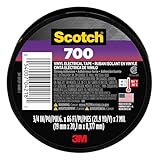
So, if duct tape is out, what’s the real deal? You need actual electrical tape. The most common type is vinyl electrical tape, like 3M Super 33+ or Scotch 88. These tapes are designed with specific electrical properties in mind. They’re flexible enough to wrap around wires and connectors without bunching up, and they create a smooth, insulated surface. The adhesive is formulated to stick well to itself and to electrical wires, forming a tight, protective layer. (See Also: Can I Use Electrical Tape To Connect Wires )
When you’re buying electrical tape, look for a few key things. First, the material: vinyl is the standard for good reason. Second, the temperature rating: higher is generally better, especially if the wires might get warm. Third, the dielectric strength, often measured in volts per mil (a mil is one-thousandth of an inch). Higher dielectric strength means better insulation. For household wiring, you don’t need aerospace-grade tape, but you do need tape that meets basic safety standards. My go-to is usually a mid-range vinyl tape from a reputable brand; I’ve found that spending a couple of extra bucks for quality here prevents headaches later.
There are other types of electrical tapes, too. For high-voltage applications or situations where you need a really solid, waterproof seal, you might look at rubber splicing tape or mastic tape. Rubber splicing tape is self-fusing and creates a solid, insulated mass when stretched and wrapped. Mastic tape is like a thick, rubbery putty that also seals and insulates. These are overkill for most basic household wiring repairs, but they exist for a reason, highlighting just how specialized electrical insulation can be.
I learned this the hard way when I was trying to fix a frayed cord on an old power tool. I used what I thought was good quality electrical tape, but it was some generic brand. It worked for a few weeks, but then the insulation started to crack and peel away, especially where the cord flexed. The wire looked like it was wearing a cheap, ill-fitting sock. I ended up having to replace the whole cord. That experience taught me to stick with known brands for electrical tape. It’s not the place to skimp. The price difference between a quality roll and a cheap one is minimal compared to the potential cost of a failure.
The Downside of Duct Tape: Common Mistakes
The biggest mistake people make is assuming that because duct tape is strong and sticky, it’s good for everything. This is a dangerous oversimplification. When it comes to electrical work, here’s why duct tape is a recipe for disaster:
1. Poor Insulation: Duct tape’s backing, whether cloth or plastic, isn’t designed as an electrical insulator. It can and will break down under voltage, especially if it gets damp or overheated. The adhesive itself is also not an insulator and can become conductive when heated or degraded.
2. Heat Sensitivity: Electrical wires can get warm, especially under load. The adhesive on duct tape can soften, melt, or ooze when heated. This can cause the tape to peel off, exposing the wires. Some electrical tapes are rated for much higher temperatures than duct tape can handle.
3. Degradation Over Time: Exposed to sunlight, moisture, and temperature fluctuations, duct tape adhesive breaks down. It can become brittle, gummy, or lose its stickiness altogether. This leaves wiring vulnerable.
4. Adhesive Residue: When you try to remove duct tape, it often leaves behind a sticky, gummy residue that’s incredibly difficult to clean off. This residue can attract dirt and debris, further compromising any electrical connection it was supposed to protect. (See Also: Can Electrica Tape Catch On Fire )
5. Lack of Flexibility: While it stretches a bit, duct tape isn’t as conformable as vinyl electrical tape. This means it’s harder to get a smooth, tight wrap around wires, leaving potential gaps or weak points.
I remember a friend who used duct tape to secure some outdoor string lights. He said it was faster than using zip ties and held them just fine. Fast forward six months, and a storm came through. The duct tape had disintegrated, the lights fell down, and the exposed wires shorted out, tripping the breaker for the entire house. He swore duct tape was the problem, not his application. It’s not just about the tape; it’s about using the right tool for the job, and duct tape is fundamentally the wrong tool for insulating electrical wires.
Real-World Scenarios: When Duct Tape might Be a Temporary Emergency Patch (and Why You Shouldn’t Count on It)
Okay, let’s be brutally honest here. In a genuine, life-or-death, no-other-option-in-sight emergency, where you have absolutely nothing else and need to temporarily prevent a wire from sparking or being touched for a few minutes to get out of immediate danger, could you wrap something with duct tape? Yes. But that’s the absolute, absolute, absolute limit. I’m talking about a situation where the alternative is a much more immediate and severe hazard, like touching a live wire that’s dangling.
Even then, your goal is not to insulate it in the electrical sense. It’s to physically cover it to prevent accidental contact. You’re creating a physical barrier, not an electrical one. You’d still need to address the problem with proper electrical tape or a proper repair as soon as humanly possible – like, within the hour, not the next day.
Here’s a scenario. Imagine you’re camping in a remote area, and a small portable appliance’s cord gets slightly damaged. You need to use it for a few minutes to charge a important device before you pack up. If the damage is minor and not sparking, and you have no electrical tape, you might wrap it with duct tape.
But the moment you get back to civilization, that cord needs to be properly repaired or replaced. I’ve been in situations where I’ve had to make incredibly temporary fixes to get through a specific, short-term need, and duct tape was the only thing available. But I always cringed doing it, and the first thing I did when I got home was undo it and do it right.
The key takeaway here is that ‘temporary emergency patch’ is a very, very narrow window and only applies when the immediate physical hazard is greater than the risk of the duct tape failing electrically. For any standard home repair, automotive wiring, appliance cord, or anything that carries significant voltage or will be in place for more than a few minutes, duct tape is simply not an option. It’s like using a band-aid to fix a broken bone; it covers the surface, but it does nothing for the underlying structural integrity or safety. The common advice that it’s an acceptable substitute is frankly dangerous.
Faq: Duct Tape vs. Electrical Tape
Is Duct Tape a Good Insulator?
No, duct tape is not a good electrical insulator. Its backing material and adhesive are not designed to prevent the flow of electricity. While it might offer a very minimal, short-term physical barrier, it lacks the dielectric strength and heat resistance required for safe electrical insulation. Relying on it for electrical work is risky. (See Also: Can I Substitute Duct Tape For Electrical Tape )
Can I Use Duct Tape for a Temporary Electrical Repair?
In an absolute emergency where immediate physical contact with a damaged wire is a greater hazard, duct tape can serve as a very short-term physical barrier. However, it is not a substitute for electrical tape and must be replaced with proper insulation as soon as possible. It should never be considered a reliable temporary solution for wiring.
What Happens If I Use Duct Tape on Electrical Wires?
Using duct tape on electrical wires can lead to short circuits, overheating, fire hazards, and electric shock. The tape can degrade, melt, or lose its adhesion, exposing the conductors. The adhesive itself is not an insulator and can become conductive, especially under heat. This makes any connection insulated with duct tape unsafe.
How Is Electrical Tape Different From Duct Tape?
Electrical tape is typically made of vinyl and is specifically engineered for electrical insulation, offering high dielectric strength, flexibility, and resistance to heat and moisture. Duct tape is usually made of polyethylene laminated onto a cloth or paper backing with a strong adhesive for general-purpose repairs, lacking the necessary electrical insulation properties and heat resistance.
What Is the Best Alternative to Electrical Tape?
The best alternative to standard vinyl electrical tape depends on the application. For most common wiring, high-quality vinyl electrical tape from reputable brands like 3M or Scotch is ideal. For higher voltage, extreme temperatures, or a more solid seal, rubber splicing tape or mastic tape are excellent, more specialized options. Never use duct tape as an alternative.
A Quick Comparison: Duct Tape vs. Electrical Tape
To really drive the point home, let’s look at how these two tapes stack up for electrical applications. It’s not even a contest, but seeing it laid out might help.
| Feature | Duct Tape (General Purpose) | Electrical Tape (Vinyl) | Verdict for Electrical Use |
|---|---|---|---|
| Primary Material | Polyethylene/cloth backing with rubber adhesive | Vinyl (PVC) with rubber-based adhesive | Vinyl is designed for insulation; cloth/polyethylene is not. |
| Insulation Properties | Poor; not designed for dielectric strength | Good to Excellent; specifically engineered for dielectric strength | Electrical tape wins hands down. |
| Adhesive Type | Aggressive, general-purpose adhesion | Formulated for electrical wire adhesion, resists creep | Electrical tape adhesive is more stable. |
| Temperature Resistance | Low; adhesive can soften/melt significantly | Moderate to High; rated for specific temperature ranges (e.g., up to 176°F / 80°C for many) | Electrical tape is far superior. |
| Flexibility/Conformability | Moderate; can crease and tear | Excellent; stretches to conform tightly | Electrical tape provides a smoother, more reliable seal. |
| Moisture Resistance | Fair to Good, but adhesive can break down | Good to Excellent; resists moisture penetration | Electrical tape offers better protection. |
| UV Resistance | Poor to Fair | Fair to Good (varies by type/brand) | Neither is ideal for prolonged direct sun exposure without protection, but vinyl holds up better. |
| Longevity in Electrical Use | Very Short; prone to failure | Long; designed for durable electrical insulation | Duct tape is a non-starter for longevity. |
| Cost | Generally lower per roll | Slightly higher per roll | The small difference in cost is irrelevant given the safety implications. |
| Safety | Extremely High Risk | Safe when used correctly | There is no comparison. Use electrical tape. |
As you can see, duct tape fails on almost every metric when it comes to being suitable for electrical work. The adhesive might seem strong for holding down a tarp, but it’s not designed to stay put on a vibrating wire or under the stress of electrical current and heat. The backing is a porous material compared to the dense, non-conductive vinyl of proper electrical tape. It’s like comparing a garden hose to a high-pressure fire hose – both move water, but only one is built for the job safely and effectively.
Conclusion
So, to answer the burning question: can black duct tape be used as electrical tape? The answer is a resounding, unequivocal no. While its sticky nature and toughness might fool you into thinking it’s a universal fix, electrical applications demand specialized materials. Using duct tape on wires is a shortcut that’s almost guaranteed to lead to trouble, ranging from frustrating circuit breaks to dangerous fires or shocks.
Always reach for proper electrical tape when dealing with wiring. It’s designed for the job, it’s safe, and it’s readily available. Don’t gamble with your safety or your property by using a tape that’s fundamentally unsuited for the task. The few extra dollars for a roll of quality electrical tape are the cheapest insurance policy you can buy for any electrical project.
Next time you’re staring down a frayed wire, remember this conversation and grab the right tool. Your future self, and anyone who might be around that electrical repair, will thank you for it.