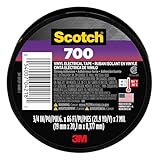
I’ve seen a lot of DIY hacks come and go, and frankly, most of them are garbage. People slap a coat of paint on a rusty hinge and call it a restoration. But every now and then, you stumble upon something that actually works, even if it’s a bit unconventional. The question I’ve been asked more times than I can count lately is: can electrical tape be used for gripping?
I’m here to tell you, with years of questionable life choices and even more questionable tool modifications under my belt, that the answer is a resounding… well, it’s complicated. But yes, with caveats. I’ve definitely used it, often out of sheer desperation, and sometimes it’s saved my bacon. Other times, it’s made things worse.
Why You Might Even Consider This Hack
Look, nobody wakes up in the morning thinking, “You know what would really improve this screwdriver handle? Some cheap vinyl tape!” But life happens. Maybe you’re halfway through a project, your hands are sweaty, and the tool just slips. Or perhaps you’ve got a favorite old tool, a perfectly good hammer or wrench, but the original rubber grip has degraded into a sticky, crumbly mess. Replacing the grip might be overkill, or maybe you just can’t find the right part. That’s where the humble roll of electrical tape comes in, a true jack-of-all-trades, or at least a jack-of-many-desperate-situations.
I remember one particularly frustrating afternoon trying to assemble a notoriously finicky piece of flat-pack furniture. The Allen key that came with it was tiny, smooth, and my hands were slick with nervous sweat. Every time I tried to get enough torque, the key would spin uselessly in my palm. After about my fifth slip, nearly taking a chunk out of my thumb on a sharp corner, I remembered a roll of electrical tape in my toolbox. I ripped off a few strips and wrapped them around the handle of the Allen key, creating a rough, grippy texture. Suddenly, I had purchase. I finished the assembly without further incident. It wasn’t pretty, but it worked.
The reason it works, at least temporarily, is the inherent tackiness and texture of the tape. Electrical tape, especially the good stuff like 3M Super 33+, has a slightly rubbery feel and a matte finish that, when layered, creates friction. It’s not designed for grip, mind you. Its primary job is insulation, to prevent electrical shocks.
But that same material property that makes it a good insulator – its flexibility and ability to conform – also makes it surprisingly effective at filling in the gaps and creating a more tactile surface on smooth handles. It adds bulk and a slightly sticky feel that can prevent your hands from sliding off.
Think of it like adding temporary treads to a bald tire. It’s not a permanent fix, but it can get you through a sticky patch.
The main draw is affordability and accessibility. A roll of decent electrical tape costs a few bucks and is available at literally any hardware store, corner shop, or even some supermarkets. When you need a quick fix, and you need it now, it’s often the most readily available solution. I’ve seen people use it on everything from the handles of brooms and rakes to the knobs on old appliances. It’s a go-to for a reason, even if that reason is often a lack of better options in the moment.
The Actual Mechanics: How It (sort Of) Works
So, let’s break down why this seemingly odd pairing actually offers some grip. Electrical tape is primarily made of PVC (polyvinyl chloride) with an adhesive backing. The PVC itself has a certain inherent tackiness, especially when it’s slightly stretched during application. When you wrap it around a handle, particularly if you overlap the layers and give it a good stretch, the surface becomes less smooth and more textured. It’s not like specialized grip tape designed for sports equipment, which uses rubberized coatings or abrasive particles. Instead, electrical tape’s grip comes from a combination of factors: its slightly rubbery texture, its ability to conform to the shape of the object, and the friction generated by the overlapping layers. (See Also: Can I Use Electrical Tape To Connect Wires )
When your hand touches the taped surface, the tiny imperfections and the slight stickiness of the PVC create more points of contact and resistance to sliding compared to a smooth plastic or metal handle. It’s a simple principle of friction. The rougher and more conforming the surface, the more friction it provides. Think about a smooth, polished bowling ball versus a textured golf ball. The golf ball’s dimples provide more grip. Electrical tape, in its own crude way, creates a similar effect by adding texture and a slightly yielding surface.
The adhesive is also a factor, though not in the way you might think. It’s not meant to be super-sticky to the touch; its primary job is to stick to the object and itself. However, as the tape ages, or if it gets warm, the adhesive can become a little more grabby, which can sometimes enhance the grip. But this is a double-edged sword, as it can also lead to a sticky residue when you eventually try to remove it, which is a common complaint.
One key to making it work even marginally well is application. You can’t just slap on a single, loose layer. For any kind of decent grip, you need to wrap it tightly, overlapping each layer by at least half the width of the tape. This creates a thicker, more consistent surface. I’ve found that stretching the tape as you wrap it also helps. It makes the PVC adhere more firmly and creates a smoother, yet still textured, surface. Applying it in a criss-cross pattern can also add to the overall stability of the grip. It’s a bit like wrapping a bandage – you want it snug and secure.
In terms of how it stacks up against dedicated grip solutions, it’s leagues behind. Grips designed for tools, like those made of rubber, silicone, or specialized textured plastics, are engineered to provide superior, long-lasting friction, often with ergonomic considerations. Electrical tape is a hack, a temporary measure. But for a quick fix when you’re in a pinch, it can be surprisingly effective at preventing minor slips and providing a more comfortable feel on otherwise unbearable handles.
Common Mistakes and What Not to Do
This is where I’ve personally learned some hard lessons. The biggest mistake I see people make, and one I’ve been guilty of myself, is thinking a single, loose wrap of electrical tape is going to do anything significant. It’s like trying to bail out a sinking boat with a teacup. You need multiple, tightly-wound layers to build up any kind of substantial grip. A single layer will just stretch and slide, often making the original problem worse by adding a slicker, slightly thicker surface that your hand can’t quite grasp.
Another common pitfall is using old, brittle electrical tape. You know the kind – it’s been sitting in a toolbox for a decade, feels stiff, and cracks when you try to unroll it. This stuff is useless. It won’t stretch, it won’t conform, and the adhesive is likely dried out. You’ll end up with a mess of tape that falls off or leaves a sticky residue. Always check the tape’s condition before you start wrapping. If it feels hard or brittle, toss it and get a fresh roll.
People also tend to over-rely on it. They’ll wrap an entire handle with electrical tape and then be shocked when it starts to peel or become gummy after a few weeks of heavy use, especially in heat or with moisture. Electrical tape is not designed for prolonged, high-friction, or wet environments. It’s a short-term solution. If you’re using a tool daily, or in conditions where a slip could cause serious injury or damage, you need a proper grip solution, not a tape job.
I once tried to wrap the handle of a favorite garden spade with electrical tape because the rubber had disintegrated. I thought if I just kept adding layers, it would be fine. It lasted about three weeks of digging before the tape started to unravel, leaving sticky goo all over my gloves and the spade handle. Then, during a particularly vigorous dig, the tape gave way entirely, and the spade flew out of my hand, landing in the middle of a prize-winning petunia bed. The damage to the flowers was almost as bad as the damage to my pride. Lesson learned: know the limitations. (See Also: Can Electrica Tape Catch On Fire )
Lastly, don’t expect it to provide any kind of shock absorption or significant padding. While it’s called ‘electrical’ tape, it’s not designed to be a primary insulator for high-voltage applications. Its insulating properties are decent for low-voltage wiring, but it’s not going to protect you from a serious electrical hazard. And for grip, it offers minimal cushioning. If you need comfort or vibration dampening, look for dedicated padded grips.
Real-World Use Cases: Where It Actually Shines (sort Of)
So, where does this hack actually make sense? For me, it’s primarily for temporary fixes or for items that don’t see heavy, consistent use. Think about those cheap plastic drawer organizers that have smooth, slippery edges. A few wraps of electrical tape can make them much easier to pull out, especially if your hands are damp. Or consider the handles of infrequently used tools, like a specialized clamp or a rarely-touched file. Adding a bit of grip can make them feel more secure without investing in a whole new set of tools.
I’ve also used it successfully on the handles of small hand tools that are stored in a toolbox. The tape provides a bit of texture so they don’t roll around as much and are easier to grab when you pull them out. It’s also surprisingly useful for improving the grip on pens or pencils that have become too smooth or worn. This is especially helpful for people who do a lot of writing or drawing and find that a slippery pen causes fatigue or affects their control. I’ve seen artists wrap the barrels of their favorite sketching pencils this way, and they swear by it for long drawing sessions. It’s a cheap way to personalize your tools.
Another area is for adding a bit of non-slip texture to the bottom of small objects. Trying to keep a speaker, a small electronic device, or even a decorative item from sliding around on a polished surface? A few carefully placed strips of electrical tape on the bottom can provide just enough friction to keep it in place. It’s not as elegant as rubber feet, but it’s a quick fix that doesn’t require adhesives that are hard to remove.
Here’s a comparison of how electrical tape stacks up against other common grip solutions for tool handles:
| Method | Pros | Cons | Verdict |
|---|---|---|---|
| Electrical Tape | Cheap, readily available, conforms well | Temporary, can leave residue, poor durability, limited grip strength | Okay for very light, occasional use or quick fixes. Not for demanding tasks. |
| Rubber/Silicone Grips (slip-on) | Excellent grip, durable, comfortable, shock-absorbent | Can be more expensive, might not fit all handles, can wear out over time | The go-to for most tool handles that see regular use. |
| Grip Tape (self-adhesive, e.g., for sports equipment) | Very strong grip, durable, often textured | Can be abrasive, might be too aggressive for some tools, can be hard to apply smoothly | Good for high-demand tools or where extreme grip is needed, but can be overkill. |
| Sugru (moldable glue) | Moldable to any shape, durable, good grip, waterproof | Requires curing time, can be messy to apply, more expensive than tape | Excellent for custom grips or repairing damaged handles, a more permanent solution. |
My personal experience with electrical tape for grip has been most positive on items like the handles of paintbrushes or carving tools where the grip needs to be comfortable and provide just enough tackiness to prevent slippage during fine motor movements, rather than brute force. It’s also been a lifesaver for the handles of my kids’ toy tools, which they tend to abuse, and replacing them constantly is a pain.
When It’s a Genuine Contender (and When It’s Not)
Let’s be honest. If you’re a professional mechanic, a serious woodworker, or anyone who relies on their tools day in and day out for demanding tasks, electrical tape for grip is likely not going to cut it. You’re going to need dedicated grip solutions. Think about someone swinging a hammer all day; their hands are going to sweat, they’re going to put a lot of force into it, and a flimsy tape job will fail spectacularly, potentially leading to injury. In those situations, investing in tools with good factory grips or adding high-quality aftermarket grips is the only sensible route.
However, for the average homeowner, the weekend warrior, or even the occasional crafter, electrical tape can absolutely be a contender for certain applications. The common advice is often to just buy a new tool or a proper grip accessory, and while that’s usually the best advice, it’s not always the most practical or affordable advice. Sometimes, you just need a quick, cheap fix to get a job done. I’ve seen people use it on the handles of their bicycles for a bit more grip, especially on older bikes where the original grips are worn out. It’s not as comfortable or durable as proper handlebar tape, but it does add a noticeable improvement. (See Also: Can I Substitute Duct Tape For Electrical Tape )
The biggest area where it falls short is durability and resistance to the elements. If the handle is going to be exposed to rain, sweat, grease, oil, or prolonged direct sunlight, electrical tape will degrade quickly. The adhesive can break down, the PVC can become brittle or sticky, and it will start to peel. This is why you see it failing on garden tools or outdoor equipment far more often than on indoor tools.
My contrarian take? Everyone says, “Just buy the right tool for the job.” And yes, usually they’re right. But what about that one weird tool you only use twice a year? Or that antique piece you don’t want to permanently alter? In those niche cases, electrical tape can be a perfectly valid, temporary solution that preserves the original item and still makes it usable. It’s about understanding its limitations and using it where those limitations are less likely to cause problems. It’s not a replacement for proper grip, but it’s a surprisingly capable stopgap.
People Also Ask: Can Electrical Tape Be Used for Gripping?
Will Electrical Tape Make Something Less Slippery?
Yes, electrical tape can make an object less slippery by adding a textured, slightly tacky surface. When applied in multiple, tight layers, it increases friction, providing a better grip than a smooth surface. It’s not a perfect solution and won’t offer the same level of grip as specialized materials, but for temporary use or light applications, it can certainly reduce slippage.
Is Electrical Tape Good for Tool Handles?
Electrical tape can be a temporary, budget-friendly option for tool handles, especially if the original grip is worn or missing. It adds a bit of texture and tackiness. However, it’s generally not a durable or long-term solution. For heavy-duty use or tools that require a secure, reliable grip, dedicated grip tape or rubberized handles are far superior.
Can I Wrap a Broom Handle with Electrical Tape for Grip?
Yes, you can wrap a broom handle with electrical tape for added grip. This is a common and effective use for the tape. Applying several tight, overlapping layers will create a more comfortable and less slippery surface to hold, especially if your hands tend to sweat or if the original handle is smooth. It’s a simple fix that can make sweeping more comfortable.
How to Apply Electrical Tape for Grip?
To apply electrical tape for grip, start by cleaning the surface. Then, wrap the tape tightly around the object, overlapping each layer by at least half the tape’s width. Stretch the tape slightly as you wrap to make sure it adheres well and creates a smooth, textured surface. For best results, apply multiple layers in a consistent pattern, avoiding wrinkles or gaps. This builds up a thicker, more effective grip.
Will Electrical Tape Leave Residue?
Yes, electrical tape can leave a sticky residue when removed, especially if it has been on for a long time, exposed to heat, or applied to porous surfaces. The adhesive can degrade over time and become gummy. While some brands are better than others, it’s always a possibility you’ll need to clean up residue with a solvent like Goo Gone or isopropyl alcohol.
Verdict
So, to circle back to the burning question: can electrical tape be used for gripping? The short answer is yes, it can, but with significant limitations. Think of it as a quick bandage, not a surgical repair. It’s best suited for temporary fixes, light-duty applications, or situations where you absolutely cannot get anything else. Don’t expect it to perform miracles on your prized wrench or your key power drill if you’re planning on heavy use.
I’ve found it’s most effective when wrapped tightly, in multiple layers, and when the expectations are managed. It’s not going to replace a proper ergonomic grip, but it can absolutely prevent a slippery tool from flying out of your hand during a important moment. It’s a testament to the fact that sometimes, the most basic materials can offer surprisingly practical solutions in a pinch.
The next time you’re struggling with a slippery handle, give it a shot. Just be prepared for the possibility that it’s a temporary fix, and you might need to peel off some sticky residue later. But hey, at least you got the job done, right?