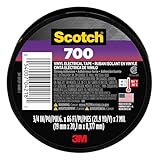
I remember staring at that frayed wire on my patio light, rain threatening to pour. My brain immediately went to that roll of black electrical tape in the garage. It’s the go-to for quick fixes, right? But then the doubt crept in. Can electrical tape really hack it out in the elements? I’ve learned the hard way that ‘quick fix’ often means ‘future problem,’ and I’ve wasted enough money on products that promised the moon and delivered dirt.
So, can electrical tape be used outside? The short answer is: it depends, and frankly, most of the time, you’re better off with something else. This isn’t some corporate spiel; this is years of me messing around with tape, wires, and a healthy dose of ‘what ifs’ that led to some surprisingly costly lessons.
Why We Even Think Electrical Tape Works Outside
Look, it’s not a total myth that electrical tape can be used outside. It’s designed for electrical insulation, which is a big deal. That rubbery, stretchy stuff sticks pretty darn well to itself and to wires.
It’s got good dielectric strength, meaning it can stop electricity from flowing where it shouldn’t. For a very temporary fix, like getting a garden light string back up for a party tonight before you can replace the damaged section tomorrow, it might get you through a few hours.
I’ve done it. I wrapped up a loose connection on a string of patio lights once, purely because the whole dang thing was going to be dark for my kid’s birthday party. It held.
For about two days.
The problem is, ‘temporary’ has a way of becoming permanent when you’re lazy or just trying to avoid a trip to the hardware store. Electrical tape is basically vinyl with a pressure-sensitive adhesive.
Vinyl is plastic, and plastics degrade. UV rays from the sun? Bad news for vinyl.
Moisture? Also bad news. Extreme temperatures, both hot and cold?
Yeah, that’s not its happy place either. It’s designed for the relatively stable environment inside an electrical box or wrapped around a wire bundle in a car engine bay – not constantly battling the unpredictable whims of Mother Nature.
The adhesive can get gummy and slide off in heat, or become brittle and crack in the cold. Plus, it can leave a sticky, gooey residue that’s a nightmare to clean up later, especially if it’s been baked on by the sun.
And let’s talk about that common advice: ‘just wrap it tight’. Sure, that helps it adhere better initially. But it doesn’t change the fundamental material science.
If the tape itself starts to break down, no amount of tightness is going to save it from UV radiation or extreme temperature fluctuations. I once tried to temporarily fix a cracked hose bib with electrical tape, thinking the water pressure wasn’t that high. Big mistake. Within a week, the tape had softened, the adhesive had oozed out, and it looked like a melted black slug clinging to the metal.
The hose bib was still leaking, and now I had a sticky mess to deal with on top of it all. Lesson learned: just because it sticks, doesn’t mean it belongs.
The Harsh Reality: What Happens When It Fails Outdoors
When electrical tape fails outdoors, it’s rarely a graceful exit. It’s more like a slow, sticky surrender. The adhesive, designed to maintain tackiness within a certain temperature range, starts to give up.
In direct sunlight and heat, it can get soft, almost greasy. This allows the tape to creep, slide, and eventually peel away from the surface it’s supposed to be protecting. You end up with gaps, exposing the wire or whatever you were trying to seal.
This is obviously bad news for electrical connections. Water gets in, and boom – short circuit, fire hazard, or just a dead appliance. I saw a guy’s outdoor Christmas lights short out spectacularly one year because the electrical tape he used to patch a tiny nick in a wire frayed and let moisture in. Sparks flew, and the whole string went dark. (See Also: Can I Use Electrical Tape To Connect Wires )
Thankfully, no one was hurt, but it was a vivid reminder of the risks.
On the flip side, when it gets cold, that vinyl can become stiff and brittle. Instead of stretching to accommodate movement or temperature changes, it can crack. Imagine wrapping a wire that flexes a bit in the wind with brittle tape.
Snap. There goes your insulation. I had a similar experience with some outdoor speaker wire that had a small abrasion. I slapped some electrical tape on it, thinking it was fine for the season.
Winter came, and a good frost hit. The next time I went to move the speaker, the tape just shattered like glass.
It didn’t just crack; it disintegrated into little black shards, leaving the wire completely exposed. It was a mess, and I realized that the ‘easy’ fix was actually far more damaging in the long run than if I’d just dealt with the problem properly from the start.
This degradation isn’t just about aesthetics. It’s about the integrity of the insulation. Electrical tape’s dielectric strength can be compromised as it breaks down.
What was once a reliable insulator becomes a weak point. This is particularly concerning for anything carrying current outdoors, where exposure to the elements is constant and the stakes are higher due to potential fire hazards or electrocution risks. The common advice to ‘use it for short-term repairs’ is sound, but people often neglect the ‘short-term’ part. They think ‘it’s holding now, it’ll be fine.’ That’s a dangerous gamble.
Think about it: the tape is supposed to protect you and your equipment from electrical hazards and the environment. When the tape itself is failing because of the environment, it’s actively making the situation worse.
| Product Type | Outdoor Suitability | Why It’s (Not) Great Outside | My Verdict |
|---|---|---|---|
| Standard Vinyl Electrical Tape | Poor | Degrades under UV, heat, and cold. Adhesive fails. Brittle when old. | Absolute last resort for emergencies only. |
| Self-Fusing Silicone Tape | Good | Bonds to itself, creating a waterproof, insulating seal. UV resistant. Withstands temps. | My go-to for outdoor electrical repairs. |
| Heavy-Duty Vinyl Electrical Tape (UV Resistant) | Fair to Good | Thicker vinyl, better UV inhibitors. Still can degrade over time, adhesive can soften. | Better than standard, but not ideal for long-term. |
| Weatherproof Tape (e.g., Rubber Mastic) | Excellent | Designed specifically for outdoor and harsh environments. Excellent sealing and insulation. | The gold standard for permanent outdoor fixes. |
What to Look for Instead: The Real Outdoor Heroes
If you’ve got something that needs fixing outdoors, especially if it involves electricity or water, reaching for standard electrical tape is like bringing a butter knife to a sword fight. You need tapes that are designed for the job. My absolute favorite for outdoor electrical work, hands down, is self-fusing silicone tape.
This stuff is wild. You stretch it as you wrap it, and it fuses to itself, creating a solid, smooth, waterproof, and electrically insulating layer.
It’s not sticky like regular tape; it’s more like a rubbery weld. I used it to repair a split in the power cord of my outdoor electric grill after a squirrel decided to have a chew on it. This was last summer, and it’s held up perfectly through rain, sun, and even that freak hailstorm we had.
No signs of degradation whatsoever.
Another contender is rubber mastic tape. This stuff is thick, gooey, and designed to create a really solid waterproof seal. It’s often used for sealing conduit entries or cable splices in harsh environments. It’s not as flexible as silicone tape, but it creates an incredibly durable barrier against moisture and UV. I’ve used it on the metal conduit that runs to my well pump, where it’s constantly exposed to dirt and spray. It’s been there for three years and looks as good as the day I put it on. It’s definitely more industrial-looking than silicone tape, but for pure protection, it’s top-notch.
Then there’s the ‘better’ electrical tape. Some manufacturers make heavy-duty vinyl electrical tapes with enhanced UV resistance and better cold-weather flexibility. These are a step up from the cheap stuff you find everywhere.
They might have a thicker backing and a more aggressive adhesive formulation. I’ve used some of these on temporary repairs for outdoor equipment, and they’ve lasted longer than standard tape, maybe a year or two if conditions aren’t too extreme. However, even these have their limits.
They’re still vinyl, and vinyl degrades. If you need something that’s going to last through multiple seasons and potentially extreme weather, you really need to move beyond vinyl-based products. The key is looking for tapes explicitly labeled for outdoor use, UV resistance, waterproof capabilities, or extreme temperature tolerance. Don’t just assume because it’s black and sticky that it can handle the sun and rain. (See Also: Can Electrica Tape Catch On Fire )
Common Mistakes People Make (including Me)
The biggest mistake, and one I’ve definitely made more times than I care to admit, is simply grabbing the cheapest roll of electrical tape from the hardware store for an outdoor job. It’s right there, it’s familiar, and it seems like the path of least resistance.
But as we’ve established, it’s usually a false economy. It fails, you have to fix it again, and you might end up with a bigger problem than you started with. I once used regular electrical tape to secure a loose panel on my outdoor shed.
It was flapping in the wind. I thought, ‘Just hold it till I can get the screws.’ Months later, the tape had warped, melted in the sun, and peeled off, leaving a sticky residue that attracted every bug in a five-mile radius.
The panel was still loose, and now my shed looked like it had been attacked by a swarm of angry bees.
Another common error is not preparing the surface properly. Even with the right tape, if you’re trying to stick it to a dirty, greasy, or wet surface, it’s not going to adhere well. This is especially true for outdoor applications where surfaces can be grimy from dirt, oil, or mildew.
Always clean the area thoroughly with a degreaser or appropriate cleaner and make sure it’s completely dry before applying any tape. I learned this the hard way when trying to patch a small leak in a garden hose connector with a supposedly outdoor-rated tape.
I just slapped it on over the wet, slightly grimy metal. It held for about an hour before the water pressure and the grime worked their magic, and the leak returned with a vengeance.
Wasted tape and still a leaky hose.
Then there’s the ‘one-size-fits-all’ mentality. People see electrical tape as a universal fix-it solution for all sorts of problems, not just electrical.
Using it for plumbing leaks, sealing gaps in outdoor furniture, or reinforcing handles is a recipe for disappointment. Electrical tape’s primary function is electrical insulation and bundling. While it has adhesive properties, it’s not designed for the structural demands or constant environmental exposure that other specialized tapes are built for.
You wouldn’t use duct tape to insulate wires, so don’t use electrical tape to, say, seal a leaky window frame. It just won’t hold up, and you’ll be back at square one, likely with a sticky mess to clean up. It’s about using the right tool for the job, and electrical tape is rarely the right tool for sustained outdoor use.
Real-World Scenarios: Where It Might (barely) Cut It
Okay, so when could you possibly get away with using electrical tape outside? I’ll be brutally honest: rarely. The scenarios are extremely limited and always involve a very short timeframe and minimal risk. Think of it as a desperate measure, not a solution. If you’re camping and a guy rope on your tent snags and frays a bit, and you need to stop it from unraveling just until you get back to civilization tomorrow morning, a few wraps of electrical tape might do the trick. It’s not going to be exposed to much beyond dew and perhaps a light shower, and the load on it is minimal. It’s purely to prevent further unraveling for a few hours.
Another fringe case: I once had a bike ride where the reflective tape on my ankle strap started peeling. I was miles from anywhere, and it was getting dark. I wrapped a bit of electrical tape around it to keep the reflective strip in place so cars could still see me. Again, the exposure was limited – just a few hours of riding, sweat, and maybe a splash of puddle water. It served its purpose until I could properly re-glue or replace the reflective material. It wasn’t insulating anything; it was just holding something together temporarily under low stress and limited environmental impact.
Honestly, those are about the extent of the ‘good’ uses. Trying to use it to patch a garden hose, seal a gap in an outdoor speaker cabinet, or insulate a connection for an outdoor light fixture?
That’s where you’re asking for trouble. The UV rays will break it down, moisture will get in, and the adhesive will fail. The common advice you’ll find online often glosses over these important details, just saying ‘yes, but only temporarily.’ That ‘temporarily’ is the operative word, and most people extend it far beyond what’s sensible.
For anything that needs to last more than a day or two outside, or involves anything more than a few volts, you need to invest in proper outdoor-rated tapes. The cost of doing it right the first time is almost always cheaper than the cost of fixing the mess electrical tape leaves behind. (See Also: Can I Substitute Duct Tape For Electrical Tape )
DIY Hacks and Warnings: My Experience
I’ve tried my fair share of DIY hacks involving electrical tape, some more successful than others. One time, I wanted to improve the grip on the handle of my outdoor pruning shears, which were a bit slippery when wet. I figured wrapping them with electrical tape would give me a better hold. It worked, kind of.
For about three months. Then, the sun started to get to it. The tape became gummy, sticky, and started to slide around the handle.
It wasn’t just uncomfortable; it was making the grip worse and attracting dirt. I ended up having to scrape off this incredibly stubborn, black goo. It took me nearly an hour with Goo Gone and a scrub brush to get it clean.
So, no, not a great idea for grip enhancement outdoors.
Another time, I was trying to make a makeshift waterproof seal around the base of a bird feeder pole to deter ants. I wrapped it with electrical tape, thinking it would create a slick surface they couldn’t climb. Again, this lasted maybe a month before the tape started to degrade, lose its stickiness, and basically just became a dirt magnet. The ants found a way around it anyway. It looked terrible and did nothing useful. It was a complete waste of time and tape. This taught me that when a product is designed for a specific indoor electrical purpose, forcing it into an outdoor, non-electrical role is usually a losing battle.
My contrarian opinion on this? Everyone says electrical tape is fine for a quick outdoor wrap. I disagree because ‘quick’ often turns into ‘longer than you think,’ and the material itself is fundamentally ill-suited for prolonged outdoor exposure.
It’s not just about the adhesive; it’s about the vinyl backing degrading. It’s like using a cheap plastic tarp to cover your car in the winter; it might stop the worst of the snow for a bit, but it’ll crack and tear quickly, and you’ll be left with more damage than if you’d used a proper car cover. The common advice is too simplistic and dangerously overlooks the material science involved.
Stick to tapes designed for outdoor use; they’re worth every penny more.
Can Electrical Tape Be Used Outside for Temporary Repairs?
Yes, but with extreme caution and for very short durations, typically less than 24-48 hours. It’s best reserved for emergency situations where you need to prevent immediate further damage until a proper repair can be made. Factors like direct sunlight (UV rays), high temperatures, and moisture will accelerate its degradation, compromising its integrity and potentially creating new hazards.
Will Electrical Tape Stick Outdoors?
Initially, yes, it will stick. However, its adhesive is not formulated for outdoor conditions. Heat can make it soft and gooey, causing it to slide off, while cold can make it brittle and prone to cracking. Prolonged exposure to sunlight and weather will degrade the adhesive’s tackiness, leading to failure.
Is Electrical Tape Waterproof for Outdoor Use?
Standard electrical tape is water-resistant to a degree, meaning it can repel light moisture for a short period. However, it is not truly waterproof for sustained outdoor exposure. Water and humidity will eventually penetrate, especially as the tape degrades, leading to potential electrical shorts or corrosion.
What’s the Best Tape for Outdoor Electrical Repairs?
For outdoor electrical repairs, self-fusing silicone tape or rubber mastic tape are far superior. These materials are designed to withstand UV radiation, extreme temperatures, and moisture, forming a durable, waterproof, and electrically insulating seal. Specialized outdoor-rated vinyl tapes offer some improvement but are still less reliable long-term.
Can Electrical Tape Be Used Outside to Insulate Wires?
While it provides electrical insulation, using standard electrical tape for outdoor wire insulation is highly discouraged for anything beyond a very brief emergency. The tape’s susceptibility to UV rays, temperature extremes, and moisture means its insulating properties will degrade, creating a significant risk of short circuits, fires, or electrocution.
Final Thoughts
So, after years of tinkering and more than a few sticky messes, my honest verdict is this: can electrical tape be used outside? Barely, and only in the most dire, temporary circumstances where failure won’t cause harm. It’s the tape you use when you absolutely have no other option and you know you’ll be replacing it within a day. For anything remotely permanent or important, you’re just asking for trouble.
The real takeaway here is to understand the limitations of the materials you’re using. Electrical tape is fantastic for its intended purpose: insulating electrical connections in protected environments. Take it out into the sun, rain, and extreme temps, and you’re asking it to do a job it was never designed for. Save yourself the headache, the potential hazards, and the sticky cleanup by opting for tapes specifically made for outdoor use. Your future self, and your wallet, will thank you.