I remember a time, probably around 17 years old, staring at a tangled mess of wires behind my dad’s old stereo. The speaker wire had frayed, and the only thing I could find in the junk drawer was a roll of that cheap, stretchy black tape. ‘Can electrical tape be used to connect wires?’ I thought, figuring it was better than twisting them together bare. Spoiler alert: it wasn’t. That little experiment taught me a hard lesson about shortcuts and what really keeps things safe and sound.
Most folks just want to know if they can get away with using what they have on hand. And yeah, sometimes you can. But ‘getting away with it’ isn’t the same as doing it right, especially when electricity is involved. Let’s cut through the noise.
The Absolute Basics: What Electrical Tape Is and Isn’t
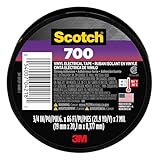
Alright, let’s get down to brass tacks. Electrical tape. It’s that stretchy, black (usually, though it comes in other colors now, which is mostly just for show) tape you see in every toolbox. It’s designed to insulate. That’s its job. It’s made from vinyl, which is a type of plastic. Vinyl is pretty good at resisting electricity, meaning it doesn’t let it flow through easily. That’s why you see it wrapped around the wires of appliances, extension cords, and even those little wires inside your phone charger brick.
Now, the big question: can electrical tape be used to connect wires? The short, blunt answer is: NO, not as the primary method of connection. Think of it like this: electrical tape is a bandage, not a joint. It’s for covering up, for protecting, for adding a layer of safety after you’ve made a proper connection. Trying to use it to hold two bare wires together and expecting it to be a secure, permanent electrical connection is like trying to hold a broken bone together with a Band-Aid. It might stop the bleeding for a second, but it’s not going to fix the underlying problem, and it’s definitely not safe long-term.
The material itself, vinyl, is decent for insulation. It’s flexible, it can stretch to conform to irregular shapes, and it sticks reasonably well to itself and other surfaces. This is why it’s often used in conjunction with other methods. For instance, if you’ve done a proper wire nut connection, you might wrap a bit of electrical tape around the wire nut and the wires leading into it. This adds a little extra security, prevents the nut from vibrating loose, and gives an extra layer of protection against moisture or abrasion. It’s a secondary measure, though. The wire nut is doing the heavy lifting of actually connecting the wires electrically.
I once tried to ‘fix’ a faulty lamp cord by stripping a bit of the outer sheath, twisting the two inner wires together, and then wrapping them tightly with electrical tape. I figured the tape would hold them and insulate them. It worked… for about three days. Then, during a humid evening, the lamp flickered violently and tripped the breaker. The tape had gotten slightly damp, and the connection became unreliable, leading to arcing. That was a close call, and a stark reminder that electrical tape is an insulator and a protector, not a connector. It’s a common mistake, and one that can have nasty consequences.
Why Twisting and Taping Is a Recipe for Disaster
This is where I really get on my soapbox. You see it in DIY videos, you hear people say it casually: ‘Just twist ’em together and wrap ’em with electrical tape.’ WRONG. Utterly, fundamentally wrong. This advice is not just bad; it’s dangerous. Electrical connections need to be mechanically secure and electrically sound. Twisting wires together provides a very weak mechanical bond. The strands can easily shift, loosen, or break over time, especially with vibration or temperature changes. This leads to increased resistance at the connection point.
What happens when resistance goes up? Heat. Electricity flowing through a less-than-ideal connection has to fight harder to get through. That struggle generates heat. Electrical tape, while it has some insulating properties, is not designed to withstand significant heat. It’s a vinyl plastic, and vinyl melts. As the connection heats up, the tape can soften, deform, and eventually fail. This failure can lead to exposed conductors, short circuits, and, in the worst-case scenario, fires. I’ve seen appliance repair manuals and even some professional electrician forums where they show using electrical tape as a temporary measure or as a final wrap over a secure termination, but never, ever as the sole method of joining wires.
The common advice that it’s okay for low-voltage stuff is also shaky ground. Sure, a tiny doorbell wire might not burn your house down if its connection fails spectacularly, but it’s still a bad habit to cultivate. The principles of good electrical work are the same regardless of voltage: secure mechanical connection, reliable electrical contact, and proper insulation. You wouldn’t use sticky tape to hold your car’s brake lines together, would you?
It’s the same logic. The electrical current needs a solid, continuous path. Any interruption, looseness, or increased resistance is a problem waiting to happen. (See Also: Can I Use Electrical Tape To Connect Wires )
Furthermore, the adhesive on electrical tape is not designed for long-term high-stress applications. It can dry out, lose its stickiness, and allow the tape to unravel, exposing the wires further.
Many years ago, I was helping a buddy wire up some new outdoor lights. He’d ‘learned’ from a neighbor that twisting and taping was fine for garden lights. Within a year, half the lights were flickering, and one string had completely died. We pulled them out, and sure enough, the ‘connections’ were a mess of loose wire strands and dried-out, unraveling tape. The moisture had gotten in, the connections had corroded, and the whole setup was toast. That was a vivid, and frankly, annoying, demonstration of why that particular piece of ‘common advice’ is just plain wrong.
What You Should Use Instead (and Why)
So, if electrical tape is out for making the connection itself, what’s in? This is where you need to embrace the proper tools for the job. For joining two solid or stranded wires together, the undisputed champion for DIYers and pros alike is the wire nut. These little plastic caps come in various sizes and colors, and they work by twisting onto the ends of stripped wires. As you twist, the internal metal spring grips the wires, pulling them together and creating a secure mechanical and electrical connection. They’re cheap, readily available, and designed specifically for this purpose.
Another excellent option, especially for situations where you need a very solid and permanent connection, are Crimp Connectors. These are metal sleeves that you insert the stripped wire ends into, and then use a special crimping tool to permanently deform the sleeve, basically squeezing the wires together and creating a solid bond. Heat-shrink tubing is often used in conjunction with crimp connectors to provide excellent insulation and strain relief. You slide the heat-shrink over the wires before crimping, and then after crimping, you slide it over the connection and apply heat (with a heat gun or sometimes even a lighter, carefully) to shrink it tightly around the joint.
For permanent installations or high-current applications, terminal blocks or Wago connectors are fantastic. Terminal blocks are strips with screw terminals where you insert stripped wires and tighten screws to secure them. Wago connectors are lever-actuated marvels that allow you to quickly insert stripped wires into spring-loaded terminals. They’re incredibly fast, reliable, and create a very clean look. I’ve used Wago connectors extensively in my workshop renovations, and the time saved and the professional finish are incredible. They feel much more substantial than a wire nut, and the ability to disconnect and reconnect easily is a huge plus for troubleshooting or future modifications.
Here’s a quick rundown of the go-to connection methods:
| Method | Best For | Pros | Cons | Verdict |
|---|---|---|---|---|
| Wire Nuts | General household wiring, joining multiple wires | Inexpensive, easy to use, widely available | Can come loose if not twisted properly, less secure than crimps |
Solid: Your go-to for most basic connections. Reliable when done right. |
| Crimp Connectors (with heat shrink) | Automotive, marine, high-vibration environments, permanent connections | Extremely secure mechanical and electrical connection, very durable | Requires a specific crimping tool, more time-consuming than wire nuts |
Excellent: For situations demanding maximum reliability and strength. |
| Terminal Blocks | Custom electrical panels, connecting multiple circuits | Organized, easy to expand, can handle high currents | Can be bulky, requires careful tightening of screws |
Professional: Great for neat, organized, and expandable setups. (See Also: Can Electrica Tape Catch On Fire ) |
| Wago Connectors | Quick connections, modern installations, easy troubleshooting | Extremely fast to use, very secure, clean look, reusable | Slightly more expensive than wire nuts, can be fiddly for very small wires |
Top Tier: Fast, reliable, and professional. My personal favorite for many applications. |
The key takeaway is to use a method that creates a physical and electrical bond between the wires, and then use insulation (like the tape, or better yet, heat shrink tubing) to protect that bond from the environment. Electrical tape’s role is protective, not connective.
When Electrical Tape might Be Okay (but Still Not Ideal)
Look, I’m not going to lie and say I’ve never used electrical tape in a pinch for something that wasn’t strictly a wire connection. There are very niche, temporary, and low-risk situations where it might serve a purpose. For example, if you have a slightly frayed outer sheath on a cord that’s not carrying significant power and isn’t in a place where it could be easily snagged or abraded, a few wraps of good quality electrical tape might hold it together temporarily. Think of a cord on a low-voltage desk lamp that’s just lying on a shelf. It’s not ideal, but the risk is minimal.
Another scenario is reinforcing a connection that’s already made. If you’ve used a wire nut or a Wago connector and you want to add an extra layer of protection against dirt, moisture, or the connector simply vibrating loose in a really harsh environment, wrapping the base of the connection with electrical tape can be a good secondary measure. This is common in automotive applications or outdoor electrical boxes where extreme conditions are present. However, even here, dedicated sealing compounds or specialized outdoor-rated connectors are often superior.
My contrarian opinion? Most people who say ‘you can use electrical tape for X’ are either overestimating its capabilities or are willing to accept a lower standard of safety and reliability. I disagree with this approach.
Why accept ‘good enough’ when you can have ‘correct and safe’? The extra few minutes it takes to use the right connector and the right insulation method are worth the peace of mind. I once saw a situation where someone had used electrical tape to secure a garden hose connection that was leaking slightly. It held for a while, but eventually, the water pressure and constant dampness degraded the tape and the adhesive, leading to a much bigger leak and a soggy mess.
While not electrical, it’s the same principle: using a material for a purpose it wasn’t designed for will eventually fail.
So, when is it truly okay? Honestly, very rarely for electrical connections. If you’re in a dire emergency, and you need to temporarily insulate a single, exposed wire after it’s been secured by some other means, and you have absolutely no other option, then maybe. But you must understand it’s a temporary fix, a failsafe, and you need to replace it with a proper solution as soon as humanly possible. It’s about risk management. The risk associated with a temporary, poorly made electrical connection is simply too high to justify using electrical tape as the primary joining method.
Practical Tips for Using Electrical Tape (when You Really Need To)
Okay, assuming you’ve got a situation where you must use electrical tape for its intended purpose – insulation over a proper connection – here are some tips to get it right: (See Also: Can I Substitute Duct Tape For Electrical Tape )
- Use Quality Tape: Don’t cheap out. Get tape from a reputable brand like 3M (Super 33+ or Scotch Vinyl Electrical Tape). Cheaper tapes are often thinner, less stretchy, have weaker adhesive, and degrade faster.
- Clean and Dry Surface: Make sure the wires and the connector you’re wrapping are clean, dry, and free of grease or oil. The adhesive won’t stick well to a dirty surface.
- Stretch as You Wrap: This is important. Electrical tape is designed to be stretched. As you wrap, pull it taut. This helps it conform to the shape, creates a tighter seal, and activates the adhesive. Don’t just lay it on loosely.
- Overlap by Half: Each subsequent wrap should overlap the previous one by about half the tape’s width. This makes sure there are no gaps for moisture or contaminants to get through.
- Wrap Beyond the Connection: Start wrapping a bit before the connector or exposed wire and extend a little past it. This provides strain relief and makes sure the entire area needing protection is covered.
- Multiple Layers: For better insulation and durability, apply at least two or three layers of tape.
- Smooth It Down: After wrapping, firmly rub down the tape to make sure good adhesion and to eliminate any air bubbles or loose edges.
- Consider Heat Shrink: Honestly, for most applications where you need good insulation over a splice, heat shrink tubing is a far superior option to electrical tape. It provides a much more solid, waterproof, and durable seal. If you’re doing anything more than a quick temporary fix, invest in some heat shrink.
I learned the hard way about stretching the tape. My first few attempts looked like a toddler had wrapped a present. It was lumpy, loose, and looked like it would peel off if you sneezed on it. The key is to pull it taught. It should feel like it’s really gripping the wires as you wrap. When you do it right, it looks clean, feels solid, and you have confidence it’s doing its job as an insulator.
Frequently Asked Questions About Electrical Tape and Wiring
Can I Use Electrical Tape for Low-Voltage Wiring?
While the risk of catastrophic failure is lower with low-voltage wiring (like for doorbells or landscape lights), it’s still not recommended to use electrical tape as the primary connection method. Low-voltage connections can still be unreliable, prone to corrosion, and lead to intermittent performance issues. Proper connectors like wire nuts or Wago connectors are always a better choice for a secure and lasting connection, with electrical tape used only as an extra layer of insulation if absolutely needed.
Is Electrical Tape Waterproof?
No, electrical tape is not inherently waterproof. While it can provide some resistance to moisture if applied correctly and tightly, it is not designed to create a waterproof seal. Water and moisture can degrade the adhesive, seep through gaps, and compromise the insulation properties, leading to potential shorts or corrosion. For waterproof connections, specialized waterproof connectors or sealants are necessary.
How Long Does Electrical Tape Last?
The lifespan of electrical tape varies greatly depending on the quality of the tape, the environmental conditions, and the application. High-quality tapes in stable indoor environments might last for many years, but the adhesive can dry out over time, and the vinyl can become brittle. In outdoor or high-temperature environments, its lifespan can be significantly reduced, often failing within a year or two.
What’s the Difference Between Electrical Tape and Duct Tape?
They are vastly different. Duct tape is designed for general-purpose repairs and is made with fabric mesh and a strong adhesive, making it very strong but not a good electrical insulator. Electrical tape is made from flexible vinyl and is specifically designed to provide electrical insulation and resist UV light and abrasion. Using duct tape for electrical connections is extremely dangerous and will not provide adequate insulation, leading to short circuits and fire hazards.
Can I Use Electrical Tape to Fix a Frayed Wire on an Appliance?
Only as a very temporary emergency measure, and with extreme caution. If the wire is frayed, it means the conductive material is exposed and weakened. Electrical tape can provide a minimal layer of insulation, but it does not fix the underlying problem of the frayed wire. The connection will likely remain unreliable and potentially dangerous. It’s best to replace the cord or repair the connection properly with appropriate connectors and insulation as soon as possible.
Final Thoughts
So, to circle back to the burning question: can electrical tape be used to connect wires? The answer, in the overwhelming majority of cases, is a resounding NO. It’s a tool for insulating and protecting after a proper connection has been made, not for making the connection itself. Think of it as the bodyguard, not the handshake.
Cutting corners on electrical work is a gamble none of us should take. The cost of proper connectors and tools is minimal compared to the potential damage from a fire or injury. Stick to wire nuts, crimps, or terminal blocks for joining wires, and let electrical tape do what it does best: protect those safe connections.
Next time you’re faced with a wiring job, remember this. Your safety, and the safety of your home, depend on doing it right the first time.