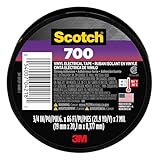
I remember staring at that frayed cord, the little copper strands looking like a bird’s nest after a hurricane. My toaster oven, bless its heart, had seen better days, and so had its power cord. My first thought, echoing what I’d seen online and heard from the guy at the hardware store, was: ‘Can electrical tape fix a cut wire?’ It seemed like the obvious, cheap fix. A few wraps, and boom, good as new, right? Well, the reality is a bit messier, and frankly, a lot more dependent on the exact kind of mess you’re dealing with.
I’ve spent years tinkering, fixing, and sometimes just duct-taping things back together, often out of necessity or sheer stubbornness. Electrical tape is one of those things that sits in every toolbox, a little roll of black magic that promises to solve everything from a leaky faucet to a wonky light switch. But when it comes to actual electrical circuits, the stakes are higher than just a bit of DIY bragging rights.
So, let’s cut to the chase. Can electrical tape fix a cut wire? The short answer is: sometimes, under very specific, limited circumstances, and with major caveats. It’s not a permanent solution, and relying on it for anything serious is a fast track to bigger problems.
The ‘quick Fix’ Trap: When Electrical Tape Fails
Let’s be clear: electrical tape is designed for insulation, not structural repair. When a wire gets cut, you’re dealing with two distinct problems. First, the physical integrity of the wire is compromised. Those tiny copper strands carry the current, and if they’re severed or even just kinked badly, you’ve got a weak point. Second, you’ve exposed the conductive material, which needs to be insulated to prevent shorts, shocks, and fires. Electrical tape can provide insulation, but it does squat for the structural damage. Imagine trying to hold a broken bone together with a bandage – it might keep it covered, but it’s not doing any actual healing or support.
I learned this the hard way with a cheap desk lamp. The cord got caught under a chair and frayed badly, exposing about an inch of the internal wires. My logic was simple: wrap it up tight with that trusty black tape and it’ll be fine.
I did it, plugged it in, and for about an hour, it worked. Then, a faint smell of burning plastic started wafting from the cord. It wasn’t a dramatic explosion, just a slow, ominous sizzle. The tape had started to melt, the insulation underneath had cracked further from the heat, and I’d created a potential fire hazard.
That’s when I realized that my ‘fix’ was actually making things worse. The lesson? Electrical tape is for insulating a good connection, not for making a connection or repairing damage to the conductor itself.
The common advice you’ll find everywhere is that electrical tape is for low-voltage, temporary fixes. And that’s largely true.
For instance, if you’ve got a tiny nick in the outer sheathing of a lamp cord, and the inner wires are still perfectly intact and insulated, a wrap of high-quality electrical tape might be okay for a while. But ‘a while’ isn’t forever. These tapes degrade.
They can dry out, lose their stickiness, and become brittle, especially if exposed to heat or sunlight. So even if it seems to hold initially, you’re setting yourself up for a future failure. The key thing to remember is that electrical tape is a barrier, not a binder. It keeps electricity from jumping where it shouldn’t, but it doesn’t hold wires together mechanically. (See Also: Can I Use Electrical Tape To Connect Wires )
Here’s a simple analogy: think of a garden hose with a small leak. Electrical tape is like wrapping that leak with more tape. It might stop the drip for a bit, but the underlying pressure is still there, and the hose itself is still compromised. Eventually, the pressure will find a way out. For a proper fix, you need to splice the hose, using a connector. Same principle with wires. The conductive part needs to be rejoined, and then insulated. Relying solely on tape for a cut wire bypasses the important step of rejoining the conductors.
What to Look for in Electrical Tape (and When to Just Buy New)
Not all electrical tape is created equal. If you’re going to use it for actual insulation, which is its intended purpose, you want the good stuff. I usually go for brands like 3M or Scotch. They tend to be a bit thicker, more flexible, and have better adhesion than the cheap generic rolls you find at discount stores. The cheap stuff feels almost like paper and doesn’t stretch well, making it prone to tearing and leaving gaps. Good electrical tape has a rubbery feel and can stretch significantly without breaking, allowing you to create a tight, smooth seal.
When you’re inspecting a damaged wire, ask yourself these questions: How deep is the cut? Are the copper conductors exposed and broken, or is it just the outer plastic sheath that’s nicked?
Is the damage localized to a small spot, or is it a long, ragged tear? If the copper strands are severed, or if the insulation on multiple individual wires within a cable is damaged, electrical tape is absolutely not your friend. You’re looking at a splice or a replacement.
If it’s a very minor nick on the outer jacket, and the inner wires are completely untouched and insulated, then maybe, just maybe, a layer or two of quality electrical tape could provide temporary protection against further abrasion. But this is rare.
Here’s a little comparison chart I put together after wrestling with various tapes:
| Tape Type | Adhesion | Flexibility | Durability (Heat/UV) | Best Use | Verdict |
|---|---|---|---|---|---|
| Cheap Generic Black Tape | Poor | Stiff, tears easily | Very Poor | Absolute last resort for non-important insulation. | Avoid if possible. Often fails quickly. |
| Standard Electrical Tape (e.g., Scotch 33+) | Good | Excellent, stretches well | Moderate | Insulating splices, protecting undamaged sheathing. | The go-to for actual electrical insulation. |
| High-Temp Vinyl Tape (e.g., Scotch 88) | Excellent | Good, but can be stiffer | Excellent | High-heat environments, more solid insulation. | Overkill for most household fixes, but superior. |
| Duct Tape (NOT Electrical) | Strong, but messy | Okay, but bulky | Poor | Holding things together structurally, NOT for electrical. | NEVER use on electrical wires. Fire hazard. |
The table highlights what I’ve found. You pay a bit more for good electrical tape, but it’s worth every penny. Those cheap rolls are a false economy. They’ll fail, and when they do, they can cause more damage than the original problem. So, if the wire looks significantly damaged, or if you’re in doubt, the best and safest bet is to replace the cord or the appliance. It’s not glamorous, but it’s the right way to do it. Think about the cost of a new appliance versus the potential cost of a fire or an injury. It’s a no-brainer.
The ‘how-To’ Myth: Why Wrapping Isn’t Splicing
So, you’ve got a frayed wire, and you’re still wondering about that tape. Let’s break down why just wrapping it isn’t a real fix. When a wire is cut, the electrical path is broken. The copper strands that carry the current are severed. Electrical tape, by itself, does not bridge this gap. It’s like trying to restart a conversation by just standing closer to the person – you haven’t actually rejoined the dialogue. To fix a cut wire, you need to reconnect the broken conductors. This is typically done through soldering, crimping with a connector, or using specialized wire nuts.
Let’s say you have a two-conductor wire (like on a lamp) where the insulation is breached and the copper strands are frayed. If you just wrap the whole mess with electrical tape, you’re not rejoining the individual copper strands. You’re just covering up the problem. The current can’t flow reliably, or worse, it might arc between the exposed strands, generating heat. This is a common mistake I’ve seen DIYers make, often influenced by poorly explained online tutorials. They see someone wrapping a wire and assume it’s a done deal. (See Also: Can Electrica Tape Catch On Fire )
Here’s a simple, step-by-step of what a proper repair looks like, which electrical tape is only a small part of:
- Safety First: Unplug the appliance. ALWAYS.
- Assess Damage: Carefully examine the wire. Determine the extent of the cut and if individual conductors are severed.
- Strip Insulation: If the wire is severely damaged, you might need to cut away the damaged section and strip back a bit of the outer sheathing on both ends of the cut.
- Prepare Conductors: Twist the individual copper strands of each wire end together firmly.
- Join Conductors: Use a proper connector (like a butt splice connector or a wire nut) to join the corresponding wires from each end. Make sure a secure mechanical and electrical connection.
- Insulate the Splice: This is where electrical tape comes in. Once the conductors are properly joined with a connector, wrap the connector and the surrounding wire ends tightly with several layers of high-quality electrical tape. Overlap each layer significantly to create a solid, insulated barrier.
Notice that electrical tape is the last step, used for insulation after the wires have been physically and electrically rejoined. It’s the protective jacket, not the bridge. Relying on tape alone bypasses steps 4 and 5, which are the actual ‘fixing’ steps. So, while electrical tape can be part of a repair, it can’t be the repair on its own for a cut wire.
Contrarian Opinion: When Tape might Be Your Only Option (but You Still Shouldn’t)
Here’s where I go against the grain a bit. Everyone says, ‘Never use electrical tape to fix a cut wire.’ And for 99% of situations, they are absolutely right. But what if you’re in a truly desperate, emergency situation? I’m talking about being miles from anywhere, in the dark, with a important piece of equipment that needs to run for just a few more hours to get you out of a jam. Think of a remote camp generator, or a vehicle light that must work for a short trip home on a dark road.
In a scenario like that, if the damage is minor – a small nick on the outer insulation, and the inner conductors are still intact and insulated – I’ll admit, I might use electrical tape as a temporary, last-ditch effort to keep dirt and moisture out and prevent further abrasion. I’d use the absolute best quality tape I had, wrap it ridiculously tight, overlapping every millimeter, and treat it like a ticking time bomb. I’d know, with absolute certainty, that this is a highly risky move, and the very first thing I’d do once I was safe and had access to proper supplies would be to perform a real repair or replacement. This is not a recommendation; it’s an admission of what someone might do when faced with extreme circumstances and no other choice. The key is acknowledging the massive risk and the temporary nature.
The common advice is to always replace the cord or appliance. And that’s the sensible, safe advice for 99.9% of the population, 99.9% of the time. My contrarian point is that ‘sensible’ and ‘safe’ aren’t always absolute dictates of survival or extreme necessity. Sometimes, calculated risks are taken. But even in those extreme cases, it’s important to understand that electrical tape is providing a very fragile layer of insulation, not a repair. It’s like putting a band-aid on a bullet wound and hoping for the best. It might keep the immediate mess contained for a short while, but it’s not addressing the fundamental problem.
My first-hand experience with the desk lamp incident, where the tape melted, is a prime example of why this is generally a bad idea. The heat generated by the imperfect connection combined with the low-quality insulation of the tape itself created a fire hazard. If I had been in a situation where that lamp was the only light source in a room where people were sleeping, the consequences could have been dire. So, while I can conceive of an extreme edge case where someone might use tape as a temporary stopgap, I would never, ever recommend it. Always prioritize a proper repair or replacement.
Real-World Use Cases & Practical Tips for Electrical Tape
So, if electrical tape isn’t for fixing cut wires, what is it good for? Its primary job is insulation. Think of insulating exposed wire connections after you’ve properly spliced them. If you’re doing any kind of electrical work where you’re joining wires – say, installing a new light fixture, replacing an outlet, or working on automotive wiring – you’ll use connectors (like wire nuts or crimp connectors) to join the copper. Once those are securely in place, you wrap them with electrical tape to provide an extra layer of protection against moisture, dust, and physical abrasion, and to make sure no stray strands can short circuit against anything else.
Another common use is reinforcing the strain relief on cords. You know that little rubbery bit where the cord meets the plug or the appliance? Sometimes, that can get worn. You can sometimes wrap electrical tape tightly around that area to give it a bit more structure and prevent further fraying of the outer jacket. It’s not a perfect fix, but it can extend the life of a cord if the damage is minor and just starting. I’ve done this on vacuum cleaner cords and extension cords that tend to get a lot of bending.
Here are some practical tips when you are using electrical tape for its intended purpose: (See Also: Can I Substitute Duct Tape For Electrical Tape )
- Clean Surface: Make sure the wire and the area you’re insulating are clean and dry. Dirt and grease will prevent the tape from adhering properly.
- Stretch it: As you wrap, gently stretch the tape. This helps it conform to the shape and creates a tighter, more uniform layer of insulation. Don’t stretch it so much that it becomes transparent or tears, though.
- Overlap Generously: Each subsequent layer of tape should overlap the previous one by at least half. This builds up thickness and prevents gaps.
- Wrap Beyond Damage: When insulating a splice, wrap the tape a good inch or two onto the original insulation on either side of the connection.
- Multiple Layers: For good insulation, especially in areas that might see a lot of handling or abrasion, use at least 3-4 layers of tape.
- Self-Vulcanizing Tape: For more demanding applications (like high-voltage outdoor connections), consider self-vulcanizing tape. It fuses to itself to create a solid, waterproof insulating layer. It’s not technically ‘electrical tape’ in the same way as vinyl tape, but it’s often used for similar purposes.
Remember, these tips apply to using electrical tape as an insulator on a properly made connection or to reinforce an undamaged outer sheath. They do not apply to using tape as a primary repair for a cut wire where the conductors are severed.
People Also Ask
Can You Use Duct Tape Instead of Electrical Tape?
Absolutely not. Duct tape is designed for adhesion and general repair, not electrical insulation. It’s often made with adhesives that can degrade rapidly when exposed to the heat generated by electrical current, and it doesn’t have the flexibility or dielectric strength of proper electrical tape. Using duct tape on electrical wires is a significant fire hazard and can lead to shorts and shocks.
What Is the Best Way to Fix a Cut Wire?
The best way to fix a cut wire is to splice it correctly. This involves stripping the damaged section, rejoining the individual conductors using appropriate connectors (like wire nuts, crimp splices, or solder), and then insulating the splice with high-quality electrical tape or heat-shrink tubing. For anything other than a minor nick in the outer sheathing, a proper splice is required.
How Long Does Electrical Tape Last on a Wire?
The lifespan of electrical tape on a wire depends heavily on the quality of the tape, the environmental conditions, and the type of electrical load. High-quality tape in a protected indoor environment can last for many years. However, exposure to heat, sunlight, ozone, or chemicals can degrade the tape, causing it to dry out, crack, and lose adhesion within a few months to a couple of years. It’s never considered a permanent repair solution.
Is It Safe to Repair a Power Cord with Electrical Tape?
It is generally NOT safe to repair a power cord with just electrical tape, especially if the inner conductors are cut or damaged. Electrical tape is designed to insulate properly joined wires, not to hold severed conductors together or to repair significant physical damage to the cord. While it might offer temporary insulation, it doesn’t restore the cord’s structural integrity and can lead to overheating, short circuits, or fire.
Final Thoughts
So, to circle back to the main question: can electrical tape fix a cut wire? The blunt truth is no, not if ‘fix’ means making a reliable, safe, and permanent repair to the actual conductors. Electrical tape is an insulator, not a conductor or a structural adhesive. It can protect a splice you’ve made, or perhaps offer very temporary, highly risky protection to a minor nick in the outer sheath, but it won’t bridge a gap in the copper strands.
My own experiences, from melted tape on a lamp to the general degradation I’ve seen over time, have taught me that when it comes to electrical safety, cutting corners usually leads to more expensive, and potentially dangerous, problems down the road. If you’ve got a cut wire, especially on a power cord, the right thing to do is to replace the cord or the appliance. It might cost a bit more upfront, but it’s peace of mind you can’t put a price on.
For those moments where you’re tempted by the black roll of tape, remember that it’s a tool for insulation, not for miracles. Always aim for a proper splice, and if that’s not feasible, get yourself a new cord or appliance. It’s the only truly safe way to handle a cut wire situation.