I’ve seen it a million times. That frayed cable, the one that makes your phone light up like a Christmas tree for a second before dying again. You’re staring at it, your battery is at 3%, and the nearest replacement charger is miles away. The question pops into your head: can electrical tape fix a charger? It’s the desperate plea of someone on the brink, and honestly, I’ve been there more times than I care to admit.
I’ve wasted enough money on cheap cables that lasted less time than my New Year’s resolutions. So, let’s cut to the chase about this whole electrical tape fix idea. It’s not as simple as wrapping a present, and the answer is a solid ‘maybe, but probably not how you’re thinking.’
When the Cable Starts Showing Its Age
Look, we all have that one charger. It’s the veteran of your tech drawer, the one that’s been through the ringer. Maybe it’s the original that came with your phone five years ago, or maybe it’s a third-party buy that’s just… stuck around. The common enemy here is usually fraying.
That soft, pliable plastic coating around the cable? It’s not invincible.
Things like yanking it out of the wall by the cord itself (guilty as charged), bending it too sharply around furniture legs, or just the sheer passage of time can cause it to split open. When that happens, you’re exposing the delicate wires inside, and that’s where things get dicey. Not only can this prevent your charger from working properly – intermittent charging is the bane of my existence – but it can also pose a genuine safety hazard. Exposed wires can short circuit, overheat, and, in the worst-case scenario, cause a fire.
So, when you see that first bit of white insulation peeking through, it’s a red flag. Ignoring it is like ignoring a leaky faucet; it’s only going to get worse and more expensive to deal with down the line.
I remember one specific incident with a Kindle charger. It was a cheapy I bought on impulse because the official one had gone missing. After about six months, the cable near the USB-C end started looking a bit sad. A few strands of the inner wire were visible.
My first thought, naturally, was ‘Can electrical tape fix a charger?’ I grabbed the roll of black tape from my toolbox, thinking I was a genius. I wrapped it up nice and tight, feeling pretty smug. For about three days, it worked perfectly.
Then, suddenly, it refused to charge my Kindle at all. The tape had likely shifted, or perhaps moisture got under it. It was a frustrating lesson in how a quick fix can sometimes make things worse, or at least, not solve the underlying problem.
The reality is, the integrity of the cable is most important. It’s not just about aesthetics; it’s about making sure a consistent flow of power and preventing damage to both the charger and the device it’s powering. When you see that wear and tear, it’s a sign that the charger is on its last legs, and whatever you do, you’re just delaying the inevitable, and potentially creating a bigger problem.
The Electrical Tape Fix: What actually Happens?
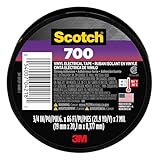
So, let’s talk about the actual mechanics of using electrical tape on a frayed charger cable. Electrical tape, in case you haven’t wrestled with it before, is made of vinyl. It’s stretchy, it’s got a decent adhesive, and importantly, it’s designed to be an electrical insulator. That’s its whole jam.
The idea behind wrapping it around a damaged cable is to create a barrier. This barrier is supposed to do a few things: first, to prevent the exposed wires from touching each other (which would cause a short circuit) or touching anything else (which could be you, or worse, something flammable). Second, to hold the damaged outer sheath together, providing some structural support to the weakened area.
It’s a temporary band-aid, a desperate attempt to keep the beast from dying completely. (See Also: Can I Use Electrical Tape To Connect Wires )
When you wrap electrical tape, you’re basically trying to recreate the protective layer that’s been compromised. You’ll want to start wrapping a good inch or two before the visible damage and continue an inch or two past it, overlapping each layer of tape as you go. This overlap is key for creating a solid, continuous barrier. Some people even recommend wrapping multiple layers, then maybe even adding a layer of regular packing tape over the electrical tape for extra durability. It’s a bit of a DIY MacGyver situation.
However, there are some serious limitations. Electrical tape, while insulating, isn’t designed for constant flexing and bending. Charger cables are constantly being bent, coiled, and pulled.
The adhesive on electrical tape can weaken over time, especially with heat generated from charging. This means the tape can loosen, unravel, or shift, exposing those wires again. Furthermore, if the damage is severe – meaning several inner wires are completely severed, not just exposed – tape isn’t going to magically reconnect them. It can only protect what’s already there and, to some extent, hold things together.
It’s a bit like trying to fix a broken bone with a sticker. It might keep the pieces from falling out, but it’s not going to mend the break.
My own experience has shown me that even a seemingly secure wrap can fail. I had a laptop charger cable start to fray near the brick. I carefully wrapped it with electrical tape. It held for a few weeks, but the constant weight of the cable hanging from my desk was too much. The tape started to peel away, and I noticed it getting warm to the touch. That was my cue to ditch it entirely. The risk of fire or damaging my laptop was just too high.
The Real Risks of a DIY Charger Fix
Let’s not sugarcoat this: messing with charger cables, especially when they’re damaged, carries real risks. The most obvious is electrical shock.
If you’ve exposed live wires and you’re touching them, or if the tape comes loose and the wires touch something conductive, you can get a nasty jolt. It might not kill you, but it’s certainly not a pleasant experience and can lead to burns or other injuries.
I once got a minor shock from a poorly insulated lamp cord, and it was enough to make me jump about three feet and swear off DIY electrical work for a while. Charger cables, especially those that carry higher voltages or currents for fast charging, can be even more dangerous if they’re compromised.
Beyond personal safety, there’s the risk of fire. Damaged insulation means exposed wires can short circuit. This can generate heat, and if that heat builds up in an enclosed space, like inside the cable’s sheath or near flammable materials, it can ignite. Think about charging your phone overnight on your bedside table, or leaving a laptop plugged in while you’re out. A faulty charger that overheats can easily start a fire. This is why official safety certifications, like UL listing, are so important for power adapters and cables. They’ve been tested to meet specific safety standards.
Another significant risk is damage to your expensive devices. Your phone, tablet, laptop, or smart home gadget is designed to receive power through a specific, stable connection. If your charger is intermittently working, or if it’s sending fluctuating voltage due to the damaged cable, it can damage the charging port or even the internal battery management system of your device. I’ve heard stories, and experienced it myself, where a cheap, failing charger seemed to “kill” a device’s charging port, making it impossible to charge with even a brand-new, perfectly good cable afterward. It’s like a domino effect, and the DIY fix can actually be the catalyst for more expensive problems.
Consider this: a brand-new USB-C cable for a modern laptop can cost anywhere from $15 to $40. A replacement power brick can be another $30-$80. A replacement phone might be hundreds, even thousands. The cost of a reputable replacement charger is almost always significantly less than the cost of repairing damage caused by a faulty one. So, while electrical tape might seem like a cheap, quick solution, the potential consequences far outweigh the minimal savings. The common advice to simply replace damaged chargers is usually the right advice, even if it stings the wallet.
When Tape might Be a Temporary Stopgap
Okay, I’m going to be brutally honest here. There are very specific, very limited scenarios where electrical tape might serve as a temporary, emergency stopgap for a charger. I’m talking about the ‘I absolutely need this to charge my phone for the next hour to make an important call, and there is literally no other option’ kind of situation. This is not a long-term solution. This is a ‘get out of jail free’ card that you only play when the stakes are incredibly high and your other options are zero. (See Also: Can Electrica Tape Catch On Fire )
The key is the nature of the damage. If the cable has a small nick, and you can see the outer insulation is damaged but none of the inner wires are exposed or frayed, then a careful application of electrical tape might prevent it from getting worse for a short period. You’re not fixing anything; you’re just trying to reinforce the outer layer to prevent further damage. The tape needs to be applied tightly, overlapping generously, and making sure it covers the entire damaged area and extends well beyond it. It needs to be smooth, with no wrinkles or gaps where moisture or debris could get in.
Even in these rare instances, you have to be incredibly vigilant. You should never leave a taped charger unattended, especially while it’s charging. Feel the cable periodically to make sure it’s not getting unusually warm. If you notice any signs of overheating, or if the tape starts to loosen or fray, you need to unplug it immediately. This is the kind of fix I’d use to get enough juice to call a taxi or order a replacement charger online, and then I’d immediately throw the taped cable away.
I have a friend who’s a bit of a tech hoarder and likes to see how long he can keep things running. He once managed to keep a very old Nintendo DS charger functional for about two weeks by meticulously re-wrapping it with electrical tape every couple of days after it started to unravel. But even he admitted it was a nerve-wracking process, and he always unplugged it before leaving the room. He also pointed out that the Nintendo DS doesn’t draw a massive amount of power, making it slightly less risky than, say, a laptop charger.
The consensus from people who know their stuff, and my own hard-won experience, is that if you can see any of the inner wires, the damage is too severe for tape to be a safe or effective repair. It’s just not worth the risk. You’re better off investing in a new, reputable charger. Trust me, I’ve learned this the hard way more than once.
What to Look for in a good Charger (and Cable)
Since we’re talking about chargers and their inevitable demise, let’s pivot to what you should be buying. Because, frankly, a lot of the chargers out there are trash. The key to avoiding the endless cycle of frayed cables and dead chargers is to invest in quality from the start. When you’re looking for a new charger and its accompanying cable, whether it’s for your phone, laptop, or anything else, there are a few things to keep your eyes peeled for.
First and foremost, look for reputable brands. This means sticking with the manufacturer of your device if possible (though their official accessories can be pricey) or well-known third-party brands that have a solid track record. Think Anker, Belkin, RAVPower, and similar companies that are known for producing reliable tech accessories.
Avoid the no-name brands you find on discount websites or in sketchy corner stores.
Next, check for safety certifications. This is important. Look for marks like UL, CE, FCC, and MFi (for Apple devices). These certifications indicate that the product has been tested by an independent body and meets safety and performance standards. A charger without any recognized certifications is a big red flag. According to the U.S. Consumer Product Safety Commission (CPSC), electrical products that lack these safety marks are more likely to be dangerous. It’s a simple way to filter out a lot of the junk.
When it comes to the cable itself, build quality is most important. Does it feel solid?
Does the connector end feel solid and well-seated in the cable? A good cable will often have reinforced stress points, especially where the cable meets the connector.
Many high-quality USB-C cables, for instance, will have a thicker, more flexible rubber or braided nylon housing around the connector to prevent the kind of fraying we’ve been discussing. Some even have a built-in LED indicator to show when they’re receiving power, which can be handy. I recently bought a braided USB-C cable from Anker, and the difference in feel compared to the generic one that came with a power bank was night and day.
It’s thicker, the connectors feel secure, and it’s survived being shoved into my backpack daily for months without a hint of damage. (See Also: Can I Substitute Duct Tape For Electrical Tape )
Here’s a quick comparison of what you might find:
| Feature | Budget/No-Name Charger | Reputable Brand Charger | My Verdict |
|---|---|---|---|
| Safety Certifications | Rarely present or faked | Prominently displayed (UL, CE, etc.) | A must for safety. |
| Build Quality (Cable) | Thin, plasticky, prone to fraying | Thick, reinforced, braided options available | Feels durable, lasts longer. |
| Connector Fit | Loose, wobbly, can damage port | Snug, secure, reliable connection | Prevents port damage. |
| Brand Reputation | Unknown, disposable | Known for reliability, customer support | Worth the extra few bucks. |
| Price | Very cheap | Slightly more expensive | Short-term savings cost more long-term. |
Ultimately, buying a good charger is an investment in your devices’ longevity and your own safety. Don’t skimp here.
Common Mistakes and How to Avoid Them
When it comes to charger maintenance and repair, there are a few classic blunders people make. The most obvious, and the one we’ve been circling, is believing that electrical tape is a permanent fix. It’s not. It’s a temporary band-aid, at best. Relying on it means you’re constantly taking a gamble with your devices and your home’s safety. The heat generated from charging, combined with the constant flexing of the cable, will eventually break down the adhesive and the tape itself, exposing those live wires again. It’s a ticking time bomb.
Another mistake is yanking the charger out of the wall by the cable itself. I’m as guilty as anyone, but it’s a habit that needs to be broken. The cable isn’t designed to withstand that kind of stress, and it’s a surefire way to damage the internal wires or the connection to the wall plug. Always grab the plug itself. It sounds simple, but it makes a huge difference in the lifespan of your chargers.
Overlooking minor damage is also a common pitfall. That tiny nick in the insulation might seem insignificant, but it’s often the beginning of the end. If you see any signs of wear and tear, no matter how small, it’s best to address it proactively.
This usually means replacing the charger, not trying to patch it up. I once ignored a small fray on a laptop charger for weeks, thinking it was fine. Then, one day, my laptop suddenly shut off and wouldn’t turn back on. It turned out the charger had completely failed, and while it didn’t permanently damage the laptop, it left me stranded without a working machine for two days while I waited for a replacement.
That’s a mistake I won’t make again.
People also often fall into the trap of buying the cheapest available replacement. As I’ve said, this is a false economy. Those super-cheap chargers and cables often lack proper safety features, use inferior components, and are more likely to fail prematurely. The money you save upfront is often lost in replacement costs and potential damage to your devices. Furthermore, not all USB-C cables are created equal. Some cheap ones might not support the fast-charging speeds your device is capable of, or they might not have the necessary circuitry to handle higher wattages safely. Always check the specs and certifications.
Finally, a mistake I’ve made myself is assuming all chargers are interchangeable. While many USB-A and USB-C chargers might physically plug into a device, they aren’t always compatible in terms of voltage and amperage. Using an underpowered charger might mean your device charges incredibly slowly or not at all. Using an incorrectly rated charger (though less common with modern devices that have smart charging protocols) could theoretically cause damage. Always try to match the charger’s output (usually listed in volts (V) and amps (A), or watts (W)) to your device’s requirements or use a charger specifically designed for it. This is especially true for high-power devices like laptops and gaming consoles.
Can Electrical Tape Cause a Fire When Used on a Charger?
Yes, there’s a risk, though it’s not guaranteed. If the electrical tape loosens or fails, exposed wires can short circuit, generating heat. This heat can ignite the tape, the cable’s insulation, or nearby flammable materials, potentially starting a fire. It’s why using tape is a dangerous gamble.
Is It Safe to Wrap a Frayed Phone Charger with Electrical Tape?
It is generally not safe. While electrical tape provides insulation, it’s not a permanent repair and is not designed for the constant flexing and heat a charger cable endures. The tape can loosen, exposing wires and creating risks of shock or fire, and it won’t fix severed internal wires.
What Should I Do Instead of Using Electrical Tape on a Charger?
The safest and most reliable solution is to replace the damaged charger entirely with a new, reputable one. If the cable is detachable, you might be able to replace just the cable, but always make sure it’s compatible and certified for your device.
Final Thoughts
So, can electrical tape fix a charger? The blunt, honest answer is no, not really, and certainly not in a way that’s safe or reliable long-term. It’s a Hail Mary pass, a temporary fix for an emergency that should be treated with extreme caution. My advice? Save yourself the stress, the potential fire hazard, and the risk of damaging your expensive gadgets. When you see that fraying, that’s your cue to invest in a new, quality charger.
Don’t be like me, wasting time and money on dubious repairs. Think of it this way: the cost of a good replacement charger is a fraction of the cost of a new phone or a house fire. So, next time you’re tempted to reach for that roll of electrical tape, resist the urge. Take the sensible route, prioritize your safety, and buy a new charger. Your future self, and your devices, will thank you.