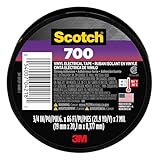
I remember the first time I tried to fix a wiring harness on my old Civic with nothing but a roll of black electrical tape. Seemed like a solid, cheap solution, right? Wrong. Within a month, that tape had turned into a gooey, sticky mess that looked like melted licorice. It made me seriously wonder: can electrical tape melt next to an engine?
The short answer is a resounding yes, and it’s a problem a lot of us DIY mechanics run into without realizing it. Most people think electrical tape is just tape, but when you’re dealing with the kind of heat an engine bay throws around, you need to know what you’re actually using.
Forget what you’ve seen in movies or cheap repair guides. This isn’t about making things look pretty; it’s about making them work and not starting a fire.
Why Standard Electrical Tape Fails Under Heat
Look, standard vinyl electrical tape is great for its intended purpose: insulating electrical connections that aren’t going to see much more than room temperature. Think inside a wall outlet or a junction box in your house. It’s designed to be flexible, stretchy, and stick well to itself and smooth surfaces. But stick it next to a combustion engine, especially on a hot day or after a long drive, and you’re asking for trouble. The vinyl plasticizers that make it so pliable start to break down when the temperature climbs. We’re talking about temperatures that can easily exceed 150-200°F (65-95°C) just from ambient heat, and much, much higher near exhaust manifolds or turbos.
I learned this the hard way when a fan shroud wire I’d ‘secured’ with regular tape started drooping like a sad, wilted flower. The heat radiating from the block and the exhaust pipe had basically softened the vinyl until it lost all structural integrity. It wasn’t just melting; it was oozing. This goo then dripped onto other components, attracting dirt and making a general mess. Worse, it exposed the wires it was supposed to be protecting. For a while, I thought maybe I just got a bad batch of tape. Nope. It’s the nature of the beast for most cheap, generic electrical tapes. They simply aren’t formulated for the extreme temperatures found under the hood of a car.
People often grab the cheapest roll they can find at the auto parts store, assuming all electrical tape is created equal. That’s a mistake that costs time and money down the line. The adhesive starts to fail, the tape itself gets brittle or gooey depending on the specific formulation and heat exposure, and you end up with a worse problem than you started with. The common advice is to just wrap it tight and forget it, but that advice is dangerously incomplete when you’re talking about an engine bay.
What you need is tape specifically designed for high temperatures. I’ve seen folks try to use duct tape in a pinch too, which is even worse – that stuff turns into a sticky tar-like substance that’s a nightmare to clean up. The key is understanding the material science behind the tape. Vinyl, PVC, rubber – they all react differently to heat. Standard electrical tape is usually a PVC base with a rubber-based adhesive. The PVC can soften and deform significantly at temperatures most engine bays easily reach.
What Actually Works: High-Temperature Tapes and Alternatives
So, if standard electrical tape is out, what’s the go-to? For serious automotive work, especially in areas prone to heat, you need to step up to specialized tapes. The most common and effective option is high-temperature vinyl tape. Brands like 3M Super 33+ or 3M Temflex 1700 are a step up, offering better heat resistance than your bargain-bin stuff, but they still have limits. For really hot zones, like near exhaust headers or turbochargers, you’re looking at tapes with higher temperature ratings, often made from silicone or specialized polymers. These can handle temperatures well over 200°F (93°C), sometimes up to 300°F (149°C) or more, depending on the product.
My personal favorite for serious applications is a silicone-self-fusing tape. It’s not technically an adhesive tape; it fuses to itself under tension, creating a solid, waterproof, and heat-resistant sheath. It feels a bit like a thick, stretchy rubber band.
You stretch it as you wrap, and it bonds to itself, forming a smooth layer. This stuff is fantastic for insulating high-heat wiring or even creating temporary, leak-proof seals on hoses (though I wouldn’t rely on it for important fluid lines long-term). (See Also: Can I Use Electrical Tape To Connect Wires )
It doesn’t melt; it just gets a bit softer and more pliable when hot, but it maintains its integrity. It’s a bit more expensive per roll than regular tape, but you use less, and it lasts infinitely longer in harsh environments.
Another option that’s often overlooked is heat-shrink tubing. While not tape, it’s a very common way to insulate and protect wires. You slide a piece of tubing over the wire, then use a heat gun to shrink it down, creating a snug, durable seal. High-temperature versions are available and are excellent for protecting wires from heat and abrasion. For truly extreme applications, folks use things like fiberglass sleeving or even specialized ceramic-impregnated wraps. These are overkill for most everyday repairs but key for high-performance builds or competition vehicles.
When I was working on a project car that had headers running right next to a important sensor wire, I experimented with a few things. Regular tape disintegrated. Silicone tape held up, but I still felt a bit uneasy. Ultimately, I went with a high-temperature fiberglass sleeving that I then secured with a few strategically placed high-temp zip ties. It looked professional and, more importantly, kept that wire safe from the inferno just inches away. It’s about choosing the right tool for the environment, not just grabbing the easiest one.
Common Mistakes and Why They Happen
The biggest mistake, as I’ve hammered home, is using the wrong tape for the job. People see ‘electrical tape’ and assume it’s all good for any electrical job. This is a dangerous oversimplification. The auto parts store aisle is full of rolls that look identical but have wildly different temperature ratings and material compositions. Grabbing the cheapest, brightest colored roll because it’s on sale is a classic recipe for disaster under the hood.
Another common error is not preparing the surface properly. Even with the right tape, if the wires are greasy, oily, or dusty, the adhesive won’t bond well. This leads to the tape peeling or sliding off, exposing the connection. Cleaning the area with an appropriate solvent (like brake cleaner or electrical contact cleaner, making sure it’s safe for the surrounding materials) is a small step that makes a huge difference. Let it dry completely before applying any tape or sleeving.
Overlapping tape poorly is another issue. You want a consistent, even overlap of about 50%. Too little overlap and you have gaps for heat and dirt to get in. Too much in one spot can create an uneven surface that might snag or peel. When wrapping, try to keep the tension consistent. It’s easy to get lazy and just slap it on, but that leads to a weak, unprofessional-looking job that’s likely to fail.
I once saw a friend’s wiring harness where someone had clearly used a regular roll of tape, and it had melted and sagged so badly that it had actually fused to a rotating pulley. That was a bad day. The tape had become this sticky, gooey mess that was impossible to remove without damaging the pulley and the wires underneath. He ended up having to replace the whole section of harness and get a new pulley. All because of cheap tape and a lack of understanding of the heat involved. It’s these kinds of experiences that really drive home the importance of using the right materials.
What About Using Tape on Exhaust Pipes?
Absolutely not. Electrical tape, even high-temperature versions, is not designed for the direct, extreme heat of exhaust components like pipes, mufflers, or manifolds. These parts can reach temperatures of 600°F (315°C) and much higher. Electrical tape would melt, burn, and potentially catch fire. For exhaust repairs, you need specialized exhaust wrap made of fiberglass or basalt fibers, or metal shielding.
A Real-World Scenario: Troubleshooting a Sensor Wire
Let’s walk through a situation where understanding tape matters. Say your check engine light comes on, and the code points to an oxygen sensor issue. You check the sensor itself, and it looks fine. Next, you trace the wiring harness leading to it. You notice a section of the wire loom running close to the exhaust manifold. There’s a spot where the outer protective loom looks a bit frayed, and a few inches away, you see some black goo dripping down the side of the engine block. (See Also: Can Electrica Tape Catch On Fire )
This is your smoking gun. The goo is melted electrical tape. Someone, at some point, likely tried to repair a minor abrasion or secure a loose wire in that area using standard vinyl electrical tape. The heat from the manifold has cooked that tape, causing it to fail. Now, not only is the tape a mess, but the underlying wires are likely exposed and vulnerable to further heat damage, vibration, or shorting out against the engine block or exhaust. The frayed loom indicates the abrasion might have been there for a while, and the tape was a temporary, ultimately failed, fix.
What you should do in this scenario is clean up the melted mess (carefully, it can be sticky and hot). Then, you need to properly repair the wire insulation.
If the wires are just frayed but not broken, you’d carefully strip back the damaged insulation, then re-insulate each wire individually using high-temperature heat-shrink tubing. Once both wires are insulated, you’d typically use a high-temperature vinyl tape (rated for at least 200°F/93°C) to wrap over the heat-shrink tubing, providing an extra layer of protection and bundling the wires neatly. If the wires are completely broken, you’d need to splice them using appropriate connectors and then insulate the splice with heat-shrink and high-temp tape. This approach addresses the immediate problem and prevents future failures due to heat exposure.
High-Temp Tape vs. Heat Shrink: When to Use What
Choosing between high-temperature tape and heat-shrink tubing often comes down to the specific application and how much physical protection you need. Heat-shrink tubing is generally more solid and provides a cleaner, more permanent-looking finish. It’s excellent for individual wire insulation, sealing splices, or protecting connectors. Once shrunk, it forms a hard, protective shell that’s resistant to abrasion, chemicals, and heat. For areas where wires are subjected to a lot of rubbing or potential impact, heat shrink is often the superior choice.
High-temperature tape, on the other hand, offers more flexibility and is easier to apply in tight or complex areas where sliding on a heat-shrink tube might be difficult. It’s also great for bundling multiple wires together or for reinforcing existing looms. Some tapes, like the silicone-self-fusing kind, are fantastic for creating a smooth, waterproof seal over irregular shapes or damaged areas. They can also be applied as a protective layer over heat-shrink tubing for added durability in very harsh environments.
Here’s a quick rundown of my personal preferences:
| Application | Preferred Method | Reasoning |
|---|---|---|
| Individual wire insulation (general) | Heat-shrink tubing | Clean, durable, good protection. |
| Wire splices | Heat-shrink tubing + crimp connector | Secure connection, excellent insulation. |
| Bundling multiple wires in a moderate heat zone | High-temperature vinyl tape | Flexible, easy to apply, good adhesion. |
| Protecting wires near exhaust manifold (moderate distance) | Heat-shrink tubing + High-temp tape wrap | Dual protection against heat and abrasion. |
| Creating a solid, waterproof seal on a damaged loom | Silicone self-fusing tape | Conforms to shape, fuses into a solid layer. |
| Securing looms or protecting against vibration | High-temp tape or specialized loom clamps | Tape offers a cushioned grip; clamps are for structural security. |
It’s not about one being universally better than the other. It’s about understanding their strengths and weaknesses. For instance, if you have a frayed wire loom that’s getting hot, simply wrapping it with more electrical tape is a ticking time bomb. You’d be better off replacing the damaged section of loom if possible, or at the very least, using heat-shrink tubing on the individual wires and then wrapping the entire section with a durable, high-temperature tape to mimic the loom’s protection.
Practical Tips for Engine Bay Wiring
When you’re working on wiring in an engine bay, always disconnect the battery first. It seems obvious, but in the rush to fix something, it’s sometimes forgotten. Sparks near flammable fluids or wiring are a bad scene. Also, work in good light. Engine bays are notorious for dark, cramped spaces where it’s easy to miss a important detail or accidentally damage something.
When you’re using tape, whether it’s high-temp vinyl or self-fusing silicone, apply it with consistent tension. This is especially important for the self-fusing types – if you don’t stretch them, they won’t bond properly. For vinyl tapes, too much tension can cause them to stretch too thin and lose their insulating properties, while too little won’t create a good seal. Aim for a smooth, even wrap. Cleanliness is also key – wipe down the area with a degreaser or contact cleaner and let it dry before you start taping. You want that adhesive to bite into a clean surface. (See Also: Can I Substitute Duct Tape For Electrical Tape )
Consider the actual heat source. Is it constant radiant heat from the exhaust? Is it intermittent heat from the engine block cycling on and off? Or is it heat from airflow and friction? Each scenario might call for a slightly different approach. For wires that run directly alongside exhaust headers, you might need more than just tape – think about sleeving, shielding, or rerouting the wire if possible. Always check the manufacturer’s specifications for any tape you buy. They’ll list the temperature range, and you need to make sure it exceeds the ambient temperature of its installation location by a good margin. Don’t just guess; look it up.
Finally, don’t be afraid to use a combination of methods. Heat-shrink for the individual wires, then a wrap of high-temp tape for added protection and bundling. Or, use a protective loom and secure it with specialized loom clamps instead of tape if it’s a high-vibration area. It’s about creating a layered defense for your wiring. I’ve seen many older cars with wiring that’s practically falling apart because the previous owners just slapped tape on it whenever something came loose. It’s a maintenance task that many overlook, but good wiring is the backbone of a reliable vehicle.
People Also Ask
What Temperature Can Electrical Tape Withstand?
Standard vinyl electrical tape typically has a temperature rating of around 176°F (80°C). Some higher-quality tapes might go up to 220°F (104°C). However, the adhesive can start to soften and fail at lower temperatures, especially with prolonged exposure. For automotive applications near an engine, these ratings are often insufficient.
Is It Safe to Use Electrical Tape on Engine Wires?
It’s generally not recommended to use standard electrical tape directly on engine wires that are exposed to significant heat. While it might insulate for a while, the heat will eventually cause it to degrade, melt, and fail. Using high-temperature rated tapes or heat-shrink tubing specifically designed for automotive environments is a much safer and more reliable solution.
What Is the Best Tape for Car Engine Bay?
The best tape for a car engine bay depends on the specific location and temperature exposure. For general wiring, high-temperature vinyl tape (rated for at least 200°F/93°C) is a good choice. For areas with extreme heat, like near exhaust components, silicone self-fusing tape or fiberglass sleeving is more appropriate. Always check the product’s temperature rating and intended use.
Can Heat-Shrink Tubing Melt?
High-quality heat-shrink tubing is designed to withstand significant heat, typically well above the operating temperatures found in an engine bay. While it can melt if exposed to direct flame or extreme temperatures far exceeding its rating, it is generally very solid and much more heat-resistant than standard electrical tape. Specialized high-temperature versions offer even greater resilience.
Conclusion
So, to circle back to the original question: can electrical tape melt next to an engine? Absolutely, and it’s a common pitfall. That cheap roll from the corner store is fine for a quick fix on a lamp cord, but under the hood, it’s a ticking time bomb.
The key takeaway is to use materials designed for the environment. High-temperature vinyl tape, silicone self-fusing tape, and heat-shrink tubing are your friends in the engine bay. They cost a little more upfront, but they save you headaches, potential damage, and the dreaded sticky mess of melted tape later on.
Next time you’re under the hood and reach for tape, take a moment to think about the heat. Make the right choice, and your wiring will thank you for it.