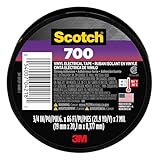
I remember a scorching summer day years ago, trying to fix a frayed wire on my old lawnmower. In a panic, I grabbed the roll of black tape from the junk drawer, convinced it was the magic bullet. It wasn’t. Within minutes, it started to droop, then melt, leaving a sticky, gooey mess that was worse than the original problem. This whole situation got me wondering: can electrical tape resist heat, really? It’s a question many of us have probably asked when facing a DIY emergency, and the answer isn’t as simple as a yes or no.
The truth is, ‘electrical tape’ is a broad term, and not all of it is created equal, especially when it comes to thermal performance. We’ve all seen those cheap rolls that buckle under the slightest warmth, but there are tapes out there built to handle some serious temperature swings. Let’s cut through the marketing fluff and get down to what actually works and what’s just a waste of your hard-earned cash.
What’s Actually in That Roll of Tape?
Look, the reason you’re probably asking ‘can electrical tape resist heat’ is because you’ve probably had a bad experience. I know I have. That cheap stuff you get at the dollar store? It’s usually made of PVC (polyvinyl chloride) and a basic adhesive. PVC is… fine. It’s cheap, it’s insulating, and it stretches reasonably well. But its heat resistance is pretty lousy. We’re talking maybe 150-175°F (around 65-80°C) before it starts to get soft and lose its grip. For most indoor, low-voltage stuff, that’s perfectly adequate. Think wrapping up a lamp cord or tidying up some speaker wire in the living room. No sweat.
But plug that same tape into an engine bay, wrap a wire near a furnace, or use it on a circuit that actually gets warm, and you’re asking for trouble. The plasticizers in the PVC start to break down, the tape gets sticky, and the adhesive can turn into a nasty, gooey residue that’s a nightmare to clean up. I once tried to tape a wire harness on an old ATV, and after a few hot rides, the tape oozed down and gummed up a rotating part. Big mistake. Cost me a weekend and a fair bit of aggravation to sort out.
The key differentiator, when we talk about tapes that can handle heat, is the material and the adhesive formulation. Higher-end electrical tapes often use materials like EPR (ethylene propylene rubber) or silicone. These polymers have much higher thermal stability.
EPR, for instance, can often withstand temperatures up to 200°F (93°C) or more, and some specialized tapes go even higher. Silicone-based tapes are even better, capable of handling continuous temperatures of 300-350°F (150-175°C) and sometimes even higher in short bursts.
The adhesive also plays a huge role. Cheaper tapes use rubber-based adhesives that soften dramatically with heat. Better tapes use synthetic adhesives designed to maintain their bond across a wider temperature range.
It’s the combination of the backing material and the adhesive that dictates how well your tape will perform when things get hot.
When ‘electrical Tape’ Isn’t Enough: The Heat Factor
Here’s the blunt truth: the generic, black, stretchy stuff most people think of as ‘electrical tape’ is mostly for low-temperature, low-voltage applications. If your project involves anything that gets genuinely hot – like engine compartments, heating ducts, or even just a busy power strip overloaded with chargers – you’re going to need something more solid. Trying to use standard PVC tape in these situations is like trying to put out a grease fire with a water pistol. It’s just not designed for it, and you’ll end up with a melted mess and a potential safety hazard.
I’ve seen people try to use standard electrical tape to insulate exhaust pipe heat shields or wrap wires near a car’s turbocharger. It’s a recipe for disaster. The tape will degrade, become brittle, and eventually fail, exposing the wires. This can lead to short circuits, fires, or just a breakdown of whatever system you were trying to fix. The common advice you’ll find online often lumps all electrical tape together, but that’s a disservice. We need to be specific about temperature ratings.
So, when does standard tape fail? Think about the temperature of a car engine on a hot day, or a light fixture that’s been on for hours. Many standard PVC tapes have a maximum operating temperature of around 176°F (80°C). That might sound like a lot, but many engine components, especially near the exhaust manifold or turbo, can easily exceed 300°F (150°C). Even ambient temperatures inside a car on a sunny day can push temperatures well over 150°F (65°C). If you’re dealing with anything that regularly gets above 100-120°F (38-49°C), you should be looking at specialized high-temperature electrical tapes. (See Also: Can Black Electrical Tape Be Used To Connect Wires )
This is where the market gets a bit confusing. You’ll see terms like ‘high-temperature tape,’ ‘self-fusing silicone tape,’ and ‘VHB tape.’ While VHB (Very High Bond) tapes are fantastic adhesives, they aren’t always your go-to for extreme heat insulation. Self-fusing silicone tapes, on the other hand, are often excellent for heat resistance and create a waterproof, insulating seal. They don’t stick to themselves like traditional tape, but rather fuse into a solid rubbery mass. They are often rated for much higher temperatures than your average PVC tape.
What to Look for: Beyond the Black Roll
When you’re faced with a situation where heat is a factor, you need to stop thinking about the cheap roll in your toolbox and start looking at the specs. The most important thing is the temperature rating. It’s usually listed in degrees Fahrenheit or Celsius, and it will tell you the maximum continuous operating temperature the tape can handle. Don’t just look at the peak temperature; look at the continuous rating.
For basic DIY jobs where things might get a little warm, but not scorching hot, look for tapes rated around 176°F (80°C) to 200°F (93°C). Brands like 3M’s Super 33+ or Scotch 88 are generally good all-arounders and can handle a decent amount of abuse, but they still have limits. If your application is near an engine, a heat pump, or anything that consistently runs hot, you’ll need tapes rated for 250°F (121°C) and up. This is where you start looking at materials like vinyl compounds specifically formulated for higher temps, or specialized tapes like silicone or fiberglass-based ones.
Here’s a quick rundown of what to expect:
| Tape Type | Typical Max Temp (°F) | Typical Max Temp (°C) | Common Uses | Verdict |
|---|---|---|---|---|
| Standard PVC | ~176°F | ~80°C | Low-voltage indoor wiring, general insulation | Okay for light duty, avoid heat |
| High-Temp Vinyl | ~200-220°F | ~93-104°C | Automotive wiring, appliance repair | Better, but still has limits |
| Silicone Rubber | ~300-350°F | ~150-175°C | High-temp wire insulation, engine bay repairs | Excellent for serious heat |
| Fiberglass/Varnished | ~400°F+ | ~200°C+ | Industrial motors, high-heat electrical components | Industrial grade, overkill for most DIY |
Don’t get caught out by vague descriptions. If a tape doesn’t clearly state its temperature rating, assume it’s not suitable for high-heat applications. I once bought a roll of ‘heavy-duty’ electrical tape that was supposed to be for automotive use. It looked tough, but it melted like butter around my exhaust manifold. Turns out, ‘heavy-duty’ just meant thicker PVC, not better heat resistance. It’s the polymer science that matters.
Another thing to consider is the adhesion. Even a high-temperature tape is useless if the adhesive fails. Look for tapes known for good adhesion, especially in challenging environments. Some tapes use specialized adhesives that are less prone to oozing or drying out over time, which is important for long-term reliability.
Common Mistakes and How to Avoid Them
The biggest mistake I see people make, and one I’ve definitely made myself, is assuming all electrical tape is created equal. This leads to using the wrong tape for the job, which is a gamble you don’t want to take when it comes to electrical work and heat. That cheap, generic roll is fine for bundling cables behind your TV, but it’s a ticking time bomb near an engine or a heat source.
Another common pitfall is not cleaning the surface properly before applying the tape. Whether it’s standard PVC or a high-temp silicone tape, applying it over dirt, grease, or oil will severely compromise its adhesion. This is even more important in high-heat applications where the adhesive is already under stress. I learned this the hard way trying to tape a leaky hose connection under the hood of my truck. It looked good for about a week, then it started to peel away because I hadn’t degreased the area properly. Lesson learned: clean surfaces are a must.
Overstretching the tape is another rookie error. While some electrical tapes are designed to stretch and conform to irregular shapes, overstretching can thin out the material too much, making it weaker and more prone to tearing or losing its insulating properties, especially when heated. You want a snug fit, but you don’t want to stretch it so thin that you can almost see through it. This is particularly true for tapes that rely on their thickness for insulation. Aim for a few overlapping layers to build up a solid barrier.
Finally, people often don’t use enough tape. Just a single wrap might seem like enough, but for any application involving heat or vibration, multiple layers are key. Each layer provides an additional barrier and helps to secure the previous layer. For higher-temperature applications, I usually recommend at least three or four overlapping layers, making sure good coverage of the connection or wire being insulated. This builds a more durable and reliable seal that’s less likely to fail under stress. (See Also: Can Electrical Tape Be Used Instead Of Wire Nuts )
Real-World Uses: Where It Matters
Let’s talk about where using the right tape actually makes a difference. In the automotive world, heat resistance is most important. Engine bays are nasty environments. You’ve got oil, fuel, vibrating components, and a whole lot of heat.
Standard electrical tape will disintegrate in no time. For wiring harnesses, sensor connections, or even temporary repairs on hoses (though I don’t recommend permanent hose fixes with tape), you need high-temperature tapes. Silicone self-fusing tape is a godsend here.
It wraps tightly, bonds to itself, and creates a smooth, waterproof, and heat-resistant barrier. I used it to insulate a wire that was rubbing against a hot exhaust manifold on my old pickup. It held up for years through multiple inspection cycles without a single issue.
Another area is around home appliances and HVAC systems. Think about the wiring behind a dishwasher, near a dryer vent, or around a furnace. These areas can get surprisingly warm. Using a tape rated for at least 200°F (93°C) is a good idea. I’ve seen melted PVC tape cause short circuits in washing machines, which is never a fun repair. For more demanding applications, like repairing the wiring harness on a heating element in an oven or a space heater, you’ll want something that can handle 300°F (150°C) or more. This is where you’d look at specialized vinyl tapes or even wrap-around heat-shrink tubing that’s rated for higher temperatures.
Beyond just insulating wires, high-temperature tapes can be used for bundling hot components. Imagine trying to keep a bundle of wires neat and tidy near a motorcycle engine or a power supply unit.
Standard tape will droop and get sticky. A good quality high-temperature tape will maintain its integrity and keep things organized. Similarly, for temporary fixes on metal components that get hot, like exhaust shields or heat shields on machinery, a high-temperature tape can provide a quick, albeit temporary, solution.
I once used some industrial-grade fiberglass tape to reinforce a cracked heat shield on a generator. It wasn’t pretty, but it did the job and stopped the annoying rattle for a good few months before I could get a proper replacement.
The key takeaway is that if there’s a significant heat source involved, or if the ambient temperature is consistently high, you need to consult the tape’s specifications. Don’t guess. Don’t assume. The difference between a tape that lasts for years and one that fails in a week is often just a few dollars more for the right material. This is especially true for anything safety-related, where a failed connection could have serious consequences.
People Also Ask:
Can Electrical Tape Melt?
Yes, standard electrical tape, particularly the common PVC type, can melt. Its adhesive and plastic components are not designed to withstand high temperatures, and when exposed to heat above its rating (typically around 176°F or 80°C), it can soften, become sticky, and eventually degrade or melt, losing its insulating and adhesive properties. Specialized high-temperature electrical tapes are formulated to resist melting at much higher temperatures.
What Temperature Can Electrical Tape Withstand?
The temperature range electrical tape can withstand varies significantly by type. Standard PVC electrical tape typically has a maximum operating temperature of around 176°F (80°C). High-temperature vinyl tapes might go up to 220°F (104°C), while silicone-based tapes can often handle continuous temperatures of 300-350°F (150-175°C), and some industrial tapes made from materials like fiberglass can withstand 400°F (200°C) and above. Always check the product’s specifications for its exact temperature rating. (See Also: Can Electrical Insulation Tape Catch Fire )
What Is the Best Heat-Resistant Electrical Tape?
The ‘best’ heat-resistant electrical tape depends on the specific application and temperature requirements. For most demanding automotive and industrial applications involving significant heat, silicone-based self-fusing tapes are excellent choices due to their high temperature resistance (often 300-350°F or 150-175°C) and ability to form a waterproof, insulating seal. For less extreme but still lifted temperatures, high-temperature vinyl tapes are a good, more affordable option. Always look for tapes with clear, high temperature ratings suitable for your project.
Practical Tips for Using Heat-Resistant Tape
When you’re dealing with higher temperatures, it’s not just about buying the right tape; it’s also about how you use it. First off, always buy from reputable brands. I’ve learned the hard way that the cheapest option often ends up costing more in the long run due to failures and the hassle of redoing the job. Brands like 3M, Scotch, and Permacel generally have reliable products with clearly stated specifications. Don’t be afraid to spend a little extra for quality, especially when heat is involved.
When applying, make sure the surface is clean and dry. I can’t stress this enough. Any grease, oil, or dirt will compromise the bond. For automotive or engine bay applications, a good degreaser and a clean rag are your best friends. Wipe it down, let it dry completely, and then apply the tape. Also, apply the tape with consistent tension. You want it snug, but you don’t want to stretch it so much that it becomes too thin or loses its adhesive properties prematurely. Overlap each layer by about half to make sure a solid, continuous seal.
For really hot applications, like insulating wires near an exhaust manifold, consider using a combination of solutions. Sometimes, wrapping the wire with heat-shrink tubing first, and then applying a high-temperature tape over that, provides the ultimate protection. Heat-shrink tubing offers a primary layer of insulation and protection, and the tape adds an extra barrier against abrasion and additional heat. If you’re using self-fusing silicone tape, make sure you stretch it as you apply it. This is how it fuses to itself, creating that solid, cohesive layer. Don’t just wrap it loosely; pull it taut as you go around the wire or connection.
Finally, always consider the environment where the tape will be used. Is it exposed to UV light? Is it constantly in contact with chemicals like oil or fuel? While heat is your primary concern, these other factors can also degrade tape over time. Most high-temperature tapes are designed to be more resistant to these elements, but it’s worth keeping in mind. And always, always double-check the temperature rating against your expected operating temperatures. Better to be a little overkill than to have it fail when you need it most.
One last thing: don’t expect miracle cures from basic electrical tape. I tried to use standard black tape to seal a leaky exhaust pipe clamp once, thinking the heat would ‘melt’ it into place. It just made a black, gooey mess that dripped everywhere and didn’t seal anything. It was a perfect example of using the wrong tool for the job, and I paid for that mistake with a smoky exhaust for a few days until I could properly fix it. For heat, you need specialized tape.
Final Thoughts
So, can electrical tape resist heat? The short answer is: some can, and some really, really can’t. The cheap, generic rolls you find everywhere are mostly for low-stress, low-temperature jobs. If your project involves anything that gets noticeably warm, or if it’s located in an area that experiences significant heat buildup, you absolutely need to look beyond the standard black tape.
Investing in a high-temperature rated tape, like silicone or specialized vinyl compounds, is not just about getting a better result; it’s about safety and reliability. I’ve learned through painful experience that skimping on the right material when heat is a factor is a gamble that rarely pays off. Always check the temperature specifications, clean your surfaces, and apply it properly with overlapping layers.
Next time you’re facing a wiring job near an engine, a heater, or anything that radiates warmth, remember this. Don’t just grab the first roll you see. Take a moment to check if your electrical tape can resist heat for the environment it’s going into. It could save you a lot of headaches, and potentially a lot worse.