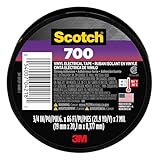
I’ve seen some questionable hacks in my time, and one that always makes my eye twitch is the idea of slapping electrical tape on a heat press platen. I mean, come on. We’re talking about intense heat, pressure, and delicate materials. So, before you go thinking, ‘can I put electrical tape on top my heat press’ as a quick fix, let’s have a real talk.
I remember one time, a buddy swore he’d found the ultimate shortcut to protect his press. He grabbed a roll of the ubiquitous black stuff and went to town. The result? A melted, gooey mess that took hours to clean and ruined a perfectly good transfer. It’s not just about aesthetics; it’s about performance and, frankly, fire safety.
This isn’t rocket science, but it does require understanding what your heat press is doing and what materials can actually handle that environment. Stick around, and I’ll tell you why this is a bad idea and what you should be using instead.
Why Electrical Tape Is a Recipe for Disaster
Let’s just rip the band-aid off: no, you really shouldn’t put electrical tape on top of your heat press platen. The common advice you might stumble across online suggesting it’s a suitable substitute for proper heat-resistant materials is, frankly, garbage. I’ve wasted money on products that overpromised, and I’ve learned the hard way what actually works. Electrical tape falls squarely into the ‘what definitely does not work’ category.
The fundamental problem lies in its composition and intended use. Electrical tape is designed to insulate wires from electrical shock and prevent short circuits. It’s made of PVC (polyvinyl chloride) and an adhesive. While it has some degree of flame retardancy and can handle moderate temperatures, it is NOT designed for the sustained, high temperatures—often 300°F to 400°F (150°C to 205°C)—that a heat press operates at. When that PVC gets hot enough, it softens, melts, and can degrade. This isn’t a gentle softening; it’s a gooey, sticky transformation that is a nightmare to clean and can permanently damage your heat press’s platen, and worse, your garments or transfer materials.
Imagine this: you’re pressing a vibrant sublimation design onto a polyester shirt. The heat press is cranked up to 375°F. That electrical tape, instead of protecting your press, starts to break down. The adhesive turns into a sticky goo, and the plastic itself can start to char or even off-gas unpleasant fumes.
This melted mess can transfer onto your transfer paper, leaving unsightly black streaks or splotches on your hard work. Then, you’ve got to spend precious time scraping, using solvents, or even potentially sanding down your platen to remove the residue.
It’s a situation that turns a productive crafting session into a frustrating, time-consuming ordeal. I’ve seen it happen, and trust me, it’s not worth the few bucks you save on a roll of tape.
Furthermore, electrical tape isn’t a smooth, consistent surface. Even when new, it has a texture. When heated, it can become even less predictable. This inconsistent surface can lead to uneven pressure application during your press, which means uneven heat transfer. For crafts like sublimation or HTV (heat transfer vinyl) application, consistent pressure and temperature are a must for professional-looking results. A lumpy, melting layer of PVC is the antithesis of that consistency.
The whole idea of using electrical tape often stems from a misunderstanding of what heat-resistant materials actually do. They aren’t just there to stop things from burning; they’re there to provide a stable, non-stick, evenly conductive surface that can withstand the specific demands of heat transfer. Electrical tape simply isn’t engineered for that job. It’s like trying to use a spatula to hammer a nail – wrong tool, wrong job, and you’re likely to break something.
What to Use Instead: The Real Heat Press Protectors
Alright, so if electrical tape is a hard no, what are you supposed to use to protect your heat press platen and make sure clean, crisp transfers? This is where you need to invest in materials specifically designed for heat application. Think of them as your heat press’s personal protective gear. The two most common and effective options are parchment paper and heat-resistant tape, often called Teflon sheets or heat press paper.
Parchment paper, the kind you use in the kitchen for baking, is a surprisingly decent intermediate layer. It’s not perfect, but it can offer a bit of protection against ink blow-out or adhesive bleed-through, especially for simpler HTV applications. However, it’s a single-use item and can wrinkle or tear under intense pressure and heat, potentially causing issues if it folds onto your transfer. I’ve used it in a pinch, and it’s okay for basic vinyl, but for sublimation or anything requiring precise detail, I wouldn’t rely on it solely. (See Also: Can I Use Electrical Tape To Connect Wires )
The real workhorses are heat-resistant sheets. You’ll often hear them referred to as ‘Teflon sheets,’ though actual Teflon (PTFE) isn’t always the primary material.
More commonly, these are made of fiberglass coated with silicone or PTFE. They are designed to withstand very high temperatures—often well over 500°F (260°C)—and provide a slick, non-stick surface. This is important for several reasons.
Firstly, it prevents any ink or adhesive from sticking directly to your heat platen, making cleanup a breeze. If a bit of ink does happen to bleed through your transfer paper, it lands on the sheet, not your press. Secondly, it creates a smooth, even surface for pressing, promoting consistent heat and pressure distribution. This is vital for achieving professional-looking results with all types of transfers, from HTV to sublimation.
I’ve got a couple of these sheets, one thicker one for general use and a thinner one for more delicate applications. They’ve saved my press from countless potential disasters.
Then there’s heat-resistant tape. This is NOT electrical tape. This is specifically designed tape, often made of heat-resistant polyimide film with a silicone adhesive.
It can withstand the high temperatures of a heat press without melting or leaving sticky residue. Its primary purpose is to hold your transfer materials (like sublimation paper or HTV designs) in place on your garment or substrate during the pressing process.
This prevents shifting, which is a common cause of blurry or doubled images, especially with sublimation. I’ve tried a few brands, and some adhesives are stickier than others, which can be good or bad depending on the fabric.
The key is that it doesn’t disintegrate at press temperatures. I paid about $12 for a roll of decent quality heat tape a few months back, and it’s lasted me ages.
Here’s a quick rundown of what you should be reaching for:
| Material | Pros | Cons | Verdict |
|---|---|---|---|
| Parchment Paper | Inexpensive, readily available, decent for basic vinyl. | Not ideal for high-temp sublimation, can wrinkle/tear, single-use. | Okay for quick, low-stakes jobs. Not a long-term solution. |
| Heat-Resistant Sheet (Teflon/Silicone/PTFE) | High temp resistance, non-stick, reusable, protects platen, even surface. | Initial cost can be higher than paper. | A must-have for serious crafters. Invest in at least one. |
| Heat-Resistant Tape (Polyimide) | Holds transfers in place, prevents shifting, high temp resistant, no residue. | Can be pricey, specific use-case. | Key for sublimation and complex vinyl setups. |
Using the right materials isn’t about spending a fortune; it’s about investing in the longevity of your equipment and the quality of your finished products. Skipping these protective layers or, worse, using the wrong ones like electrical tape, is a false economy.
Common Mistakes and What to Watch Out For
Beyond the obvious blunder of using electrical tape, there are other pitfalls beginners (and even some seasoned folks) fall into when it comes to protecting their heat press and making sure good transfers. One of the most frequent mistakes I see is using the wrong type of heat-resistant sheet or tape for the job, or simply not using them at all. People might buy a thin, cheap Teflon sheet thinking it’s good enough for everything, but then wonder why their sublimation prints are hazy or their vinyl lifts after a wash. The thickness and quality of your protective material really do matter. A flimsy sheet might not offer adequate insulation or a smooth enough surface. (See Also: Can Electrica Tape Catch On Fire )
Another common error is not cleaning your heat-resistant sheets regularly. Over time, especially with sublimation, ink can build up on these sheets. If you don’t wipe them down (often with isopropyl alcohol for ink residue, or just a damp cloth for general dust), that build-up can transfer onto your next project. I learned this the hard way when I pressed a vibrant pink design and ended up with faint pink ghosting on a white shirt because the sheet wasn’t clean. It’s a simple step—a quick wipe-down—but it’s important for maintaining clarity in your transfers. Some people even have separate sheets for sublimation and HTV to prevent cross-contamination, though that’s a bit more advanced.
Speaking of cleaning, let’s talk about platen cleanup. If you have made the mistake of using electrical tape and it’s melted on, or if some other sticky mess has found its way onto your press, don’t go at it with harsh abrasive cleaners or metal scrapers. You’ll likely scratch the platen, which then creates an uneven surface for future presses. For most adhesive or melted plastic residue, a plastic scraper or putty knife is your best bet, followed by a gentle cleaner like a specialized platen cleaner or even warm soapy water for stubborn bits. For sublimation ink blow-out, a good dose of 91% isopropyl alcohol is usually your friend, applied to a soft cloth.
People also often underestimate the importance of proper heat press tape placement. It’s not just about slapping a piece of tape anywhere. You need to make sure it’s holding the transfer securely without being directly under where the most intense pressure will be applied, as this can sometimes create slight indentations. For sublimation, you want to tape the paper to the garment or substrate before placing it on the heat press. This is why a quality heat-resistant tape is key—it needs to hold firmly but not damage the paper or fabric when removed. I’ve had instances where cheap tape peeled off the paper, and the transfer shifted. That’s a ruined shirt right there.
Finally, there’s the ‘set it and forget it’ mentality. Heat presses need monitoring. While they are automated, things can go wrong. Is the temperature holding steady? Is the timer accurate? Is the pressure consistent? Sometimes a platen can develop ‘hot spots’ or ‘cold spots’ over time, meaning the temperature isn’t even across the entire surface. You can test this by placing small pieces of transfer paper or even just thermal stickers across the platen and pressing them to see if they all react the same. If you notice inconsistencies, it might be time to adjust your press or consider professional servicing. Relying on a heat press without understanding these potential issues is just asking for trouble.
Real-World Use: When Protection Matters Most
Let’s get down to the nitty-gritty of why protecting your heat press platen isn’t just some optional extra; it’s fundamental to consistent, quality results, especially in a busy crafting or small business environment. I remember my early days, thinking I could save a few bucks by just pressing directly onto some fabrics without a barrier. Big mistake.
With certain types of vinyl, particularly glitter or flock, the adhesive can ooze a bit. When that goo hits the hot metal of the platen, it’s like superglue. I ended up spending an entire afternoon with a metal scraper trying to get adhesive off my press, and even then, I could never get that spot perfectly smooth again. It made future presses in that area slightly less effective, leading to uneven adherence of my vinyl.
Sublimation is another area where good protection is absolutely most important. Sublimation ink turns into a gas when heated. This gas can easily blow out from the edges of your design or through the porous surface of certain fabrics. If this ink-infused gas hits your bare heat platen, it can transfer onto subsequent items, causing ghosting or unwanted colored splotches. I’ve seen shirts ruined because of a tiny ink blowout from a previous press that wasn’t properly contained by a protective sheet. A good quality Teflon or silicone sheet acts as a barrier, catching that stray ink and keeping your platen—and your work—pristine. It’s the difference between a clean, vibrant design and a muddy, disappointing mess.
Consider custom t-shirt orders. You’ve got a deadline, a client expecting perfection, and a batch of shirts to press. The last thing you need is for a transfer to shift because the paper wasn’t taped down properly, or for ink to bleed onto your platen and then onto the next shirt. Using heat-resistant tape to secure your sublimation paper or HTV design prevents movement, and using a heat-resistant sheet protects the platen from any bleed-through. These simple precautions, taking maybe an extra 30 seconds per item, can save you hours of troubleshooting, wasted materials, and unhappy customers. It’s about building reliability into your process.
I also want to touch on different types of materials you might be pressing. While standard HTV is relatively forgiving, specialty films like puff vinyl, metallic finishes, or glow-in-the-dark types can sometimes be more temperamental. They might require specific temperatures or pressures, and any inconsistency from a damaged or dirty platen can lead to them not adhering correctly, bubbling, or losing their intended effect. A smooth, clean, and evenly heated platen, achieved through proper protection, is your best bet for working with these materials successfully. When I’m working with a particularly tricky glitter HTV, I always use a medium-weight Teflon sheet. It provides just enough cushion and heat distribution to get a perfect press every time.
The common advice about heat presses often oversimplifies the ‘how-to.’ It’s not just about applying heat and pressure. It’s about controlling the environment of that application. The platen is your primary interface, and keeping it in top condition through proper use of protective materials is, in my book, one of the most overlooked yet vital aspects of successful heat transfer. So, when you ask, ‘can i put electrical tape on top my heat press,’ the answer is a resounding no, because the real-world applications demand much more than that flimsy tape can offer.
A Contrarian Take: When might You See Something Similar (and Why It’s Still Not Electrical Tape)?
Okay, here’s where I might ruffle a few feathers. Everyone, and I mean everyone, will tell you to use specific heat-resistant materials. And for 99% of situations, they are 100% correct. However, I’ve seen some very niche, very specific applications where something resembling a tape-like material is used on a heat press, but it’s absolutely not electrical tape, and it’s definitely not for general purpose use. This is the only time you might see something that looks vaguely like a tape on a press, and it highlights why the specific composition and intended use are everything. (See Also: Can I Substitute Duct Tape For Electrical Tape )
For example, in some industrial settings or for extremely specialized transfers, you might encounter high-temperature polyimide tape (often yellow, sometimes called Kapton tape, though that’s a brand name) being used. This tape is specifically designed for high-temperature applications, often in electronics manufacturing or aerospace. It can withstand temperatures far exceeding those of a typical heat press and has excellent thermal stability. However, it’s incredibly expensive, and its primary function is usually to hold components or masks in place during a process, not to act as a general platen protector or to directly interface with the garment in the way a heat press sheet does. Its adhesive is designed to leave minimal residue at extreme temperatures, but it’s still a specialized tool.
The reason I bring this up is to draw a sharp distinction. When people ask, ‘can i put electrical tape on top my heat press,’ they’re usually thinking of the cheap, black, stretchy stuff from the hardware store. This polyimide tape is a completely different beast. It’s rigid, it’s expensive, and it’s used for very specific, controlled purposes. It’s not something you’d find in a hobbyist’s craft room, nor should it be.
My contrarian point, then, isn’t to encourage the use of any tape, but to explain why the type of material and its purpose are so incredibly important. Electrical tape is made for low-voltage insulation and flexibility. Polyimide tape is made for extreme heat and structural integrity in specialized manufacturing. A Teflon sheet is made for a non-stick, heat-distributing surface for transfer applications. They are not interchangeable. The common advice is correct: do not use electrical tape. But understanding why involves recognizing that there are indeed high-temperature tapes, they just aren’t the ones you’re likely to have lying around or to consider for a quick fix on your heat press.
The common advice is to use a heat-resistant sheet or specialized heat tape. I agree wholeheartedly. But the reason it’s so strongly advised is that deviation from these materials—especially towards something like electrical tape—introduces too many variables: melting, sticking, uneven pressure, and potential damage. It’s the ‘why’ behind the rule that matters. So, while you might see polyimide tape used in some industrial heat processes, it’s a world away from the black electrical tape a beginner might be tempted to grab. Stick to the proven tools for your heat press; your equipment and your projects will thank you for it.
Frequently Asked Questions About Heat Press Tape
Can I Use Regular Scotch Tape on My Heat Press?
Absolutely not. Regular Scotch tape, like packing tape or masking tape, is made with adhesives that will melt, burn, and leave a horrific sticky residue on your heat press platen and potentially your transfer. These tapes are not designed for high temperatures whatsoever and will create a major mess and potentially damage your equipment.
Will Heat-Resistant Tape Leave Residue on My Heat Press?
High-quality, purpose-made heat-resistant tape (like polyimide tape) is designed to leave minimal to no residue on the heat press platen when used correctly. The adhesive is formulated to withstand high temperatures without breaking down into a sticky mess. However, always test a small piece first, and make sure your platen is clean before application to achieve the best results.
How Do I Clean a Melted Mess on My Heat Press?
If you’ve encountered a melted mess, like from accidentally using the wrong tape, the key is to act fast but carefully. For most melted plastics or adhesives, allow the platen to cool down slightly but remain warm (not hot!). Then, try to gently scrape away the bulk of the material with a plastic scraper or putty knife. For remaining residue, use a specialized heat press platen cleaner or a soft cloth dampened with isopropyl alcohol (91% is usually best for stubborn residue). Avoid abrasive cleaners or metal tools that can scratch the platen.
How Long Do Heat-Resistant Sheets Last?
The lifespan of a heat-resistant sheet depends heavily on the quality of the sheet, the type of transfers you’re doing, and how often you use it. High-quality Teflon or silicone sheets can last for hundreds or even thousands of presses if cared for properly. Sublimation inks can sometimes stain them over time, and heavy use with certain vinyls might eventually cause wear. Inspect your sheets regularly for tears, excessive build-up, or thinning, and replace them when they start to compromise your transfers or show significant damage.
Final Thoughts
So, to circle back to the burning question: can i put electrical tape on top my heat press? The answer, in bold, flashing neon letters, is no. It’s a shortcut that leads to a dead end of melted messes, ruined projects, and damaged equipment. I’ve seen it, I’ve heard the horror stories, and I’ve learned from my own (admittedly less dramatic) mistakes.
Your heat press is an investment, and protecting it with the right materials—good quality heat-resistant sheets and proper heat tape—isn’t an expense, it’s part of maintaining that investment. It makes sure your transfers look sharp, your garments are pristine, and your press keeps performing reliably for years to come. Don’t fall for the quick fix; stick to what works.
Next time you’re setting up a press, take a moment to appreciate the role of those protective layers. They’re the unsung heroes of every great heat transfer. Now go press something awesome, and do it the right way.