I remember standing in my garage, sparks flying – not in a good way – from a frayed extension cord. Panic set in. I was miles from a proper hardware store, and the show I was setting up needed power, like, yesterday. My eyes landed on the roll of silver duct tape sitting on the workbench. It’s the universal fixer, right? So, naturally, the question popped into my head: can duct tape act as electrical tape? It’s a question I bet a lot of you have asked when you’re in a pinch.
My gut reaction was a hard ‘no,’ but desperation makes you do funny things. I grabbed a strip, wrapped it around the damaged section, and held my breath. It seemed to work… for a bit. That experience, and many others since, taught me that while duct tape has its place, trusting it for electrical work is a gamble, and not one I’d recommend taking often.
Let’s cut to the chase: is duct tape really up to snuff for electrical jobs? The short answer is usually no, but understanding why involves a bit more than just slapping some silver stuff on a wire.
The Cold, Hard Truth About Duct Tape and Wires
Look, I’ve been around the block a few times with tools and fixer-uppers, and I’ve wasted more money than I care to admit on products that promised the moon and delivered dirt. Duct tape is one of those things that’s so ubiquitous, so legendary for its versatility, that people start thinking it can do anything. And while it’s fantastic for holding together a broken broom handle, sealing a leaky pipe temporarily, or even creating a makeshift backpack in a survival situation (don’t ask), when it comes to electricity, it’s a different ballgame entirely. The simple question of ‘can duct tape act as electrical tape?’ deserves a blunt answer: generally, no, it cannot reliably and safely replace actual electrical tape.
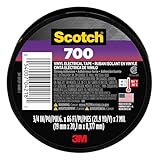
Why? It boils down to materials and intended purpose. Electrical tape is specifically engineered. It’s made from vinyl, which is a non-conductive material designed to stretch, conform to irregular shapes, and importantly, withstand a certain amount of voltage and temperature fluctuation without breaking down. It’s also designed to adhere well, creating a tight, insulating seal that won’t peel off or degrade when exposed to minor heat from electrical flow or environmental changes. Real electrical tape often has a certain tackiness to it, and the adhesive is formulated to maintain its grip under stress.
Duct tape, on the other hand, is primarily a fabric-backed, pressure-sensitive tape. The backing is usually a polyethylene-coated cloth, and the adhesive is a rubber-based or hot-melt adhesive. This combination makes it incredibly strong for general-purpose adhesion, water-resistant, and somewhat durable. However, that cloth backing is inherently a conductor, or at least can become one if it gets wet or degrades.
The adhesive isn’t formulated for electrical insulation; it can melt when heated, get brittle in the cold, and lose its adhesion over time, especially in environments with fluctuating temperatures or exposure to UV light. Imagine a cheap extension cord you might find at a discount store – sometimes they have plastic that feels brittle, and that’s the kind of degradation you’re risking when you use duct tape for a job that requires a specific material property.
I once tried to jury-rig a garden light that had a frayed wire using duct tape. It worked for about three days. Then, after a sudden evening rain shower, the light flickered and died. When I checked it, the duct tape was soggy, peeling, and the fabric backing had absorbed enough moisture to become a decent conductor. It was a stark reminder that while duct tape is a hero in many scenarios, it’s a fraud when it comes to safely insulating electrical connections. The risk of short circuits, fire, or even electric shock is just too high to ignore.
What Makes Actual Electrical Tape So Special?
So, if duct tape is a no-go, what makes proper electrical tape the real deal? It’s all about the science and engineering packed into that colorful roll. You’ve probably seen it in a rainbow of colors – black, red, blue, yellow, green. These colors aren’t just for show; they’re often used to denote different wire gauges or circuits, which is a smart practice for keeping complex electrical work organized and safe. But the core function is insulation, and that’s where the material science comes in.
The primary component of most good electrical tape is vinyl, or polyvinyl chloride (PVC). This synthetic plastic is chosen for its excellent dielectric strength, meaning it can resist the flow of electricity. It’s flexible enough to wrap around wires, conduit, and connectors without cracking, and it adheres to itself, creating a strong, smooth, and insulating barrier.
Think of it like a flexible, insulating skin for your wires. When you wrap electrical tape, you’re supposed to overlap each layer by about half, making sure there are no gaps where moisture or conductive elements can get in. The adhesive on electrical tape is also specially formulated. It’s designed to stick well without leaving a sticky residue when removed, and importantly, it maintains its integrity over a range of temperatures. (See Also: Can I Use Electrical Tape To Connect Wires )
This is vital because electrical components can generate heat, and outdoor applications mean exposure to sun, rain, and cold.
I remember working on a particularly tricky wiring job in an old house. The original wiring was a mess, and I had to splice a few connections.
I used a roll of cheap, generic electrical tape I’d picked up on sale. Within a few months, I got a call back. The insulation had started to degrade, becoming brittle and peeling away, exposing the copper wire.
It turned out that bargain tape wasn’t made with high-quality vinyl; it likely had fillers or a lower grade adhesive that couldn’t handle the ambient temperature fluctuations in the attic. That experience cost me time and money to fix, reinforcing the lesson: don’t skimp on electrical tape. Buying reputable brands like 3M or even decent store brands specifically labeled ‘electrical tape’ is a must.
You’re not just buying tape; you’re buying safety and reliability.
The common advice is to use electrical tape for any wire repair, and for good reason. It’s designed for the job, it’s tested for electrical applications, and it’s relatively inexpensive for the safety it provides. The dielectric strength of standard electrical tape can typically handle up to 600 volts, which is more than enough for most household and everyday electrical applications. Higher-rated tapes are available for more demanding industrial or high-voltage situations.
When Does the ‘duct Tape Fix’ Actually Work? (spoiler: Rarely)
Okay, let’s talk about those fringe cases. Can duct tape ever be used in a situation that involves electrical components, even if it’s not directly insulating a live wire? Yes, but it’s usually not the primary insulating agent. For instance, if you have a power tool cord with a minor nick in the outer protective sheath (not exposing any wires), you might temporarily wrap it with duct tape to prevent further damage or water ingress until you can get it properly repaired or replaced.
This is more about physical protection and weatherproofing of the outer jacket, not about insulating live conductors. It’s a stop-gap measure, a very temporary fix, and you’d be crazy not to treat that tool with extreme caution.
Another scenario, and this is stretching it, is using duct tape to secure a bundle of wires after they have been properly terminated and insulated with electrical tape. For example, if you’re running multiple low-voltage wires (like for landscape lighting or speaker wire) and you want to keep them neatly bundled together for aesthetic or organizational purposes, you could use duct tape over the electrical tape or conduit. But even here, I’d lean towards UV-resistant zip ties or specialized wire loom tubing for a more professional and durable finish. Duct tape can degrade in sunlight and become sticky and unsightly over time, which is why it’s rarely the best choice for anything exposed to the elements long-term.
I once saw a guy at an outdoor concert trying to fix a series of low-voltage string lights that kept disconnecting. He’d wrap each connection point with duct tape. (See Also: Can Electrica Tape Catch On Fire )
It looked like a mess, and predictably, by the end of the night, half the lights were out. When it rained a little, the whole string started shorting.
It was a disaster waiting to happen. The problem wasn’t that he needed more duct tape; it was that he was using the wrong material for the job. For low-voltage applications, specialized waterproof wire connectors or even proper electrical tape are far superior.
The key takeaway here is that duct tape should never be the primary insulator for anything carrying current, especially if it’s exposed to moisture or heat. Its adhesive will fail, its backing is not truly insulating, and it’s a fire hazard waiting to happen. If your first thought is ‘duct tape,’ take a breath and ask if there’s a safer, more appropriate tool for the job.
Common Mistakes When Dealing with Electrical Tape (or Duct Tape!)
People often mess up when they’re in a bind. Here are a few blunders I’ve seen or, shamefully, made myself:
- Using the wrong tape: This is the big one. Grabbing standard packing tape, masking tape, or, of course, duct tape when you need electrical tape. They look similar enough to the untrained eye, but the consequences are wildly different.
- Not cleaning the surface: For any tape to adhere properly, the wire or surface needs to be clean and dry. Dust, grease, or moisture will prevent a good seal.
- Wrapping too loosely: Electrical tape needs to be stretched slightly and overlapped to create a continuous, insulating barrier. Sloppy wrapping leaves gaps.
- Not enough overlap: Each layer of electrical tape should overlap the previous one by at least half its width. This creates a smooth, solid insulation.
- Ignoring temperature: Some tapes degrade in extreme heat or cold. Always use tape rated for the expected environmental conditions.
- Thinking a temporary fix is permanent: Duct tape on a wire is almost always a temporary, risky patch. Actual electrical tape repairs should be considered semi-permanent, but if a wire is significantly damaged, replacement is the best long-term solution.
Duct Tape vs. Electrical Tape: A Quick Comparison
Let’s break it down visually. While duct tape can look like it’s doing the job, the underlying properties are vastly different. Here’s a quick rundown:
| Feature | Duct Tape | Electrical Tape | Verdict |
|---|---|---|---|
| Primary Material | Cloth-backed polyethylene, rubber adhesive | Vinyl (PVC), specific electrical adhesive | Electrical tape is designed for insulation. |
| Electrical Insulation | Poor. Cloth backing can conduct, adhesive can fail. | Excellent. Vinyl is non-conductive, rated for voltage. | Electrical tape wins, hands down. |
| Temperature Resistance | Poor. Adhesive can melt/harden, backing can crack. | Good to Excellent (depending on grade). Withstands moderate heat and cold. | Electrical tape is far more stable. |
| Adhesion Longevity | Can degrade, become sticky/brittle. | Designed for long-term adhesion without residue. | Electrical tape is more reliable. |
| Flexibility | Fairly flexible, but can stiffen. | Highly flexible, conforms well to shapes. | Electrical tape is better for intricate work. |
| Water Resistance | Good (outer layer). | Excellent. Seals out moisture effectively. | Both are decent, but electrical tape’s seal is more solid for electrical purposes. |
| Best Use Case | General repairs, bundling, temporary sealing. | Insulating electrical wires and connections. | Clear winner for electrical jobs. |
As you can see, for anything involving electricity, the choice is clear. Duct tape is the jack-of-all-trades, master-of-none, while electrical tape is the specialist. You wouldn’t use a hammer to screw in a screw, and you shouldn’t use duct tape to insulate a wire. It’s just not what it’s made for, and the risks far outweigh any perceived convenience.
Practical Tips for Using Real Electrical Tape
So, you’ve decided to do things the right way and grabbed some actual electrical tape. Good call. Now, how do you use it effectively? It’s not rocket science, but a few pointers can make a big difference in getting a safe and lasting repair.
First off, identify the damage. Is it a minor nick in the outer jacket, or have the wires themselves been exposed? If wires are showing, you absolutely need to assess the situation carefully. If it’s a small nick on the outer sheath, you might be able to get away with just wrapping the whole cord in electrical tape for added protection and to prevent further damage.
But if the insulation on the individual wires is compromised, you’re looking at a more serious repair.
When you’re ready to wrap, start a few inches away from the damaged area, on the undamaged part of the wire. Pull the tape taut as you wrap, stretching it slightly. This stretching activates the adhesive and helps the tape conform snugly to the wire. Overlap each subsequent wrap by at least half the width of the tape. This is super important for creating a continuous, watertight, and electrically insulating layer. Imagine you’re shingling a roof; each shingle overlaps the one below it to shed water. Electrical tape works similarly to prevent any pathways for electricity or moisture to sneak through. Continue wrapping a few inches past the damaged area to make sure the repair is well-sealed at both ends. (See Also: Can I Substitute Duct Tape For Electrical Tape )
Don’t be afraid to use multiple layers, especially if the damage is significant or if the wire will be subjected to a lot of stress or movement. Three to four layers is usually a good minimum for most common repairs. And remember that the color-coding I mentioned earlier?
Use it wisely. Red and black are common for power conductors, while green is often for ground wires. Consistent color use makes future troubleshooting much easier. I learned this the hard way when I was helping a buddy rewire his shed; we used whatever colors were handy, and when a circuit kept tripping, it took us twice as long to figure out which wire was which because the colors didn’t follow any standard.
Finally, always test your repair. Before plugging in the device or turning on the circuit, give the repaired section a gentle tug and inspect it. If it looks secure and well-sealed, plug it in and test the device. If anything seems off – a spark, a strange smell, or the device not working – unplug it immediately and re-evaluate the repair or consider replacing the entire cord or component. Remember, the goal is safety. Electrical tape is a great tool, but it requires a little care and attention to detail to do its job properly.
People Also Ask:
Can I Use Duct Tape to Cover Exposed Wires?
No, you absolutely should not use duct tape to cover exposed electrical wires. Duct tape is not an electrical insulator. Its fabric backing can conduct electricity, and its adhesive can degrade and fail, especially when exposed to heat or moisture. Using duct tape on exposed wires creates a significant fire hazard and a risk of electric shock.
Is Electrical Tape Waterproof?
Most high-quality electrical tapes are designed to be highly resistant to moisture and water. When applied correctly with proper overlap, they create a tight seal that effectively insulates the wires and prevents water from reaching the conductors. This makes them suitable for use in damp or outdoor environments where other tapes might fail.
How Long Does Electrical Tape Last on a Wire?
When applied correctly to a properly insulated wire and not subjected to extreme conditions, good quality electrical tape can last for many years, often a decade or more. However, its lifespan can be reduced by exposure to UV light, extreme temperatures, chemicals, or physical abrasion. It’s always a good idea to periodically inspect electrical tape repairs, especially in important applications.
What Can I Use If I Don’t Have Electrical Tape?
If you absolutely do not have electrical tape and need to insulate a wire temporarily, your options are limited and carry risks. Some people might use heat shrink tubing if they have it, or specialized waterproof wire nuts for low-voltage connections. However, for live electrical wires, there is no truly safe substitute for proper electrical tape or professional repair. Avoid duct tape, packing tape, or any other general-purpose adhesive tape, as they are not designed for electrical insulation and are dangerous to use.
Conclusion
So, can duct tape act as electrical tape? After years of tinkering and the occasional spark-induced panic, the answer I’ve landed on is a resounding ‘no, not safely.’ While it might seem like a quick fix in a pinch, the risks associated with using duct tape for electrical insulation are far too great. You’re playing with fire, literally, when you try to make it substitute for a product specifically designed for the job.
My advice? Keep a good quality roll of actual electrical tape handy. It’s cheap, it’s effective, and it’s the right tool for insulating wires and making safe, reliable repairs. Don’t let the versatility of duct tape fool you into thinking it’s a superhero for every situation. Sometimes, the best fix is the one designed for the task.
Next time you’re faced with a frayed wire, reach for the electrical tape. If you’re in a true emergency with no other options, and it’s a very low-voltage, non-important situation where you accept the significant risks, duct tape might offer minimal temporary protection against further physical damage. But for actual electrical insulation, it’s a hard pass.