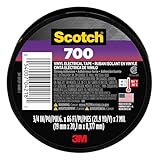
Look, we’ve all been there. You’re mid-project, something sparks, and you realize your dedicated electrical tape vanished into the abyss. Your eyes land on the trusty roll of duct tape sitting nearby. It’s silver, it’s strong, it sticks to practically anything. So, the million-dollar question pops into your head: can duct tape be used as electrical tape?
I’ve certainly had those moments, usually at the most inconvenient times, like trying to fix a fairy light display that decided to go rogue on Christmas Eve. Over the years, I’ve learned a few hard truths about what works and what’s just a good story waiting to go wrong. This isn’t about fancy jargon; it’s about what you can actually rely on when the wires get a little hairy.
So, Can Duct Tape Be Used as Electrical Tape? The Short Answer
Alright, let’s cut to the chase. Can duct tape be used as electrical tape? Technically, yes, in a pinch, for a very short period, and for very low-voltage, non-important applications. But should it be?
Absolutely not. Not if you want to sleep soundly at night.
I learned this the hard way trying to fix a dodgy lamp cord a few years back. I figured, ‘It’s tape, it’s sticky, it’ll hold.’
I wrapped it around the exposed wire, feeling pretty proud of my MacGyver moment. A few days later, that lamp started flickering like a disco ball, and I could smell something…
not good. Turns out, while duct tape sticks, it’s not designed to be a dielectric insulator. That means it doesn’t stop electricity.
It also gets gummy and brittle when it heats up, which, surprise surprise, wires do. So, what’s the real difference?
Electrical tape is specifically formulated. It’s made from vinyl, which is a type of plastic that’s a fantastic insulator. It’s stretchy, so it conforms to wires without leaving gaps. It’s also resistant to abrasion, moisture, and temperature fluctuations – all things electrical connections deal with daily. Duct tape, on the other hand, is a fabric mesh coated with a rubber-based adhesive. Its superpower is brute strength and sticking to rough surfaces, not keeping electricity contained. Think of it like using a garden hose to perform open-heart surgery. It might technically do something related, but you wouldn’t want it anywhere near the scalpel.
The adhesive on duct tape can also degrade over time, especially with heat, leaving a sticky, gunky mess. This residue can attract dirt and moisture, which are the sworn enemies of safe electrical work. Furthermore, the fabric backing of duct tape is not inherently a strong electrical insulator. If enough voltage is applied, or if there’s any moisture present, electricity can find its way through it, leading to shorts, shocks, or even fires. The common advice you’ll find online often skirts around the real danger, focusing on temporary fixes. But safety isn’t a temporary fix; it’s a constant state of being. When it comes to electricity, there’s no room for ‘good enough’.
Why Electrical Tape Is the Real Deal (and Duct Tape Isn’t)
Let’s talk about why you really, really want to use actual electrical tape. The primary job of electrical tape is insulation.
It’s designed to prevent electrical current from escaping a conductor. This is achieved through the material it’s made from – typically polyvinyl chloride (PVC). PVC has excellent dielectric strength, meaning it can withstand a significant electrical potential before it breaks down and conducts electricity.
This is why it’s rated for specific voltage levels. You can find electrical tapes rated for everything from household low-voltage applications up to high-voltage industrial uses. The flexibility of the vinyl is also key. It stretches and conforms to the shape of wires and connectors, creating a smooth, continuous layer of insulation with no air gaps where current could arc or escape. (See Also: Can I Use Electrical Tape To Connect Wires )
This conformability is what makes it reliable for wrapping around odd shapes or tight bends.
Duct tape, as I’ve griped about before, uses a fabric backing. This fabric is porous to some degree, and the adhesive isn’t formulated for electrical insulation. While the adhesive itself might offer some minor resistance, it’s not its primary function.
The fabric allows moisture to potentially seep through, and it doesn’t offer the same level of dielectric strength as vinyl. When duct tape heats up – and electrical connections often do – the adhesive can soften and break down. This can lead to the tape loosening, exposing the wire underneath. Imagine a hot summer day making your duct-taped repair start to sag.
Not exactly confidence-inspiring, is it? I once tried to use duct tape on a garden extension cord that was frayed.
The sun beat down on it for an afternoon, and when I went to check, the tape was peeling off like sunburnt skin, leaving the wires vulnerable. That’s a recipe for disaster, especially outdoors.
There’s also the issue of adhesion and residue. Electrical tape leaves a clean adhesive residue, if any, that’s relatively easy to remove. Duct tape, however, leaves a sticky, gummy residue that’s a nightmare to clean up. This residue can attract dust, grime, and moisture, potentially creating conductive pathways over time.
So, while duct tape might seem like a quick fix, it’s a temporary solution that can create bigger, more dangerous problems down the line. For anything involving electricity, especially anything that gets warm or is exposed to the elements, using the correct product – electrical tape – is a must for safety.
It’s like using the right tool for the job; trying to improvise with duct tape is just asking for trouble.
When ‘in a Pinch’ Really Means ‘don’t Do It’
So, you’re staring at a frayed wire, maybe on a low-power device like a desk lamp or a small appliance that doesn’t get hot. Your electrical tape is gone.
Someone, somewhere, might tell you, ‘Oh, duct tape is fine for that, just wrap it tight.’ I’m here to tell you that’s often terrible advice, and I’ve seen enough sticky, melted messes to prove it. The problem is, ‘low-power’ and ‘doesn’t get hot’ are subjective. A small motor can generate heat.
A wire carrying even a modest current will warm up. Duct tape’s adhesive is rubber-based, and rubber, as anyone who’s left a sticky note on a hot dashboard knows, gets gooey and loses its grip when heated. This means your ‘fix’ can literally unravel, exposing the live wire.
I remember a friend trying to patch up a speaker wire with duct tape. It worked for a while, but the amp generated enough warmth to soften the adhesive. The wire eventually slipped out, causing a loud pop and frying the speaker. (See Also: Can Electrica Tape Catch On Fire )
That cost him about $150 for a replacement. Had he used proper electrical tape, it would have been a $5 fix, tops, and far safer.
Furthermore, duct tape is not a great barrier against moisture. While it might seem waterproof, the fabric backing can absorb water, and the adhesive can break down when wet.
This is a massive problem for outdoor extension cords or any wiring that might be exposed to humidity. Water and electricity are a particularly nasty combination. The common advice to use duct tape for temporary outdoor repairs is, frankly, dangerous. Electrical tape, on the other hand, is designed to resist moisture and UV rays, making it suitable for outdoor use.
When you’re choosing a tape for electrical work, you need to consider the environment and the potential for heat. Duct tape simply doesn’t meet these requirements. It’s built for holding things together, not for insulating delicate electrical circuits. It’s like trying to patch a leaky roof with cling film – it might stop a drip for a minute, but it’s not a long-term solution and could make things worse.
The core issue is that duct tape’s primary function is adhesion and mechanical strength, not electrical insulation. Electrical tape’s primary function is electrical insulation and protection against the elements. They are fundamentally different tools for fundamentally different jobs. Trying to use duct tape as electrical tape is like trying to use a hammer as a screwdriver. You might get lucky, you might even make some progress, but you’re far more likely to damage the material, hurt yourself, or create a problem that’s harder to fix than the original one. Stick to the tools designed for the job, especially when electricity is involved.
A Look at the Actual Products: What to Look For
When you’re heading out to buy tape for electrical work, you’re looking for something specific. The packaging will usually say “Electrical Tape” or “Insulating Tape.” Don’t let the marketing fool you; there are different grades.
For most household DIY, you’ll be fine with a standard vinyl electrical tape. Brands like 3M, Scotch, and Gardner Bender are reliable. Look for tape that’s rated for at least 600 volts, which is more than enough for typical household wiring.
The tape should be flexible, stretchy, and have a smooth, non-fabric backing. When you unroll it, it should feel slightly rubbery and have a good tack, but not be overly sticky like duct tape. It should also have a matte finish, not a shiny or plastic-like one, which often indicates the type of vinyl used.
Here’s a quick comparison of what you should be using versus what you might be tempted to use:
| Product | Primary Use | Electrical Insulation Rating | Heat Resistance | Moisture Resistance | Adhesive Type | Verdict for Electrical Work |
|---|---|---|---|---|---|---|
| Electrical Tape (Vinyl) | Insulating electrical wires | High (600V+) | Good | Excellent | Synthetic rubber/acrylic | YES – The correct tool |
| Duct Tape | General repairs, sealing, holding | Very Low/None | Poor (adheres soften) | Fair (fabric can absorb) | Rubber-based adhesive | NO – Dangerous substitute |
| Cloth Tape (e.g., Duct Tape) | Sealing, bundling, temporary fixes | Very Low/None | Poor | Fair | Rubber-based adhesive | NO – Same issues as duct tape |
| Friction Tape | Mechanical protection, grip | Low (often used over other tape) | Fair | Moderate | Dry adhesive | NO – Not for primary insulation |
Notice the “Verdict for Electrical Work” column. It’s pretty clear-cut. Electrical tape is the only one that gets a resounding “YES.” When you’re buying, consider the environment. If you’re working on something that will be exposed to the elements, look for outdoor-rated electrical tape. Some are UV resistant and have better adhesion in damp conditions. Don’t skimp on this. A roll of electrical tape costs a few bucks and can save you thousands in potential damage or medical bills. It’s a small investment for a huge safety gain. Always check the manufacturer’s specifications if you’re unsure, but generally, if it’s not clearly labeled as electrical or insulating tape, don’t use it for electrical connections.
Common Mistakes and Practical Tips for Using Electrical Tape
One of the biggest mistakes people make is not overlapping the tape enough. When you’re insulating a wire, you want to overlap each wrap by at least half the width of the tape. This makes sure there are no gaps for electricity to escape or moisture to penetrate. Start the wrap a little before the damaged area and extend it a bit past it, creating a nice, clean, and secure seal. Another common error is wrapping too loosely. Electrical tape needs to be applied with firm, consistent tension. It should stretch slightly as you wrap, creating a tight, smooth finish. If it’s loose, it won’t provide proper insulation and could unravel over time.
Don’t be stingy with the tape, either. It’s cheap! If you think you need three wraps, do four. If you think you need to extend the coverage by an inch, extend it by two. (See Also: Can I Substitute Duct Tape For Electrical Tape )
Better to use a bit more tape than to risk a faulty connection. I learned this with some old appliance wiring that was constantly overheating. I kept thinking I’d wrapped enough, but the heat would eventually find a weak spot. After rewiring it with proper gauge wire and using plenty of overlapping electrical tape, the problem vanished.
It took maybe an extra 30 seconds and another foot of tape, but it solved a persistent issue. This is why using the correct product and applying it properly is so important.
Here’s a practical tip: always cut the tape with scissors or a dispenser’s blade, don’t just tear it. Tearing can leave a ragged edge that compromises the seal.
For important connections, especially those carrying higher voltages or in demanding environments, consider using multiple layers. For instance, you might wrap with vinyl electrical tape and then cover that with a layer of high-temperature tape or even self-fusing silicone tape for added protection and durability. This might seem like overkill for a simple lamp cord, but for anything more complex, it’s a good practice. Remember, electricity can be unforgiving.
Taking a few extra minutes to apply electrical tape correctly can prevent fires, shocks, and costly repairs. It’s about working smart, not just fast.
The Faq: Your Burning Questions Answered
Can Duct Tape Be Used as Electrical Tape in an Emergency?
Yes, but only for very low-voltage, non-important applications, and as an absolute last resort. It’s not a safe or reliable insulator. The adhesive can melt, the fabric backing can conduct, and it’s susceptible to moisture and heat degradation. It’s a temporary fix that carries significant risk.
Will Duct Tape Insulate Wires?
No, not effectively. Duct tape is not formulated to be an electrical insulator. Its adhesive and fabric backing do not possess the dielectric properties needed to prevent electrical current from passing through. Proper electrical tape is made from materials like vinyl, which are specifically designed for insulation.
Is It Safe to Use Duct Tape on Electrical Wires?
It is generally not safe to use duct tape on electrical wires. While it might hold physically, it fails to provide adequate electrical insulation. This can lead to short circuits, electric shocks, and potentially fires, especially if the connection heats up or gets wet.
What Is the Difference Between Duct Tape and Electrical Tape?
The main difference lies in their materials and intended purpose. Duct tape is a fabric-backed tape with a strong adhesive for general repairs, designed for mechanical strength. Electrical tape is typically vinyl-backed with a specialized adhesive, designed for its insulating properties, flexibility, and resistance to heat, moisture, and chemicals.
What Happens If You Use Duct Tape on Electrical Wires?
If you use duct tape on electrical wires, you risk poor insulation, which can lead to short circuits, arcing, electric shocks, and fire hazards. The adhesive can degrade with heat, causing the tape to loosen and expose the wires. Moisture can also penetrate the fabric backing, further increasing the risk of electrical hazards.
Final Verdict
So, to wrap this up: can duct tape be used as electrical tape? In the most dire, ‘get-out-of-jail-free’ kind of emergency, maybe for a few minutes on a battery-powered toy. But for anything that plugs into the wall, carries significant power, or is exposed to the elements? Absolutely not. It’s a gamble with your safety and your property.
The cost difference between a roll of proper electrical tape and the potential damage a duct tape ‘fix’ could cause is laughable. Spend the few dollars. Get the right tool. My own electrical tape drawer used to be a graveyard of half-used rolls of questionable tapes, including more than one roll of duct tape. Now, it’s stocked with good quality electrical tape in a few different colors. It’s a small change that makes a huge difference in peace of mind.
The next time you’re tempted to reach for that ubiquitous silver roll when dealing with wires, take a breath. Ask yourself if the risk is worth the convenience. For electrical work, the answer is almost always a resounding no. Invest in proper electrical tape; your future self, and anyone who might come into contact with your work, will thank you.