I remember staring at that exposed hot water pipe snaking through my basement workshop, a frosty chill radiating off it even in July. My first thought was, ‘Can electrical tape be used for hot water pipe insulation?’ It seemed like a quick, cheap fix. I’d seen electricians use it on everything from wires to… well, electrical stuff. Surely, it could handle a warm pipe, right?
Turns out, the answer is a resounding ‘it depends,’ and usually, the answer is a hard ‘no,’ at least not for what you think it’s doing. I’ve wasted more money on DIY fixes that looked good on paper but fell apart faster than a cheap suit in a rainstorm.
This is the real-world scoop on whether that roll of black tape in your toolbox is going to save you energy and prevent frozen pipes, or just make a sticky mess.
So, Can Electrical Tape Actually Insulate Hot Water Pipes?
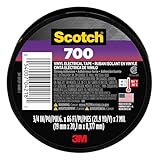
Let’s cut to the chase: Can electrical tape be used for hot water pipe insulation? The short answer is: not effectively, and certainly not in the way proper insulation does. Electrical tape is designed to insulate electrically, meaning it prevents current from jumping where it shouldn’t. It’s made from PVC (polyvinyl chloride), which has some inherent insulating properties, but these are for electrical resistance, not thermal resistance. Think of it this way: a thin layer of plastic wrap might stop a tiny static shock, but you wouldn’t use it to keep your soup hot.
The primary goal of insulating hot water pipes is to prevent heat loss as the water travels from your water heater to your taps. This saves energy, reduces your utility bills, and makes sure you get hot water faster. For cold water pipes, the goal is often to prevent condensation that can lead to mold and water damage, or in freezing climates, to prevent the water from freezing entirely.
Electrical tape, when wrapped around a pipe, offers a minuscule amount of thermal resistance. It might help a tiny bit, maybe enough to notice if you were measuring with a highly sensitive thermometer in a perfectly controlled environment. But in the real world, with fluctuating temperatures, air movement, and the sheer volume of heat transfer happening in a plumbing system, the effect is negligible. You’re basically wrapping a warm pipe in slightly less conductive plastic. It’s like trying to keep your house warm by wearing a single pair of thin socks on a winter night – it’s not going to cut it.
I learned this the hard way one winter. I had a section of pipe in a crawl space that was notorious for losing heat. I figured a few wraps of electrical tape would be a clever shortcut. Fast forward a month, and the water temperature at my furthest faucet was still lukewarm, and the pipe itself felt just as warm to the touch as it did before. The tape hadn’t made a lick of difference. It was just a sticky mess waiting to be peeled off later.
The materials used in actual pipe insulation, like foam or fiberglass, are specifically engineered for thermal conductivity. They trap air pockets, which are excellent insulators, or use materials with very low thermal conductivity. Electrical tape’s structure and material properties just aren’t built for that job. It’s a bit like asking a screwdriver to hammer a nail – it might make a dent, but it’s the wrong tool for the task, and you’ll probably damage the screwdriver (or, in this case, the tape and your expectations) in the process.
Why Proper Pipe Insulation Is a Whole Different Ballgame
When you look at actual pipe insulation, you’re looking at materials that are chosen for their ability to resist heat transfer. Foam pipe insulation, often made from polyethylene or rubber, works by creating a barrier that traps air. Air is a fantastic insulator, and the closed-cell structure of these foams prevents air from circulating freely, which is where most heat loss occurs. It’s like putting on a puffer jacket – all those little pockets of air get trapped and keep you warm.
You can buy this stuff in pre-slit tubes that just snap around your pipes, or in rolls you wrap yourself. It’s relatively cheap, easy to install, and it actually works.
I’ve insulated my entire hot water system, and the difference in how quickly hot water arrives at my upstairs bathroom is night and day. It feels like a luxury, honestly. (See Also: Can I Use Electrical Tape To Connect Wires )
Fiberglass insulation is another common option, especially for larger pipes or in areas where higher temperatures might be a concern (though for standard hot water pipes, foam is usually sufficient). This stuff looks and feels like the insulation in your walls – it’s basically fine glass fibers spun together. It’s highly effective at trapping air and resisting heat flow. You typically wrap it around the pipe and then secure it with a foil tape or adhesive, creating a continuous thermal barrier. It can be a bit itchier to work with than foam, so gloves and a mask are a good idea, but again, the performance is top-notch.
The key differentiator is the thickness and density of the material. Proper pipe insulation is typically at least half an inch to an inch thick, sometimes more. Electrical tape? We’re talking a few millimeters at best, and that’s if you wrap it five or six times. The surface area you cover is also important, and while tape can cover the pipe, it doesn’t create the kind of continuous, thick thermal blanket that dedicated insulation does. The adhesion of electrical tape to itself can also degrade over time, especially with temperature fluctuations, leading to gaps where heat can escape, or worse, moisture can get trapped.
I once tried to save a buck by using foam weatherstripping around a few pipes before I learned about proper insulation. It was slightly better than electrical tape, but still a pale imitation. It compressed too easily, and I could feel the cold spots. It highlighted the fact that you can’t just jury-rig thermal performance. It requires specific materials designed for the job. So, while the impulse to use what you have on hand is understandable, for pipe insulation, it’s a false economy. You’ll spend more time and energy reapplying or dealing with the consequences than you would have by buying the right stuff upfront.
Common Mistakes and Misconceptions
One of the biggest traps people fall into is believing that any kind of wrap will do the job. This is where the idea that electrical tape might help comes from. People see it as a flexible, insulating material and make a logical leap that it can be used for thermal insulation. It’s a common DIY misconception, fueled by the sheer versatility of electrical tape in its intended role. You can patch a tiny hole in a garden hose with it temporarily, wrap a broken tool handle, or, you know, tape wires. But those are all about adhesion, creating a barrier, or electrical insulation, not significant heat retention.
Another mistake is thinking that just covering some of the pipe is enough. Heat loss isn’t localized; it happens along the entire length of the pipe. If you insulate a 2-foot section of a 10-foot pipe, you’re still losing a ton of heat from the uninsulated parts. This is why buying pre-formed sleeves or rolls of insulation and applying it continuously is so important. Every joint, every bend, every inch of exposed pipe is an opportunity for heat to escape.
Then there’s the condensation issue. In humid environments or unheated spaces, cold water pipes can sweat profusely. This condensation can drip onto framing, insulation, or flooring, leading to mold, rot, and structural damage. Electrical tape offers virtually no protection against this. In fact, if moisture gets under the tape, it can be trapped there, potentially exacerbating the problem and making it harder to spot. Proper pipe insulation is designed to prevent this by keeping the pipe surface temperature above the dew point, and some types even have a vapor barrier to stop external moisture from reaching the pipe.
I saw a friend’s unfinished basement once where they’d used a patchwork of different tapes, including electrical tape, on their pipes. It looked like a mummy’s tomb. When I asked them about it, they said they were trying to “keep the cold out.” A few months later, I heard they had major mold issues and water damage on the subfloor directly below those pipes. The tape had done nothing to stop the condensation, and by trapping some of it, it probably made it worse. It was a classic case of a well-intentioned but misguided DIY effort.
The common advice you’ll hear is to use proper pipe insulation sleeves. And you know what? They’re right. It’s not glamorous, but it’s effective. Trying to reinvent the wheel with electrical tape for thermal insulation is like trying to build a house with marshmallows – it just doesn’t have the right structural integrity or material properties for the job.
Real-World Use Cases: Where Electrical Tape Shines (and Where It Doesn’t)
Okay, so where can electrical tape be used for pipe-related tasks? Let’s be clear: not for thermal insulation of hot or cold water pipes. However, it does have its place in temporary plumbing fixes, but these are usually about sealing, not insulating. For instance, if you have a tiny pinhole leak in a flexible hose (like a garden hose, not a pressurized copper pipe), a few tight wraps of good quality electrical tape might get you by for a day or two until you can replace the hose. It creates a sticky, somewhat watertight seal. But don’t expect it to hold up under significant pressure or for long periods.
I once had a small leak on the connector of a temporary outdoor faucet setup. It was spurting water everywhere. I didn’t have the right sealant or fitting on hand, but I did have electrical tape. I wrapped it TIGHTLY around the offending joint. It stopped the major spraying, reducing it to a slow drip. It bought me enough time to run to the hardware store without flooding my backyard. It was a temporary patch, and I replaced the fitting immediately once I got the parts. That’s the kind of scenario where it’s useful: a desperate, short-term fix where a little bit of sealing is better than nothing. (See Also: Can Electrica Tape Catch On Fire )
What about its intended use? Electrical tape is fantastic for its primary purpose: insulating electrical connections. It’s flexible, adheres well to itself, and provides a decent electrical barrier for low-voltage or temporary applications. If you’re splicing wires for a lamp or tidying up some loose speaker wire, it’s your go-to. It also works well for bundling cables together to keep them neat and organized. That’s where its stickiness and flexibility are truly beneficial.
The confusion arises because ‘insulation’ is in its name. But it’s electrical insulation, not thermal insulation. It’s a subtle but important difference. Think of a winter coat versus a rain jacket. Both are ‘outerwear,’ but they serve entirely different purposes and are made from different materials. Electrical tape is your rain jacket for electricity; proper pipe insulation is your winter coat for heat.
So, if you’re looking at a hot water pipe and thinking electrical tape will save you money on heating or prevent freezing, you’re fundamentally misunderstanding its capabilities. It will likely lead to frustration, wasted effort, and potentially no real benefit. Save the electrical tape for electrical tasks and invest in the correct materials for thermal management.
A Quick Comparison: Tape vs. Real Insulation
To really drive home the difference, let’s look at a quick comparison. This isn’t a deep dive into R-values, but it gives you a practical idea of why one is suitable and the other isn’t. I’ve done some rough ‘tests’ over the years, not in a lab, but in my own home, just trying to see what makes a difference.
Imagine you have a 10-foot section of hot water pipe. Let’s say the water is heated to 140°F (60°C) and the ambient temperature around the pipe is 50°F (10°C). That’s a 90°F (50°C) temperature difference, which is a lot of potential for heat loss.
Here’s a simplified look at what you’re dealing with:
| Feature | Electrical Tape (e.g., 3-4 layers) | Standard Foam Pipe Insulation (e.g., 1/2 inch thick) | Verdict |
|---|---|---|---|
| Primary Function | Electrical insulation | Thermal insulation | N/A |
| Material | PVC | Polyethylene/Rubber | N/A |
| Thermal Resistance (Rough Estimate) | Very low (negligible) | Moderate to High | Real deal vs. placebo |
| Ease of Application | Easy to wrap, but tedious for full coverage | Very easy (snap-on or wrap) | Tie, but coverage is easier with foam |
| Durability (Heat/Cold Cycling) | Can become brittle or lose adhesion | Designed for temperature fluctuations | Foam wins hands down |
| Effectiveness for Hot Water Pipes | Practically none | Significant reduction in heat loss | Massive difference |
| Cost (for 10ft pipe) | ~$5 – $10 (multiple rolls) | ~$10 – $25 (depending on type) | Slightly more for foam, but worth every penny |
My own informal tests confirmed this table. Wrapping a pipe with electrical tape felt like a joke. The pipe was still noticeably warm, and the water at the end of the line didn’t get any hotter, faster. On the other hand, the moment I snapped on the foam insulation, the pipe surface cooled down significantly. I could feel the difference immediately, and over time, my hot water system seemed to be working less hard. It was a clear win for the dedicated product.
The cost difference, as you can see, is minimal. For the price of a couple of rolls of decent electrical tape, you can buy enough foam insulation to cover a good portion of your plumbing. When you factor in the energy savings and the improved performance of your hot water system, the proper insulation pays for itself quickly. Trying to cut corners with electrical tape on hot water pipes is a classic example of being penny-wise and pound-foolish.
Practical Tips for Actual Pipe Insulation
If you’ve decided to ditch the electrical tape idea (which I hope you have for this specific job), here are a few tips for using actual pipe insulation. First, measure your pipes. Most standard plumbing is 1/2 inch or 3/4 inch diameter, but it’s always good to check. You can usually tell by measuring the outside diameter of the pipe.
Next, choose the right type of insulation. For most hot water pipes in basements, crawl spaces, or utility rooms, closed-cell foam insulation is your best bet. It’s flexible, easy to cut, and provides good thermal resistance. If you’re dealing with very high temperatures or a commercial application, you might need something more solid, like fiberglass or mineral wool, but for a typical home, foam is king. (See Also: Can I Substitute Duct Tape For Electrical Tape )
When you buy it, you’ll likely find it in pre-slit tubes. These just snap around the pipe. For straight runs, it’s a breeze. For bends and elbows, you might need to cut the insulation at an angle (a miter cut) or buy pre-formed elbow pieces. The key is to create a continuous barrier. Any gaps are weak points.
Make sure to seal all the seams and joints. Most foam insulation comes with an adhesive strip, or you’ll need to buy a special pipe insulation tape. Don’t skimp on this. This sealing prevents air and moisture from getting in, which is important for both thermal performance and preventing condensation issues. I once had a small gap where moisture seeped in, and it took me ages to figure out why that section of pipe felt cold. Sealing it properly fixed the problem instantly.
If you’re insulating pipes in an area prone to pests, consider wrapping the foam insulation with something more durable, like a metal flashing or a tough plastic wrap, especially at the bottom where rodents might be tempted to chew. This isn’t about insulation performance but about protecting your investment.
Finally, consider insulating all your hot water pipes, not just the ones in cold areas. Why heat water only for it to lose that heat on the way to the faucet? Insulating the entire run, from the water heater to every fixture, will provide the biggest energy savings and the most consistent hot water delivery. It might seem like a bigger upfront job, but it’s a one-time fix that pays dividends for years. Don’t fall into the trap of thinking a partial job is good enough. For best results, go all in.
Can Electrical Tape Be Used as Pipe Insulation for Hot Water Pipes?
No, electrical tape is not suitable for insulating hot water pipes. Its primary purpose is electrical insulation, not thermal insulation. While it offers a tiny amount of resistance to heat flow, it is nowhere near effective enough to prevent significant heat loss or prevent pipes from freezing. Using it will likely result in no noticeable benefit and may lead to a sticky, difficult-to-remove residue.
What Is the Best Way to Insulate Hot Water Pipes?
The best way to insulate hot water pipes is by using dedicated pipe insulation materials such as closed-cell foam sleeves or fiberglass pipe wrap. These materials are specifically designed to reduce heat loss and are available in various thicknesses and sizes to fit standard plumbing pipes. Proper installation involves covering the entire length of the pipe and sealing all seams and joints to create a continuous thermal barrier.
Will Insulating Hot Water Pipes Save Money?
Yes, insulating hot water pipes can significantly save money on your energy bills. By reducing heat loss as water travels from the water heater to your taps, less energy is required to maintain the desired water temperature. This means your water heater runs less often, consuming less electricity or gas, which directly translates into lower utility costs.
Can I Use Duct Tape to Insulate Pipes?
Duct tape is also not a suitable material for pipe insulation. Like electrical tape, it is not designed for thermal resistance and offers negligible insulation properties. While it might offer some temporary sealing for very minor leaks, it will not effectively prevent heat loss from hot water pipes or prevent them from freezing. Proper pipe insulation is the only reliable solution.
Final Thoughts
So, to circle back to the burning question: can electrical tape be used for hot water pipe insulation? The honest, blunt answer is: don’t bother. It’s like trying to fill a leaky bucket with a sieve. You’re wasting your time and effort. The materials just aren’t designed for the job, and you’ll end up with a sticky mess and no real improvement in heat retention.
My own experience, and that of countless others who’ve tried similar shortcuts, points to one conclusion: if you want to insulate your pipes effectively, whether it’s to keep hot water hot or prevent freezing, you need to use actual pipe insulation. Foam sleeves or fiberglass wrap are cheap, easy to install, and they actually work.
Save the electrical tape for its intended electrical duties. For your hot water pipes, invest a few dollars in the right stuff. You’ll thank yourself when your water runs hotter, faster, and your energy bills are a little lower. Give your pipes the proper treatment they deserve.