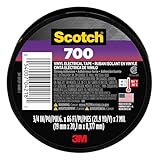
I remember the first time a friend, let’s call him Dave, swore duct tape was the answer to fixing a busted toaster element. He’d seen it online, apparently. So, armed with a roll of what we thought was magic silver tape, we attempted a quick fix. Spoiler alert: the toaster didn’t start working, but it did make a rather alarming crack sound and let out a puff of smoke. That’s when I started wondering, seriously, can duct tape conduct electricity?
It’s one of those things that gets bandied about in DIY circles and online forums with varying degrees of certainty. Some people will tell you it’s a fantastic conductor, others will laugh you out of the room. The truth, like most things involving sticky tape and electricity, is a bit more nuanced than a simple yes or no.
So, Does This Stuff Actually Conduct?
Let’s cut to the chase: generally speaking, no, standard grey duct tape is not designed to be a conductor of electricity. At its core, duct tape is meant for sealing, patching, and holding things together. The layers that make it so tough and sticky – the fabric backing, the adhesive, and the waterproof outer layer – are typically made from insulating materials. The fabric backing is usually cotton or polyester, the adhesive is rubber-based or acrylic, and the outer layer is polyethylene. None of these are particularly good at letting electricity flow.
However, the devil is in the details, and the ‘duct tape’ you grab off the shelf can vary wildly. Think about it: you’ve got your classic silver stuff, heavy-duty versions, cloth-backed ones, even some funky colored tapes. Each has a slightly different recipe. While the fundamental purpose isn’t conductivity, certain conductive tapes look a lot like duct tape. Electrical tape, for instance, is specifically designed for insulation, but there are also conductive tapes used in electronics, like copper foil tape or aluminum foil tape. These do conduct electricity, and they might be mistaken for or even used in similar DIY scenarios where someone thinks they need conductivity.
I learned this the hard way when I was trying to rig up a simple LED strip around my workbench. I needed to connect a few short runs together without soldering, and someone suggested using foil tape. I grabbed what I thought was just some heavy-duty tape, and it worked like a charm. It wasn’t until later, when I was cleaning out my toolbox, that I realized I’d grabbed a roll of actual aluminum foil tape, not the regular gray stuff I usually use for, well, ducting and general repairs. It looked surprisingly similar at a glance, which is probably where a lot of the confusion comes from.
The key differentiator is the metallic component. If there’s no metal foil embedded or as the primary backing, it’s almost certainly an insulator. So, while you might see folks using duct tape in some electronic repairs, it’s either a misunderstanding, a desperate measure where insulation is the actual goal (e.g., temporarily covering a frayed wire), or they’re using a specialized conductive tape that just happens to be shaped and packaged like duct tape.
What’s Actually Inside That Roll?
To really understand whether duct tape can conduct electricity, you’ve got to break down what’s in the darn thing. The classic silver duct tape, the kind you probably picture, is built in layers. First, you’ve got the backing, which is typically a woven fabric. This fabric is usually made of cotton or a cotton-polyester blend. It’s strong and gives the tape its tensile strength, but cotton and polyester are insulators. They don’t let electricity pass through easily.
Then there’s the adhesive. This is the sticky stuff that makes duct tape… well, duct tape. Most common duct tape adhesives are synthetic rubber-based or acrylic-based. These are designed to stick to surfaces, not to conduct current. Think about the sticky residue left behind on a surface – it’s a gooey, non-metallic substance. Again, insulation is the name of the game here.
Finally, there’s the outer layer, often a polyethylene film. This is what makes the tape waterproof and resistant to tearing. Polyethylene, like most plastics, is an excellent electrical insulator. Its job is to protect the fabric and adhesive and to prevent moisture from seeping through.
So, looking at the common components – fabric, rubber/acrylic adhesive, and plastic – you can see why your average roll of duct tape isn’t going to be your go-to for electrical conductivity. It’s fundamentally built from insulating materials. The rare exceptions are specialized products that might be called duct tape but actually contain conductive elements like foil. But if you’re picking up a standard roll from the hardware store for patching a leaky pipe or securing a box, you’re holding an insulator. (See Also: Can I Use Electrical Tape To Connect Wires )
I once tried to use regular duct tape to create a temporary shield for a sensitive circuit board while I was working on it in a workshop that had a lot of static. I figured the plastic coating might offer some protection. Big mistake. It did absolutely nothing to dissipate static, and I ended up frying a component that cost me nearly $40 to replace. That $3 roll of tape ended up costing me way more in the long run.
When ‘duct Tape’ Isn’t Just Duct Tape
This is where the waters get really muddy, and where a lot of the online chatter about duct tape and electricity comes from. There are tapes that look like duct tape, are used for similar purposes in some DIY applications, but are specifically designed to conduct electricity. These aren’t your typical hardware store rolls. They are usually specialized tapes used in electronics, HVAC, or even arts and crafts where conductivity is a requirement.
Think about aluminum foil tape. It’s often silver, flexible, and comes on a roll. It’s used extensively in HVAC for sealing ducts, which is why it might get conflated with duct tape in some people’s minds. But its backing is aluminum foil, which is a metal and therefore an excellent conductor. Or consider copper foil tape, which is even more conductive and is a staple in electronics, particularly for shielding or creating conductive paths on circuit boards. These tapes will conduct electricity because their primary component is metal.
So, if you see a project online where someone is using a “duct tape” for electrical purposes, it’s highly probable they are using one of these specialized conductive tapes, not the regular fabric-backed stuff. It’s a classic case of similar appearance leading to mistaken identity and misinformation. The common advice is often to just use ‘duct tape’ for electrical jobs, but what they often mean is ‘conductive tape,’ which can be an aluminum or copper foil tape.
I’ve seen this confusion cause problems. Someone needs to fix a broken trace on a small electronic device. They’ve got regular duct tape handy and think they’re being clever. They lay it over the break, expecting the adhesive to bridge the gap electrically. It doesn’t. All it does is cover it up, and the device remains broken, sometimes with the added bonus of a sticky mess to clean up later. It’s a frustrating realization when you’ve wasted time and effort on something that was never going to work.
The best way to tell the difference is to look at the tape itself. Does it have a metallic sheen that feels like foil? Does it feel thin and pliable like metal rather than thick and fabric-like? If it looks and feels like metal, it’s likely conductive. If it feels like fabric with a plastic coating, it’s almost certainly an insulator.
When Insulation Is the Goal (and Duct Tape might Be Used)
Now, let’s flip the script. While duct tape isn’t a conductor, it is an insulator, and in some very specific, non-important situations, it might be used to prevent electrical contact. This is a far cry from actively conducting electricity, but it’s worth mentioning because it’s another reason why duct tape gets brought up in electrical discussions. For example, if you have a very low-voltage wire that has a tiny nick in its insulation, and you need a temporary, quick fix to prevent accidental contact with something else, a layer or two of standard duct tape could offer a very basic level of insulation. It’s not a substitute for proper electrical tape, which is designed for this purpose and rated for different voltages, but in a pinch for something like a Christmas light string that’s seen better days, it might be what people grab.
However, this is where I have a massive contrarian opinion. Everyone says ‘just use duct tape for temporary electrical fixes.’ I disagree, and here’s why: most people grab the cheapest, thinnest roll of duct tape they can find. That tape is not rated for any sort of electrical insulation. While it might physically cover a wire, it offers very little protection against shorts, especially if there’s any moisture involved. Electrical tape, on the other hand, is designed to be flexible, stretchable, and resistant to abrasion and certain chemicals. It also has specific dielectric strength ratings, meaning it can withstand a certain amount of electrical voltage before breaking down. Regular duct tape has none of that.
I saw a guy once try to insulate a slightly frayed appliance cord with duct tape. He was proud of his ‘hack.’ A week later, the cord shorted out, tripped his breaker, and nearly started a fire. The duct tape had degraded, peeled off, and done nothing to prevent the issue. It’s a risk that’s just not worth taking for the few bucks you save compared to a proper roll of electrical tape, which usually costs around $3-$5. For anything beyond the most trivial, low-voltage, dry applications, stick to actual electrical tape. (See Also: Can Electrica Tape Catch On Fire )
The key here is understanding that ‘insulation’ doesn’t mean ‘safe for all electrical applications.’ Duct tape’s insulating properties are incidental, not designed. If your goal is safety and reliability when dealing with electricity, duct tape should be the very last resort, and even then, only for extremely low-risk situations where you understand the limitations. For anything else, use the right tool for the job – which is usually electrical tape, not duct tape.
Real-World Uses and Common Mistakes
So, if regular duct tape isn’t a conductor and its insulating properties are questionable, what are the real-world scenarios where people might incorrectly try to use it for electrical tasks, and what are the common mistakes I’ve seen? The biggest mistake, by far, is confusing regular duct tape with specialized conductive tapes like foil tape. As I mentioned, aluminum foil tape is used in HVAC for sealing ducts, and it looks similar to duct tape. If someone needs to connect two pieces of foil tape in an HVAC system and they grab regular duct tape thinking it’s the same, they’ll have a leaky, non-conductive mess.
Another common scenario is the ‘emergency repair’ mentality. People see duct tape as the universal fix-it. So, if a wire breaks on a lamp or a minor electronic device, their first thought might be, ‘Can I just wrap this with duct tape?’ The mistake here is assuming duct tape provides proper electrical insulation. It might cover the frayed ends, but it offers very little dielectric strength. If the voltage is high enough, or if there’s any moisture, it can easily fail. I’ve seen this lead to shocks, tripped breakers, and even small fires. It’s the kind of ‘fix’ that creates a bigger problem down the line.
A friend of mine, bless his heart, tried to repair a broken antenna lead on an old TV using duct tape. He figured the silver coating would somehow help it conduct. It did absolutely nothing for the signal, but it did attract dust like a magnet and made the whole setup look terrible. We ended up having to carefully peel off the sticky residue with rubbing alcohol. That cost him about 30 minutes and a bottle of Goo Gone, plus a new antenna. It was a classic case of applying a hammer to a screw.
Here’s a quick breakdown of common mistakes and what to do instead:
| Mistake | Why it’s Wrong | Better Alternative |
|---|---|---|
| Using regular duct tape as an electrical insulator. | Poor dielectric strength, degrades easily, not designed for voltage. | Proper electrical tape (e.g., Scotch 35 or 33+). |
| Confusing regular duct tape with conductive foil tape. | Regular duct tape is an insulator; foil tape is a conductor. | Use aluminum or copper foil tape for conductive applications. |
| Using duct tape for temporary wire splices. | Doesn’t create a secure or insulated connection. | Wire nuts, crimp connectors, or soldering with heat shrink tubing. |
| Using duct tape to shield sensitive electronics. | Offers no significant electromagnetic shielding. | Specialized EMI/RFI shielding tapes or enclosures. |
The rule of thumb is simple: if it’s about electricity, use tape specifically made for electricity. Regular duct tape is for holding things together, not for carrying current or preventing it.
The Faq: Clearing Up the Confusion
Can Duct Tape Conduct Electricity?
In most cases, no. Standard duct tape is made from insulating materials like fabric, plastic, and rubber-based adhesive. It’s designed for sealing and holding, not for conducting electrical current. While some specialized tapes that look like duct tape (like foil tapes) are conductive, regular grey duct tape is not.
Is Duct Tape a Good Electrical Insulator?
It’s a poor electrical insulator. While it has some insulating properties due to its plastic coating, it’s not designed for electrical applications and lacks the dielectric strength of proper electrical tape. It can degrade, crack, and fail, especially under voltage or in varying environmental conditions, making it unreliable for safety.
What Kind of Tape Conducts Electricity?
Tapes that conduct electricity are typically made with metallic components. Examples include aluminum foil tape, copper foil tape, and conductive fabric tapes. These are specifically manufactured for applications where electrical conductivity is required, such as in electronics, HVAC, or for creating conductive pathways. (See Also: Can I Substitute Duct Tape For Electrical Tape )
Can I Use Duct Tape to Fix a Frayed Electrical Cord?
It is strongly advised not to use regular duct tape to fix a frayed electrical cord. While it might temporarily cover the damage, it does not provide adequate insulation and can be a fire hazard or lead to electric shock. Always use proper electrical tape or a connector designed for the job.
What’s the Difference Between Duct Tape and Electrical Tape?
Duct tape is a general-purpose adhesive tape made from fabric, plastic, and adhesive, designed for sealing, patching, and holding. Electrical tape is specifically designed for insulating electrical wires and components, made from vinyl or other materials with high dielectric strength and flexibility to withstand electrical current safely.
A Few Practical Tips for Electrical Tape Use
Since we’ve established that regular duct tape is a no-go for most electrical tasks, let’s talk about what you should be using and how to use it effectively. When you need tape for electrical work, you’re almost certainly looking for electrical tape, often called ‘lineman’s tape’ or ‘insulating tape.’ This tape is usually made of vinyl and is designed to stretch and conform to wires, providing a secure and insulating wrap. It also offers resistance to abrasion, moisture, and UV light, which is important for durability.
When you’re wrapping wires, overlap each layer by about half the width of the tape. Start a little before the damaged area and extend a little past it. This makes sure complete coverage and a strong seal. For more solid repairs on a frayed cord, you might want to use a wire nut or a crimp connector first to physically join the wires securely, and then wrap the entire connection with electrical tape. This provides a much safer and more reliable fix than just wrapping the exposed wires directly.
Another tip: don’t skimp on quality. While there are budget brands of electrical tape, investing in a reputable brand like Scotch or 3M can make a significant difference. Their tapes tend to be more flexible, stickier, and offer better insulation properties, meaning your repair will be safer and last longer. I once tried a bargain-brand electrical tape on a garden light fixture that got exposed to a bit of moisture. Within a few months, the tape had become brittle, cracked, and allowed water ingress, frying the bulb socket. The slightly more expensive, name-brand tape I used to replace it has held up for over two years without issue.
Finally, consider the voltage and environment. Electrical tape has ratings for dielectric strength (how much voltage it can withstand). For most household applications, standard electrical tape is fine. However, if you’re dealing with higher voltages or extreme conditions, you might need specialized tapes designed for those specific requirements. Always read the product packaging to make sure you’re using the right tape for the job. Don’t let the convenience of duct tape tempt you into a dangerous shortcut; the right electrical tape is cheap insurance.
Verdict
So, to wrap this up, if you’re asking ‘can duct tape conduct electricity?’, the short, blunt answer for most of us is no, it absolutely cannot. It’s an insulator, and a pretty mediocre one at that. The idea that it’s a universal fix for electrical problems is a myth that can lead to dangerous situations.
If you need a tape that actually conducts electricity, you’re looking for something like aluminum foil tape or copper foil tape, not the silver stuff you use for sealing air ducts or temporary repairs. And if you need to insulate wires, don’t even think about reaching for that trusty roll of duct tape. Grab proper electrical tape; it’s designed for the job, it’s cheap, and it’s a whole lot safer.
The next time you’re tempted to use duct tape for anything remotely electrical, take a step back. Ask yourself if the risk is worth the convenience. Chances are, it’s not. And that’s the honest truth about whether can duct tape conduct electricity.