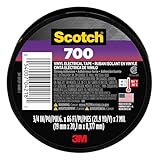
So, you’ve got a loose wire, maybe a bit of DIY gone slightly awry, and your brain immediately goes to that roll of black tape sitting in your toolbox. We’ve all been there, staring at a connection that looks like it’s about to give up the ghost, and the soldering iron feels like too much hassle, or maybe it’s just not on hand. The big question pops into your head: can electrical tape replace soldering? I’ve definitely asked myself that, and let me tell you, the answer isn’t a simple yes or no. It depends entirely on what you’re trying to achieve and, frankly, how long you expect it to last without falling apart.
Look, I’ve spent more time than I care to admit wrestling with wires and trying to get a reliable connection. Some days it feels like a science, others like pure guesswork. And electrical tape? It’s got its place, sure, but for important connections? That’s where things get dicey.
When Electrical Tape Thinks It’s Solder
Let’s cut to the chase. Electrical tape is primarily an insulator. Its job is to stop electricity from going where it shouldn’t, protecting you and the circuit from shorts. It’s made of vinyl, which, unlike solder, doesn’t conduct electricity at all. Solder, on the other hand, is a metal alloy that melts at a relatively low temperature, flows into the joint, and creates a strong, electrically conductive bond between two pieces of metal. It’s a permanent, mechanical, and electrical connection.
So, can electrical tape replace soldering? For making a connection conductive? Absolutely not. It’s like asking if a blanket can replace a battery. They serve completely different purposes. Electrical tape can’t join two wires together in a way that allows current to flow reliably. It can hold them near each other, maybe, but the resistance will be through the roof, or worse, the connection will be intermittent. Think about it: the conductive part of the wire is exposed. You wrap tape around it. The tape is keeping your fingers from touching the wire, and maybe keeping dust out, but it’s not actually connecting anything electrically.
Where people sometimes get confused is when they see electrical tape used after a solder joint has been made. This is common practice. You solder the wires, and then you wrap the joint with electrical tape (or heat shrink tubing) to insulate and protect the solder joint. This protects it from moisture, physical stress, and prevents it from shorting against anything else. So, it’s a important secondary step in many soldering jobs, not a replacement for the actual soldering part. I learned this the hard way trying to fix a cheap string of fairy lights with just tape. They flickered for about an hour and then died a smoky death. Lesson learned.
The Real Deal: What Solder Actually Does
Soldering is about creating a metallurgical bond. When you heat up solder wire and touch it to a clean, fluxed joint (like the ends of two wires twisted together, or a wire and a component leg), the solder melts and flows into the microscopic gaps between the metal surfaces. It basically becomes a tiny metal bridge. This bridge is highly conductive, allowing electricity to flow with minimal resistance. A good solder joint is strong, both mechanically and electrically. It’s not just ‘stuck together’; it’s actually fused.
The process requires heat, solder (typically a tin-lead alloy, or lead-free alternatives), and flux. The flux is key; it cleans the metal surfaces of oxidation and impurities, allowing the molten solder to adhere properly. Without flux, or with dirty wires, you’ll get a ‘cold solder joint’ – one that looks dull and lumpy, has high resistance, and is prone to failing. I once tried to solder some speaker wire without using flux, just twisting and heating. It looked okay, but the sound was crackly and weak. A quick re-do with flux made all the difference. That little bit of chemical wizardry is a must for a good joint. (See Also: Can I Use Electrical Tape To Connect Wires )
This is why electrical tape can’t even pretend to do the job. It’s a barrier, not a bridge. Imagine trying to make a river flow faster by putting a plastic sheet over it – it doesn’t help the water move. Solder is the flowing metal that makes the connection. Electrical tape is just the protective railing on the side of the riverbank. It’s vital for safety and preventing floods (shorts), but it doesn’t move the water (current).
My Own Stupid Tape Mistakes
Okay, confession time. Back in my early, slightly more reckless days, I had a perfectly good pair of headphones, but one of the thin wires leading to the earpiece frayed. Instead of digging out my soldering iron and fiddly little tips, I thought, ‘Electrical tape is for wires, right? I’ll just wrap it tight!’ So I stripped a tiny bit of insulation, twisted the hair-thin strands back together as best I could, and then wrapped the whole mess securely with that trusty black tape. For about two days, it worked. Gloriously. I was smug. ‘See?’ I thought, ‘Soldering is for nerds. Tape is the future!’
Then came the inevitable. The connection, never truly made, started to get flaky. A bit of static.
Sometimes one ear would cut out. Within a week, it was worse than before. The tape had done a great job of holding the frayed ends near each other, but the actual electrical contact was terrible.
It was like trying to have a conversation through a thick wall. The current was struggling to get through, and any slight movement would break the already-weak connection.
I ended up having to solder it properly anyway, and it’s been fine ever since. That experience taught me that while electrical tape is a lifesaver for insulating exposed wires or holding things temporarily, it’s utterly useless for creating a conductive path. (See Also: Can Electrica Tape Catch On Fire )
Another time, I was fixing a broken power cord for a small appliance. The wire had been nicked, exposing the internal strands. Again, the lazy route seemed appealing. Twist, tape, done. It lasted a bit longer, maybe three weeks, before the tape started to degrade from the heat generated by the poor connection, and the wire strands frayed further. It’s a fire hazard waiting to happen. The common advice is generally correct here: for anything carrying significant current or that needs to be reliable, soldering is the only way to go. Tape is for band-aids, not permanent fixes.
The ‘good Enough’ Test: When Tape might Not Be a Disaster
So, when could you possibly get away with using electrical tape in a wiring situation where soldering would normally be the go-to? Honestly, the list is pretty short and comes with serious caveats. The absolute best-case scenario is for very low-voltage, very low-current applications where the connection is not subjected to any physical stress or vibration. Think about a simple LED Christmas light string that’s gone bad, where one bulb’s lead has snapped, and you just need to bridge it temporarily to see if the rest of the string still works. Even then, it’s a temporary fix, and the resistance from just twisting wires together and hoping the tape holds them in contact is going to be higher than a solder joint.
Another scenario might be in a situation where you need to isolate a single wire from a bundle for testing purposes, and you don’t want it to touch anything else. You could tape over the stripped end. But again, this isn’t replacing soldering; it’s using tape for its intended purpose: insulation. If you have a very thin, low-power wire, like in some delicate sensor setups or hobby electronics where currents are measured in microamps, a very tight twist of the wires might create a connection that electrical tape can keep insulated. But even then, if the signal is important, you’ll regret not soldering.
The biggest trap is thinking that because electrical tape is designed for wires, it can do more than just insulate. It’s like having a hammer and thinking you can also use it as a screwdriver. You might be able to force it in some situations, but you’re going to damage both the ‘screw’ (your connection) and the ‘hammer’ (the tape’s integrity), and it’s never going to be as good as the right tool. For anything that’s going to be powered up, moved, or needs to be reliable long-term, electrical tape is not a substitute for soldering. It’s a temporary patch at best, and a potential hazard at worst.
Electrical Tape vs. Solder: A Practical Comparison
Let’s break down how these two methods stack up in real-world terms. It’s not even a contest, but understanding the differences is key.
| Feature | Electrical Tape | Soldering | My Verdict |
|---|---|---|---|
| Conductivity | None. It’s an insulator. | Excellent. Creates a low-resistance path. | Tape fails completely here. |
| Bond Strength (Mechanical) | Weak. Relies on adhesion of tape. | Strong. Creates a fused metal bond. | Solder wins by a mile. |
| Durability (Vibration/Movement) | Poor. Tape can loosen, connection fails. | Excellent. Fused joint withstands stress. | Tape is a ticking time bomb. |
| Ease of Use (Initial) | Very Easy. Twist and wrap. | Moderate. Requires practice and tools. | Tape wins if you’re lazy, but it’s a trap. |
| Reliability | Very Low. Prone to failure. | Very High. When done correctly. | Don’t trust tape for important things. |
| Heat Resistance | Poor to Moderate. Can degrade. | Good. Suitable for most electronics. | Soldering is built for heat. |
| Cost of Entry | Very Low. Tape is cheap. | Moderate. Iron, solder, flux, tools add up. | Tape seems cheaper, but failed repairs cost more. |
As you can see, electrical tape isn’t even in the same league when it comes to making electrical connections. Its purpose is insulation and protection after a connection is made or to prevent accidental contact. Trying to use it as the connection is fundamentally misunderstanding its role. I once tried to jury-rig a connection in a car’s headlight wiring using just tape and twisted wires. It worked for about 48 hours before the car started having intermittent light issues, and it turned out the tape had melted slightly and the connection was failing. I spent hours troubleshooting, only to find the shoddy taped connection was the culprit. (See Also: Can I Substitute Duct Tape For Electrical Tape )
Common Mistakes and What to Watch Out For
The biggest mistake, hands down, is thinking electrical tape can replace soldering for creating a conductive path. This is where most DIYers get burned, literally or figuratively. People see the tape on wires and assume it’s making the connection. It’s not. It’s insulating the connection that was made by twisting wires together (which is already a weak connection) or, more commonly, insulating a properly soldered joint.
Another mistake is assuming all electrical tape is the same. While most are vinyl, quality varies. Cheaper tapes can become brittle over time, lose their stickiness, or degrade when exposed to heat or UV light. For anything that’s going to be in a harsh environment or needs to last, spending a few extra bucks on good quality tape from a reputable brand like 3M or Scotch is worth it. But even the best tape won’t make a connection conductive.
Over-reliance on twisting wires together before taping is also a common pitfall. Even with tape, a simple twist is a poor connection. Wires can work loose, oxidize, or simply not make enough contact to carry current reliably. Soldering makes sure the wires are fused and remain in constant, low-resistance contact. People also forget about mechanical stress. A taped connection might hold for a while, but if the wire is pulled or bent, the tape can peel away, exposing the wires or breaking the connection entirely. Soldered joints, while brittle if stressed improperly during the soldering process, are a fused unit that can withstand much more abuse.
Finally, the ‘it works for now’ mentality is dangerous. That dodgy taped connection might seem fine until it overheats, sparks, or causes a component to fail. The cost of repairing the damage caused by a failed temporary fix often far outweighs the initial effort of doing it right. For instance, I’ve seen people try to tape off a faulty wire in a power strip. This might seem like it works, but it can lead to overheating of the remaining wires, potentially causing a fire. It’s never worth the risk. Always err on the side of caution and use the right tool for the job. If the job is making a reliable electrical connection, that tool is a soldering iron.
Verdict
So, to wrap it all up: can electrical tape replace soldering? No. Not if you actually want a functional, reliable electrical connection. Tape is for insulating and protecting, not for conducting or joining. It’s like trying to build a bridge out of rubber bands. You might hold things together for a bit, but don’t expect traffic to flow smoothly, or for it to last.
I’ve wasted time and money on quick-fix solutions that ended up costing me more in the long run. Soldering, while it takes a bit more practice and the right tools, is the only way to create a solid, dependable electrical bond. If you’re dealing with anything beyond a temporary, low-power, non-important situation, put down the tape and pick up the soldering iron.
My advice? If it’s a wire that carries power, heat, or a signal you care about, solder it. If you’re not sure, solder it. The peace of mind and reliability are worth the slight extra effort. And if you’re really in a bind and can’t solder, at least use proper crimp connectors or wire nuts, which are still better than tape for making actual electrical contact.