I remember the first time I tried to hang a heavy mirror. I grabbed some plastic anchors, hammered them in, and screwed the mirror on. Looked solid. For about three days. Then, with a sickening crunch, the whole thing came down, taking a chunk of my drywall with it. That was my rude introduction to the world of a anchors. It’s not as simple as just sticking something in a hole, and honestly, most of the advice out there is either too technical or just plain wrong.
You need to know what you’re actually dealing with when you’re trying to secure something to a wall. It’s not just about holding weight; it’s about the material you’re drilling into and the specific load you’re asking it to bear. Get it wrong, and you’re looking at damaged walls and potentially dangerous situations.
Why You Can’t Just Wing It with a Anchors
Look, we’ve all been there. You need to hang a picture frame, a shelf, maybe even a TV mount. You’ve got your drill, your screws, and maybe a little plastic doodad that came with whatever you’re hanging. The instinct is to just jam it all in and hope for the best. I’ve wasted more money on cheap anchors that failed spectacularly than I care to admit. The common advice often boils down to ‘use the right anchor for the job,’ which is true, but completely unhelpful if you don’t know what the ‘right’ one even looks like or what ‘the job’ entails.
The core of the problem is understanding what’s behind your drywall. Is it just plaster and lath?
Is it concrete block? Is it hollow studs? Each scenario demands a different approach. For instance, those little plastic expansion anchors, the ones that look like ribbed tubes, are okay for very light things like a small poster or a lightweight picture frame.
They work by expanding slightly as you screw into them, pushing outwards against the drywall. But ask them to hold anything with a bit of heft, and they’ll strip out the hole or just pull through the wall like a sad, defeated noodle. I learned this the hard way trying to hang a substantial bookshelf. It looked okay for a week, then one morning it just sagged, and by evening, it was a pile of books and splintered particleboard on the floor.
Total disaster.
The real trick with a anchors isn’t just the anchor itself, but the physics behind it. You’re trying to transfer the load from the object you’re hanging to the wall structure. If you’re screwing directly into a wooden stud, you’re in luck. That’s the gold standard. Wood is strong, and a screw driven into a stud can hold significant weight. But studs aren’t always where you need them to be. That’s where anchors come in – they act as a bridge, creating a stronger anchor point in materials that wouldn’t otherwise support the load. Understanding the difference between these methods is key to avoiding those embarrassing (and potentially costly) home improvement fails.
The Different Types of Anchors and When to Actually Use Them
Let’s break down the common players in the a anchors game. You’ve got your basic plastic expansion anchors, which I’ve already declared my personal nemesis for anything heavier than a tea towel.
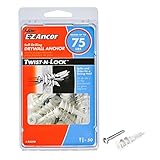
Then you graduate to what are often called self-drilling drywall anchors. These are usually made of plastic or metal and have a screw-like thread on the outside. You just spin them directly into the drywall without a pilot hole.
They offer a bit more holding power than the basic plastic ones because their threads bite into the drywall better. I’ve used these successfully for things like small spice racks or decorative shelves holding lightweight items. They’re easy to install, which is a big plus, but again, don’t go thinking you can hang a plasma TV on them. (See Also: Can Concrete Anchors Be Used In Brick )
Next up are the toggle bolts. These are the heavy hitters for hollow walls. They consist of a bolt with a spring-loaded wing or wings that fold up when you insert them through a hole in the wall.
Once inside the hollow space (like between drywall sheets), the wings spring open, and when you tighten the bolt, the wings pull against the back of the drywall, creating a really secure hold. You have to drill a bigger hole for these, and they can be a bit fiddly to install, especially if the space behind the wall is tight. But for hanging heavier items like substantial shelving units or even a ceiling fan in a plaster ceiling, they’re fantastic. I used toggle bolts to hang a massive antique mirror that probably weighed 50 pounds, and it’s been rock solid for years.
Then there are screw-in anchors, often made of metal. These look similar to the self-drilling ones but typically have a wider thread and are designed to go into drywall or plasterboard more firmly.
Some require a pilot hole. They offer a good balance between ease of installation and holding power for medium-weight items. For something like a coat rack that’s going to get yanked on, these are a decent choice if you can’t hit a stud. Finally, for masonry – brick or concrete walls – you need masonry anchors.
These are usually plastic sleeves that you drill a hole for, then insert the anchor. A screw is then driven into the sleeve, causing it to expand and grip the masonry. They are incredibly strong for their application.
Here’s a quick rundown, though remember this is a general guide:
| Anchor Type | Best For | Holding Power (General) | Ease of Install | My Verdict |
|---|---|---|---|---|
| Plastic Expansion | Very Light Items (posters, small frames) | Low | Very Easy | Avoid unless absolutely necessary for tiny things. |
| Self-Drilling Drywall | Light to Medium-Light Items (small shelves, decor) | Medium-Low | Easy | Decent for lighter loads, better than basic plastic. |
| Toggle Bolts | Medium to Heavy Items (shelving, cabinets in hollow walls) | High | Moderate (can be tricky) | My go-to for serious weight in hollow walls. |
| Screw-in Metal Drywall | Medium Items (coat racks, larger shelves) | Medium-High | Easy to Moderate | A solid choice when studs aren’t an option. |
| Masonry Anchors | Heavy Items (concrete, brick) | Very High | Moderate (requires masonry drill bit) | Key for brick or concrete walls. |
The Dreaded Drywall: Why It’s Such a Pain
Drywall. It’s cheap, it’s easy to work with, and it’s in pretty much every modern home. That’s why a anchors for drywall are such a big topic. But it’s also incredibly weak on its own. Think about it: it’s basically compressed gypsum plaster sandwiched between two sheets of paper. If you just screw into that, you’re relying on the paper to hold. That’s not going to cut it for anything that has a bit of weight or is going to be subjected to any kind of stress.
The key to understanding drywall anchors is knowing whether the wall is hollow or solid. Most interior walls are hollow. They consist of studs (usually wood or metal) spaced about 16 or 24 inches apart, with the drywall screwed to the sides of those studs. If you can locate a stud and drill directly into it, you’re golden. Screws driven into studs can hold hundreds of pounds, depending on the screw length and the stud’s condition. This is why stud finders are your best friend when hanging anything substantial, like a TV mount or a heavy cabinet.
But what happens when the spot you need to hang something is exactly between two studs? That’s where anchors become a must. The common mistake is underestimating the weight of the item, including what it might hold (like books on a shelf, or dishes in a cabinet).
People often use the little plastic anchors that come with the hardware and are surprised when it fails. My first bookshelf disaster? (See Also: Can Cords Be Used To Make Anchors Climbing )
It was entirely because I only used those flimsy plastic anchors, and the weight of the books was just too much over time. The hole ripped out, and everything came crashing down. It’s a classic example of relying on the weakest possible solution for a problem that requires a bit more fortitude.
The trick with drywall is to create a larger surface area for the anchor to bear against the back of the drywall. Toggle bolts do this by opening up like a butterfly. Molly bolts, another type, expand behind the drywall. Even self-drilling anchors work by threading into the drywall material itself, providing more grip than a simple hole. The better the anchor distributes the load across a wider area of the drywall, the more weight it can support. It’s all about physics and material science, really, but you don’t need a PhD to figure out the basics.
When Common Advice Gets It Wrong (and What to Do Instead)
Here’s a contrarian take for you: the idea that you must hit a stud for everything is often overkill, and sometimes, it’s just not practical. Yes, hitting a stud is ideal for maximum strength and peace of mind. But what if you want to hang a decorative shelf in the middle of a wall where there are no studs in sight? Or what if the stud is in the wrong place for your intended mounting point? Constantly rearranging furniture or giving up on a design idea because you can’t hit a stud is a way to live in a very bland, uninspired home.
The common advice often paralyzes people into thinking if they can’t hit a stud, they shouldn’t hang anything. I disagree. The real mistake isn’t failing to hit a stud; it’s using the wrong anchor when you miss. Most people think of those cheap plastic anchors as the default ‘no stud’ option. They are garbage for anything beyond a small picture frame. My personal rule of thumb is this: if the item you’re hanging weighs more than a pound, or if it’s something that will be frequently touched or stressed, forget the plastic anchors. Immediately.
Instead, invest in quality toggle bolts or heavy-duty screw-in metal anchors for hollow walls. I remember needing to mount a fairly heavy soundbar beneath my TV. My stud finder showed the studs were too far apart for the soundbar’s mounting bracket. My instinct wasn’t to give up; it was to reach for the toggle bolts I keep in my toolbox. I drilled the appropriate-sized holes, inserted the toggle bolts, tightened them down securely, and mounted the soundbar. It’s been perfectly stable for over a year, holding a surprisingly weighty piece of electronics without a single creak. This is what happens when you ignore the ‘stud only’ dogma and use a anchor designed for the job.
Another piece of bad advice I hear is about over-tightening. Some people crank down on anchors until they feel like they might strip the hole or break the anchor. This is often counterproductive. For plastic anchors, over-tightening can actually crack the plastic, reducing its holding power. For toggle bolts, you need them snug, but not so tight that you’re crushing the drywall. The goal is to get the anchor to engage securely with the material behind the drywall, not to brute-force it into submission. Learning the feel of a properly seated anchor is part of the experience.
Practical Tips for Installing a Anchors Like a Pro
Alright, let’s get down to brass tacks. You’ve got your item, you’ve assessed your wall, and you’ve hopefully picked out a decent set of a anchors. Now what? First, always, always read the manufacturer’s instructions. They usually specify the weight rating for their anchors and the type of wall they’re best suited for. Don’t just assume. I’ve seen people ignore these warnings and pay the price.
When installing anchors that require a pilot hole (like toggle bolts or masonry anchors), drill the hole to the size recommended by the anchor manufacturer. Too small, and you won’t get the anchor in. Too big, and it won’t grip properly. Use a drill bit that’s appropriate for the material. For drywall, a standard wood bit is fine. For masonry, you absolutely need a masonry bit, and it needs to be sharp. I once tried to drill into brick with a wood bit. It was a pathetic, dusty mess, and I made zero progress. Invest in the right tools for the job.
For toggle bolts, make sure you’ve got enough clearance behind the drywall for the wings to open. If you’re dealing with a very thin wall or a wall that has been insulated directly behind the drywall, you might have issues. In those cases, you might need to consider different types of anchors or even a different mounting strategy. Always check for electrical wires or plumbing before drilling. A stud finder often has a setting for detecting live AC wires, which is a lifesaver. A quick tap with a small drill bit first can also tell you if you’re hitting something solid or if the drill spins freely.
Here’s a simple installation process for toggle bolts, as they’re a common need: (See Also: Can Anchors In Your Shoulder Break )
- Mark your spot: Hold your item or bracket against the wall and mark exactly where you need the holes.
- Drill the pilot hole: Using the correct size drill bit (check the anchor packaging!), drill a hole at your marked spot. Be prepared for a bit of dust.
- Insert the anchor: Fold the toggle wings flat against the bolt. Push the bolt through the hole in the wall. The wings will spring open behind the drywall.
- Tighten the bolt: Pull back slightly on the bolt to keep the wings pressed against the back of the drywall. While holding it, tighten the bolt until the anchor feels secure. Do NOT overtighten and strip the threads or crush the drywall.
- Attach your item: Once the anchor is secure, you can screw your item or bracket onto the bolt.
Finally, when it comes to weight ratings, take them with a grain of salt. A manufacturer’s rating is usually for static loads in ideal conditions. If the item will be subjected to movement, vibration, or is going to hold items that shift (like books), err on the side of caution and choose an anchor with a higher weight capacity than you think you’ll need. I always double up or use a beefier anchor than the package suggests if I’m even slightly uncertain.
Faq: Your Burning a Anchors Questions Answered
What Is the Strongest Type of Wall Anchor?
The strongest type of wall anchor generally depends on the wall material. For hollow walls like drywall, toggle bolts and heavy-duty molly bolts are among the strongest options. For solid masonry (brick, concrete), specialized masonry anchors are incredibly solid. The true strength also depends on proper installation and the anchor being correctly sized for the load.
Can You Hang a TV with Drywall Anchors?
For most TVs, absolutely NOT with standard drywall anchors. TVs are heavy and require mounting directly into wall studs or using specialized heavy-duty TV mounts designed for studs. Using drywall anchors for a TV is extremely dangerous and will likely result in the TV falling. Always locate studs or use a mount specifically designed for your wall type and weight capacity.
How Do I Know If I’m Drilling Into a Stud?
The most reliable way is to use a stud finder, which can detect the density change between drywall and a stud. You can also try the ‘tap test’ – a hollow sound usually means no stud, while a solid thud suggests you’ve found one. Sometimes, you can find studs by looking for nail or screw heads on the wall, but this isn’t always accurate. Once you think you’ve found a stud, drill a small pilot hole to confirm – you’ll feel more resistance if you hit solid wood.
What’s the Difference Between a Screw Anchor and a Toggle Bolt?
A screw anchor (like a self-drilling drywall anchor) screws directly into the drywall material itself, relying on its threads to grip. A toggle bolt works by inserting a piece with collapsible wings through a larger hole; once inside the wall cavity, these wings expand and catch the back of the drywall, distributing the load over a wider area. Toggle bolts generally offer significantly higher weight capacities than most screw anchors.
Can I Reuse a Wall Anchor?
Generally, no, you should not reuse wall anchors, especially plastic ones or those that have been significantly stressed. Once a plastic anchor has been expanded or a toggle bolt has been deployed, its integrity is compromised. Reusing them can lead to a weaker hold and potential failure. It’s always best to use a fresh anchor for each installation to make sure safety and reliability.
How Do I Fix a Hole From a Wall Anchor?
Small holes from plastic or screw-in anchors can usually be patched with lightweight spackling paste. You’ll want to press the paste into the hole, smooth it flush with the wall, let it dry, sand it smooth, and then prime and paint. Larger holes, especially those from toggle bolts or failed anchors that have ripped out drywall, will require a drywall repair patch kit and a bit more spackling or drywall compound to fill and blend smoothly.
Final Thoughts
So, there you have it. Navigating the world of a anchors isn’t rocket science, but it definitely requires more thought than just grabbing the cheapest option. Understanding what you’re drilling into and the weight you need to support is half the battle. Don’t be afraid to spend a few extra bucks on better quality anchors; it’s a small price to pay compared to the cost of a damaged wall or a fallen item.
My biggest takeaway has always been to err on the side of caution. If you’re unsure, go with a stronger anchor. Read the instructions, use the right drill bit, and don’t rush the process. Those flimsy plastic things are rarely the answer for anything that matters. Invest in a good set of toggle bolts and some sturdy masonry anchors, and you’ll be prepared for most common hanging tasks.
Next time you need to hang something, take a moment to assess the situation. Is it heavy? Is it hollow wall? Is it solid brick? A few minutes of planning can save you hours of repair work and a lot of frustration. And seriously, keep a few toggle bolts handy; they’ve saved my bacon more times than I can count.