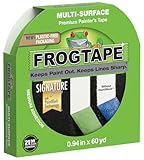
I stood there, brush in hand, staring at the perfectly taped-off trim. The first coat was dry, a nice even coat of eggshell blue. Now came the dreaded question that had been gnawing at me all afternoon: can I leave painters tape on for second coat? I’d heard horror stories. Peeling paint, jagged lines, the whole nine yards. My DIY heart sank a little. Was I about to mess up hours of careful work because I wanted to save fifteen minutes of taping?
When Does That Blue Line Become a Problem?
Look, nobody likes re-taping. It’s tedious.
It’s dusty. It’s the part of painting that makes you question your life choices. So, the instinct is to leave that tape on, slap on the second coat, and call it a day. But here’s the kicker: it’s not always that simple.
The real enemy here isn’t the tape itself, but how long it’s been subjected to that first coat of paint and how long it’s going to sit there for the second. Most decent quality painters tape, the kind that’s actually worth your cash, is designed to be removed within a certain timeframe. We’re talking generally 24 hours, sometimes a bit less, sometimes a bit more depending on the specific product and the paint you’re using.
Once that paint cures beyond a certain point, it’s like it starts to bond with the tape’s adhesive. It’s not a chemical reaction, not really, but more like a physical adhesion. That’s when you start running into trouble. You pull the tape, and a thin, ghostly line of the previous coat comes right up with it.
Or worse, a chunk. Suddenly, your crisp, clean line looks like a topographical map of a very sad mountain range.
I learned this the hard way on a kitchen renovation. I was in a rush, had a big party coming up, and thought, ‘Ah, I’ll just leave the tape on overnight.’ Big mistake. That expensive, supposedly high-performance tape that promised clean lines?
It betrayed me. The next morning, when I went to pull it, it was like trying to unstick a postage stamp that had been glued down with superglue and then left out in the rain. Little bits tore off, and the paint edges were ragged. I spent another three hours with a tiny artist’s brush and a steady hand, trying to fix the damage.
So, while the answer to ‘can I leave painters tape on for second coat’ is technically ‘yes, sometimes,’ it’s a massive ‘it depends.’ And that ‘depends’ is usually tied to timing and temperature.
Hot, humid days? Your paint dries faster, but it can also cure harder, making tape removal trickier.
Cool, dry days? It might take longer to dry, but the paint might be less likely to adhere too strongly to the tape.
The ‘wait, What Kind of Tape Am I Even Using?’ Factor
This is where I see so many people shoot themselves in the foot. They grab whatever roll of blue tape is cheapest at the hardware store.
Big mistake. Not all painters tape is created equal. Seriously.
You have the cheap stuff, which is basically just paper and glue that’s designed to fall off if you look at it too hard. Then you have mid-range stuff, which is okay for a quick job or if you’re painting a wall that’s already a light color. And then you have the good stuff – the stuff that’s formulated for delicate surfaces, or for leaving on for longer periods.
These tapes often have a more advanced adhesive that’s designed to stick well enough to create a seal but also release cleanly. They might be a bit pricier, maybe $10-$15 a roll compared to $3-$5 for the bargain bin stuff, but trust me, the time you save (and the paint you don’t have to fix) is well worth it.
I’ve seen people use the cheap, sticky-backed masking tape that’s meant for, like, wrapping gifts. That stuff is a nightmare waiting to happen. It leaves residue, it rips paint, it’s just… bad.
When you’re buying tape, especially if you know you might be leaving it on for a bit, look for terms like “delicate surface,” “multi-surface,” or “long-lasting.” Some brands even specify how long you can leave them on. For example, 3M Scotch Blue has different lines, and some are designed for up to 14 days of clean removal, while others are for shorter periods. Sherwin-Williams offers their own lines, and Benjamin Moore has their favorites too. (See Also: Does Painters Tape Pull Off Paint )
The key is to read the packaging. It’s not just marketing fluff. That little blurb tells you if the tape is formulated to handle a bit of a wait.
I once tried to paint a room with a really dark, saturated color over a light primer, and I knew I’d need to let the first coat cure for a good long while before taping. I went with a tape specifically labeled for ‘extended removal,’ and it saved my bacon. No lifting, no bleed-through, just perfect lines.
The cheap stuff? Forget it. It’s a gamble, and the odds are usually stacked against you.
| Tape Type | Adhesive Strength | Clean Removal Likelihood (after 24 hrs) | Opinion/Verdict |
|---|---|---|---|
| Basic Masking Tape (Brown paper) | Low to Medium | Poor | Avoid for painting trim. Leaves residue, rips paint. |
| Standard Blue Painters Tape | Medium | Good (if removed promptly) | Decent for quick jobs. Risk increases with time. |
| Delicate Surface Tape (often green or purple) | Low to Medium (specialty adhesive) | Excellent | Good for freshly painted surfaces or delicate finishes. Can be left on longer. |
| Multi-Surface/Long-Term Tape (often blue with specific branding) | Medium to High (designed for clean release) | Very Good to Excellent | Your best bet if you anticipate leaving it on for a second coat or for extended periods. |
The Paint Itself: A Bigger Player Than You Think
Okay, so you’ve got your fancy tape, and you’re feeling good. But there’s another piece of the puzzle that often gets overlooked when we’re asking ‘can I leave painters tape on for second coat?’: the paint itself. Different paint formulations behave differently, and this massively impacts how well your tape will perform.
We’re talking about the sheen, the pigment load, and even the drying agents within the paint. A really flat, matte paint might be more forgiving because it dries to a powdery finish that doesn’t adhere as tenaciously. But a satin or semi-gloss finish?
Those tend to cure to a harder, more plastic-like surface. If you leave tape on that for too long, especially if the first coat is thick, it’s like you’re creating a mini-bond between the tape and that hard-cured paint film.
Then, when you try to pull the tape, you’re pulling off a piece of that plastic film, not just the top layer of paint.
I remember painting a bathroom with a semi-gloss enamel. I’d carefully taped off the wainscoting. I did one coat, and it looked great.
Then I waited about eight hours – I was impatient, what can I say? – and applied the second coat.
The paint was thick, and it went on beautifully. But when I pulled the tape that night, it was a disaster. The semi-gloss finish had basically glued itself to the tape.
It pulled up the first coat in places, leaving a rough, uneven edge. I had to scrape, sand, and re-tape sections.
The lesson? Higher sheens and paints with heavier pigment loads often require more patience. You might need to let that first coat cure for a full 24 hours, or even longer, before you even think about applying the second coat, let alone leaving tape on.
Some water-based paints are better than oil-based in this regard, generally being more flexible once dry. But even then, the formulation matters. Always check the manufacturer’s recommendations for drying and recoating times.
They aren’t just there to annoy you; they’re based on how the paint is designed to perform.
The ‘wait for It’ Strategy: Patience Is a Virtue (and a Paint Saver)
This is where I have to be blunt. Everyone wants to be done. Everyone wants that satisfying feeling of a finished room. But when it comes to paint, and specifically to whether or not you can leave painters tape on for second coat, patience isn’t just a virtue; it’s a practical necessity if you want decent results.
The common advice to ‘remove the tape while the paint is still slightly wet’ is often misunderstood or misapplied. What that really means is removing it when the paint is dry to the touch but not fully cured. If you wait too long, that paint cures into a solid film that can bond with the tape. (See Also: Does Painters Tape Rip Paint Off Walls )
Trying to pull tape off fully cured paint is where you get those jagged, ripped edges.
So, what’s the sweet spot? It varies. Generally, a few hours after the first coat is dry to the touch is a good starting point. For most latex or acrylic paints, this might be anywhere from 2 to 6 hours, depending on humidity and temperature.
The key is that the paint shouldn’t be soft or easily smudged. But it also shouldn’t be rock-hard.
You want to pull the tape at an angle, slowly and steadily. If you feel significant resistance, stop.
Back up. Maybe you waited too long.
Or maybe the tape isn’t the right kind. This is where I often find myself gently lifting a corner, testing the resistance, and then deciding whether to proceed or wait longer.
I’ve seen DIYers leave tape on for days, thinking they’re being efficient, only to find themselves with a huge mess. My personal rule of thumb, especially with trickier colors or sheens, is to err on the side of caution.
If I’m unsure, I’ll wait the full 24 hours, then carefully score the edge of the tape with a utility knife or a specialized tape-removing tool before pulling. This scoring breaks any potential bond between the paint and the tape, giving you a clean edge even if the paint has cured hard.
It adds a minute per foot, but it’s a hell of a lot faster than repainting a whole wall.
Common Mistakes and How to Avoid Them
Let’s talk about the screw-ups. Because I’ve made them, and I’ve seen them. The biggest one, hands down, is not understanding the interplay between tape, paint, and time. People think painters tape is foolproof. It’s not. Here are the common pitfalls:
- Using the wrong tape: As I’ve hammered home, cheap, generic masking tape is a recipe for disaster. It’s not designed for clean paint lines and often leaves residue or pulls up paint. Always use tape specifically made for painting.
- Leaving it on too long: This is the classic error. The paint cures, bonds with the tape, and then you get those awful jagged edges. Resist the urge to leave it on for days. Adhere to recoat times or use the ‘dry to the touch, not fully cured’ rule.
- Pulling too fast or at the wrong angle: Yanking the tape off like you’re ripping off a band-aid is a guaranteed way to get a torn paint line. Pull slowly, at a 45-degree angle, keeping tension on the tape.
- Not pressing the tape down properly: This sounds simple, but if the tape isn’t sealed down all along the edge, paint will seep underneath, creating fuzzy lines. Run your fingernail or a putty knife along the edge to create a good seal.
- Painting over the tape edge: Sometimes, in an effort to get good coverage, people paint right over the edge of the tape itself. This makes the tape harder to remove cleanly and can lead to paint peeling. Aim to paint just up to the edge.
- Ignoring the paint’s drying/curing time: Every paint is different. High-gloss paints cure harder and faster than matte. Water-based paints generally dry faster than oil-based. Always check the can for recoating recommendations.
To avoid these, my strategy is usually a layered approach. First, I invest in decent tape – I’m usually reaching for a multi-surface blue tape. Second, I respect the paint’s drying times. I’ll set a timer if I have to.
Third, I always do a test pull on a small, inconspicuous section before committing to pulling the whole length. If it feels like it’s going to rip, I put the tape back down and wait longer, or I’ll carefully score the edge with a razor blade. Scoring is like a cheat code for stubborn tape. It creates a clean break, preventing the paint from tearing, even if it’s bonded pretty well.
It’s a bit more work upfront, but it saves a massive headache and looks so much more professional. Remember, the goal is crisp lines, not a race to the finish line.
The Real-World Test: My ‘second Coat Surprise’
I was working on a really tricky accent wall. It was a deep teal, almost black, and I wanted to put a lighter, creamy white trim around a built-in bookshelf.
The first coat of teal was on, and it looked amazing. Now for the trim.
I meticulously taped off the edges of the bookshelf. I applied the first coat of white, carefully avoiding painting over the tape. It dried to the touch in about two hours. It was a warm day, and I was feeling confident. (See Also: Does Masking Tape Work The Same As Painters Tape )
I thought, ‘Okay, the second coat should go on smooth, and then I can just pull this tape right off.’ So, I applied the second coat of white. It looked fantastic. Crisp.
Clean. I waited maybe another hour, just to be safe, and went to pull the tape. Big mistake.
It was like the teal paint had decided to become one with the white paint and the tape. As I pulled, the tape started to lift the teal paint. Not just a little bit, but in chunks.
I could see the raw drywall peeking through in places. My heart sank. All that careful taping, ruined.
I immediately stopped pulling. I assessed the damage. It was bad. I realized my mistake: I had let the first coat of teal cure too much, and then the second coat of white had basically bonded to that cured surface through the tape.
The tape, in this case, was a good quality multi-surface one, so it wasn’t the tape’s fault. It was the paint-to-paint adhesion issue over a long period. My only recourse was to gently peel back the damaged tape, let the white paint cure fully, and then go back with a fine-tip brush and painstakingly touch up the teal where it had been pulled.
Then, I had to re-tape those sections, being extra careful not to press too hard, and apply a final, thin coat of teal. It took me an extra afternoon to fix.
The lesson? Sometimes, waiting longer is the only way to go. If you’re dealing with high-contrast colors, or paints with a high sheen, assume you might need to wait a full 24 hours before removing the tape, or at least score the edge carefully before pulling. Don’t be like me and learn the hard way.
Your sanity (and your paint job) will thank you.
People Also Ask:
Can You Leave Painter’s Tape on Overnight?
Yes, you can typically leave painter’s tape on overnight, especially if it’s a good quality multi-surface or long-term removal tape. However, it’s important to make sure the first coat of paint is dry to the touch. Leaving tape on for much longer than 24 hours, particularly with certain paint types or in humid conditions, increases the risk of the paint bonding to the tape, leading to peeling or jagged lines upon removal.
When Should You Remove Painter’s Tape?
The ideal time to remove painter’s tape is when the paint is dry to the touch but not fully cured. This usually means a few hours after application, but it can vary significantly based on the paint’s formulation, temperature, and humidity. If you’re unsure, it’s often safer to wait 24 hours and then score the edge of the tape with a utility knife before pulling to make sure clean lines.
What Happens If You Leave Painter’s Tape on Too Long?
If you leave painter’s tape on for too long, the paint can cure and bond with the adhesive on the tape. When you eventually try to remove the tape, it can pull up the paint, leaving behind ragged or torn edges. It can also leave behind sticky residue. This is especially common with higher sheen paints or in humid environments where paint cures differently.
How Do I Get Clean Lines with Painter’s Tape?
To get clean lines, start by using a good quality painter’s tape suitable for your surface. Press the tape down firmly along all edges to create a tight seal, preventing paint bleed. Apply paint in thin, even coats, avoiding painting directly over the tape edge if possible. Remove the tape slowly and at a 45-degree angle while the paint is still dry to the touch but not fully cured. If you’ve waited longer, scoring the edge of the tape with a sharp blade before pulling can help break any paint bond.
Final Thoughts
So, the short answer to ‘can I leave painters tape on for second coat’ is: yes, but with major caveats. It’s not a ‘set it and forget it’ situation. You’ve got to be smart about the tape you use, the paint you’re dealing with, and most importantly, the timing. My advice? Always read the tape’s packaging, check your paint’s recoat times, and if in doubt, err on the side of patience. That little bit of extra waiting or a quick score with a blade will save you a world of hurt compared to fixing a botched paint line.
Don’t be that person who ruins a perfectly good paint job because they were in a rush. Take your time, be methodical, and you’ll get those sharp, professional-looking lines you’re after. And hey, at least you know now, right? You’ve got the intel to avoid my mistakes.
Next time you’re taping off, remember this conversation. Are you going to risk it, or play it safe?