Man, I remember the early days of 3D printing. Fiddling with gluesticks, hairspray, even weird proprietary goops. The biggest headache? Getting that first layer to stick. It’s a whole thing, right? People ask, can I put painters tape on a heated bed, and the honest answer isn’t a simple yes or no. It’s more like, ‘well, it depends, and here’s what you’re really getting into.’ I’ve wasted more than my fair share of filament and print time on adhesion solutions that just didn’t cut it. So, let’s cut to the chase on this one.
Why Painters Tape Isn’t the Magic Bullet You Think
Look, I get the appeal. Painters tape, that blue or green stuff you grab at any hardware store, seems like a cheap and easy fix for print bed adhesion. It’s readily available, relatively inexpensive, and most people have some lying around. The theory is simple: lay down a layer of tape, and your filament has something to grab onto.
But here’s the blunt truth I learned the hard way: while it can work in a pinch, it’s often more trouble than it’s worth, especially for consistent, high-quality prints. I once spent an entire weekend trying to get PETG to stick to painters tape on my heated bed, only to end up with a warped mess and tape peeling off mid-print.
It was infuriating. The heat from the bed, especially if you’re running hotter temps for materials like ABS or ASA, can degrade the adhesive and the paper itself. This leads to bubbles, peeling edges, and ultimately, failed prints.
It’s not designed for sustained high temperatures, and that’s its biggest downfall. If you’re just dabbling with PLA at lower temps, you might get away with it for a few prints, but don’t expect it to be a long-term solution for serious printing.
It’s like using a garden hose to fight a wildfire; it might get a little wet, but it’s not the right tool for the job.
The biggest issue is consistency. Different brands of painters tape have different adhesives and paper thicknesses.
Some might hold for a few prints, others will start to fail within the first hour. You’re basically rolling the dice every time you start a print. You also have to be meticulous about application. Any overlap, wrinkle, or air bubble under the tape is a potential failure point.
You’ll spend more time prepping the bed with tape than you would with a more reliable surface. Plus, when the tape starts to degrade, it can leave behind paper residue on your print surface that’s a nightmare to clean off.
I’ve seen people try to use multiple layers of tape, thinking more is better. It just makes it worse. The uneven surface from layered tape causes elephants foot and can throw off your first layer calibration. It’s a slippery slope into print bed frustration.
What to Look for (and Avoid) in Bed Adhesives
Alright, so if painters tape is a shaky foundation, what should you be looking for? The goal is a surface that provides excellent adhesion at printing temperatures but allows for easy removal once cooled. This is where specialized build surfaces and adhesives shine. Think of it like this: you wouldn’t use duct tape to secure a delicate glass figurine, right?
You’d use something designed for the job. For 3D printing, that means looking at materials specifically engineered for this purpose. Common recommendations you’ll see everywhere are PEI sheets, glass beds with coatings like BuildTak, or even just plain glass with a good adhesion promoter. PEI (Polyetherimide) is a popular choice for a reason.
It’s a thermoplastic known for its excellent thermal stability and print surface properties. It offers fantastic adhesion for a wide range of filaments, from PLA and PETG to ABS and nylon, and usually releases prints cleanly when the bed cools down. They come in smooth or textured versions, with the textured ones giving your prints a nice finish on the bottom layer.
When you’re shopping, check the reviews. Real users will tell you if a particular build surface is a nightmare to clean, if it degrades quickly, or if it’s a pain to get prints to stick. I once bought a cheap, no-name ‘PEI’ sheet that was incredibly inconsistent. Some prints would stick too well, others wouldn’t stick at all.
Turns out, it wasn’t true PEI; it was some cheap plastic masquerading as it. Stick to reputable brands. For adhesion promoters, you’ve got options like gluesticks (PVA-based are good), hairspray (aquanet extra hold is a classic for a reason), or specialized 3D printing adhesives like Magigoo. The key with these is moderation. (See Also: Does Painters Tape Pull Off Paint )
Too much can make removal impossible, especially with flexible filaments. Too little, and you’re back to square one. A light, even coat is usually all you need. And for goodness sake, avoid anything that feels overly sticky or gummy at room temperature.
That’s a recipe for disaster when the heat kicks in. You want something that becomes tacky, not gooey, when warm.
My Real-World Experience: The Hairspray Debacle
I’ll never forget the first time I decided to go all-in on hairspray for my heated bed. I was printing some complex parts in PETG, and my PLA prints had been sticking okay-ish to the bare glass, but PETG was a whole different beast. I’d heard whispers about hairspray, seen tons of forum posts, and thought, ‘How hard can it be?’
So, I grabbed the cheapest can of extra-hold I could find at the drugstore – probably cost me $4. My heated bed was set to 70°C, a pretty standard temp for PETG.
I gave the glass bed a good, liberal coating, thinking ‘more hold, more stick.’ Big mistake. As the bed heated up, the hairspray didn’t just become tacky; it started to liquefy and bubble in places. My first layer went down like a melted mess.
It looked like a poorly made pancake. When I tried to stop the print, the filament was basically fused to the bed. It took me nearly an hour, a lot of scraping with a plastic spatula, and a nearly full bottle of isopropyl alcohol to get the thing clean enough to try again. The second attempt, I went much lighter on the spray, and it was better, but still… it was messy.
Hairspray feels like a hack, and while it can work, it introduces variables you don’t need if you’re aiming for reliability. It’s a budget solution that can cost you more in time and failed prints than a proper build surface.
The problem with hairspray, and a lot of DIY adhesion methods, is that they’re often temperature-dependent and can degrade over time. They can also create a barrier that’s too effective, making print removal a wrestling match. I’ve had prints literally fuse to the bed with too much hairspray, requiring me to take the bed off the printer and even pop it in the freezer for a bit to get them to release.
That’s not ideal. The smell can also be a bit much, especially if you’re printing in a small, enclosed space. I switched to a glue stick next, which was a bit cleaner and more controllable, but still not perfect.
It always felt like I was constantly babysitting the bed adhesion, rather than just trusting it to work.
The Contrarian View: When Painters Tape might Not Be Terrible
Now, I know I’ve been pretty down on painters tape for heated beds. But here’s where I’ll offer a slightly different perspective.
Everyone online, and I mean everyone, will tell you painters tape is a garbage fire for heated beds. I disagree, but with a massive caveat.
If you are printing only PLA, and your heated bed is set to a relatively low temperature (say, 50-60°C), and you are using a high-quality, thick painters tape (not the cheap thin stuff), you can get decent results for a limited number of prints. The key here is ‘limited number’.
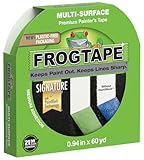
This isn’t a set-it-and-forget-it solution. You’ll likely need to reapply tape after every few prints, or even after every print if you’re seeing any signs of lifting. It’s also important to use the right kind of tape. Brands like 3M Scotch Blue Original or FrogTape are generally thicker and have a more solid adhesive than the bargain-bin brands. (See Also: Does Painters Tape Rip Paint Off Walls )
These are designed to have stronger tack and some level of moisture resistance, which helps a little with the heat.
My contrarian point is this: for absolute beginners who are terrified of messing with glues or sprays, and are only printing PLA, using a carefully applied layer of good quality painters tape can be a gateway to understanding bed adhesion. It’s a low-stakes way to experiment. You see the print stick, you see it come off (hopefully!), and you build confidence. But you must understand its limitations.
The moment you try to print anything else, or if your bed temperature creeps up, or if you need consistent, repeatable results for production runs, painters tape will fail you. It’s a temporary bridge, not a destination. I’ve seen printers with very low bed temperatures (like, 45°C for PLA) where the tape holds up surprisingly well.
It’s the heat that kills it. So, while I wouldn’t recommend it for anything serious, calling it universally terrible might be too harsh for that specific, narrow use case.
Common Mistakes When Using Painters Tape on a Heated Bed
Let’s talk about the screw-ups. Because, trust me, I’ve made them all when I was trying to make painters tape work.
The most common mistake is assuming all painters tape is created equal. That cheap roll you got at the dollar store? It’s likely too thin, the adhesive will melt and ooze, and the paper will get soggy. Always opt for a reputable brand known for quality.
Another huge error is not preparing the bed properly before applying the tape. If your glass bed is dirty, greasy, or has old adhesive residue on it, the tape won’t stick well, and neither will your print. Always clean your bed thoroughly with isopropyl alcohol (IPA) before applying tape.
Application itself is a minefield. People lay tape down too quickly, creating air bubbles and wrinkles.
These imperfections create gaps where filament can ooze or lift, ruining your first layer. You need to apply it slowly, overlapping each strip slightly, and smoothing it down firmly with a hard, flat object like a credit card or a small squeegee. Think of it like applying a screen protector on your phone – patience and precision are key.
Ignoring the heat is another classic mistake. If your heated bed is running too hot for the tape, the adhesive will fail. Most standard painters tapes are not rated for sustained temperatures above 60-70°C.
If you’re printing ABS or ASA, which often require bed temps of 90-110°C, painters tape is simply not an option. It will warp, bubble, and peel away, taking your print with it. Overlapping too much is also a problem.
While slight overlap is necessary for coverage, excessive overlap creates an uneven surface that can mess with your Z-offset and first layer squish. Lastly, people often expect painters tape to last forever. It’s a consumable.
The adhesive degrades, the paper can tear or become saturated with filament. You need to be prepared to replace it regularly, sometimes after every single print, if you want reliable adhesion. It’s not a permanent solution.
Practical Tips for Adhesion on a Heated Bed
Since we’re talking about making things stick, let’s get practical. If you absolutely must use painters tape, here’s how to eke out the best performance. First, choose your tape wisely. Go for a ‘multi-surface’ or ‘delicate surface’ tape if you’re worried about residue, but for adhesion, a standard blue or green ‘contractor’ grade tape from a known brand like 3M or FrogTape is usually best. (See Also: Does Masking Tape Work The Same As Painters Tape )
Look for thicker, heavier paper. Second, clean your bed like it’s going into surgery. Isopropyl alcohol (90% or higher) is your best friend.
Make sure the bed is cool before you clean it, then let it dry completely. Third, apply the tape in strips, overlapping each strip by about 20-30%. Use a hard, flat edge – like an old credit card, a plastic scraper, or even the edge of a ruler – to squeegee out any air bubbles and make sure a smooth, flat surface. Start from the center and work your way outwards.
Don’t rush this step. Patience here prevents headaches later.
Fourth, consider your print material and temperature. If you’re printing PLA, keep your bed temp between 50-60°C. If you’re printing PETG, you’ll likely need higher temps (70-80°C), and painters tape will start to struggle.
For ABS or ASA, forget about it. Fifth, if you find the tape alone isn’t enough, a very light mist of hairspray (Aquanet Extra Super Hold is a classic for a reason) applied over the tape can boost adhesion.
Do this with the bed cool or just slightly warm, and use a very light, even coat. Too much will create a gummy mess.
Alternatively, a thin, even layer of PVA-based glue stick, applied while the bed is cool and then allowed to dry, can also help. Finally, remove your prints when the bed has cooled down. This makes a huge difference.
Prints often pop right off once the surface has contracted slightly. If it’s still stuck, a gentle flex of the build plate or a very thin, flexible spatula should do the trick. Don’t force it, or you’ll damage the tape and potentially the bed surface.
The Faq: Your Burning Questions Answered
Can I Use Painters Tape on a Heated Glass Bed?
Yes, you can technically use painters tape on a heated glass bed, but with significant limitations. While it might provide some adhesion for materials like PLA at lower bed temperatures (around 50-60°C), it’s not a reliable long-term solution. The heat can degrade the tape’s adhesive and paper structure, leading to bubbles, peeling, and failed prints. It’s best considered a temporary fix or a starting point for absolute beginners, not a professional solution.
Will Painters Tape Melt on a Heated Bed?
Painters tape itself won’t typically melt in the way plastic does, but the adhesive can become very soft and gooey at higher temperatures, effectively acting like a melted glue. The paper backing can also absorb moisture and become saturated, leading to warping and a loss of adhesion. If your heated bed is consistently above 70°C, you’re pushing the limits of most standard painters tapes, and the adhesive will likely fail.
Does Hairspray Work Better Than Painters Tape on a Heated Bed?
In many cases, yes, hairspray can offer better adhesion than painters tape on a heated bed, especially for more demanding filaments like PETG. Hairspray, when applied correctly in a thin, even layer, creates a tacky surface that grips the filament well. However, it also has its own drawbacks, including potential for a messy application, difficult removal if over-applied, and the presence of fumes. It’s often a step up from painters tape but still not as consistent as dedicated build surfaces like PEI.
What Can I Use Instead of Painters Tape on My 3d Printer Bed?
There are many superior alternatives to painters tape for 3D printer beds. Popular options include PEI sheets (smooth or textured), BuildTak or similar build surface stickers, Kapton tape (more durable but less forgiving), or simply a clean glass bed treated with a PVA glue stick or a specialized 3D printing adhesive like Magigoo. Each has its pros and cons, but most offer significantly better and more consistent adhesion than painters tape.
How Do I Remove Prints From Painters Tape?
The best way to remove prints from painters tape is to let the heated bed cool down completely. As the bed cools, the tape and the print often contract slightly, and the print may pop off on its own. If it’s still stuck, try gently flexing the build plate if it’s removable. You can also use a thin, flexible spatula or a plastic scraper to carefully pry the print away from the tape. Avoid using excessive force, as this can damage the tape or the print.
Verdict
So, to circle back to the main question: can i put painters tape on a heated bed? My answer remains a firm ‘it’s complicated, and usually, you shouldn’t if you can help it.’ It’s a budget hack that can work for very specific, low-temperature PLA prints when you’re in a pinch. But the reality is, the heat will degrade it, leading to inconsistent results and failed prints. You’ll end up spending more time troubleshooting than printing.
Honestly, forking out a few extra bucks for a proper build surface like a PEI sheet or even a good quality glue stick will save you so much frustration and wasted filament in the long run. Think of it as investing in your sanity. Stop fighting with your bed and start printing things that work.
If you’re still determined to try painters tape, follow those practical tips religiously. Clean bed, quality tape, careful application, and monitor that temperature. But don’t say I didn’t warn you when your print decides to go rogue halfway through.