The other day, I was halfway through painting my hallway – a job I’d been putting off for months – and I’d completely run out of painter’s tape. Panic set in. All I had left in the garage was a roll of good old-fashioned masking tape. My brain immediately went to the worst-case scenario: paint bleeding everywhere, razor-sharp lines looking like a toddler drew them, and me spending hours cleaning up a mess I made myself. So, can I use masking tape instead of painter’s blue? It’s a question that pops up when you’re in a bind, and the honest answer isn’t as simple as a yes or no.
When the Tape Dispenser Runs Dry: Masking vs. Painter’s Tape
Look, we’ve all been there. You’re deep into a project, feeling pretty good about yourself, and then BAM. You realize you’re out of that one specific thing you need to finish. For me, this usually happens with screws, or sometimes, like the other day, it’s painter’s tape.
I had a half-finished hallway, a decent amount of paint on the roller, and a glaringly empty spot where my trusty blue tape should have been. My mind raced. I’ve got this generic brown masking tape – the kind I use for, well, masking things.
Would it work? Could I actually use masking tape instead of painter’s blue and avoid a total disaster? I decided to give it a shot, because frankly, I didn’t have a better option that wouldn’t involve a twenty-minute drive to the hardware store and losing all my momentum.
The big difference between masking tape and painter’s tape is right there in the name, and more importantly, in the adhesive. Painter’s tape is designed to stick to surfaces like drywall, trim, and glass without ripping them up when you remove it, and importantly, to create a crisp line. It’s got a specialized adhesive that’s engineered for clean removal and to prevent bleed-through.
Masking tape, on the other hand, is generally stickier. It’s made for more heavy-duty applications, like bundling things together, labeling, or temporarily holding items in place. Its adhesive is often more aggressive, meaning it’s more likely to leave residue or even pull off paint, especially if it’s been on for a while or the surface isn’t perfectly prepped. This is the fundamental reason why the common advice is to stick with painter’s tape.
However, I’ve learned that in a pinch, and with a bit of caution, you can sometimes get away with using masking tape. It’s not ideal, and it requires a different approach. Think of it as a DIY hack born out of necessity, not a recommended best practice. I’ve definitely wasted money on cheap painter’s tape that peeled away mid-roll or left fuzzy edges, so I’m always looking for ways to make things work with what I have. The key is understanding the limitations and how to mitigate them. It’s about managing expectations and being prepared to do a little extra cleanup.
My Masking Tape Hallway Debacle (and What I Learned)
So, that hallway project. I grabbed the masking tape, feeling a mix of dread and grim determination. I figured, ‘how bad can it be?’ Famous last words. I carefully pressed the edges down, trying to get a really tight seal against the baseboard and the door frame. The tape itself felt thicker, less forgiving than the blue stuff. It didn’t conform to the slightly uneven texture of the plaster as easily. I’d say that’s the first real difference you’ll notice; it’s just not as flexible or as forgiving. This initial stiffness is a warning sign, folks. It means it’s going to have a harder time creating that perfect seal needed for sharp lines.
I started painting. My heart was in my throat. I tried to be extra careful, not overloading the roller, but inevitably, some paint found its way under the edge. It wasn’t a catastrophic flood, but it was definitely more bleed-through than I’d ever experienced with proper painter’s tape. Little fuzzy wisps of the new paint color were creeping under the masking tape onto the trim. My first thought was, ‘I’m an idiot for not just driving to the store.’ This is the surprise: even with careful application, the adhesive isn’t designed for the delicate barrier painter’s tape creates. It’s more about a strong bond for holding things, not a temporary, clean-release seal.
The real test, of course, was the removal. I waited until the paint was dry to the touch but not fully cured – that’s usually the sweet spot. I pulled the masking tape off, slowly and at a sharp angle, just like you’re supposed to.
And here’s the kicker: it came off okay on some sections, but in others, it tugged at the underlying paint. Not enough to peel large sections, thankfully, but enough to create a slightly jagged edge where the paint line should have been clean. It looked… amateur.
I ended up having to go back with a fine-tipped brush and a steady hand to fix the imperfections. It added a good hour to my project time. So, can you use masking tape? (See Also: Does Painters Tape Pull Off Paint )
Yes. Is it a good idea? Only if you’re prepared for extra work and a less-than-perfect result.
What to Look for If You Must Use Masking Tape
If you’re staring down a project and the only tape available is masking tape, and you’ve weighed the risks and decided to go for it, there are a few things you can do to improve your chances of success. First off, not all masking tapes are created equal. The really cheap, thin stuff is going to be your enemy. You want to find the thickest, highest-quality masking tape you can. Sometimes, even generic masking tape has a slightly different formulation. I’ve found that some brands are a little less aggressive with their adhesive than others. Look for one that feels somewhat pliable, not brittle. That’s going to help it conform a bit better to surfaces.
The second thing is surface preparation. Make sure the surface you’re taping to is clean, dry, and free of dust or debris. Any little particle can create a channel for paint to seep under. If you’re taping over a previously painted surface, especially one that’s a bit old or glossy, you might want to lightly scuff it with a very fine-grit sandpaper (like 220-grit or higher) and then wipe it down.
This gives the tape a better surface to adhere to, and more importantly, it helps prevent the tape from pulling off the old paint when you remove it. This is a step many people skip, but for masking tape, it’s practically a requirement to avoid disaster. It’s like setting a good foundation for a house; if the foundation is bad, the whole house is shaky.
Third, and this is a big one, consider a pre-seal. Once the masking tape is down, run a bead of caulk along the edge where the tape meets the surface you’re protecting (like trim or a cabinet). Let the caulk dry completely – this can take a few hours or even overnight depending on humidity. After the caulk is dry, you can then carefully trim away any excess caulk that squeezed out.
This creates a secondary barrier. When you remove the tape, if any paint has bled slightly, it’s hitting caulk, not your pristine surface.
This adds a significant layer of protection and helps achieve a cleaner line, but it does add time and complexity. It’s a trade-off for using the wrong tool for the job.
The Real Deal: Why Painter’s Tape Is Worth It (most of the Time)
Look, I’m all for saving money and using what I have. I’ve spent a decent chunk of change over the years on various DIY projects, and I’ve learned that sometimes, buying the right tool for the job just saves you grief in the long run. Painter’s tape, especially good quality painter’s tape, is one of those things. For years, I was like, ‘It’s just tape, what’s the big deal?’ Then I started using the good stuff, the stuff specifically designed for painting, and my life got easier. The clean lines are undeniable. The lack of bleed-through is a godsend. The easy, residue-free removal? Priceless.
There’s a reason why pros use it. They’re not just being fancy. They need consistent, predictable results. Imagine a painter working on a high-end client’s home, relying on masking tape.
The call-back to fix jagged lines or paint damage would be brutal. The cost of their time, materials, and reputation far outweighs the cost of a few rolls of good painter’s tape. I remember one time, I bought a pack of what I thought was decent painter’s tape for about $12 for four rolls.
Seemed reasonable. But it was like applying wet tissue paper. It tore easily, bled like crazy, and left a sticky residue that took ages to clean. (See Also: Does Painters Tape Rip Paint Off Walls )
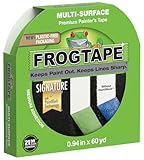
I learned a hard lesson that day: not all painter’s tape is created equal, but even the average stuff is usually better than masking tape for this specific job. The higher-quality brands, like 3M or FrogTape, really do make a noticeable difference.
They have different formulations for different surfaces, too – like delicate surfaces that need an even gentler adhesive.
So, while you can use masking tape instead of painter’s blue in a pinch, it’s usually a false economy. You’ll often spend more time fixing mistakes and cleaning up than you would have spent buying the right tape in the first place. Unless you’re in a dire emergency and have no other option, stick to what works. It’s an investment in your sanity and the quality of your finish. My hallway project took an extra hour of fiddly brushwork because I was too stubborn to go to the store. That hour, plus the frustration, made me rethink my cheapskate tendencies.
Common Mistakes When Using Masking Tape for Painting
When people try to use masking tape for painting, they often make the same few mistakes, which leads to those dreaded fuzzy lines and paint damage. The first and most common error is assuming it will behave like painter’s tape. You can’t just slap it on and expect perfect results.
You need to be far more meticulous with application. This means pressing down the edges with more force, using a putty knife or a credit card to make sure a tight seal, and paying attention to how the tape is laying down.
If there are any gaps or loose spots, paint will find them. This is where the ‘common advice is wrong’ comes in for some folks who might try this – they’ll say ‘just tape it down,’ but that’s not enough detail for masking tape.
Another big mistake is leaving the tape on too long. Painter’s tape is designed to be removed relatively soon after the paint has dried to the touch. Masking tape, especially if it’s a more aggressive adhesive, can become very difficult to remove cleanly if left on for too long.
The longer it bakes in place, the more likely it is to bond too strongly with the paint layer or even pull off the underlying paint. I’ve seen people leave tape on for days, and then they wonder why the paint is peeling off in huge chunks when they finally pull it.
It’s a recipe for disaster. Aim to remove it while the paint is still slightly pliable, but fully opaque.
That usually means within a few hours, not overnight.
Finally, and this is a important one I learned the hard way, is pulling the tape off too quickly or at the wrong angle. When you yank it off fast, it can drag wet paint with it, creating those horrible jagged lines. (See Also: Does Masking Tape Work The Same As Painters Tape )
When you pull it at too shallow an angle, it can lift the edge of the paint layer you’re trying to protect. The correct technique is to pull slowly and steadily, at about a 45-degree angle away from the painted surface. If you feel significant resistance, stop. You might need to score the edge with a utility knife very carefully before continuing.
This is especially true if the tape has been on for a while or if the paint is particularly delicate. Patience is absolutely key here, and it’s where many DIYers get frustrated and impatient.
People Also Ask: Masking Tape and Painting
Will Masking Tape Ruin My Paint Job?
Masking tape can ruin your paint job, but it doesn’t always. The main risks are paint bleed-through under the tape and the tape itself pulling off the underlying paint when you remove it, especially if the paint is old or not well-adhered. It’s also more likely to leave a residue than proper painter’s tape. If you use it, be prepared for a higher chance of needing touch-ups and extra cleanup work to achieve crisp lines.
Can I Use Masking Tape on Walls?
You can technically use masking tape on walls, but it’s not recommended for painting projects where you need clean lines. Its aggressive adhesive can sometimes pull off paint, especially matte or flat finishes that aren’t as durable. It’s better suited for temporary holding or bundling tasks rather than creating a precise paint barrier. If you must use it on walls, test it in an inconspicuous area first.
What Is the Difference Between Masking Tape and Painter’s Tape?
The primary difference lies in their adhesive and intended use. Painter’s tape has a low-tack, specially formulated adhesive designed to stick to surfaces like trim and drywall without damaging them and to create sharp paint lines. Masking tape typically has a stronger adhesive, designed for more general-purpose holding, bundling, and labeling, and is more prone to leaving residue or damaging surfaces upon removal.
How Do I Make Masking Tape Less Sticky for Painting?
To make masking tape less sticky for painting, you can try pressing it onto another surface, like a piece of clothing or a clean, dry towel, a few times before applying it to your wall or trim. This helps to lift some of the adhesive. However, this method is imperfect, and the tape may still be too sticky or lose its adhesion too quickly. It’s a gamble compared to using tape specifically designed for painting.
When Can I Remove Masking Tape From Painted Surfaces?
For both masking tape and painter’s tape, the ideal time to remove it is when the paint is dry to the touch but not fully cured. This typically means within a few hours of application, depending on paint type and environmental conditions. Removing it too soon can cause smearing or bleed-through, while leaving it on too long can cause it to bond too strongly, leading to paint peeling upon removal.
Final Verdict
So, can I use masking tape instead of painter’s blue? The short, blunt answer is: you can, but it’s a gamble. If you’re in a bind, and you understand the risks – more potential for bleed-through, messier lines, and the possibility of paint damage upon removal – then go for it. Just be prepared to put in extra effort to correct any imperfections. Personally, I’d rather spend a few extra bucks on good painter’s tape for anything important and save myself the headache. But if that hardware store is a twenty-mile drive and the deadline is looming, well, sometimes you just have to make do with what you’ve got.
My advice? Keep a roll of decent painter’s tape on hand at all times. It’s not that expensive, and it’s the right tool for the job. Think of it like trying to cut lumber with a butter knife versus a saw; you might eventually get there, but it’s going to be a lot messier and take way longer. If you do end up using masking tape, remember to prep your surfaces, press it down firmly, and remove it at the right time. It’s not the ideal scenario, but you can definitely improve your odds of a passable result.
What’s your go-to tape when you’re in a pinch, and have you ever regretted using masking tape for painting? Let me know your war stories.