I still remember the first time I tried to print something complex on my entry-level 3D printer. I’d heard all the hype about heated beds, but my first layer looked like a snail trail, barely sticking. Then someone – probably on a forum – mentioned painters tape. It sounded too simple, too cheap, to actually work. But desperate times, right? So, can I use painters tape with a heated bed on my 3D printer? The short answer is yes, but that ‘yes’ comes with a heap of caveats that nobody bothered to tell me back then. It’s not a magic bullet, and sometimes it’s just a messy disaster waiting to happen.
So, Can You Actually Use Painters Tape on a Heated Bed?
Let’s cut to the chase: yes, you absolutely can use painters tape with a heated bed on your 3D printer. I’ve done it.
Many people have done it. It’s a common, cheap workaround for print adhesion issues, especially when you’re just starting out or dealing with materials that don’t want to play nice. The idea is simple: the tape creates a slightly textured, porous surface that gives the molten plastic something to grab onto. When the bed heats up, the tape can sometimes even help to slightly warm the very base of your print, improving that initial grip.
It’s especially useful for PLA, which is generally a forgiving material. I’ve had decent results with standard blue painters tape from the hardware store.
It adheres well enough to the glass or metal bed, and the plastic filament seems to stick to its surface without too much fuss. This is a much better alternative than watching your print curl up and detach halfway through a 12-hour print job.
It’s one of those ‘DIY hacks’ that actually lives up to some of its promise, at least in a pinch. I’ve even experimented with different brands, noticing some hold up better to repeated heating and cooling cycles than others. The cheaper stuff tends to degrade faster, becoming brittle and leaving behind annoying residue.
What Kind of Painters Tape Are We Talking About Here?
This is where things get a bit fuzzy, and honestly, where a lot of people go wrong. Not all painters tape is created equal, and when you’re talking about putting it on a heated bed, you need to be a little picky. The most common choice is the standard blue tape you grab from any hardware store. It’s relatively inexpensive and readily available.
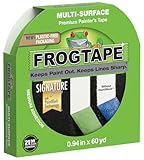
However, the key is to look for tape that doesn’t have a super-smooth, almost waxy backing. Some of the higher-end, ‘delicate surface’ tapes might have coatings that don’t play well with heat or molten plastic. I once grabbed a roll of green tape meant for outdoor use, thinking it would be tougher.
Big mistake. It melted, bubbled, and left an absolute nightmare of sticky goo all over my print bed that took ages to clean. You want a tape with a paper-like backing that has a bit of tooth to it.
This porosity is what helps the plastic adhere. Some people swear by specific brands, claiming one adheres better or lasts longer under repeated heating and cooling. I’ve found that the generic ‘contractor grade’ blue tape often does the trick just fine. It’s usually a bit thicker and has a more consistent texture.
Avoid anything that feels overly plasticky or has a very glossy finish. The goal is adhesion, not creating a non-stick surface, and the wrong tape can do the opposite of what you want. For PLA, it’s usually fine. For trickier materials like ABS or PETG, you might find its limitations quickly. (See Also: Does Painters Tape Pull Off Paint )
But as a starting point, the blue stuff is your best bet.
Painter’s Tape vs. Specialized Build Surfaces
| Surface Type | Pros | Cons | Verdict |
|---|---|---|---|
| Standard Blue Painters Tape | Cheap, readily available, good for PLA, decent adhesion | Can degrade with heat, leaves residue, not ideal for high-temp materials, inconsistent layer lines | Good for beginners & PLA, budget-friendly hack. |
| Kapton Tape | High-temperature resistance, smooth surface, excellent for ABS | Can be expensive, difficult to apply without bubbles, can leave residue if not removed carefully | Solid choice for ABS and high-temp materials. |
| PEI Sheet (Smooth or Textured) | Excellent adhesion for most materials, durable, easy to clean, provides smooth or textured finish | More expensive upfront, can be damaged by sharp tools, some materials might stick too well | The gold standard for reliable, repeatable prints. |
| Glass Bed | Flat, inert, easy to clean, cheap replacement | Requires adhesion aid (glue stick, hairspray, tape), can shatter if damaged | Versatile, but always needs an assist for adhesion. |
The ‘contrarian’ Take: Why I Mostly Ditched Painters Tape
Here’s my honest, and admittedly unpopular, opinion: while painters tape works, it’s often more trouble than it’s worth for serious printing. Everyone and their dog will tell you to slap some blue tape on your bed. And yeah, it’ll probably stop your first print from becoming a blob.
But here’s the rub: it’s messy. You have to meticulously lay down strips, trying to avoid gaps and overlaps that can transfer to your print. Then, after a few prints, the tape gets gummy, starts to lift, and leaves a sticky residue that’s a pain to clean. More importantly, the texture of the tape often translates directly to the bottom layer of your print.
That nice, smooth bottom you see on commercial prints? You’re not getting that with tape. You’ll get faint lines from the tape strips. If you want that pristine finish, tape is a roadblock.
I spent way too much time wrestling with tape, replacing it, and cleaning up goo, only to find that a dedicated build surface like a PEI sheet or even just a good quality glass bed with a thin layer of PVA glue stick gave me far better, more consistent results with less hassle. The upfront cost of a good build plate is quickly offset by the time saved and the quality of the prints. So, while I’ll admit it has its place, especially for absolute beginners or for very specific quick jobs, relying on painters tape long-term is like using a butter knife to build a house – it’s inefficient and the results will be subpar.
It’s a hack, not a solution.
How to Actually Use Painters Tape Effectively (if You Must)
Alright, so you’re still going to try the tape method, or maybe you just need it for a quick job. Here’s how to do it right, or at least, how to minimize the usual headaches. First, make sure your print bed is scrupulously clean. Any dust, grease, or old adhesive will kill your adhesion.
Wipe it down with isopropyl alcohol. Then, take your blue painters tape and start laying down strips. Overlap each strip slightly, maybe by 2-3 millimeters. This helps create a more continuous surface and prevents gaps where plastic might ooze through.
Lay the tape down carefully, smoothing it out as you go to avoid air bubbles. Use a credit card or a plastic scraper to press it down firmly. Work from the center outwards. Once you’ve covered the entire build area, go over it again to make sure good adhesion.
For some materials, a light mist of hairspray or a thin smear of PVA glue stick over the tape can provide an extra layer of adhesion, though this is often more common on bare glass. When your print is done, let the bed cool down completely before attempting to remove the print. The plastic will contract, and usually, the print will pop right off. If it’s stuck, gently try to lift an edge with a plastic scraper. (See Also: Does Painters Tape Rip Paint Off Walls )
Never use a metal scraper aggressively on tape, as you’ll likely tear the tape and gouge the bed underneath. Cleaning up tape residue?
Isopropyl alcohol usually does the trick. Sometimes, a bit of Goo Gone or a similar adhesive remover is needed, but make sure it’s safe for your print bed material.
Applying Tape: A Step-by-Step (if You’re Brave)
- Clean the Bed: Wipe down your entire print bed with isopropyl alcohol (90% or higher) to remove any dust, oils, or old adhesive. Let it dry completely.
- Prepare the Tape: Cut strips of blue painters tape to the appropriate length for your bed. Avoid stretching the tape as you apply it.
- Apply Strips: Start at one edge of the bed. Lay down the first strip, pressing it firmly from the center outwards.
- Overlap: Apply the next strip, overlapping the previous one by about 2-3mm. Continue this process, making sure no gaps.
- Smooth Down: Once all strips are applied, use a credit card, spatula, or squeegee to firmly press down the tape, eliminating any air bubbles or ridges.
- Second Pass (Optional): Some users lightly spray hairspray or apply a thin layer of glue stick over the tape for extra adhesion, though this can make removal harder.
- Print: Proceed with your 3D print.
- Remove Print: Allow the heated bed to cool completely. The print should usually pop off. If not, gently try to lift an edge with a plastic scraper.
Common Mistakes and What to Look For
The biggest mistake I see people make is thinking any old tape will do. As I mentioned, the type of tape matters. Look for that classic blue, paper-backed tape.
Avoid anything labeled ‘delicate surface’ or ‘paint-resistant’ as those often have coatings that will melt or leave residue. Another common error is not applying the tape smoothly. Wrinkles and air bubbles will transfer to the bottom of your print, creating an uneven surface. You need to press it down firmly and evenly, like you’re carefully applying a screen protector.
People also forget that tape degrades. Heat and repeated cycles of expansion and contraction will eventually make it brittle or gummy. You can’t just keep printing on the same tape forever. Expect to replace it every few prints, or more often if you’re printing at higher temperatures or with materials like ABS.
And the residue! Oh, the residue. If you don’t clean your bed properly after removing the tape, or if the tape itself leaves behind a sticky film, your next print might have adhesion issues again, or worse, the residue could cure and become a permanent problem.
A good clean with isopropyl alcohol after removing the tape is a must. Finally, remember that painters tape isn’t ideal for all materials. While it’s often passable for PLA, if you’re printing with ABS or PETG, which require higher bed temperatures, you’ll likely find it struggles. The tape can start to soften and deform, and adhesion might become unreliable.
That’s when it’s time to consider specialized build surfaces. It’s also worth noting that the surface quality you get from tape isn’t always the best. You’ll often see the texture of the tape lines on the bottom of your prints. If a perfectly smooth bottom layer is important, tape isn’t your best friend.
Real-World Use Cases and Alternatives
So, when does painters tape actually shine? Honestly, for me, it’s been a lifesaver when I’m in a pinch and my usual build surface is damaged or I’m testing a new filament and don’t want to risk contaminating my primary build plate. It’s also fantastic for absolute beginners who are just trying to get their first few prints to stick without investing in expensive accessories. If you’re printing PLA and you’re not chasing a perfect surface finish, it’s a perfectly viable solution.
I’ve used it on my old Ender 3 many times when the stock build surface was giving me grief. It’s cheap enough that you can just throw a new layer on whenever it gets too nasty. (See Also: Does Masking Tape Work The Same As Painters Tape )
However, for anything more demanding, you’ll want to look elsewhere. For ABS, which needs higher bed temps (around 100-110°C), painters tape can struggle. It might start to soften and lose its adhesion properties.
That’s where Kapton tape or a PEI sheet really comes into its own. Kapton tape is designed for high temperatures and offers a smooth, consistent surface.
PEI (polyetherimide) sheets, whether smooth or textured, are the gold standard for many. They offer incredible adhesion for a wide range of materials (including ABS, PETG, and Nylon) and are relatively easy to clean.
Another simple, effective alternative for PLA and PETG is a glass bed combined with a thin layer of Elmer’s Washable School Glue (PVA glue stick). Apply a light, even layer of glue stick to the cooled glass bed, and PLA will stick like it’s bolted down.
It’s cheap, effective, and the prints usually pop off once the bed cools. I’ve found this combination to be far more reliable and less fiddly than constantly replacing tape. So, while painters tape has its place in the 3D printing toolkit, it’s more of a temporary fix or a budget solution than a permanent, high-performance option.
People Also Ask:
Will Painters Tape Melt on a Heated Bed?
Standard blue painters tape is generally made from paper and a heat-sensitive adhesive. While it won’t typically ‘melt’ in the way plastic does, it can soften, become gummy, and degrade at the higher temperatures often used for 3D printing, especially for materials like ABS or PETG. This softening can lead to reduced adhesion or the tape becoming a sticky mess.
Can I Use Painters Tape for Abs on a Heated Bed?
While you can try using painters tape for ABS, it’s generally not recommended for consistent, reliable results. ABS requires higher bed temperatures (around 100-110°C) which can cause standard painters tape to degrade. This leads to poor adhesion, warping, and potential residue issues. Specialized build surfaces like Kapton tape or PEI are much better suited for ABS printing.
What Is the Best Tape for a Heated Bed?
The ‘best’ tape depends on the material you’re printing. For PLA, standard blue painters tape can work in a pinch, but it’s not ideal long-term. Kapton tape is excellent for high-temperature materials like ABS. For most users, a PEI sheet (smooth or textured) is considered the best overall option due to its excellent adhesion for a wide variety of filaments, durability, and ease of cleaning.
How Do I Remove Painters Tape Residue From My 3d Printer Bed?
Isopropyl alcohol (90% or higher) is usually the first thing to try for removing painters tape residue. If that doesn’t work, a small amount of Goo Gone or a similar citrus-based adhesive remover can be effective. Always test any cleaning solution on a small, inconspicuous area of your bed first to make sure it doesn’t damage the material. Wipe the bed thoroughly with IPA afterwards to remove any cleaning solution traces.
Final Thoughts
So, to wrap it all up, can I use painters tape with a heated bed? Yes, you can, and it’s a serviceable option for getting started or for basic PLA prints when you’re on a budget. It’s cheap, readily available, and will likely save you from some initial print failures. However, it’s not a long-term solution for serious printing. The inconsistencies, potential for residue, and the fact that it transfers tape lines to your print mean it falls short compared to dedicated build surfaces.
My advice? If you’re serious about 3D printing and want reliable, high-quality results, invest in a proper build plate like PEI or even just a good glass bed with a PVA glue stick. They might cost a bit more upfront, but the saved time, reduced frustration, and improved print quality are well worth it. Painters tape is a tool for when you absolutely have no other choice, not your go-to for every print.
If you’re still on the fence, try the tape first, see if it works for your specific needs, but be prepared to upgrade when you’re ready for more.