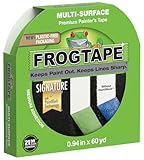
I remember staring at a freshly painted wall, then down at my beautiful, but now threatened, hardwood floors. My first thought was, ‘Can I use painters tape on wood floors to protect them?’ It felt like a no-brainer, right? Blue tape, the stuff for delicate surfaces. What could go wrong?
Turns out, plenty. I’ve seen friends ruin expensive finishes and I’ve had my own close calls. This isn’t some corporate ‘how-to’ where everything is perfect. This is the dirt from someone who’s been there, done that, and sometimes just plain messed up.
Let’s cut through the noise. You need to know if that roll of blue tape is your friend or foe when it comes to your wood floors.
The ‘delicate Surface’ Myth and Why It Matters
Everyone grabs that blue tape, the one advertised for ‘delicate surfaces.’ It feels like the obvious choice for anything you don’t want to damage. But here’s the blunt truth: ‘delicate surface’ on tape packaging usually means ‘delicate painted drywall or trim’ that’s had weeks to cure. It doesn’t automatically translate to the cured finish on your hardwood floors.
I learned this the hard way. I was taping off a section of my kitchen floor to protect it from sawdust during some minor trim work.
I used the most expensive blue tape I could find, thinking ‘you get what you pay for.’ Big mistake. After just a couple of days, when I pulled it up, I noticed a faint, almost oily residue clinging to the floor in some spots, and a slight dulling of the finish in others. It wasn’t a disaster, but it was noticeable, and it took a good amount of elbow grease with a special wood floor cleaner to get it back to normal.
My floors were only about two years old and had a decent polyurethane finish. It taught me that even ‘gentle’ tapes can be too aggressive for certain wood floor finishes, especially if they’ve been left on too long.
The adhesive on painters tape, even the supposedly low-tack kind, is designed to stick. It’s not there to be a temporary decorative element; it’s there to create a seal. Over time, especially with temperature fluctuations or if the tape gets even slightly damp, that adhesive can start to break down or, worse, bond too aggressively with the floor’s finish. Think of it like a sticker left out in the sun.
The adhesive can dry out, get brittle, or become incredibly sticky and hard to remove without taking some of the finish with it. This is particularly true for older finishes or floors that have been waxed rather than polyurethaned.
Wax finishes are much softer and more susceptible to damage. So, while you can technically use painters tape, the question isn’t just ‘can I?’ but ‘should I?’ and ‘under what conditions?’
The common advice is often too general, assuming all wood floors and all tapes are created equal, which they absolutely are not. I’ve seen people try to tape off entire rooms for painting projects and end up with a floor that looks like it’s been through a war zone, with peel-up and residue everywhere.
It’s a gamble, and one you need to go into with your eyes wide open.
Many people think that if the tape itself doesn’t damage the floor upon application, it’s safe. But the real damage often happens during removal, or after the tape has been in place for an extended period. The bond can strengthen in ways you don’t expect. The ‘delicate surface’ label is often a marketing term that doesn’t fully account for the unique challenges of cured wood finishes. It’s a really common misunderstanding, and one that leads to a lot of avoidable headaches and costly repairs. Don’t just assume it’s okay because it’s blue.
What to Look for: The Tape Breakdown
Alright, if you’re still determined to go the painters tape route, or if you absolutely have to for a short-term project, let’s talk about what to actually look for. Forget the generic ‘blue tape.’
You need to be more discerning. The key is the type of adhesive and the tape’s backing. Some tapes are designed for surfaces like glass or freshly painted walls that have been cured for a specific, longer period. Others are truly low-tack. (See Also: Does Painters Tape Pull Off Paint )
I’ve found that brands which offer specific lines for different applications are usually worth the slightly higher price. For wood floors, you want the absolute lowest tack adhesive you can find. Some manufacturers will even label their tape as ‘low tack’ or ‘gentle removal.’
This is your starting point.
Another factor is the backing material. Paper-backed tapes are generally more flexible and conform better to surfaces.
They also tend to release easier than plastic-backed tapes, which can sometimes leave adhesive behind or tear unevenly. Always check the manufacturer’s recommendations.
Do they mention wood, or specific types of finishes? If it’s vague, proceed with extreme caution. I personally lean towards brands that offer a ‘delicate surface’ or ‘interior trim’ specific tape, but even then, I do a patch test. It’s not a foolproof system, but it’s better than blindly trusting the color blue.
I’ve experimented with a few different brands over the years, and honestly, the stuff that costs around $8-10 for a medium-sized roll (about 48mm wide) often performs better than the bargain bin options. It’s not about the most expensive; it’s about the most appropriately engineered for low-adhesion situations.
Here’s a quick rundown of what to prioritize:
| Feature | Why It Matters for Wood Floors | My Verdict |
|---|---|---|
| Adhesive Tack | Lower is always better. Prevents bonding too strongly with the finish. | Absolute must. Look for ‘low tack’ or ‘gentle removal.’ |
| Backing Material | Paper backing is generally more flexible and easier to remove cleanly. | Preferred. Avoid rigid plastic backings if possible. |
| Intended Use Label | Specific labels like ‘delicate surfaces,’ ‘interior trim,’ or ‘glass.’ | Important clue. But always test. |
| Brand Reputation | Established brands often have more consistent quality control. | Good indicator. But even premium brands can have bad batches. |
It’s really about minimizing risk. The less aggressive the tape, the better. But even the ‘best’ tape isn’t a guarantee. The actual condition and type of finish on your wood floors play a massive role. A brand-new, factory-finished floor might handle tape better than a floor that’s been refinished by hand a few times.
The Patch Test: Your Unskippable Step
This is where I’ll probably get myself into trouble with anyone looking for a quick answer. Everyone wants to know if they can just slap the tape on and go. My answer, every single time, is NO. You absolutely MUST do a patch test. It’s a must. I don’t care how busy you are, how small the project is, or how confident you are in your choice of tape. You need to test it. Here’s how I do it, and I’ve been doing this for years:
- Find an inconspicuous spot: This usually means a corner of the room that’s not highly visible, maybe behind a door or under a rug that’s usually there.
- Apply a small piece of tape: Use the exact tape you plan to use for your project. Press it down firmly, but not aggressively. You want to simulate how you’ll actually apply it.
- Leave it for the duration of your project (or longer): This is the important part. If your project is going to take a day, leave the tape for a day. If it’s a weekend job, leave it for the weekend. If you’re painting trim and plan to leave tape for a week, leave it for a week. I’ve even left test pieces for two weeks just to be absolutely sure.
- Remove the tape carefully: Slowly peel the tape back at a sharp angle (around 45 degrees). Listen for any tearing sounds or feel for excessive resistance.
- Inspect the area: Look for any residue, dulling of the finish, discoloration, or any sign that the finish has been lifted or damaged. Smell the area – sometimes a strong chemical smell can indicate the adhesive is reacting with the finish.
If the test area comes out clean, with no signs of damage and the tape removes easily, you’re likely in the clear. But if you see any of the above, that tape is a no-go for your wood floors. I once tested a tape that seemed fine after 24 hours. When I left it for three days, it started to leave a sticky residue that was a nightmare to clean. So, the duration of the test matters. This might sound tedious, but I’ve saved myself hundreds, maybe thousands, in floor refinishing costs by taking this simple step. It’s like trying on shoes before you buy them – you wouldn’t buy something that didn’t fit, so why risk your floors?
The temperature and humidity in your home can also affect how the tape performs. A hot, humid environment might make the adhesive more active, while a very dry, cold environment could make it brittle and prone to cracking. The patch test accounts for the conditions in your home at that specific time. It’s a small investment of time for peace of mind, and it’s the most honest way to answer ‘can I use painters tape on wood floors’ for your specific situation.
Real-World Scenarios: When It’s (maybe) Okay
So, when might it actually be okay to use painters tape on your wood floors? Honestly, the list is short and comes with caveats.
The most common scenario is for very short-term protection during a quick job where there’s minimal foot traffic and no chance of spills or significant dust. Think: quickly taping off a doorway to keep a pet from tracking mud through a freshly painted hall for an hour or two. Or, laying down a few strips to catch drips from a tiny touch-up paint job on a baseboard, and planning to remove it within minutes.
The key here is ‘very short-term’ and ‘minimal risk.’ I’m talking minutes, maybe a couple of hours at absolute most, and only if you’re right there to pull it up. (See Also: Does Painters Tape Rip Paint Off Walls )
Another situation where it might be less risky is if you’re dealing with brand new, factory-sealed floors with a known, solid finish. Some high-end finishes are incredibly durable. However, I still wouldn’t rely on tape without a patch test. I’ve seen ‘solid’ finishes be surprisingly sensitive. The finish on your wood floor is a chemical coating, and adhesives can react with those chemicals. The longer the tape is on, the more time that reaction has to occur. Some manufacturers of floor finishes might offer specific guidance, but you’d have to dig into their product data sheets, which most people don’t have handy.
I remember one time I needed to move some heavy furniture across a room. I wasn’t painting, but I was worried about scuffs. I thought, ‘Can I use painters tape on wood floors to protect them?’
I decided to try a really wide, heavy-duty paper sheeting with a very low-tack tape along the edges to hold it down. I laid it down, moved the furniture, and immediately removed the sheeting and tape. The floor was fine. This wasn’t just tape, but the principle of short-term, direct contact protection applies.
However, if I had left that sheeting down for days, I’d be worried about the tape. The risk increases exponentially with time and pressure.
It’s never a ‘set it and forget it’ solution for wood floors.
Here’s a quick breakdown of ‘maybe okay’ vs. ‘definitely avoid’:
| Scenario | Risk Level | My Recommendation |
|---|---|---|
| Drip protection for 1-2 hours during a small paint touch-up. | Low-Medium | Test first. Remove immediately after. |
| Protecting floors during a week-long DIY project. | High | Avoid. Use proper drop cloths or floor protection. |
| Taping off edges of a room for baseboard painting. | Medium-High | Test extensively. Be prepared for potential residue. |
| Securing a temporary rug or mat for a few hours. | Low-Medium | Test first. Only use the lowest tack tape available. |
| Protecting floors from moving furniture (temporary sheeting). | Medium | Remove immediately after moving. Never leave it down. |
The biggest mistake people make is assuming it’s a universal solution. It’s not. The finish on your floor is the key, and you need to treat it with respect.
The Contrarian View: Why I Rarely Use It (and What I Use Instead)
Here’s my contrarian take: Everyone says, ‘Just use blue painters tape, it’s for delicate surfaces!’ I disagree. My floors are too valuable, and the potential for damage is too high, for me to rely on a product that’s primarily designed for drywall. The risk of residue, dulling, or even actual finish damage is just not worth it for anything more than a few hours, and even then, I’m nervous. I’ve wasted enough money and time cleaning up messes from products that promised the world but delivered headaches.
What do I use instead? For any project where I need serious floor protection, I opt for proper floor protection materials. This often means investing in rolls of brown Kraft paper, thick plastic sheeting specifically designed for floor protection (not hardware store plastic wrap), or even reusable floor mats.
For painting trim, I prefer a wider tape specifically designed for hard-to-mask surfaces, or I’ll use a liquid masking product. For sawdust protection during renovations, it’s heavy-duty plastic sheeting taped to the walls, not the floors.
My go-to for very short-term, light-duty protection (like catching a few paint drips) is often a roll of Ram Board or similar sturdy cardboard sheeting. It’s tough, it absorbs spills, and the tape I use to secure its edges is on that paper, not directly on my wood floor for an extended period.
I once had a friend who was painting his entire house. He used painters tape religiously along all his baseboards, even on his beautiful, old oak floors. He left it on for nearly a week while he worked room by room. When he finally pulled it all up, he was devastated.
The tape had left a distinct line where the finish was dull, and in some places, it had actually peeled up tiny flecks of the clear coat. It looked terrible. He spent a fortune getting a professional to buff and recoat the affected areas. He’d saved maybe $50 on not buying proper floor protection, but ended up spending over $800 to fix the damage.
That’s a hard lesson learned. I saw his floors, and honestly, it made me sick to my stomach. It’s a vivid reminder that the ‘cheap and easy’ way can end up being the most expensive. (See Also: Does Masking Tape Work The Same As Painters Tape )
If you absolutely must use tape for a short duration, and you’ve done your patch test and it’s clear, then go for it. But understand the risks. My honest opinion? For anything more than a quick, few-hour fix, invest in proper floor protection. It’s a small price to pay for the security of knowing your wood floors will remain unharmed. It’s about respecting the material and the finish. Sometimes, the ‘obvious’ solution is actually the wrong one.
Common Mistakes and How to Avoid Them
The biggest mistake people make when considering ‘can I use painters tape on wood floors?’ is skipping the patch test. I’ve already hammered this home, but it bears repeating. It’s the single most common oversight, and it leads to the most regret. People see the blue tape and assume it’s safe, like it’s some magic material designed for all surfaces. That’s a recipe for disaster. Always, always, always test in an inconspicuous area first. And don’t just test for an hour; test for the length of time you plan to leave the tape on, or even longer if possible.
Another frequent error is leaving the tape on for too long. Even if a tape performs perfectly for 24 hours, leaving it for a week can be a completely different story. The adhesive can cure, break down, or react with the finish over time. Temperature and humidity changes can also play a role in how the adhesive behaves. What was safe for a day might become problematic after several days. So, if you’re doing a longer project, remove the tape periodically, especially at the end of each day, and reapply fresh tape if necessary. Or, better yet, use a different protection method.
Applying the tape too aggressively is another common mistake. People tend to press down hard, thinking they need a perfect seal.
This can embed the adhesive into the finish, making it harder to remove without damage. Apply firm, even pressure, but don’t grind it in. When removing the tape, pulling it too quickly or at the wrong angle can cause it to tear unevenly or pull up chunks of finish. Slow, steady removal at a 45-degree angle is usually best.
If it feels like it’s sticking too much, try to gently ease it off or use a hairdryer on a low heat setting (held at a distance) to warm the adhesive slightly, which can sometimes make it more pliable and easier to remove.
Finally, people often use the wrong type of tape. They grab whatever blue tape they have in their toolbox, assuming all blue tape is the same. This is just not true. As I’ve mentioned, there are different formulations. Using standard blue tape when you really needed a ‘delicate surface’ or ‘interior trim’ version, or vice versa, can lead to problems. Always read the packaging and try to match the tape to the sensitivity of the surface.
Frequently Asked Questions About Painters Tape on Wood Floors
Will Painters Tape Damage My Wood Floors?
Painters tape can damage wood floors by leaving behind sticky residue, dulling the finish, or even peeling up the finish itself, especially if left on for extended periods or if the tape’s adhesive is too aggressive for the floor’s specific coating. The risk is higher with older finishes, waxed floors, or if the tape is left on for more than a few days. Always perform a patch test in an inconspicuous area before using it widely.
How Long Can I Leave Painters Tape on Wood Floors?
It’s best to leave painters tape on wood floors for the shortest possible duration, ideally no more than 24-48 hours. For maximum safety, remove it immediately after the task is complete. Leaving it on for longer increases the risk of adhesive transfer, residue, or finish damage. If you need protection for longer, consider alternative floor coverings.
What Kind of Painters Tape Is Safest for Wood Floors?
The safest option is painters tape specifically labeled for ‘delicate surfaces,’ ‘interior trim,’ or ‘gentle removal’ with a very low-tack adhesive. Paper-backed tapes are generally preferable to plastic-backed ones. However, even these should be patch-tested, as the condition and type of finish on your wood floors can vary significantly.
Can Painters Tape Leave Residue on Wood Floors?
Yes, painters tape can definitely leave residue on wood floors. This is a common problem, especially if the tape is left on for too long, exposed to heat, or if the adhesive quality is poor. Removing residue often requires specialized cleaners and can be time-consuming. Always test first and be prepared for potential cleanup.
Final Verdict
So, to get back to that original question: can I use painters tape on wood floors? The honest answer is: maybe, but with extreme caution and never without a patch test. It’s not the foolproof solution many believe it to be. The ‘delicate surface’ label is often misleading when it comes to cured wood finishes. I’ve seen too many people get burned, quite literally with sticky residue and dull finishes.
My advice? If your project is short, like a quick paint drip catch that you’ll remove in an hour, and you’ve done your test, you might be okay. But for anything longer, more involved, or if your floors are particularly valuable or have a finish you’re unsure about, bite the bullet and invest in proper floor protection. Those rolls of brown paper or heavy-duty sheeting are worth every penny compared to the cost and heartache of repairing damaged hardwood.
Ultimately, the decision is yours, but I hope this gives you a clearer, more realistic picture. Don’t be the person who has to spend a fortune fixing what a little foresight could have prevented. Test first, and when in doubt, don’t risk it.