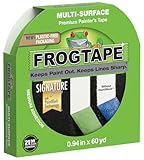
I remember staring at a freshly polyurethaned table, a beautiful, glossy beast I’d spent weeks sanding and finishing. My mission? To tape off a section for a contrasting inlay. I grabbed the familiar blue roll of painter’s tape, the stuff I used for drywall, and slapped it down. Big mistake. Huge. The moment I peeled it up, little flecks of polyurethane, along with a good chunk of the tape’s adhesive, came with it. It looked like a badger had a wrestling match with my tabletop. So, can I use painter’s tape on polyurethane? The short answer is: it’s complicated, and often, not a great idea without some serious caveats.
I’ve wasted enough money and time on finishes and masking products to fill a small landfill. This whole process of figuring out what works and what doesn’t is built on those hard-won lessons. If you’re asking yourself ‘can i use painters tape on polyurethane’, chances are you’re about to make the same mistake I almost did.
The Sticky Truth: Why Standard Painter’s Tape Is a Polyurethane Nightmare
Look, I get it. Painter’s tape is the go-to for almost everything masking-related. It’s cheap, it’s readily available, and for years, it was the only thing most of us had to work with. But here’s the blunt truth: standard blue or green painter’s tape, the kind designed for drywall and delicate surfaces, has an adhesive that’s often too aggressive for a cured polyurethane finish. Polyurethane, especially oil-based varieties or high-gloss finishes, creates a hard, almost plastic-like surface. When you press that sticky tape onto it, the adhesive bonds intimately with the finish.
The problem isn’t just that it sticks. It’s how it sticks and what happens when you pull it off. Cured polyurethane, when it’s fully hardened, forms a durable film. But that film, especially if it’s a thinner coat or if you’ve used a finish that’s prone to slight flexibility (like some water-based polyurethanes), can be lifted.
The adhesive in standard painter’s tape is formulated to hold onto porous surfaces like unpainted drywall or lightly textured plaster. When you apply it to a smooth, non-porous surface like polyurethane, that adhesive has nothing to grip but the top layer of the finish itself. So, when you pull the tape, you’re not just removing tape; you’re potentially peeling up a micro-thin layer of your hard-won finish.
I once tried this on a piece of furniture I was refurbishing; I needed to mask off an edge to paint a stripe. Within 24 hours, I went to pull the tape, and it took a little bit of the polyurethane with it, leaving a faint, jagged line. It looked terrible.
Had to re-sand and recoat that section. Total pain in the backside.
This is where common advice goes wrong. People will tell you, ‘Oh yeah, just use blue tape.’ They’re thinking about painting over polyurethane, not necessarily masking off a poly finish itself. There’s a important difference. When you’re painting over a well-prepped and sealed surface, the paint adheres to the primer or the existing finish. But when you’re masking on top of a final clear coat like polyurethane, the tape’s adhesive is fighting against the integrity of that clear coat. It’s like trying to stick a Post-it note to a mirror and expecting it to hold – the stickiness is there, but the surface isn’t ideal for a strong, clean bond without consequences.
The Devil’s in the Details: What to Look for in Masking Tape
So, if standard painter’s tape is out, what’s the alternative? This is where you need to get a bit more discerning. The key is finding a tape with a lower-tack adhesive that’s specifically designed for delicate surfaces or for use on freshly painted or finished materials. Think of it like this: you wouldn’t use duct tape to apply a delicate decal, right? Same principle applies here. You need a tape that grips enough to create a seal but doesn’t have the molecular strength to rip your finish off.
The gold standard in these situations is often referred to as “delicate surface” tape or “low-tack” tape. These tapes typically use a different adhesive formulation, often a synthetic rubber-based adhesive that is less aggressive. They are designed to adhere well to surfaces that might be damaged by standard tapes, such as wallpaper, freshly painted walls (that have cured for a short period), or, yes, cured finishes like polyurethane. Brands like 3M have specific lines for this, often in a white or cream color, rather than the typical blue or green. Scotch Blue Delicate Surface is one such example that might work, but I still approach it with caution. (See Also: Does Painters Tape Pull Off Paint )
Another factor to consider is the backing of the tape. For polyurethane, you generally want a tape with a smooth, non-porous backing. This helps prevent the tape from absorbing any oils or moisture from the polyurethane (though cured poly is pretty stable) and also contributes to a cleaner edge. Paper-backed tapes, while common in painter’s tape, can sometimes allow a tiny bit of bleed if you’re applying a liquid over the tape that seeps under.
Here’s a little trick I learned the hard way: always, always, always test your tape. Before you commit to masking off an entire project, grab a small scrap piece of your finished wood (or an inconspicuous spot on the actual project, if possible) and apply a short strip of your chosen tape. Let it sit for the amount of time you expect it to be there during your project. Then, pull it off. If it comes away cleanly without lifting any finish, you’re probably in good shape. If you see any sign of lifting, peeling, or residue, ditch that tape and try something else. It’s a few minutes of testing that can save you hours of painstaking repair work.
Common Tape Types and Their Polyurethane Compatibility
| Tape Type | Adhesive Tack | Typical Use | Verdict on Polyurethane |
|---|---|---|---|
| Standard Blue/Green Painter’s Tape | Medium-High | Drywall, Trim, Light Texture | Generally NOT Recommended. High risk of lifting finish. |
| Low-Tack / Delicate Surface Tape | Low | Fresh Paint, Wallpaper, Delicate Surfaces | Recommended, but ALWAYS test first. |
| Masking Tape (Brown Kraft Paper) | Medium | General Purpose, Packaging | Risky. Can be too aggressive, potential for residue. |
| Fine Line Tape (Automotive Grade) | Low-Medium | Creating Sharp Paint Lines (Cars) | Potentially good for very precise lines, but expensive. Test carefully. |
The Important Curing Step: Patience Is a Virtue (seriously)
This is perhaps the most overlooked aspect when people ask, ‘can i use painters tape on polyurethane?’ It’s not just about the tape; it’s about the polyurethane itself. Polyurethane doesn’t just dry; it cures. And curing is a process that takes time, often much longer than the ‘dry to touch’ time printed on the can. I’ve seen people slap tape onto polyurethane that felt dry to the touch but was still soft underneath. This is a recipe for disaster.
Most oil-based polyurethanes need at least 72 hours, and often up to a week, to fully cure to a hardness where they can withstand the stress of masking tape. Water-based polyurethanes cure faster, sometimes within 24-48 hours for a surface that’s reasonably hard. But even then, ‘reasonably hard’ isn’t ‘indestructible.’ The exact curing time depends heavily on the specific product, the number of coats applied, the ambient temperature, and humidity. A thick coat applied in a cold, damp garage will take ages to cure properly compared to a thin coat in a warm, dry workshop.
Think about the chemical reaction happening. Polyurethane cures through oxidation (oil-based) or coalescence (water-based). This process continues long after the surface feels dry.
The molecular structure is still cross-linking and hardening. Applying pressure with tape before this process is complete is like trying to build a brick wall with wet cement. It’s going to shift, crumble, and leave a mess. I once rushed a project, taping over a supposedly cured oil-based poly finish after just 48 hours.
When I pulled the tape off, it left a slight impression, a faint outline of the tape’s edge that was permanently pressed into the softened finish. It was subtle, but I knew it was there, and it drove me nuts.
It took a light sanding and a re-coat to fix.
So, what’s a good rule of thumb? For oil-based polyurethane, I generally wait at least a full week, often two, before I even consider applying any kind of masking tape. For water-based, I’m looking at a minimum of 72 hours, but I’m also doing that test strip I mentioned earlier. If the tape lifts even the slightest bit of finish, I’m waiting longer. There’s no shortcut here. The extra patience is not just about avoiding damage; it’s about making sure the integrity and longevity of your finish. A fully cured polyurethane surface is much more resilient and less likely to be compromised by the adhesive’s pull. (See Also: Does Painters Tape Rip Paint Off Walls )
The Contrarain View: When Taping Over Poly might Be Okay (with Huge Caveats)
Okay, here’s where I might ruffle some feathers. Everyone says ‘never use standard painter’s tape on cured polyurethane.’ And for good reason, as I’ve just explained. But I’m going to say this: with extreme caution, and under very specific circumstances, you might get away with it, especially if you’re not trying to create a razor-sharp line. I disagree with the absolute ‘never’ because sometimes, you’re in a bind, or you’re working on a less precious piece.
If you’re using a low-VOC, water-based polyurethane that cures exceptionally hard and fast, and you’re using a very reputable brand of blue painter’s tape (like 3M or FrogTape, which often have specific formulations for different surfaces), and you’ve allowed it to cure for at least 72 hours (preferably longer), you could try it. The ‘huge caveat’ is that you have to pull the tape off immediately after you finish painting. Do not let the new paint dry on top of the tape. As soon as you’re done with the paint application, peel the tape back slowly, at a 45-degree angle, while the paint is still wet. The wet paint offers a bit of lubrication, and pulling while it’s wet minimizes the chance of the tape adhering too strongly to the underlying polyurethane.
I’ve had to do this on occasion when I needed to mask off a section of a polyurethaned tabletop to spray some accent paint. I used 3M blue tape, let the poly cure for a solid 72 hours (it was a water-based formulation), and then, literally, as soon as the spray paint hit the surface, I started pulling the tape. It worked, mostly. I got a couple of tiny little fuzzies where the paint had feathered slightly under the edge, but no actual lifting of the polyurethane itself. It wasn’t a perfect, crisp line, but it was acceptable for the project.
However, and I cannot stress this enough, this is a gamble. For anything valuable, anything you’ve spent hours on, or anything where a perfect edge is a must, do NOT take this risk. Use the delicate surface tape. The money saved on tape is minimal compared to the cost of redoing a finish. This contrarian approach is only for situations where you understand the risks, have tested beforehand, and are prepared for potential touch-ups. It’s an exception, not the rule.
Alternatives to Painter’s Tape for Polyurethane Projects
So, we’ve established that standard painter’s tape is a risky proposition for polyurethane. What are your actual, reliable options when you need to mask off a section of a project finished with polyurethane? This is where you step up your game and use products designed for the job.
The first and most obvious alternative is the low-tack or delicate surface tape I mentioned earlier. Brands like 3M, Scotch, and ShurTape all offer tapes specifically formulated for sensitive surfaces. These are often identifiable by their color (white, cream, or sometimes a lighter shade of blue) and their packaging, which will explicitly state “delicate surface” or “low tack.” They are designed to adhere just enough to create a seal but peel away cleanly without damaging the underlying finish. Make sure you read the product description carefully to confirm its suitability for cured finishes.
For very fine, precise lines where you absolutely cannot afford any bleed or lifting, automotive masking tape is often the best bet. This tape is designed for the exacting standards of car painting, where razor-sharp body lines are most important. It’s often a thin, crepe paper-like material with a very aggressive but clean-releasing adhesive. It’s more expensive than regular painter’s tape, but the results can be spectacular. You still need to test it on your specific polyurethane, as the adhesive can be quite strong, but it’s generally much safer than standard DIY painter’s tape.
Another technique, especially if you’re painting a different color over the polyurethane (rather than just masking an edge), is to use a liquid masking agent or a spray-on mask. These products are applied over the area you want to protect, dry to a film, and then can be peeled or washed off later. This is often overkill for simple masking jobs but can be incredibly effective for complex shapes or when you need a truly foolproof barrier. For wood finishing, however, it’s usually more practical to stick with tape.
Finally, consider the ‘tape and a blade’ method. If you’re masking off a straight edge of a piece of furniture, you can apply your chosen tape (preferably a delicate surface tape) and then use a very sharp utility knife or a specialized edge-scoring tool to create a cut line precisely along the edge of the tape before you paint. This scores the tape, creating a definitive break point. After painting, you carefully peel the tape away. (See Also: Does Masking Tape Work The Same As Painters Tape )
The cut line makes sure that even if the tape tries to lift a bit of the new paint, it’s only lifting the cut edge, not pulling anything under the tape. This requires a steady hand but offers incredibly crisp lines. It’s a bit more advanced but can yield professional results.
Faq: Can I Use Painters Tape on Polyurethane?
Can Painter’s Tape Damage Cured Polyurethane?
Yes, standard painter’s tape can damage cured polyurethane. The adhesive on typical blue or green painter’s tape is often too aggressive for a smooth, non-porous surface like polyurethane. When peeled, it can lift microscopic layers of the finish, leaving behind residue or even visible damage, especially on softer or glossier finishes.
What Kind of Tape Is Safe to Use on Polyurethane?
Low-tack or delicate surface masking tapes are the safest options. These tapes use a less aggressive adhesive formulated for sensitive surfaces. Always test a small, inconspicuous area first to make sure it removes cleanly without damaging the polyurethane finish.
How Long Does Polyurethane Need to Cure Before Taping?
This depends on the type of polyurethane. Oil-based polyurethanes can take 72 hours to a week or more to fully cure to a hardness suitable for masking. Water-based polyurethanes cure faster, often within 24-48 hours, but still require careful testing. Rushing the cure time significantly increases the risk of tape damage.
What’s the Best Way to Mask a Polyurethane Surface for Painting?
The best method involves using a high-quality delicate surface tape, making sure the polyurethane is fully cured (wait longer than ‘dry to touch’), and testing the tape in an inconspicuous area. For extremely sharp lines, consider automotive fine-line tape or the tape-and-blade scoring technique.
Can I Paint Over Polyurethane After Masking?
Yes, you can paint over polyurethane after masking, provided the polyurethane is fully cured and you use the appropriate tape. The key is making sure a good seal with your tape and then removing it carefully, ideally while the new paint is still wet, to prevent it from bonding too strongly to the tape.
Final Verdict
So, to circle back to the main question: can I use painter’s tape on polyurethane? My honest take is that for most standard blue or green painter’s tapes, you absolutely should avoid it if you value your finish. It’s a gamble that often doesn’t pay off. You’re far better off investing a few extra dollars in a delicate surface tape or a more specialized product. The cost of fixing a damaged polyurethane finish far outweighs the minimal savings on a roll of tape.
Remember the cure time. Polyurethane needs to be truly hard, not just dry to the touch. I’ve learned that lesson multiple times, and the frustration is never worth it. Always test your tape on a scrap piece or a hidden area. If it lifts even a speck, find a different tape or wait longer for that finish to harden up.
If you’re in a pinch and absolutely must use something readily available, understand the risks involved with standard tapes and employ the ‘pull while wet’ technique for any new paint. But for any project where a clean, pristine finish is the goal, do yourself a favor and use the right tools for the job. It’s the only way to truly answer ‘can i use painters tape on polyurethane’ with a confident ‘yes, with the right kind and careful application’.