I remember staring at my blank dorm room walls, a stack of band posters staring back at me. My budget was tighter than a snare drum, and the thought of using those aggressive Command Strips felt like overkill. So, what did I do? I grabbed the roll of blue painters tape sitting in my toolbox. It felt like a genius, cost-effective move at the time. But the question always lingers for anyone facing a blank wall and a roll of that familiar blue stuff: can you hang posters with painters tape? Let me tell you, it’s a question that comes with more nuance than you might think.
It’s not a simple yes or no. While it can work, and often does for temporary fixes, there are definitely pitfalls to avoid. I’ve learned this the hard way, and you’re about to hear all about it.
Does Painters Tape Actually Hold Posters?
Alright, let’s get straight to it. Can you hang posters with painters tape? Yes, you absolutely can. If your goal is to slap up a poster for a week, maybe a month, and then peel it off without worrying too much about the wall underneath, painters tape is often your guy.
It’s designed to be low-tack, meaning it’s less likely to rip paint off your walls compared to, say, duct tape or even some stronger masking tapes. This is its main selling point for anyone who rents or frequently redecorates.
I’ve used it for everything from temporary birthday banners to holding up cheat sheets during a particularly grueling DIY project. The flexibility is its superpower. You can reposition it, which is a godsend when you’re trying to get things lined up straight. I’ve found myself peeling and resticking a strip of tape at least three times before committing to that poster.
However, and this is a big ‘however,’ the ‘holding’ part is where things get dicey. Painters tape, by its very nature, isn’t meant for long-term adhesion.
It loses its stickiness over time, especially if the environment isn’t perfect. Humidity can weaken it, direct sunlight can bake it on (making it harder to remove without damage), and if your poster is particularly heavy – think thick cardstock or mounted prints – the tape might just give up the ghost and let your masterpiece tumble.
I learned this the hard way with a framed print I thought I could get away with taping up for a ‘few months.’ It lasted about six weeks before I found it lying face down on the floor, thankfully without breaking.
The tape had completely lost its grip. So, while it can hang them, whether it will hang them reliably for your desired duration is another story entirely.
The type of painters tape also matters. There’s the standard blue stuff, which is generally good. Then there’s the more heavy-duty stuff, often green or purple, designed for more demanding jobs. These might offer a bit more grip, but they also increase the risk of wall damage. For posters, you generally want the most basic, recognizable blue tape. It’s the sweet spot between ‘will it stick at all?’ and ‘will it destroy my landlord’s pristine paint job?’ when you consider whether you can hang posters with painters tape. (See Also: Does Painters Tape Pull Off Paint )
The condition of your wall is another factor. If your paint is already peeling or has a chalky finish, even low-tack tape might lift it. Always do a test patch in an inconspicuous spot if you’re unsure. I once tried it on a wall that had been painted with a cheap, matte finish, and within a day, the tape had left a faint outline and a slightly shinier patch where it had been. Lesson learned: not all walls are created equal, and neither is all paint.
What Kind of Painters Tape Is Best for Posters?
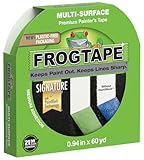
So, you’ve decided to give painters tape a shot. Great. Now, which one do you grab from the hardware store shelf? This is where a lot of people stumble. They just grab the first blue roll they see, thinking all painters tape is created equal. Spoiler alert: it’s not. For hanging posters, you want the original, classic blue tape. Brands like 3M, FrogTape, and Sherwin-Williams all make variations, but generally, the standard blue formulations are your best bet. They’re engineered for clean removal from most common surfaces, including painted drywall, trim, and glass, for up to 14 days. That’s the manufacturer’s promise, and for temporary poster hanging, it’s usually pretty accurate.
Avoid the heavy-duty or exterior-grade painters tapes. While they might offer a stronger initial stick, they are significantly more likely to damage your walls upon removal. Think of it this way: if it’s designed to hold up to outdoor weather or stick firmly to rough surfaces like brick, it’s probably too aggressive for your poster and your paint. I once made the mistake of using a green tape for a poster, and when I removed it a few weeks later, it took a good chunk of the paint with it. It looked like a bad case of wallpaper acne. That was a costly lesson, and a painful one to explain to my roommate.
What about those fancy, multi-surface tapes or tapes specifically marketed for delicate surfaces? These can be a mixed bag. Some might work well, offering a good balance of adhesion and removability. However, they often come with a higher price tag, and for simply hanging a poster, that’s usually not worth the investment. Stick to the standard blue. It’s readily available, affordable, and does exactly what you need it to do without overcomplicating things.
Look at the packaging. Most good quality painters tape will specify its intended use and how long it’s meant to stay on a surface before removal. For posters, you’re generally looking at something that claims clean removal for up to a week or two. If it boasts ‘superior adhesion’ or ‘long-lasting hold,’ be wary. That’s usually code for ‘it’s going to be a pain to get off without damaging something.’
Finally, consider the width of the tape. Standard 1-inch wide tape is usually sufficient. If your poster is particularly large or heavy, you might need wider strips, but don’t go overboard. Overdoing it with the tape, even low-tack tape, can sometimes leave residue or lift paint simply due to the surface area it covers.
Common Mistakes When Using Painters Tape for Posters
This is where I’ve personally messed up more times than I care to admit. People think, ‘it’s just tape,’ and they don’t give it a second thought.
But there are definitely ways to shoot yourself in the foot when you’re trying to hang posters with painters tape. The most obvious mistake is leaving it up for too long. Remember, painters tape is temporary.
Most standard blue tapes are designed for 14 days max. After that, the adhesive starts to break down, or it can actually cure onto the surface, making it harder to remove cleanly. I once left a poster up for nearly six months, thinking ‘out of sight, out of mind.’ When I finally took it down, the tape had bonded with the paint, and pulling it off was like peeling a sunburn – painful and messy. (See Also: Does Painters Tape Rip Paint Off Walls )
I ended up having to repaint a section of the wall.
Another biggie is applying the tape to a dirty or dusty surface. If you’re taping directly to the wall, make sure that spot is clean. Any dust, grease, or grime will prevent the tape from sticking properly. This means your poster is more likely to fall down. I’ve learned to give the wall a quick wipe-down with a damp cloth (and let it dry completely!) before applying any tape. It makes a difference.
Relying on just one small strip is also a rookie error. For anything larger than a postcard, you need more than just a single piece of tape in each corner. Distribute the tape evenly along the edges, or at least in several key points, to make sure even support. For larger posters, I usually put a strip every 6-8 inches. This prevents the poster from sagging in the middle or pulling away from the wall at various points. It’s about creating a more uniform hold.
Then there’s the issue of using the wrong type of painters tape, as we discussed. Grabbing the heavy-duty stuff because you think it’ll hold better is a common pitfall. It might hold better, but it’ll also likely damage your wall, which defeats the purpose of using painters tape in the first place. Always go for the standard blue for posters.
Finally, and this sounds obvious, but people do it: don’t rip it off too fast. When you’re ready to take the poster down, peel the tape back slowly and at a low angle, close to the wall. Yanking it straight out or too quickly is how you get tears in the paint. Patience is key when removing painters tape, just as it is when applying it.
Real-World Use: My Experience Hanging Posters
Let’s talk practical application. I’ve been hanging things on walls for years, and painters tape has been a go-to for so many situations where I needed something temporary. Back in college, it was my best friend for decorating my dorm room. Band posters, movie posters, even silly drawings my little sister made – they all went up with blue tape. It was cheap, readily available, and most importantly, my RA wouldn’t have my head if I messed up the paint. The key was understanding its limitations. I’d stick a poster up, enjoy it for a semester, and then carefully peel it off before moving out. Most of the time, it worked like a charm.
I remember one time I was helping a friend set up for a surprise party. We had a bunch of balloons and streamers, and of course, a big ‘Happy Birthday’ banner. We were in a hurry, and the only tape we had handy was painters tape. We used it to stick the banner to a freshly painted wall. It held up perfectly for the entire party. The next day, when we took it down, it came off without a single issue. That was a win. It proved that under the right conditions and for the right duration, it’s a totally viable solution.
However, I’ve also had my share of less-than-stellar experiences. There was that phase where I got really into minimalist art prints. I bought a few expensive ones, and instead of buying proper frames or mounting hardware, I thought, ‘Painters tape will do the trick.’ I carefully applied strips along the edges, smoothing them down.
For about a month, they looked great. Then, one morning, I walked into my living room to find one of the prints hanging at a jaunty angle, the tape having given up the ghost. The poster itself was fine, but the visual of it halfway detached was… uninspiring. It’s moments like that when you realize painters tape isn’t a substitute for proper mounting hardware, especially for items you value. (See Also: Does Masking Tape Work The Same As Painters Tape )
The biggest surprise for me was how much temperature and humidity played a role. I once tried to hang a large, thin poster in a bathroom that got quite steamy. Within a day, the edges started to curl and detach. The moisture just killed the adhesive. Conversely, in a very dry, hot environment, I’ve had the tape bake onto the wall, making it brittle and difficult to remove without leaving behind little sticky bits. It’s a delicate balance, and relying solely on painters tape means you’re at the mercy of your room’s environment.
Comparison: Painters Tape vs. Other Temporary Adhesives for Posters
When you’re weighing your options for temporarily hanging posters, it’s good to know how painters tape stacks up. It’s not the only game in town, and each has its pros and cons.
| Adhesive Type | Pros | Cons | Verdict for Posters |
|---|---|---|---|
| Standard Blue Painters Tape | Low tack, easy to remove (usually), affordable, widely available, repositionable. | Adhesion weakens over time, not for heavy items, can leave residue or lift paint if left too long or removed improperly. | Good for very temporary (days to a couple of weeks), lightweight posters where wall safety is most important. |
| Washi Tape | Decorative, comes in many patterns, often low tack, good for light paper items. | Can be quite weak, expensive for large areas, some can leave residue or lift paint depending on the brand. | Okay for small, lightweight photos or very delicate paper posters, but often not strong enough for standard posters. |
| Command Strips (Lightweight version) | Strong hold, designed for damage-free removal if instructions are followed, good for slightly heavier items. | More expensive than tape, must follow removal instructions precisely, can leave a slight imprint on some walls, not easily repositionable. | Excellent for longer-term display or slightly heavier posters where you want a secure hold and confidence in removal. |
| Double-Sided Tape (general purpose) | Stronger adhesion than painters tape. | High risk of wall damage, very difficult to remove without paint loss or residue, not repositionable. | Avoid for posters on painted walls. Only use if you’re absolutely certain you won’t need to remove it or if the surface is disposable. |
As you can see from the table, painters tape wins on affordability and ease of removal for short-term use. However, if your poster is valuable or you want it to stay up for more than a couple of weeks without constant worry, you might want to consider something like the lightweight Command Strips. They offer a more secure hold with less risk to your walls than most other strong adhesives, assuming you follow their specific instructions for application and removal. For what it’s worth, I’ve made the switch to Command Strips for anything I really care about or plan to keep up for more than a month, but for quick, temporary fixes, painters tape still gets a lot of action in my house.
Practical Tips for Using Painters Tape on Posters
So, you’ve decided to go the painters tape route. Smart move for the right situation. But to make sure it doesn’t turn into a sticky, paint-chipping nightmare, here are a few practical tips that have saved my walls (and my sanity) over the years.
- Prep Your Wall: This is a must. Make sure the area where you’ll be applying the tape is clean and dry. Dust, grease, or moisture will kill the adhesive’s bond and increase the chances of your poster falling. A quick wipe with a slightly damp cloth and then letting it air dry completely is usually all it takes.
- Test First: If you’re at all concerned about your paint, or if you’re using a brand of tape you’re unfamiliar with, do a small test. Apply a strip of tape to an inconspicuous spot on the wall (behind where the poster will hang, or in a closet) and leave it for a day or two. Then, carefully peel it off to see how it reacts with your paint. This small step can save you a lot of grief and repaint costs.
- Apply Firmly but Gently: Once you’ve positioned your poster, press the tape down firmly to make sure good contact. However, don’t press so hard that you embed the adhesive deep into the paint. You want it to stick, but you also want it to release cleanly.
- Use Enough Tape: Don’t skimp! For a standard-sized poster (say, 24×36 inches), use several strips along each edge, spaced about 6-8 inches apart. This distributes the weight and prevents sagging. For larger or heavier posters, you might need even more, or you might need to consider a different mounting method altogether.
- Don’t Leave it Up Forever: This is the golden rule. Painters tape is temporary. Most standard blue tapes are rated for 14 days. If you plan to keep your poster up longer than that, consider switching to a more solid, but still wall-safe, solution like Command Strips. If you do need to leave it up longer, check it periodically and be prepared for the possibility of damage upon removal.
- Remove Slowly and Carefully: When it’s time to take the poster down, peel the tape back slowly and at a very shallow angle, keeping it as close to the wall as possible. This minimizes the force pulling on the paint. If it feels like it’s sticking too much, try running a hairdryer on a low, cool setting over the tape to soften the adhesive slightly.
Following these steps will significantly increase your chances of a successful, damage-free poster hanging experience with painters tape. It’s all about managing expectations and respecting the limitations of the material.
Frequently Asked Questions About Using Painters Tape for Posters
Will Painters Tape Damage My Painted Walls?
Standard blue painters tape is designed to be low-tack and remove cleanly from most painted surfaces for up to 14 days. However, damage can occur if the tape is left on for too long (beyond its intended duration), if the paint is old or poorly applied, or if the tape is removed too quickly or aggressively. Always test in an inconspicuous area first if you’re concerned.
How Long Can I Leave Painters Tape on a Poster Before It Causes Problems?
For most standard blue painters tapes, the recommended maximum duration is 14 days. After this period, the adhesive can start to break down or cure onto the surface, making removal more difficult and increasing the risk of paint damage. For anything longer, consider a more permanent or specialized temporary adhesive solution.
My Poster Is a Bit Heavier Than a Standard Paper Print. Can Painters Tape Still Hold It?
It’s risky. While you can use more strips of painters tape, its adhesive strength is limited. For anything heavier than a standard paper poster, like a canvas print or a framed item, you’re much better off using a product specifically designed for that weight, such as Command Strips rated for the appropriate weight class.
What Should I Do If Painters Tape Leaves Residue on My Wall?
If you encounter residue, try gently rubbing it with a clean pencil eraser, as this can often lift off small amounts of adhesive. For more stubborn residue, a dab of Goo Gone or a similar citrus-based adhesive remover, applied to a cloth and then dabbed onto the residue (not directly onto the wall), can help. Always test any cleaner in an inconspicuous area first and wipe the area clean with a damp cloth afterward.
Final Thoughts
So, to circle back to the original question: can you hang posters with painters tape? The answer is a resounding ‘yes, but with caveats.’ It’s a fantastic, budget-friendly option for temporary decoration, quick fixes, or when you know you’ll be changing things up soon. I’ve certainly relied on it for years for exactly those scenarios. Just don’t expect it to be a permanent solution, and always be mindful of the tape’s limitations and your wall’s condition.
If you’re hanging a valuable piece or want it to stay put for months on end, you’re probably better off investing in something designed for longer-term, damage-free hanging, like lightweight Command Strips. But for those times when you just need to get that poster on the wall for a party, a semester, or until you find that perfect frame, painters tape is still my go-to. Just remember to prep, test, and remove with care. It’s a tool, and like any tool, it’s best used when you understand its strengths and weaknesses.