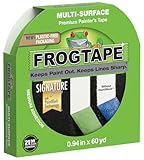
I remember staring at that roll of blue tape, fresh off a DIY disaster involving a rogue rogue wave of paint and a beautiful, textured wallpaper. It was a moment of pure panic. I’d always heard blue tape was the golden child for clean lines, but could it really handle the delicate surface of wallpaper without ripping it to shreds? I had my doubts, and honestly, I still do sometimes. The question ‘can painters blue tape be used on wall paper’ isn’t a simple yes or no; it’s a ‘it depends’ situation, and getting it wrong means redoing your walls. So, let’s cut through the DIY jargon and talk about what actually works.
When Blue Tape Meets Wallpaper: The Reality Check
Let’s get this straight from the get-go: if you’re thinking about slapping any old blue tape onto your precious wallpaper, you might be in for a world of hurt. I learned this the hard way. Years ago, I was trying to paint a border above some fancy damask wallpaper in my guest room.
I grabbed what I thought was standard blue tape – the kind I’d used a million times on drywall. Big mistake. When it was time to pull it off, it took a good chunk of the wallpaper pattern with it. It looked like a tiny, paper-thin beaver had a field day.
The wallpaper was expensive, and the repair job was a nightmare. That experience taught me that not all blue tape is created equal, and more importantly, not all wallpaper is a fan of being taped.
The adhesive on that particular tape was way too aggressive. It felt like superglue trying to make friends with tissue paper.
The lesson? You absolutely have to be careful, and sometimes the common advice to just ‘use blue tape’ is wildly incomplete.
You need to pick the right tape and, believe it or not, the right wallpaper.
The core issue boils down to adhesion. Painter’s tape, especially the aggressive stuff, is designed to stick firmly to a surface, creating a seal that paint can’t seep under.
That’s great for primed drywall or trim that can take a bit of a tug. Wallpaper, however, is often more delicate. The paper itself can be thin, and the adhesive holding it to the wall can be less solid than you’d think.
If the tape’s adhesive is too strong, it can lift the wallpaper’s edge, tear the paper, or even pull off some of the printed design. This is especially true for older wallpapers, textured varieties, or anything with a delicate finish. Then there’s the moisture factor. If you’re painting, you’re introducing liquid.
Some wallpapers can absorb moisture and swell, becoming even more fragile. This is where the choice of tape becomes important.
You need something that offers a clean release, meaning it sticks well enough to do its job but doesn’t leave behind a sticky residue or, worse, damage the surface it’s attached to.
Another common pitfall is assuming all ‘blue tape’ is the same. It’s not. You’ve got your standard blue tape, which is usually a medium-adhesion product. Then you have delicate surface tapes, often also in blue or sometimes green or purple, specifically formulated for things like freshly painted walls (less than 24 hours old) or, yes, wallpaper. (See Also: Does Painters Tape Pull Off Paint )
These have a much gentler adhesive. On the flip side, some ‘contractor-grade’ or heavy-duty blue tapes are designed for rough surfaces and can be seriously sticky. Using one of those on wallpaper is practically asking for trouble.
I’ve seen people grab the cheapest roll they could find at the hardware store, assuming blue is blue, and then wonder why their walls look like they went through a paper shredder. It’s a gamble you don’t want to take when you’ve invested time and money into your wall coverings.
What to Look for: The Devil’s in the Details
So, if you’re determined to push forward and want to know if can painters blue tape be used on wall paper without turning your room into a disaster zone, you need to be a detective. Forget the generic ‘blue tape’ idea. You’re looking for specific characteristics. The most important feature is the adhesive level. Most brands will label their tapes. You want something marketed as ‘low-tack,’ ‘delicate surface,’ or specifically ‘for wallpaper.’ These tapes are engineered with a weaker adhesive that’s designed to bond lightly and release cleanly without damaging the underlying surface. Think of it like choosing between a hug and a wrestling match for your wallpaper – you want the gentle hug.
Color can be a clue, but it’s not foolproof. While many delicate surface tapes are blue, some brands use green, purple, or even a pale pink to differentiate them. Always read the packaging.
It’s your best friend. It will tell you what surfaces the tape is intended for. If it doesn’t mention wallpaper, or if it talks about ‘tough adhesion’ or ‘sharp paint lines on wood trim,’ steer clear.
I once bought a roll that was blue, but the packaging specifically said ‘for trim and high-traffic areas.’ Naturally, I figured it would be fine. Wrong again.
It pulled off a section of my patterned wallpaper near the floor where my dog likes to investigate things. The packaging is there for a reason, people!
Consider the tape’s backing material, too. Most painter’s tapes have a crepe paper backing. This is usually fine, but some very thin or porous wallpapers might react poorly even to that. For extremely delicate or vintage wallpapers, you might even need to look at specialized masking films or even consider if taping is the right approach at all. The width of the tape also matters, though less for adhesion and more for the clean line you’re trying to achieve. Wider tape can sometimes be harder to control on intricate patterns or in tight corners. I usually stick to 1-inch or 1.5-inch rolls for most wallpaper taping jobs.
Here’s a quick comparison table. Remember, this is my honest opinion based on years of trial and error:
| Tape Type | Adhesion Level | Best For | My Verdict (for Wallpaper) |
|---|---|---|---|
| Standard Blue Painter’s Tape | Medium | Drywall, painted trim | Risky. Can pull, especially on older or textured wallpaper. |
| Delicate Surface Blue/Green/Purple Tape | Low | Fresh paint, wallpaper, delicate surfaces | Generally good. The go-to choice for most wallpaper jobs. |
| Heavy-Duty/Contractor Blue Tape | High | Rough surfaces, wood, metal | Absolutely not. Will almost certainly damage wallpaper. |
How to Actually Use It Without Causing a Catastrophe
Okay, you’ve found the right tape – the low-tack, delicate surface stuff. Now what? It’s not just about slapping it on and hoping for the best. There’s a technique involved.
The first rule I live by is: test, test, test. Find an inconspicuous spot on your wallpaper.
Maybe it’s behind a couch, or in a closet. Stick a small piece of the tape there, press it down gently, and leave it for the amount of time you’d expect it to be on the wall during your painting project. Then, carefully peel it back. Did it come off cleanly? (See Also: Does Painters Tape Rip Paint Off Walls )
Did it leave any residue? Did it lift any of the paper or print? If it passed the test, you’re probably good to go in that area. If it didn’t, then this tape isn’t the right one for your specific wallpaper, and you might need to reconsider your painting plan.
When you’re ready to tape, apply the tape slowly and deliberately. Press it down with your finger or a plastic putty knife (never metal – that’s a sure way to score your wallpaper). You want a good seal along the edge, but you don’t want to press so hard that you embed the adhesive deep into the paper fibers.
Work in manageable sections. Don’t tape the entire room at once. Tape a wall, paint it, and then remove the tape while the paint is still a bit wet. This is important.
Waiting for paint to dry completely can sometimes cause it to bond with the tape, making removal a nightmare and increasing the risk of tearing. I’ve learned that pulling tape when the paint is just slightly tacky is the sweet spot. It allows the paint to set enough not to run but not so much that it’s become one with the tape.
When you’re removing the tape, pull it back slowly and at a low angle, ideally 45 degrees, away from the painted surface. Don’t yank it straight up or at a sharp angle. Think of it as a gentle unzipping motion. If you encounter any resistance or feel the wallpaper start to lift, stop immediately.
You might need to score the edge of the tape very lightly with a craft knife to break the paint seal, or carefully use a hairdryer on a low heat setting to warm the adhesive and make it more pliable. This is tedious, I know, but it’s far better than peeling off half your wallpaper. I once rushed the removal on a section where I thought it was dry, and the tape snagged.
Instead of pulling the tape, I ended up with a jagged rip about a foot long. It took me hours to patch and repaint that section, making the initial taping job completely pointless.
Common Mistakes That Lead to Disaster
The number one mistake, as I’ve hammered home, is using the wrong tape. People see ‘blue tape’ and assume it’s a universal solution. They grab whatever’s cheapest or most readily available, not realizing the adhesive strength varies wildly. This is how you end up with that shredded wallpaper I mentioned. Another massive error is applying the tape to a dirty or dusty surface. If your wallpaper has any grime, oils, or dust on it, the tape won’t adhere properly. This can lead to paint bleed under the tape, ruining your clean lines anyway, and when you pull it off, it might bring some of that dust and grime with it, creating a mess.
Leaving the tape on for too long is another common trap. Paint needs time to dry, but it also needs time to cure. If you leave tape on for days, especially in humid conditions, the adhesive can become incredibly strong, basically bonding with the paint and wallpaper. The longer it sits, the higher the risk of damage upon removal. The ideal scenario is to remove the tape while the paint is still wet or at least slightly tacky. This creates a cleaner break. I’ve heard people say, ‘Oh, I’ll just leave it overnight.’ That’s usually a recipe for disaster with wallpaper. The paint dries, hardens, and then the tape is virtually welded on.
Rushing the process is also a big no-no. Applying tape too quickly, pressing down too hard, or yanking it off in a hurry are all recipes for disaster.
Each step requires patience. You need to carefully align the tape to create the edge you want, press it down evenly to create a seal, paint carefully along the line, and then remove it slowly and deliberately. Trying to cut corners on any of these stages will likely cost you more time and money in the long run with repairs.
I’ve had friends who tried to speed through taping by just slapping it on, and their paint lines looked like they were drawn by a toddler. It wasn’t worth the ‘time saved’ when they had to go back and touch up every single edge. (See Also: Does Masking Tape Work The Same As Painters Tape )
Real-World Scenarios: Where It Actually Works (and When It Doesn’t)
So, can painters blue tape be used on wall paper? Yes, but with serious caveats. It absolutely works best when you’re painting a contrasting color onto a smooth, durable wallpaper. Think of painting a sharp line between two solid-colored, vinyl-coated wallpapers, or painting a simple stripe above a plain, washable wallpaper. In these situations, the wallpaper is likely solid enough to handle a low-tack tape, and the paint lines are clear and defined, making the taping worthwhile.
Where it often doesn’t work, or at least becomes incredibly risky, is with:
- Textured Wallpapers: The uneven surface makes it hard for tape to create a proper seal, leading to bleed. More importantly, the texture can catch the tape, increasing the risk of tearing.
- Delicate or Older Wallpapers: These papers can be brittle, the adhesive weak, or the print itself fragile. Aggressive tape will almost certainly cause damage.
- Fabric or Grasscloth Wallpapers: These are particularly tricky. The woven texture can snag tape, and the material itself can be porous and easily stained or torn. Specialized products or methods are usually better here.
- DIY Projects with Unknown Wallpaper: If you don’t know the exact type or quality of your wallpaper, or if it’s a cheap peel-and-stick that feels flimsy, proceed with extreme caution or avoid tape altogether.
I had a client once who wanted to paint a chair rail detail above some beautiful, slightly raised floral wallpaper. I warned her about the risks, but she insisted. I used the most delicate tape I could find, tested it extensively, and still, as I was pulling it off, I saw a tiny bit of the floral pattern lift. It was barely noticeable, but she saw it. The stress of potentially damaging it further meant we ended up just freehanding the rest of the line with a very steady hand and a fine brush. It was more time-consuming but safer. For that particular project, the risk of using tape outweighed the benefit of a perfectly straight line.
Practical Tips for Success (or Less Failure)
If you’re committed to using tape on wallpaper, here are a few more tips that have saved my bacon more than once. First, always apply the tape to a clean, dry surface. If you have any doubts about dust, a very gentle wipe with a slightly damp (not wet!) microfiber cloth and then letting it dry completely is a good idea. For painted edges, make sure the paint is fully cured before applying tape. This is where the ‘delicate surface’ tapes really shine, as they’re designed for surfaces that might still be a bit soft.
When painting, don’t let the paint build up on the edge of the tape. Use light, even coats. If you apply too much paint, it will seep under the tape, and when you remove it, you’ll have a drippy, messy line instead of a crisp one.
Also, consider using an angled sash brush for painting the edge. It gives you more control and allows you to feather the paint slightly away from the tape, reducing the chance of it running underneath. After painting, don’t wait too long before removing the tape. As mentioned, remove it while the paint is still wet or slightly tacky.
If you must wait longer, use a hairdryer on a low, cool setting to gently warm the paint and tape, which can help loosen the adhesive. Be patient; slow and steady wins the race here.
Finally, consider if masking is even necessary. For simple projects or when dealing with very delicate wallpaper, sometimes it’s better to use a steady hand and a good quality angled brush. You can achieve incredibly clean lines with practice. For very intricate patterns or highly textured wallpapers, you might be better off just painting carefully freehand and then doing any minor touch-ups with a small artist’s brush. It’s about weighing the risk against the reward. If the wallpaper is extremely expensive or delicate, the potential cost of repair might be far greater than the time saved by using tape.
Can Painters Blue Tape Be Used on Wall Paper?
Yes, but with significant caution. You must use a low-tack, delicate surface painter’s tape specifically designed for surfaces like wallpaper. Standard or heavy-duty painter’s tapes are too aggressive and will likely damage the wallpaper. Always test the tape in an inconspicuous area first to make sure it removes cleanly without lifting the paper or its print.
What Kind of Blue Tape Is Safe for Wallpaper?
Look for blue tape explicitly labeled as ‘delicate surface,’ ‘low-tack,’ or ‘for wallpaper.’ These tapes have a gentler adhesive formulated to adhere lightly and remove cleanly. Brands often use different colors like green or purple for their delicate surface options, so always read the product packaging carefully.
Will Painter’s Tape Damage My Wallpaper?
It can, especially if you use the wrong type of tape or apply and remove it improperly. Standard or high-tack tapes are highly likely to lift, tear, or pull the print off delicate or textured wallpapers. Even low-tack tapes can cause damage if the wallpaper itself is very fragile or old.
How Do I Remove Painter’s Tape From Wallpaper Without Damage?
Remove the tape slowly and at a low angle (about 45 degrees) while the paint is still wet or slightly tacky. Avoid pulling straight up. If there’s resistance or you feel the wallpaper lifting, stop and try gently warming the tape with a hairdryer on a low setting to soften the adhesive before continuing the slow peel.
Verdict
So, to circle back to that initial panic: can painters blue tape be used on wall paper? The answer is a qualified yes, provided you’re armed with the right knowledge and the right tape. It’s not a one-size-fits-all situation, and the wrong move can lead to a costly mess. Always prioritize delicate surface tape, test it thoroughly, and approach application and removal with patience. If you’re dealing with a particularly precious or delicate wallpaper, sometimes the safest bet is to ditch the tape altogether and embrace the challenge of a steady hand. Ultimately, protecting your walls should always be the top priority, even if it means a bit more effort.