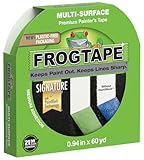
I’ve seen some wild things done in the name of convenience, and slapping a piece of blue tape on a plate of leftovers before nuking it in the microwave definitely ranks up there. My first thought when I heard someone suggest it was, ‘Are you out of your mind?’ It’s like asking if you can use duct tape to line your baking sheets. Just because it sticks and can handle a bit of heat doesn’t mean it’s meant for contact with your food, especially not in a microwave.
The simple, blunt answer to can painters tape go in the microwave with food is a resounding no. It’s not designed for it, and the potential risks are not worth the minuscule convenience. Let’s break down why this is a terrible idea and what you should be using instead.
Why Putting Painters Tape in the Microwave Is a Terrible Idea
Look, I’m all for making life easier, but some shortcuts are just plain stupid. The whole notion of putting painters tape in the microwave with food stems from a misunderstanding of what that tape actually is. It’s designed for painting. Its adhesive is formulated to stick to walls, trim, and various surfaces without leaving a permanent mark when you peel it off after painting. It’s not made of food-grade materials, and it’s certainly not engineered to withstand the intense, uneven heating and potential off-gassing that happens inside a microwave.
Think about it: when you microwave food, you’re basically bombarding it with electromagnetic radiation that causes water molecules to vibrate and generate heat. This process can also break down materials that come into contact with the food.
The adhesives and paper or plastic backing of painters tape are not inert. They contain chemicals that can leach into your food when heated. We’re talking about potential plasticizers, solvents, and other compounds that have no business being ingested. I once saw a friend try to seal a container with masking tape during a camping trip because they didn’t have proper lids.
The food tasted weird, and later that night, they had a gnarly stomach ache. While that wasn’t a microwave situation, it hammered home the point: if it’s not meant for food, don’t let it touch your food, especially under heat.
The heat generated in a microwave can be inconsistent. You might have parts of your food boiling while others are just warm. This fluctuating temperature can accelerate the breakdown of the tape’s components. Furthermore, microwaves can create steam and pressure. While painters tape might not immediately melt or catch fire (though that’s also a risk), the breakdown and leaching are happening subtly, invisibly, and insidiously. You won’t see it, you might not taste it initially, but you are definitely consuming something you shouldn’t be. The common advice to avoid putting non-food-safe plastics in the microwave is sound, and painters tape falls squarely into that category. It’s a painting supply, not a food container.
What’s Actually in Painters Tape and Why It Matters
Let’s get down to brass tacks about what’s actually in that roll of blue or green tape you’ve got in your toolbox. It’s not just paper and glue. The paper itself might be treated with chemicals to make it more durable or resistant to paint bleed. The real culprit, though, is the adhesive. This sticky stuff is a complex chemical concoction designed for specific adhesion properties. We’re talking about synthetic rubber polymers, tackifiers (which are often resins), plasticizers (to keep the adhesive flexible), and sometimes solvents or other agents to control its viscosity and drying time. None of these are designed for ingestion or for prolonged contact with food under high heat.
When you expose painters tape to microwave radiation and the resulting heat, these chemical components can break down. Plasticizers are particularly concerning because they can migrate from the plastic material into the food. This is a known issue with many plastics that aren’t rated for microwave use. The adhesive itself can melt or degrade, releasing a cocktail of unknown substances.
I remember a time I tried to reheat some pasta and accidentally put a piece of regular office tape on the plastic wrap covering it. I didn’t notice until I was halfway through eating and tasted this weird, slightly chemical flavor.
I immediately spit it out and threw the rest away. It was a stark reminder that even seemingly innocuous tapes are not food-safe. The risks associated with painters tape are amplified because it’s often designed for a stronger bond and may contain more aggressive chemicals than, say, a standard cellophane tape.
The Food and Drug Administration (FDA) has regulations for food contact substances, which include materials that come into contact with food. These regulations make sure that materials used in food packaging, utensils, and cookware are safe and do not leach harmful chemicals into food. Painters tape, by its very nature and intended use, does not meet these standards. It’s not manufactured with food safety as a consideration. (See Also: Does Painters Tape Pull Off Paint )
So, when you’re asking ‘can painters tape go in the microwave with food,’ you’re basically asking if you can use a material not tested or approved for food contact in a high-heat environment. The answer is a hard pass.
It’s like using a wrench to stir your soup – it might physically do the job, but it’s the wrong tool and introduces unwanted elements.
Common Mistakes and Why They’re Dangerous
One of the most common mistakes people make is assuming that if something doesn’t immediately melt, burn, or smoke, it’s safe. This is a dangerous line of thinking, especially when it comes to microwaves and food. The invisible chemical migration from the tape into your food is the primary danger. You might not see any visible damage to the tape or the food, but chemical compounds are leaching and contaminating your meal. It’s the silent threat, the one that doesn’t announce itself with smoke signals.
Another mistake is thinking that just because the tape isn’t directly touching the bulk of the food, it’s okay. For instance, someone might use it to seal the edge of a paper towel covering a bowl, and a tiny bit of the tape is hovering just above the food. Microwaves heat food unevenly, and the radiation can affect the tape even if it’s not in direct contact. The heat generated within the food can also transfer to the tape.
Furthermore, steam can carry volatile compounds from the tape onto the food. I once tried to reheat a slice of pizza, and the plastic wrap I used to cover it started to shrink and pull away, exposing a corner of the cardboard box it came on. I didn’t think much of it until I took a bite and got this weird, papery, slightly chemical taste.
It made me realize how easily unseen contamination can happen. The cardboard wasn’t meant for direct contact in that way, and neither is painters tape.
People also sometimes confuse painters tape with other materials that might seem similar. For example, some people use special microwave-safe labels or parchment paper. Painters tape is NOT parchment paper. It’s not butcher paper. It’s not a food-grade plastic wrap. It’s a specific product for a specific job – painting. Using it for anything else, especially something as sensitive as heating food, is a recipe for disaster. It’s like using a hammer to try and screw in a lightbulb. It might feel like a solution in a pinch, but it’s not the right tool, and you risk breaking something (or in this case, making yourself sick).
Real-World Use Cases (and What Not to Use)
Let’s be clear: painters tape has absolutely zero legitimate use cases inside a microwave with food. None. Zilch. Nada. Its purpose is to mask surfaces during painting. That’s it. Trying to find a loophole or a ‘creative’ way to use it in the kitchen, especially in a microwave, is just asking for trouble. I’ve seen people try to use it to hold down a corner of paper towel, or to temporarily seal a gap in a food container. All of these are bad ideas.
So, what should you be using? For covering food in the microwave, the best options are microwave-safe plastic wrap (look for the microwave-safe symbol), microwave-safe glass or plastic lids, or even a damp paper towel.
If you’re reheating something in a paper container that isn’t microwave-safe, the safest bet is to transfer it to a proper microwave-safe dish. I remember years ago, before I really knew better, I tried to microwave a burger that came in one of those flimsy cardboard sleeves. I didn’t have a plate handy and figured the sleeve would be fine. Big mistake.
The cardboard got soggy and started to disintegrate, and the whole thing was a greasy mess. It taught me a valuable lesson: if it doesn’t explicitly say ‘microwave-safe,’ assume it’s not. (See Also: Does Painters Tape Rip Paint Off Walls )
When it comes to labeling food that you’re going to microwave, use actual food-safe labels or write directly on microwave-safe containers with a food-safe marker. Some people try to use regular tape to label containers in the fridge, thinking it’s okay because it’s not being heated. Even then, I’d be wary. Adhesives can sometimes degrade and stick to other things in the fridge or be hard to remove.
For any direct food contact, or anything that will be heated with food, stick to products specifically designed and certified for that purpose. I’ve spent a good chunk of money over the years on kitchen gadgets and storage that promised the moon but fell short, and the same goes for ‘solutions’ that aren’t actually safe. Don’t be like me; just buy the right tool for the job.
It’ll save you money and, more importantly, your health.
Practical Tips for Microwave Food Safety
Here’s the bottom line: when in doubt, throw it out, or at least, don’t put it in the microwave. The stakes are too high. My first and most important tip is to always check for the ‘microwave-safe’ symbol. This symbol is usually a series of wavy lines, sometimes with a plate or a microwave oven depicted.
If it’s not there, err on the side of caution. This applies to all dishes, containers, wraps, and even utensils. I used to have a set of plastic containers that I loved, but they didn’t have the symbol. I’d always be a bit hesitant to use them in the microwave, and one time, a corner of one of them warped after reheating leftovers.
That was enough for me to toss them and buy ones that were explicitly microwave-safe. It’s a small thing, but it makes a big difference.
Secondly, never use materials not intended for food contact. This includes things like newspaper, aluminum foil (unless your microwave manual specifically says it’s okay for certain uses, which is rare), and definitely not painters tape. If you’re trying to cover food, use a microwave-safe lid, microwave-safe plastic wrap, or a damp paper towel. A damp paper towel is a fantastic, cheap, and safe way to prevent splattering and keep food moist while reheating. I often use one for reheating rice or vegetables. It’s simple, effective, and I don’t have to worry about chemicals leaching into my food.
Here’s a quick rundown of what to look for and what to avoid:
| Item | Microwave Safe? | Verdict/Reason |
|---|---|---|
| Ceramic plates (no metallic trim) | Yes | Generally safe, but check for metallic paint. |
| Glass dishes (Pyrex, etc.) | Yes | Excellent choice, durable and safe. |
| Microwave-safe plastic containers | Yes | Look for the symbol! Avoid generic plastics. |
| Paper plates/bowls (plain) | Sometimes | Only if explicitly labeled ‘microwave-safe’. Avoid waxed or coated ones. |
| Aluminum foil | Rarely | Can cause arcing and damage your microwave. Check manual, but usually a no. |
| Styrofoam containers | No | Can melt and leach chemicals into food. |
| Painters tape | ABSOLUTELY NOT | Contains non-food-grade adhesives and materials. Chemical leaching risk. |
Finally, when in doubt about a container or wrap, transfer your food to a known microwave-safe dish. It might be an extra dish to wash, but it’s a small price to pay for peace of mind and good health. Don’t experiment with your food safety; stick to what’s proven and safe.
The Myth of Microwave-Safe Alternatives
There’s a persistent myth out there that if you can’t find a proper lid, any old thing will do for covering food in the microwave. People see painters tape as a quick fix for sealing a container or holding down a paper towel. They think, ‘It’s just paper, and the glue isn’t touching the food directly.’
This is a dangerous misconception. The reality is that the adhesives in painters tape are not inert. (See Also: Does Masking Tape Work The Same As Painters Tape )
They are complex chemical mixtures designed for adhesion, not for contact with food under heat. When exposed to microwave radiation and the resulting temperatures, these chemicals can break down and migrate into your food. It’s not a matter of ‘if’ but ‘how much’ and ‘what kind’ of chemicals are leaching.
I remember a friend who was convinced that using a piece of regular Scotch tape to seal a plastic container was perfectly fine. They argued it was just ‘a little bit’ and ‘not touching the food.’ Well, one day, after microwaving some soup, they noticed a faint oily residue on the inside of the container and a slightly off taste. They brushed it off, but I saw the writing on the wall.
It’s the subtle, unseen dangers that get you. The glue on that tape, while seemingly innocuous, was not meant to be heated and subjected to the forces within a microwave. It’s like thinking a bit of oil on your hands is fine when you’re handling delicate electronics – the immediate damage might not be obvious, but it’s there.
The market is flooded with products, and sometimes it’s hard to tell what’s genuinely safe and what’s just… there. For painters tape, the intention is clear: it’s for painting. It’s not for food prep, not for storage, and certainly not for microwaving. The fact that it sticks and can withstand some heat is irrelevant to its safety profile when it comes to food.
If you’re looking for alternatives to plastic wrap or lids, there are plenty of safe options. Silicone covers, reusable beeswax wraps (though check their microwave-safe rating, some aren’t), and various styles of microwave-safe glass or silicone lids are readily available.
Investing in these is far wiser than risking your health with something like painters tape. My own kitchen drawer is a testament to this – I’ve tossed out countless containers and wraps that weren’t up to snuff, and I’ve replaced them with reliable, clearly marked microwave-safe items.
It’s a worthwhile investment for your well-being.
Frequently Asked Questions About Microwave Food Safety
Can I Use Any Tape in the Microwave with Food?
No, absolutely not. No type of adhesive tape, including painters tape, masking tape, cellophane tape, or any other kind, should ever be placed in the microwave with food. These tapes are made with adhesives and backing materials that are not food-grade and can release harmful chemicals when heated. Always use microwave-safe containers and covers.
What Happens If Painters Tape Goes in the Microwave?
When painters tape is heated in a microwave, the adhesives and other chemicals in the tape can break down and leach into your food. This can contaminate the food with potentially harmful substances. While it might not immediately cause visible damage or smoke, it poses a health risk due to chemical migration. It’s best to avoid this entirely.
Is It Safe to Cover Food with Paper Towels in the Microwave?
Yes, plain paper towels are generally safe to use for covering food in the microwave to prevent splattering. They are designed to be disposable and don’t contain the same chemical adhesives as tapes. For best results, lightly dampen the paper towel; it helps keep the food moist and prevents the towel from sticking.
Final Thoughts
So, to put it plainly, can painters tape go in the microwave with food? The answer is a hard and fast no. It’s not designed for it, it’s not safe for it, and the potential health risks of chemical leaching are simply not worth the fleeting convenience.
Stick to what’s meant for the job. Use microwave-safe containers, lids, or even a simple damp paper towel to cover your food. Your health and the integrity of your microwave are far more important than a questionable shortcut involving a roll of painters tape. Don’t be that person who ends up sick or with a damaged appliance because they tried to get too clever in the kitchen.
When you’re unsure about a material’s safety in the microwave, the safest bet is always to find a designated microwave-safe alternative. It’s a small habit that makes a big difference in keeping your food safe and your kitchen running smoothly.