I remember staring at a blank wall in my first apartment, armed with a stack of posters I was convinced would transform the sad space. My go-to? Blue painter’s tape. It seemed like the obvious choice – designed to stick without wrecking paint, right? Wrong. By the time I moved out, those ‘poster-friendly’ edges had left behind faint blue ghosts and, on one particularly rough patch of drywall, a little bit of peeling paint. That’s when I started asking myself, can painters tape hold papers on wall effectively, or is it just a glorified sticky note dispenser?
It’s a question I’ve revisited countless times since, with everything from kids’ artwork to important notices that need to stay put. The cheap stuff feels flimsy, the good stuff can be pricey, and figuring out which will actually do the job without causing damage is a minefield.
Let’s cut through the noise. Painter’s tape isn’t some magical all-purpose adhesive. It has a job, and holding up your kid’s masterpiece might be borderline at best, depending on a few key factors.
So, Does Painter’s Tape Actually Stick?
Look, the short answer to ‘can painters tape hold papers on wall’ is: sometimes, and with caveats. Painter’s tape is designed to adhere to surfaces temporarily, providing a clean edge when you’re painting. The adhesive is formulated to be relatively low-tack, meaning it sticks well enough to create that seal against paint bleed but is also meant to be removed without damaging the underlying surface, like freshly painted drywall or delicate trim. Think of it as a friendly handshake, not a death grip.
The biggest misunderstanding is that ‘tape’ means ‘stickiness.’ Painter’s tape is about controlled stickiness. It’s not meant to hold heavy objects, or even moderately heavy objects for extended periods. The adhesive has a shelf life, too. If you’ve got a roll that’s been rattling around in your garage for three years, the sticky stuff might have dried out or lost its effectiveness. I once grabbed an old roll for a quick job, and it barely clung to the wall, let alone held up the paper I needed it for. It just peeled off like a sad, defeated ribbon.
The type of paper you’re trying to hang also matters. A single sheet of lightweight printer paper? Probably fine. A thick, glossy art print? You’re asking a lot. A poster board that’s been rolled up and is trying to revert to its original shape? Forget about it unless you’re using a ton of tape, which then defeats the purpose of a clean, temporary hold.
The real kicker is the wall surface itself. Is it smooth, glossy paint? Great, the tape will adhere well. Is it textured wallpaper, a porous surface, or a wall that hasn’t been properly prepped? The tape might not get a good grip. This is where things get dicey, and you might find your papers drooping sooner rather than later. It’s all about surface tension and the quality of the adhesive interacting with whatever it’s stuck to.
What to Look for in Painter’s Tape for Hanging Stuff
Alright, so you’ve decided you’re going to try painter’s tape for your paper-hanging needs. Don’t just grab the cheapest blue roll you see. There are different grades, and they matter. You’re looking for tape that strikes a balance between a decent grip and easy, residue-free removal. This is where the fancy color-coding comes in, though frankly, it’s often more about marketing than a strict scientific standard.
Generally, you’ll see: (See Also: Does Painters Tape Pull Off Paint )
- Blue Tape: This is your standard, everyday painter’s tape. It’s good for most interior painting jobs and often works okay for hanging lightweight paper for a short to medium duration. Brands like ScotchBlue or FrogTape are popular. The original ScotchBlue is often a good starting point, but some of their specialty versions might offer better adhesion.
- Green Tape: Often marketed for delicate surfaces like wallpaper or freshly painted walls (within 24 hours). This means the adhesive is even lower-tack. So, while it’s safer for the wall, it’s less likely to hold paper for any length of time.
- Yellow Tape: Sometimes used for masking in less important areas or for general-purpose use. The adhesion can vary wildly.
- Purple/Specialty Tapes: Some brands have tapes for specific applications – like long-term masking or high-temperature jobs. These might have stronger adhesives but are usually overkill and more expensive for just hanging paper.
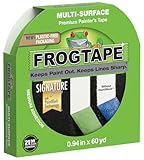
My personal advice? Stick with a good quality blue tape. Brands like FrogTape are often a bit pricier, but their ‘Multi-Surface’ or ‘Delicate Surface’ versions (despite the names) often have a reliable adhesive that’s forgiving on walls. I paid about $12 for a 3-pack of 1.41-inch rolls of FrogTape Multi-Surface last year, and it’s been decent for everything from framing my kids’ art to temporarily tacking up notes on my corkboard when I ran out of thumbtacks.
What you don’t want is anything labeled ‘heavy duty’ or ‘construction’ tape. That stuff is meant to stick, period. You’ll end up with paint damage and a real mess. When choosing, feel the tape. Does it feel sticky, or does it feel like it’s barely there? You want that subtle tackiness. Also, check the packaging for claims about residue. While no tape is 100% guaranteed, reputable brands will usually state if it’s clean-removing.
Common Mistakes and Why Your Paper Falls Down
I’ve made enough mistakes with tape to write a book. One of the most common errors people make is thinking painter’s tape is a permanent solution. It’s not. It’s designed for temporary adhesion. If you’re trying to hang something that needs to stay up for weeks or months, painter’s tape is probably the wrong tool for the job. I learned this the hard way when I used it to tack up some old concert posters in my dorm room. Within two weeks, half of them were peeling off the bottom, leaving little sticky strips behind.
Another big one is surface preparation. Is your wall dusty? Greasy? Did you just wash it and not let it dry completely? Painter’s tape needs a clean, dry surface to adhere properly. It’s like trying to shake hands with someone wearing oven mitts – the connection is weak. I once tried to hang a schedule on the inside of my kitchen cabinet door, which gets a bit of residual cooking grease. The tape just slid right off. A quick wipe-down with a degreaser fixed it, but it was a lesson learned.
Then there’s the application itself. Are you pressing the tape down firmly? You need to apply gentle but consistent pressure along the entire length of the tape to make sure good contact. Just slapping a piece on won’t cut it. I’ve seen people barely touch the tape to the wall, expecting it to hold. You need to make sure the adhesive makes full contact with the paper and the wall. Think of it like applying a screen protector on your phone – you want to smooth out any air bubbles and make sure full adhesion.
Finally, consider the weight and type of paper. As I mentioned, a thin piece of printer paper is one thing, but a thicker cardstock or a poster that’s curled from being stored? That requires more grip than painter’s tape can reliably provide. You’re fighting the paper’s own desire to unroll or curl up, and the tape’s adhesive will eventually lose the battle. It’s like trying to hold a deflated balloon closed with a single finger – it’s not going to work for long.
Real-World Use Cases: When Painter’s Tape Works (and When It Doesn’t)
Let’s get down to brass tacks. Can painters tape hold papers on wall? Yes, for specific scenarios. My go-to use is for temporary displays, like kids’ artwork on the fridge or a notice board. I’ll use a good quality blue tape, cut into small strips, to hold up their latest scribbles or a school newsletter that needs to be seen. This usually lasts a week or two without issue. The key here is ‘temporary’ and ‘lightweight’.
Another time it’s surprisingly effective is for framing. Not real frames, but creating a temporary border for something. For instance, I wanted to create a pseudo-frame for a large map I was displaying on a blank wall for a party. I used 2-inch wide blue tape to create a border around the map. It looked surprisingly clean, held perfectly for the weekend, and peeled off without a trace. It’s great for event decor when you need things to look tidy but can’t put holes in the walls. (See Also: Does Painters Tape Rip Paint Off Walls )
Where it really fails is when you need durability or are dealing with anything remotely heavy. I tried using painter’s tape to hold up a fabric swatch sample book on my workshop wall. Big mistake. The book wasn’t excessively heavy, but the sheer surface area and the tape’s limited grip meant it started sagging within a day. I ended up using small strips of Command strips instead, which worked flawlessly. That was about $8 for a pack of small strips, and it was worth every penny for the peace of mind.
I’ve also seen people try to use it to hold up thin canvases or even unframed prints that have a bit of weight. Unless the tape is exceptionally strong and the wall surface is perfectly smooth and clean, you’re risking your artwork. It’s much safer to invest in a few picture-hanging strips or small nails for anything you truly value or that has any significant weight.
Here’s a quick rundown:
| Item to Hang | Painter’s Tape Verdict | Why? |
|---|---|---|
| Kids’ Drawings (light paper) | 👍 Good (temporary) | Low weight, short-term need. |
| Printable Art (standard paper) | 👍 Fair (short-term) | Might sag over time, surface dependent. |
| Thick Cardstock Notice | 👎 Risky | Weight can overcome adhesive. |
| Poster Board | 👎 No | Tends to curl, too heavy for tape grip. |
| Fabric Swatches/Small Banners | 👎 No | Weight and surface area too much. |
| Photographs (unframed) | 👍 Fair (very light only) | Depends heavily on paper weight and wall texture. |
A Contrarian View: When Not to Use Painter’s Tape
Everyone talks about painter’s tape being ‘safe’ for walls, and for painting, it usually is. But when it comes to hanging paper, I’m more skeptical than most. The common advice is, ‘Oh, just use painter’s tape, it won’t damage your paint.’ I disagree. While it might not leave massive gouges or pull off huge chunks of paint, it can absolutely leave behind a subtle sheen difference, a faint blueish tint in certain light, or even lift the very top layer of glossy paint over time, especially if it’s been up for a while or removed incorrectly.
I’ve seen it happen on walls I’ve painted myself. You pull the tape off, thinking you’re golden, and then a week later, in bright sunlight, you notice a slightly different texture or sheen where the tape was. It’s not always obvious, but it’s there. And if you’re renting, a landlord might notice that subtle damage. This is particularly true for lower-quality tapes or when the tape has been on for longer than intended.
My rule of thumb is this: if the item is something you absolutely cannot afford to damage the wall over, don’t use painter’s tape. Even the ‘delicate surface’ versions can surprise you. I’d rather use a tiny thumbtack that leaves a minuscule hole (which is easy to spackle and paint over) or a dedicated picture-hanging strip than risk a faint discoloration or a sticky residue that’s hard to clean. The time spent trying to fix tape marks often outweighs the perceived convenience of not using a nail or a proper adhesive strip.
So, while painter’s tape can hold paper, I tend to lean away from it for anything I care about or that needs to stay up for more than a few days. It’s a tool with a specific purpose, and for hanging paper, that purpose is very, very limited. Think of it as a temporary bandage, not a permanent stitch.
Practical Tips for Using Painter’s Tape for Paper
If you’re still set on using painter’s tape, and you’ve accepted the risks and limitations, here are a few tips to maximize your chances of success and minimize damage: (See Also: Does Masking Tape Work The Same As Painters Tape )
- Choose Wisely: As discussed, opt for a reputable brand of blue painter’s tape. Look for versions designed for multi-surface use, as they often have a good balance of adhesion and removability. Avoid anything that feels excessively sticky or is labeled for heavy-duty applications.
- Prep the Surface: Make sure the wall area where you’ll be applying the tape is clean, dry, and free of dust, grease, or loose paint. A quick wipe with a damp cloth (and allowing it to dry completely) can make a big difference.
- Test First: Before committing to hanging your paper, test a small piece of tape on an inconspicuous area of the wall. Leave it for a few hours or even overnight, then remove it to check for any residue or paint damage.
- Apply Firmly: Press the tape down firmly against both the paper and the wall. Use your fingernail or a credit card to smooth it out and make sure good contact. This helps the adhesive bond properly.
- Use Multiple Small Strips: Instead of one long strip, use several smaller pieces of tape along the edges of your paper. This distributes the weight more evenly and makes removal easier, reducing the chance of ripping. It also gives you more control.
- Don’t Leave it On Too Long: Painter’s tape is temporary. For best results and least risk of residue or damage, remove it within a few days. If you need something to stay up for longer, consider a different method.
- Removal Technique: When removing, pull the tape slowly and at a low angle, keeping it close to the wall. Pulling too fast or at a sharp angle increases the risk of damaging the paint.
- Consider Alternatives: If the paper is valuable, heavy, or needs to stay up long-term, painter’s tape is probably not the best choice. Look into options like Command Strips, poster putty, or even small nails or pins. These might leave a tiny mark but are often more reliable and cause less unexpected damage.
Faq: Can Painters Tape Hold Papers on Wall?
Will Painter’s Tape Leave Residue on My Wall?
It depends on the brand of tape, the type of paint on your wall, and how long the tape has been applied. High-quality painter’s tape, especially when removed within a few days from a properly painted surface, is generally designed to not leave residue. However, older tape, tape applied to porous or damaged surfaces, or tape left on for extended periods (weeks or months) is more likely to leave sticky marks that can be difficult to remove.
Is Painter’s Tape Safe for All Wall Surfaces?
No, painter’s tape is not safe for all wall surfaces. While it’s designed for painted drywall and trim, it can still cause damage to delicate surfaces like wallpaper, freshly painted walls (within 24-48 hours), textured finishes, or surfaces with loose paint. Always test a small, inconspicuous area first to make sure it won’t cause damage before applying it more widely.
How Long Can I Leave Painter’s Tape on a Wall?
For the best results and to minimize the risk of residue or paint damage, painter’s tape should ideally be removed within a few days of application. Some manufacturers might state it can be left on for up to 14 days, but this often depends on environmental factors like temperature and humidity, and the specific surface it’s applied to. Leaving it on longer significantly increases the chance of it becoming difficult to remove cleanly.
What’s the Difference Between Blue, Green, and Purple Painter’s Tape for Hanging Paper?
The color often indicates the intended surface and duration. Blue tape is general-purpose and good for moderately clean removal. Green tape is typically for delicate surfaces, meaning it has a weaker adhesive, making it less suitable for holding heavier items like paper for extended periods. Purple or other specialty tapes might have stronger adhesives or be designed for specific conditions, but their suitability for hanging paper varies greatly and isn’t their primary function. For hanging paper, a good quality blue tape is usually the best bet, but even then, it’s for lightweight, temporary applications.
Final Thoughts
So, to circle back to the question: can painters tape hold papers on wall? Yes, but with significant limitations. It’s the go-to for a quick fix, a temporary display of kids’ artwork, or a party decoration that’s coming down in a day or two. Think of it as a temporary handshake, not a permanent bond.
For anything more substantial – heavier paper, longer durations, or if you’re really worried about your wall’s pristine condition – you’re better off exploring other options. Command strips, poster putty, or even a well-placed thumbtack are often more reliable and less risky in the long run.
My final take? Use painter’s tape for painting, and be very, very cautious if you’re using it to hang anything more than a single sheet of printer paper for a short stint. It’s not worth the potential headache of sticky residue or peeling paint.