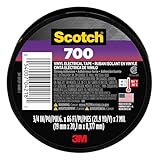
You’re staring at a slow drip, a steady trickle, or maybe a full-blown puddle. Panic sets in. You’ve got a roll of electrical tape in the junk drawer. The question pops into your head: can electrical tape stop a leak? It’s a classic DIY ‘fix-it-quick’ scenario, one I’ve been in more times than I care to admit. I remember one particularly damp Tuesday morning in my old apartment, the sink pipe decided to express its sadness. Grabbing that familiar roll of black tape felt like a lifeline.
The truth is, for some leaks, it might buy you time. For others, it’s just a colorful bandage on a gaping wound. We’ve all seen those ‘hacks’ online, promising miracles with everyday items. Electrical tape is often one of them. But does it actually hold up when the pressure’s on? Let’s get real about this.
So, Can Electrical Tape Actually Seal a Leak?
Look, the short answer is: sometimes, for a little while. Electrical tape is designed to be an insulator, not a waterproofing miracle. Its primary job is to stop electricity from jumping where it shouldn’t. It’s made of stretchy vinyl, which gives it a decent ability to conform to shapes and create a relatively tight seal. When you wrap it tightly around a small pinhole or a very minor crack in a non-pressurized pipe, it can indeed slow down or even temporarily stop water from escaping. The tackiness of the adhesive also helps it stick to itself and the surface.
I learned this the hard way with a leaky garden hose spigot. It wasn’t a high-pressure situation, just a slow weep that was turning the patio into a perpetual swamp.
I wrapped it with electrical tape, thinking I was a genius. For about a week, it worked like a charm. No drips, no mess. Then, as the sun heated it up and the vinyl started to lose its grip, it began to peel away, and the leak came back with a vengeance.
That’s the thing: it’s a temporary fix, at best. It doesn’t bond permanently, and it certainly doesn’t stand up to constant water pressure or significant temperature fluctuations. If you’re dealing with a pressurized water line, like under your sink or a main supply pipe, forget it. Electrical tape will likely just stretch, bubble, and fail, potentially making the situation worse and causing water damage.
The real trick with electrical tape, if you’re going to attempt it, is applying it properly. You need to overlap each layer generously, stretching the tape as you go. This pre-stretches the vinyl, allowing it to shrink back slightly and grip the surface. Think of it like shrink-wrap for your pipe. But even with perfect application, it’s a temporary measure. You’re buying time, not solving the problem. It’s the kind of fix you use when you can’t get to the hardware store for a proper repair kit and need to prevent immediate flooding before you can get a permanent solution in place.
What Kind of Leaks Will Electrical Tape actually Handle?
Let’s be brutally honest here. Electrical tape is glorified glorified cling film. It’s got some stick, it’s stretchy, but it’s not a plumber’s best friend. If you’re talking about a leak that’s barely a whisper, like a tiny condensation drip from a cold water pipe in a non-important area, or a weep from an old faucet aerator that’s beyond tightening, it might do the job for a few days. I’ve even used it on a small split in a shower hose that was spraying a fine mist, and it held up surprisingly well for about a month. The key is low pressure and small damage.
Think about it: electrical tape’s primary function is insulation. It’s not designed to withstand the constant force of water pressure, especially hot water. If you’ve got a leak under your sink, that’s likely under some significant pressure. Wrapping it with electrical tape is like putting a band-aid on a severed artery.
It’s going to fail. I learned this the hard way when my washing machine hose decided to develop a small fissure. I, in my infinite wisdom, thought a good few layers of electrical tape would save the day. I was wrong. (See Also: Can I Use Electrical Tape To Connect Wires )
Within hours, the tape was bulging, the adhesive was weeping, and water was spraying everywhere. It was a mess, and I ended up with a waterlogged laundry room floor.
The kind of leaks electrical tape might handle are those where the water isn’t under significant pressure. These are often leaks that are more like seeps or drips, not streams. For instance, a leaky joint on a non-pressurized garden hose, a small crack in a plastic gutter downspout, or even a temporary seal on a cracked storage bin.
If the surface is dry when you apply it and the leak is minimal, you might get lucky for a short period. But never, ever rely on it for anything important, like a main water line or a sewage pipe. You’re just asking for trouble and a bigger, more expensive mess down the line.
The common advice is often to use it as a temporary fix, and that’s exactly what it is. Don’t expect it to last.
When to Just Give Up and Buy the Right Stuff
Here’s where I get a bit blunt, because I’ve wasted enough money on ‘solutions’ that don’t work. If you’re looking at a leak that’s more than a slow drip, or if it’s on a pipe carrying pressurized water – like your main water line, your hot water heater pipe, or even the pipes under your kitchen or bathroom sink – then electrical tape is absolutely not the answer. It’s like trying to patch a blown tire with chewing gum. It might stop the air for a minute, but it’s going to fail, and probably catastrophically.
I once had a leak under my kitchen sink that was a steady stream. I tried electrical tape, then duct tape, then some weird putty I found. Each one lasted about as long as it took me to walk to the next room. Finally, I just sucked it up and bought a proper pipe repair clamp and some sealant. Total cost? About $25 and an hour of my time. The repair held perfectly and has been leak-free for years. That $25 saved me potentially thousands in water damage and replacement cabinets. The electrical tape probably cost me $2, but in terms of effectiveness and the stress it caused, it was pricelessly bad.
The common advice about using electrical tape as a ‘temporary fix’ is often misleading. While it can sometimes slow a leak for a short period, it rarely holds up long enough to be truly useful in a crisis. You’re better off investing in a proper repair kit, even if it’s just a temporary clamp or a waterproof tape designed for plumbing.
These products are engineered to withstand pressure and water. Electrical tape is engineered to prevent electrical shorts. They are fundamentally different jobs. So, if the leak is more than a minor annoyance, save yourself the frustration and the potential for a much bigger disaster.
Go get the right tool for the job. It’s not about being cheap; it’s about being smart and avoiding future headaches. (See Also: Can Electrica Tape Catch On Fire )
How to Actually Apply Electrical Tape (if You Absolutely Must)
Alright, so you’re in a bind. The water is dripping, and you’ve got a roll of black vinyl staring at you. You have to try something. Fine. Here’s how you make your electrical tape attempt the least doomed it can be. First, and this is a must, the surface must be as dry as humanly possible. Water and old adhesive are enemies. Wipe the leaking area thoroughly with a clean, dry cloth. If you can, let it air dry for a bit. You want that tape to stick directly to the pipe material, not to a wet film.
Next, start wrapping. Begin several inches below the leak and stretch the tape as you wrap. Overlap each subsequent wrap by at least half the width of the tape. The stretching is key here. It activates the adhesive and makes the vinyl hug the surface. Keep stretching and overlapping as you work your way several inches above the leak. You want a good, solid band of tape, at least 4-6 layers thick. The tighter you can pull it without it snapping, the better. Think of it like wrapping a mummy – nice and snug.
Here’s a pro-tip that’s more of a desperation tip: if the leak is a pinhole or a very small crack, sometimes pressing a small piece of rubber (like from an old inner tube or even a thick rubber glove finger) directly over the hole before you start wrapping with electrical tape can give you a better initial seal. The rubber provides a more pliable barrier.
After you’ve applied the tape, press down firmly on the entire wrapped area to make sure maximum adhesion. This whole process might take you about 5-10 minutes. Remember, this is a temporary measure.
As soon as you can, get a proper repair. I once tried this on a garden hose that had a tiny split, and it actually held for a few weeks until I could get a new hose. So, it’s not completely useless, but treat it like a Hail Mary.
| Repair Method | Likely Effectiveness | Durability | Cost (Estimate) | Verdict |
|---|---|---|---|---|
| Electrical Tape (Properly Applied) | Low to Medium (for very small, low-pressure leaks) | Hours to Weeks | $2 – $5 | Temporary, unreliable. Good for emergencies only. |
| Plumber’s Tape (PTFE Tape) | Low (not for sealing cracks/holes) | N/A (for threaded joints) | $5 – $10 | For threaded connections, not ruptures. |
| Pipe Repair Clamp | High | Months to Years | $10 – $30 | Excellent for clamping around damaged pipe sections. |
| Waterproof Repair Tape (e.g., Flex Tape) | Medium to High | Weeks to Months | $10 – $20 | More solid than electrical tape, but still temporary for high pressure. |
| Epoxy Putty for Pipes | High | Years | $10 – $25 | Excellent for filling holes and cracks, very durable once cured. |
The Truth About ‘waterproof’ Tapes vs. Electrical Tape
There’s a whole category of tapes out there marketed as ‘waterproof’ or ‘heavy-duty repair’ tapes, and they often get lumped in with electrical tape in people’s minds. Let me tell you, there’s a world of difference. Electrical tape is designed for its electrical properties – flexibility, insulation, and resistance to abrasion. It has an adhesive, sure, but it’s not formulated to create a permanent, high-pressure waterproof seal. Think of it like using a kitchen knife to chop down a tree – it’ll make a dent, but it’s the wrong tool for the job.
Products like Flex Tape, or specialized pipe repair tapes, are a different beast. They often use a much more aggressive adhesive, a thicker, more solid backing material (sometimes a rubberized polymer), and are designed to conform to irregular shapes while creating a strong, waterproof barrier.
I tried one of these ‘miracle’ tapes on a leaky roof flashing once. It was a drizzly day, and I was desperate. I cleaned the area meticulously, applied the tape, and it actually held up through a significant downpour. It wasn’t pretty, and I know it’s not a permanent fix, but it bought me enough time to schedule a proper roof repair without water coming into my attic.
That’s the kind of performance you might get from a tape designed for this purpose. (See Also: Can I Substitute Duct Tape For Electrical Tape )
Electrical tape, on the other hand, will likely stretch, degrade under UV exposure if it’s outside, lose its adhesion when wet for extended periods, and generally fail under any sort of sustained water pressure. The adhesive can also become brittle in cold or gummy in heat. So, while you might get lucky with a very minor, non-pressurized drip for a short time with electrical tape, don’t confuse that fleeting success with the performance of a tape actually designed for sealing leaks. The common advice to grab electrical tape in a pinch is often a recipe for disappointment and further damage if you’re not careful about the type of leak you’re trying to address. Always look for tapes specifically labeled for water or pipe repair if you need something more solid than a quick temporary measure.
Why Is Electrical Tape Black?
The black color of most electrical tape is due to the addition of carbon black. This pigment provides UV resistance, making the tape more durable when exposed to sunlight, which is important for electrical applications. It also helps to make the tape opaque, which can be useful for identifying electrical connections.
Can Electrical Tape Be Used on Hot Water Pipes?
Generally, no. Electrical tape is not designed to withstand the high temperatures and pressures associated with hot water pipes. The adhesive can break down, and the vinyl can become brittle or melt, leading to a failure of the seal and potentially a worse leak or even pipe damage. For hot water pipes, you need specialized repair materials like epoxy putty or pipe repair clamps.
How Long Does Electrical Tape Last on a Pipe Leak?
This is highly variable, but it’s almost always short-term. For very minor leaks on non-pressurized pipes, it might last anywhere from a few hours to a few weeks. However, for any pressurized water line, even a small leak, it’s likely to fail within hours or possibly minutes. Factors like water pressure, temperature, and surface cleanliness significantly impact its lifespan. It’s best to consider it an emergency, very temporary fix only.
Can Electrical Tape Fix a Hole in a Hose?
Yes, it can temporarily patch a very small hole or split in a hose, especially if the hose is not under high pressure. You’ll need to dry the hose thoroughly, stretch the tape tightly, and overlap generously. However, it’s not a permanent solution. The constant flexing and exposure to water will likely cause the tape to fail eventually. For a more reliable repair, a specialized hose repair tape or a hose clamp would be better.
Final Thoughts
So, the big question, can electrical tape stop a leak? My experience says: yes, but only if the leak is the world’s smallest, weakest, most pathetic drip, and you’re not expecting it to last more than a coffee break. For anything more serious, you’re just delaying the inevitable and possibly making a bigger mess.
I’ve seen it work on a tiny pinhole in a plastic watering can for a summer, and I’ve seen it fail spectacularly on a washing machine hose within hours. It’s a gamble. If you’re in a true emergency, and it’s your only option, give it a shot, but have a proper repair kit or a plumber on speed dial. Don’t be like me and think you’ve outsmarted physics with a roll of black tape.
The best advice I can give you is to always have a few proper, albeit temporary, repair solutions on hand – like a waterproof tape designed for leaks, or a simple pipe repair clamp. They don’t cost much and can save you a world of hurt and water damage. Don’t let a minor leak turn into a major disaster because you relied on the wrong tool.