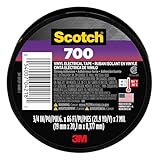
I remember staring at that frayed cord on my old toaster, the little copper strands peeking out like tiny, angry fingers. My first instinct? Grab the nearest roll of electrical tape. It seemed like the obvious fix, right? A quick wrap and boom, problem solved. Except, that’s not always the case, and I learned that the hard way with a minor scorch mark and a hefty dose of buyer’s remorse on a replacement appliance. So, can electrical tape touch exposed wire? Let’s cut the fluff and get to the brass tacks.
Many DIYers, myself included early on, operate under the assumption that any tape is good tape when it comes to a quick electrical fix. But the truth is, not all tapes are created equal, and using the wrong one can land you in a heap of trouble, from immediate failures to fire hazards. We’re talking about your safety and the longevity of your devices here, so getting this right matters.
What’s the Deal with Electrical Tape Anyway?
Look, the whole point of electrical tape is to provide insulation. That means it needs to stop electricity from flowing where it shouldn’t. The magic ingredient here is usually vinyl, or PVC as the fancy folks call it. What makes it different from, say, your basic Scotch tape or packing tape? For starters, it’s designed to stretch without tearing, which is key for conforming to odd shapes and creating a smooth, unbroken barrier. It also needs to be resistant to moisture, chemicals, and temperature fluctuations. Think about it – you don’t want your insulation melting off in the summer sun or cracking in the winter cold, do you?
I’ve tinkered with a lot of different brands over the years, and I’ll tell you, the cheap stuff is often a false economy. I once bought a pack of no-name electrical tape that felt… well, plasticky and stiff. It didn’t stretch much, and when I tried to wrap a slightly bent wire, it just bunched up and left gaps. That’s a recipe for disaster. Good electrical tape, on the other hand, feels pliable and has a slightly rubbery texture. It adheres well to itself, creating a solid, fused layer. The key is that it’s specifically formulated to be non-conductive and to maintain its insulating properties under stress.
The common advice is to overlap each layer by at least half. This is where many people, myself included, get lazy. You think, ‘One more wrap won’t hurt,’ or ‘It looks good enough.’ But that overlap is important for creating a smooth, waterproof seal.
If you leave gaps, moisture can creep in, and if there’s any physical abrasion, the tape can wear through, exposing the wire underneath. I learned this the hard way when a garden light fixture I’d “fixed” with lazily applied electrical tape shorted out after a heavy rain. The tape looked okay on the surface, but water had found its way through my sloppy overlaps.
Lesson learned: don’t skimp on the layers, and make sure they overlap properly.
The material itself is also designed to be flame-retardant, which is a big deal. Standard tapes can be a fire hazard if they get too warm or are near a spark. This flame retardancy gives you a bit of breathing room, but it’s not a free pass to ignore underlying issues or to use tape as a permanent fix for something that needs professional attention. It’s a temporary, insulating solution, not a structural repair. I’ve seen people try to use it to hold wires together physically, like a band-aid. That’s not what it’s for, and it will eventually fail.
When ‘good Enough’ Isn’t Good Enough: Mistakes I’ve Made
Let’s talk about the electrical tape I bought that felt more like brittle plastic wrap than tape. It was cheap, came in a multi-pack, and I thought, ‘How bad can it be?’
Famous last words. I was working on a vintage amplifier, and a wire inside had a small nick in its insulation. I figured a quick wrap would do the trick. As soon as I started wrapping, the tape creaked and threatened to split. (See Also: Can I Use Electrical Tape To Connect Wires )
It didn’t conform to the wire; it sort of just sat there in stiff ridges. After about three wraps, it looked patchy and sad. I forced it on, hoping for the best.
A few days later, I heard a distinct sizzle and smelled that awful ozone smell. Thankfully, it was just a minor short that blew a fuse, but it could have been much worse. That cheap tape was basically useless.
Another common mistake I see, and one I’ve been guilty of, is using electrical tape in high-heat situations where it’s not rated. I once tried to insulate a wire near a motor that got pretty warm. The tape started to get soft and gooey, losing its grip and its insulating properties.
It looked like it was melting. That’s when I realized that not all electrical tapes are created equal in terms of temperature resistance. You need to check the specs.
Some are rated for higher temperatures than others, and if you’re working on anything that generates significant heat, you need to use a tape specifically designed for that environment. Standard vinyl tape might be fine for room temperature, but it’s not built for engine compartments or close proximity to heating elements.
Then there’s the issue of using it as a permanent fix. I’ve seen guys patch up appliance cords with electrical tape and then just keep using them like nothing ever happened. That’s a terrible idea. Electrical tape is meant for temporary repairs or to provide an extra layer of insulation on top of existing, intact insulation where it might be slightly damaged or worn. If you have a frayed cord, a cracked wire, or a loose connection, the proper solution is usually replacement or professional repair, not just slapping some tape on it. Think of it as a bandage, not a cure. It buys you time and provides a basic safety barrier, but it doesn’t fix the underlying problem.
I also used to think that the color of the tape mattered for anything other than aesthetics. Like, ‘Oh, this is red, it must be for high voltage.’ Nope. While color-coding is a good practice for electricians to identify different circuits or phases, the color of the tape itself doesn’t inherently change its insulating capability. It’s the material and the quality that count. So, don’t get swayed by a fancy color; focus on the tape’s specifications and reputation. I’ve fallen for the ‘pro-grade’ blue tape that was no better than the generic white stuff. Stick to reputable brands and check the actual ratings.
The Right Way to Wrap: A Practical Approach
So, you’ve got a wire that needs a bit of love. What’s the best way to go about it using electrical tape? It’s not rocket science, but a little technique goes a long way. First things first: clean the area. Make sure the wire and the surrounding area are free of dirt, grease, or moisture. Anything that prevents good adhesion will compromise your repair. If the wire is actually broken, stop. Electrical tape is not for splicing wires together. You need proper connectors for that.
Assuming it’s just a nick or a worn spot in the insulation, here’s the drill: (See Also: Can Electrica Tape Catch On Fire )
- Start with a good quality tape. I’m talking brands like 3M Super 33+ or Scotch Super 88. They’re a bit pricier, sure, but they do the job right and don’t leave you pulling your hair out. For general-purpose use, I’ve found the Super 33+ is usually more than sufficient. The Super 88 is rated for higher temperatures and voltages if you need that extra beef.
- Begin wrapping before the damaged area and extend well past it, at least an inch or two on either side. This gives you a good anchor point and makes sure you’re covering the whole problem zone.
- Stretch the tape as you wrap. You want it to feel snug and conform to the wire. This is important for creating a smooth, gap-free surface. Don’t just lay it on loosely. You’re not wrapping a Christmas present; you’re creating an insulating barrier.
- Overlap each layer by at least half. This is the golden rule. Each wrap should cover at least half of the previous one. This creates a fused, monolithic layer that’s far more resistant to moisture ingress and physical damage.
- Apply multiple layers. For anything more than a minor nick, aim for at least three to five layers. More layers mean better insulation and a more solid repair. Don’t be shy with the tape.
- Finish by wrapping the last layer without stretching. This locks down the tape and prevents it from peeling off later.
This process might take a few minutes, but it’s worth the effort. I once tried to get fancy and just do one quick wrap, and I regretted it within weeks. Now, I always go for the full treatment, and my repairs last. It’s about building up a solid, continuous insulating sheath. It should feel firm and smooth to the touch, with no visible gaps or ridges where the wire is exposed.
When to Call in the Pros (or Just Replace It)
Okay, let’s be brutally honest here. Electrical tape is a patch, not a permanent solution. There are times when trying to fix something with tape is just asking for trouble, and you’re better off cutting your losses and either replacing the faulty component or calling in someone who actually knows what they’re doing. I’m not saying you can never use electrical tape for a DIY fix, but you absolutely have to know its limits.
If you’re dealing with a cord that’s significantly frayed, showing bare wire all over the place, or has been severely kinked or damaged, electrical tape is probably not going to cut it long-term. That kind of damage compromises the integrity of the entire cord. It’s like trying to patch a gaping hole in a tire with duct tape – it might hold for a bit, but it’s not safe. For appliance cords, power cords for tools, or anything that gets moved around a lot, if it looks seriously beat up, replace it. You can find replacement cords for most appliances pretty easily and cheaply. It’s not worth the risk of a fire or shock.
Here’s a little table I put together based on my own experiences and what I’ve seen go wrong:
| Situation | Electrical Tape Verdict | My Recommendation |
|---|---|---|
| Tiny nick in insulation, no other damage | Okay (with proper wrapping) | Use quality tape, multiple layers. Monitor. |
| Moderate fraying, a few strands showing | Risky, temporary at best | Replace the cord or component. |
| Severely frayed or cut wire | Absolutely Not | Replace the cord/component immediately. Call an electrician if unsure. |
| Loose connection in a junction box | Never | Tighten connection properly or use appropriate wire nuts/connectors. |
| Wire near high heat source (e.g., engine, heater) | Depends on tape rating | Use high-temperature rated tape or heat shrink tubing. |
The thing is, sometimes the ‘cheap fix’ costs you more in the long run. I once spent about $50 on various tapes and connectors trying to patch up a faulty extension cord that was giving me grief. In the end, I ended up having to replace the whole cord for $20 anyway, and I had wasted hours of my time and risked a potential hazard. If it involves anything that plugs directly into the wall and you’re not 100% confident, call an electrician. It’s cheaper than a hospital visit or a new house.
Beyond the Basics: What to Look for in Electrical Tape
You wouldn’t buy a hammer without knowing if it’s for framing or finishing, right? Well, the same applies to electrical tape. There are different types, and knowing what to look for can save you a headache. I’ve learned to check the packaging, not just grab the cheapest roll. It’s not about the brand name alone, but what the tape actually does.
First up, voltage rating. This is probably the most important spec. Most standard electrical tapes are rated for up to 600 volts. That’s generally fine for household wiring and most common electronics. However, if you’re dealing with higher voltage applications, you’ll need tape specifically rated for that. Don’t guess here. If a project involves higher voltages, make sure your tape can handle it. I learned this when working on some industrial equipment where the standard tape just couldn’t cope.
Next, temperature rating. As I mentioned, heat is a killer for insulation. Standard vinyl tapes usually operate within a range like -18°C to 80°C (0°F to 176°F). Some high-temperature tapes can go much higher, up to 105°C or even 150°C. If the wire you’re working on is in an engine bay, near a motor, or close to a heating element, you absolutely need a tape that can withstand those temperatures without softening, melting, or becoming brittle. I once used a ‘standard’ tape on a car battery terminal connection that got surprisingly warm during charging, and it started to ooze. Not good.
Then there’s flexibility and adhesion. A good electrical tape should be stretchy enough to conform to irregular shapes without cracking or splitting. When you wrap it, it should adhere well to itself, forming a solid, bonded layer. Cheap tapes often lack this stretch, leading to gaps and weak points. You can often feel this difference when you unroll it. Good tape feels a bit tacky and pliable. I’ve also found that some tapes hold up better against UV exposure and outdoor elements, which is important if you’re doing any outdoor electrical work, like with garden lights or outdoor outlets. Look for tapes that specifically mention UV resistance if that’s a concern. (See Also: Can I Substitute Duct Tape For Electrical Tape )
Finally, thickness. While it might seem minor, the thickness of the tape plays a role in its overall insulating capability and durability. Thicker tapes generally offer better insulation and protection. For most household tasks, a tape around 0.13 mm to 0.20 mm thick is pretty standard and effective. If you’re dealing with a situation that requires extra toughness, a slightly thicker tape might be beneficial, but don’t go overboard, or it becomes bulky and hard to work with.
Can Electrical Tape Touch Exposed Wire?
Yes, electrical tape is designed to touch and cover exposed wire as a form of insulation. However, this is only appropriate for temporary fixes or to add an extra layer of protection to slightly damaged insulation. The tape must be applied correctly, with proper overlap and multiple layers, to create a continuous, non-conductive barrier. It is not a substitute for proper wire connectors or for repairing severely damaged or broken wires.
Is Electrical Tape Waterproof?
Good quality electrical tape, particularly vinyl-based tapes, is designed to be highly resistant to moisture and can provide a waterproof seal when applied correctly. This involves overlapping each layer of tape by at least half and applying multiple layers to make sure a continuous, gap-free barrier. However, improper application, such as leaving gaps or not stretching the tape sufficiently, can allow moisture to penetrate and compromise its insulating properties.
What Kind of Tape Is Best for Electrical Wires?
For general electrical wire insulation and repair, vinyl-based electrical tape from reputable brands like 3M (e.g., Super 33+ or Super 88) is generally considered the best. These tapes offer good flexibility, adhesion, voltage rating (typically up to 600V), and temperature resistance. For higher temperature applications, specialized high-temperature electrical tapes are available. It’s important to choose tape based on the specific voltage, temperature, and environmental conditions of the application.
How Many Layers of Electrical Tape Should I Use?
For a reliable temporary repair or added insulation, it’s recommended to use at least three to five layers of electrical tape. Each layer should overlap the previous one by at least half its width to create a solid, continuous insulating sheath. Applying multiple layers increases the tape’s overall thickness, durability, and effectiveness as an insulator, providing a more solid barrier against electrical current and environmental factors.
Can I Use Electrical Tape on a Frayed Cord?
You can use electrical tape on a frayed cord for a temporary fix, but it’s not a long-term solution and should be done with caution. The tape needs to be applied correctly, with significant overlap and multiple layers, to cover the frayed area and provide an insulating barrier. If the cord is severely frayed, shows a lot of exposed wire, or has internal damage, it’s much safer to replace the entire cord or have it professionally repaired. Electrical tape is best for minor nicks or worn spots, not significant damage.
Final Verdict
So, can electrical tape touch exposed wire? Yes, it can and it’s designed to do so, but only under specific circumstances and with proper application. It’s the go-to for a quick, temporary insulation fix when you have a minor nick or scrape on a wire’s insulation. But remember, it’s not a miracle cure-all. Think of it as a temporary bandage, not a permanent fix for major injuries.
My biggest takeaway from years of wrestling with wires and tape is this: invest in quality. Cheap electrical tape is a false economy that can lead to bigger, more dangerous problems down the line. Always go for reputable brands and check the voltage and temperature ratings. If you’re ever in doubt about a repair, or if the damage looks substantial, don’t be a hero. Call a qualified electrician or replace the faulty component. Your safety is worth more than saving a few bucks on a roll of tape.
Ultimately, understanding the limitations of electrical tape and how to use it effectively will keep you from ending up in a sticky situation – literally and figuratively. Make sure you’re always layering it correctly, covering the damaged area generously, and never relying on it for permanent repairs where safety is most important.