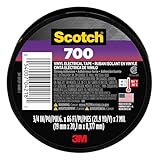
I’ve seen it a million times. A frayed wire, a spark, and someone reaches for the roll of electrical tape, figuring it’s a quick fix. “Can electrical tape touch hot wire?” they ask themselves, or maybe a buddy. It’s a question born out of desperation, and honestly, a bit of ignorance about what that little roll of vinyl actually does. I’ve been there, fumbling in a dark crawlspace with a flashlight between my teeth, thinking a bit of tape would be enough to keep things from going south. Spoiler alert: it usually didn’t.
Most folks think electrical tape is some kind of miracle insulator that can handle anything. The reality is a lot more nuanced, and frankly, a lot less forgiving. If you’re just trying to make a quick, temporary patch job, you might get away with it for a little while. But for anything that needs to be safe and reliable long-term? You’re playing with fire, literally.
Why You’re Wrong About Electrical Tape and Heat
Let’s get this out of the way: electrical tape is NOT designed to be a permanent solution for exposed or damaged wires, especially not when they’re hot. I learned this the hard way about ten years ago. I was working on an old lamp, the kind with the fabric cord that looked like it belonged in a museum. The insulation was cracked, and I could see the copper wires peeking out.
My brilliant idea was to wrap it tight with good ol’ electrical tape and call it a day. It looked neat, felt secure, and the lamp worked. For about three days.
Then, the smell of melting plastic filled the air, followed by a puff of smoke. The tape had degraded, softened, and slid right off the hot wire, leaving it exposed and creating a fire hazard. I was lucky it didn’t start a real blaze. That’s when I realized that the advice I’d picked up from random forums – that it’s fine for temporary fixes – was seriously flawed.
It’s a band-aid, and a pretty flimsy one at that, when it comes to anything generating significant heat.
The primary function of electrical tape is insulation against electrical shock and short circuits. It’s made from vinyl, which has decent dielectric strength (its ability to resist electric current). However, its temperature rating is usually quite limited.
Standard electrical tape typically maxes out around 176°F (80°C), and some cheaper versions might fail at even lower temperatures. Think about what ‘hot wire’ really means in a practical sense.
A wire carrying a load can easily get much hotter than that, especially if there’s a poor connection or if it’s in an enclosed space with poor ventilation. When vinyl gets too hot, it softens, loses its adhesive properties, and can even melt or become brittle. This compromises its insulating ability and its physical integrity. So, while it might touch a hot wire for a brief moment without immediate catastrophe, it’s not designed to handle the sustained heat that a wire operating under load generates.
The common advice you see online often boils down to “use it for temporary fixes.” But what constitutes ‘temporary’? And what kind of ‘fix’? If you’re talking about a quick wrap on a low-voltage, cool wire just to keep stray strands from touching something else, maybe. But if you’re dealing with household wiring, appliance cords, or anything that can get warm or hot, you’re asking for trouble.
The real danger isn’t just an immediate shock; it’s the gradual degradation of the tape, leading to a failure that could happen hours, days, or weeks later, potentially when you least expect it. It’s a false sense of security that can be more dangerous than no fix at all. You’re better off just replacing the damaged section of wire or using a proper heat-shrink tubing or a specialized high-temperature tape if the situation truly calls for it.
What to Look for: The Right Tape for the Job
Okay, so you’ve got a wire that needs attention. The question isn’t just ‘can electrical tape touch hot wire,’ but ‘what kind of tape should touch that wire?’ The simple answer is: usually, not standard vinyl electrical tape. For anything that gets genuinely hot – and we’re talking anything that’s part of a circuit carrying a decent load, like in your home’s wiring, car engine bay, or around heating elements – you need specialized tape. I’ve seen people try to use duct tape, masking tape, even packing tape in a pinch. Big mistake. Those things are an electrical hazard waiting to happen. They melt, they peel, they conduct electricity – they’re not designed for this.
When you’re looking for tape that can handle heat and electrical insulation, keep an eye out for terms like ‘high-temperature electrical tape’ or ‘self-fusing silicone tape.’ These are engineered for different environments. High-temperature tapes, often made from materials like fiberglass or specialized polymers, can withstand temperatures well over 300°F (150°C), and some go much higher. (See Also: Can I Use Electrical Tape To Connect Wires )
They often have a stronger adhesive that won’t break down under heat. Self-fusing silicone tape is another beast entirely. It’s not really ‘sticky’ in the traditional sense; instead, it bonds to itself when stretched and wrapped tightly, creating a smooth, waterproof, and highly insulating layer that can handle extreme temperatures and electrical stress. I used some self-fusing silicone tape on a power tool cord that kept getting damaged near the handle from constant flexing and heat.
It’s been through hell and back, and it’s held up like a champ, unlike the cheap vinyl tape I tried first.
Here’s a quick rundown of what’s out there, and my two cents:
| Tape Type | Temperature Rating (Approx.) | Adhesive Type | Best Use Case | My Verdict |
|---|---|---|---|---|
| Standard Vinyl Electrical Tape | Up to 176°F (80°C) | Rubber-based adhesive | Low voltage, low heat, non-important insulation (e.g., wire nuts, temporary non-load bearing) | Good for bundling, bad for heat. Use sparingly. |
| High-Temperature PVC Tape | Up to 220°F (104°C) | Heat-resistant adhesive | Appliance wiring, automotive, moderate heat applications. | Better than standard, but still not for extreme heat. |
| Fiberglass High-Temp Tape | Up to 500°F (260°C) or higher | High-temp silicone or acrylic | Engine compartments, high-heat appliance repairs, industrial. | The real deal for hot jobs. Built tough. |
| Self-Fusing Silicone Tape | Up to 500°F (260°C) or higher | None (vulcanizes to itself) | Demanding electrical insulation, waterproofing, vibration damping, high-heat environments. | My go-to for serious repairs. Expensive but worth it. |
The key takeaway is to match the tape’s capabilities to the wire’s operating conditions. Don’t guess. Check the specs. If you can’t find them, err on the side of caution and assume standard vinyl tape won’t cut it.
Common Mistakes That Lead to Disaster
The biggest mistake, hands down, is thinking that any old electrical tape will do for any situation. I’ve seen people wrap up extension cords that get warm from use with basic vinyl tape. It’s like putting a paper bag over a flamethrower and expecting it to hold. The heat from the wire softens the tape, the adhesive gives way, and you’re left with exposed conductors. This isn’t a niche problem; it’s super common because people grab the first roll of ‘electrical tape’ they see, assuming it’s all the same.
Another common pitfall is not preparing the wire properly before applying tape. If the wire is dirty, oily, or wet, the tape won’t adhere well, even if it’s the right type. This is especially true for self-fusing silicone tape, which needs a clean, dry surface to vulcanize properly.
I once tried to seal a leaky connection on a submersible pump cable. I thought I was being clever by wrapping it up. The problem was, the cable was constantly submerged, and I didn’t dry it thoroughly.
The tape looked good for a week, then water started seeping in, and shorted out the pump. Lesson learned: clean and dry is a must. You need to get down to the bare wire, clean it with contact cleaner or alcohol, let it dry completely, and then apply the tape, overlapping generously.
People also tend to underestimate the amount of heat generated. They might think, “It’s just a little warm.” But ‘a little warm’ can quickly turn into ‘dangerously hot,’ especially if the wire is undersized for the load, has a loose connection, or is in a poorly ventilated area. This gradual heat build-up is what slowly destroys standard electrical tape over time. It’s not usually an immediate explosive failure; it’s a slow, insidious breakdown.
Furthermore, not overlapping the tape sufficiently is another frequent error. When you don’t overlap by at least half the width of the tape with each wrap, you create gaps where moisture or contaminants can enter, or where the tape can start to peel away. It needs to be a continuous, sealed layer. I’ve seen jobs where the tape was just haphazardly slapped on, leaving spiral gaps.
That’s not insulation; that’s a recipe for electrical failure and potential fire.
Finally, relying on tape as a permanent fix. Electrical tape is, by its very nature, a temporary solution for insulation and bundling. For permanent repairs on damaged wire insulation, you should always be looking to replace the damaged section or use a more solid method like heat-shrink tubing, wire nuts (for splices), or a proper junction box. Using tape to cover up a problem, rather than solve it, is just kicking the can down the road and increasing the risk of a more serious failure later on. (See Also: Can Electrica Tape Catch On Fire )
Real-World Use: When It Might (barely) Be Okay
So, is there any situation where you can say, ‘yes, can electrical tape touch hot wire,’ and it’s not a total disaster? It’s a slippery slope, but let’s consider the fringe cases. If we’re talking about a very low-voltage, low-amperage circuit that barely gets warm to the touch, and the tape is purely for mechanical protection or to keep a few stray strands from shorting against something non-conductive, then maybe. Think about the inside of a small electronic device, like a toy or a remote control, where the wires are thin and don’t carry much current.
If a wire’s insulation is slightly nicked, and it’s nowhere near a power source that could cause significant heat, a wrap of standard electrical tape might suffice for a while. I’ve done this on the insides of old computer keyboards where a wire got snagged, and it held up because the heat was negligible.
Another scenario, and this is stretching it, is using electrical tape as a temporary ‘keeper’ while you prepare a proper repair. For instance, if a wire insulation is damaged and you need to keep it from fraying further while you gather the right materials to splice or replace it, a quick wrap might prevent immediate issues. But this needs to be removed and replaced with a permanent solution as soon as possible. I’m talking hours, not days or weeks. The key here is that the wire isn’t hot in the sense of generating significant heat; it’s just carrying a low-level signal. It’s a physical barrier, not a high-temperature insulator.
The problem is that ‘hot’ is relative, and wires can get surprisingly warm. Even a lamp cord plugged into a standard outlet can get warm if it’s been on for a while or if the bulb wattage is high. If you’re unsure, always assume it’s hotter than you think.
I once tried to tape up a loose connection on a small space heater cord. It wasn’t visibly sparking, just felt a bit loose. The tape looked fine initially, but the next morning, the area around the tape was discolored and felt quite warm to the touch. The tape itself was starting to soften.
That was a wake-up call. It reinforced my belief that unless you’re using a tape specifically rated for the temperatures involved, you’re taking a massive risk. Standard electrical tape is for low-voltage, low-heat applications where the primary concern is preventing accidental contact or shorting, not resisting thermal breakdown.
Practical Tips for Safer Wire Work
Alright, enough doom and gloom. How do you actually work with wires safely, especially when heat might be a factor? First off, always, and I mean always, disconnect the power before you touch any wires. That sounds obvious, but in a panic, people forget.
Flip the breaker, unplug the device, whatever it takes. You can’t get shocked or burned by a hot wire if there’s no power running through it. It’s the most basic safety rule, but it’s also the most important.
I’ve gotten in the habit of putting a piece of tape over the breaker switch I’ve turned off, just to remind myself and anyone else that the power is intentionally off. It’s a small thing, but it has saved me from myself more than once.
When you do have the power off and you need to insulate a splice or repair damaged wire, use the right materials. For most household wiring splices, high-quality wire nuts are the standard and safest bet. For areas that might experience some heat, or need extra protection against moisture and abrasion, heat-shrink tubing is fantastic. You slide it over the wire, make your splice, then use a heat gun (or even a carefully used lighter, though a heat gun is better) to shrink it down, creating a solid, insulated seal. It looks professional and is much more reliable than tape.
If you absolutely must use tape for some reason, and you’ve confirmed the wire won’t get hot, use a good quality vinyl electrical tape from a reputable brand like 3M or Scotch. Don’t buy the cheapest stuff you can find at the dollar store; it’s often brittle and has weak adhesive. Wrap it with at least 50% overlap, extending the tape well beyond the damaged area onto the intact insulation. Smooth it down firmly to make sure good adhesion. Remember, though, this is for low-risk scenarios. If there’s any doubt about heat, go for heat-shrink or a specialized high-temperature tape.
Here’s a little process I follow when I’m dealing with anything remotely questionable: (See Also: Can I Substitute Duct Tape For Electrical Tape )
- Kill the Power. Double-check. Triple-check.
- Assess the Damage. Is it just a nick, or is the insulation completely gone? Is the wire corroded or frayed?
- Identify the Heat Potential. Is this a low-voltage signal wire, or part of your main power circuit? Will it be near a heat source?
- Choose the Right Repair. Wire nuts for splices? Heat-shrink tubing for insulation? Specialized tape for high heat?
- Prepare the Wire. Clean and dry.
- Perform the Repair. Follow best practices for your chosen method.
- Test Safely. Restore power and check functionality without touching the repair area immediately. Listen and smell for anything unusual.
This methodical approach takes a little longer, but it’s the difference between a job done right and a potential fire hazard.
When to Call a Professional (seriously)
There comes a point where messing around with electrical work, especially concerning heat and wiring in your home, is just asking for trouble. If you’re dealing with main electrical panel issues, anything involving your home’s grounding system, or if you’re not 100% confident in identifying the correct wire and its function, it’s time to swallow your pride and call a licensed electrician. My neighbor once tried to ‘fix’ a flickering light in his kitchen by fiddling with the wires in the ceiling box. He used standard electrical tape because, in his words, “it’s just a little temporary wrap.” About an hour later, the smell of burning plastic filled his house, and he had a small electrical fire.
Thankfully, he had a smoke detector that worked. The electrician he had to call afterwards said the tape had melted and caused a short, and that it was a miracle it didn’t burn the whole house down. That was a $5 roll of tape that likely cost him thousands in repairs and a lot of sleepless nights.
Another big indicator that you should step away is if the damage is extensive. If the insulation on a wire is severely degraded, cracked, or melted over a long section, tape is almost never the appropriate solution. You need to replace that section of wire entirely. This often involves opening up walls or conduits, which requires a level of skill and knowledge that most DIYers don’t have. Trying to jury-rig a repair with tape in such situations is incredibly dangerous. It’s not just about the immediate risk of shock or fire; it’s also about code compliance and the safety of your home. Improper electrical work can void your homeowner’s insurance and create hazards that could affect future buyers.
Don’t fall into the trap of thinking you can outsmart electricity or that a quick fix is good enough. When in doubt, always consult an expert. They have the tools, the knowledge, and the experience to do the job safely and correctly. It might cost more upfront, but it’s a small price to pay for peace of mind and, more importantly, your safety and the safety of your home. It’s not about being scared of a little wire; it’s about respecting the power and the potential danger involved. If you’re asking yourself ‘can electrical tape touch hot wire’ and the answer isn’t a resounding ‘no’ for your specific situation, then it’s definitely time to call in the pros.
Can Electrical Tape Be Used for Permanent Repairs?
No, standard vinyl electrical tape is not suitable for permanent electrical repairs. It has a limited temperature rating and can degrade over time, especially when exposed to heat or UV light. Permanent repairs require materials like heat-shrink tubing, wire nuts, or replacement of the damaged wire section.
What Is the Maximum Temperature for Electrical Tape?
Standard vinyl electrical tape typically has a maximum operating temperature of around 176°F (80°C). Some higher-grade electrical tapes or specialized tapes can handle higher temperatures, but it’s important to check the product specifications for its exact rating.
What Should I Use Instead of Electrical Tape on a Hot Wire?
For hot wires, you should use a high-temperature rated tape, such as fiberglass or silicone tape, or opt for heat-shrink tubing. These materials are specifically designed to withstand lifted temperatures and provide reliable insulation.
Is It Safe to Wrap a Frayed Wire with Electrical Tape?
Wrapping a frayed wire with standard electrical tape is generally not safe for anything that gets warm or hot. While it might offer temporary insulation, the tape can degrade, and the underlying damage remains. It’s better to use heat-shrink tubing or properly splice and insulate the wire.
Conclusion
So, to answer the big question directly: can electrical tape touch hot wire? Generally, no. Standard electrical tape isn’t built for sustained heat, and using it on anything beyond low-voltage, cool applications is asking for trouble down the line. You’re better off investing in the right materials, like high-temperature tape or heat-shrink tubing, for any job that involves wires that might get warm.
I’ve seen too many DIY fixes go sideways because someone grabbed the wrong tool for the job. Electricity is unforgiving, and a cheap roll of tape isn’t going to save you when things get hot. Always prioritize safety, disconnect the power, and use materials rated for the specific conditions.
If you’re ever in doubt about whether a repair is safe, or if you’re dealing with wiring in your home’s main system, don’t hesitate to call a qualified electrician. It’s the smartest, safest move you can make.