I remember staring at a frayed wire on my old lawnmower, a nasty spark spitting from it every time I pulled the cord. My toolbox was a disaster zone – a chaotic jumble of half-used rolls and mystery bits. I grabbed the nearest thing, a roll of that thick, black Gorilla Tape, figuring it was tough enough for anything. Yeah, that was dumb. It held for about five minutes before the heat and flex made it peel right off, leaving me with a bigger mess and a healthy dose of embarrassment.
So, can Gorilla Tape be used for electrical tape? Let’s cut to the chase: it’s a question a lot of people ask when they’re in a pinch, and the honest answer is usually no. Not for anything serious, anyway. Electrical tape has specific jobs it needs to do, and most other tapes, no matter how strong they seem, just don’t cut it.
Gorilla Tape: The Mighty All-Rounder (but Not for Everything)
Look, I’m not going to lie, I’ve got rolls of Gorilla Tape stashed everywhere. It’s the go-to for fixing a leaky hose, securing a loose car panel, or just about any DIY job that requires something to stay put.
Its sheer stickiness and brute strength are legendary. The reinforced fabric backing and aggressive adhesive make it incredibly durable, able to withstand serious abuse.
I once used a strip to hold a cracked plastic kayak together for an entire summer season, and it never budged. It’s waterproof, UV-resistant, and can handle pretty extreme temperatures, which makes it seem like the perfect solution for, well, everything.
That’s the marketing, and for many applications, it’s true. Need to patch a tent?
Gorilla Tape. Need to reinforce a ski pole? Gorilla Tape. Need to stop a draft from a window?
Gorilla Tape.
But here’s where things get tricky. The very qualities that make Gorilla Tape a superstar in other areas can be its downfall when you’re talking about electrical work. Electrical tape isn’t just about holding things together; it’s about providing insulation and protection against electrical current. It needs to be flexible, stretchable, and resistant to breaking down under voltage. Gorilla Tape is thick, rigid, and designed for structural integrity, not for preventing shocks. Trying to wrap a live wire with it is like trying to put out a fire with gasoline – the wrong tool for the job, and potentially dangerous.
My first real ‘aha!’ moment with this was when I was trying to tidy up the spaghetti monster of wires behind my entertainment center. Some of the existing electrical tape was cracking, and I figured Gorilla Tape would make it look neater and hold everything more securely. What happened?
The Gorilla Tape was so stiff it actually pulled on the wires, stressing the connections. Plus, it was a nightmare to cut neatly, and the adhesive, while strong, wasn’t designed to be removed cleanly if I ever needed to access those connections again.
It left a sticky residue that was a pain to clean up. It’s the kind of mistake that makes you rethink your entire toolbox philosophy – just because a tool is strong doesn’t mean it’s the right tool. (See Also: Can Bare Wire In Ceiling Be Cover With Electrical Tape )
The Nitty-Gritty: What Electrical Tape Actually Does
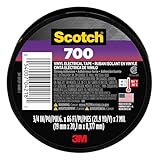
So, if Gorilla Tape isn’t the answer, what makes proper electrical tape so special? It boils down to its unique material properties and design. Standard electrical tape, like 3M Super 33+ or Scotch Super 88, is typically made from PVC (polyvinyl chloride). This material is chosen for several key reasons. Firstly, PVC is an excellent electrical insulator. It has a high dielectric strength, meaning it can withstand a significant electrical voltage before it breaks down and conducts electricity. This is its primary job – to prevent short circuits and protect you from getting zapped. You want that tape to act like a barrier, a non-conductive shield.
Secondly, electrical tape is designed to be flexible and elastic. When you wrap it around wires or connections, it needs to stretch and conform without cracking or losing its adhesive properties. This stretchiness allows it to create a tight, smooth seal that prevents moisture and contaminants from getting in. Think about all the places electrical connections are made – under dashboards, in junction boxes, exposed to the elements. They need a tape that can handle vibration, temperature fluctuations, and the general wear and tear of an environment that’s far from sterile. Gorilla Tape, with its fabric backing, is inherently less flexible and more prone to cracking under stress and extreme temperature changes, especially when applied in multiple layers.
Another important factor is the adhesive used. Electrical tape adhesives are formulated to stick well to wires and other electrical components, but also to remain flexible and not become brittle over time or in varying temperatures. They’re designed for long-term performance in a specific environment. The aggressive adhesive on Gorilla Tape, while great for heavy-duty repairs, can become gummy or brittle in electrical applications, potentially degrading the insulation over time or leaving a residue that’s hard to clean off, which can be a problem for future maintenance or troubleshooting.
Finally, electrical tape is often flame-retardant. This is a safety feature that Gorilla Tape simply doesn’t have. In the event of an electrical fault that generates heat, electrical tape is designed to resist ignition and self-extinguish, preventing the fire from spreading. Gorilla Tape, with its fabric core, is more likely to fuel a fire if exposed to high heat, making it an unacceptable risk for electrical insulation.
When ‘good Enough’ Isn’t Good Enough: Real-World Scenarios
Let’s get down to brass tacks. You’ve got a mess of wires, maybe a slightly damaged insulation on a cord, and a roll of Gorilla Tape staring you down. It’s tempting, right? Especially if you’re in a pinch and don’t have proper electrical tape handy. I’ve been there. But the truth is, for any application where electrical safety and reliability are even remotely important, Gorilla Tape is a bad idea. We’re talking about anything connected to mains power, car wiring, appliance repairs, or even low-voltage systems that need proper insulation. The risk of a short circuit, fire, or even just a failed connection far outweighs any perceived convenience.
I recall a situation where a friend was trying to fix a broken cord on an old halogen work lamp. The insulation was split, and he didn’t have any electrical tape. He used Gorilla Tape, thinking it was a quick fix to keep working. A few days later, the lamp started flickering erratically, and then, smoke. Thankfully, it didn’t catch fire, but it was a stark reminder. The heat generated by the faulty connection, combined with the rigidity of the Gorilla Tape, created a perfect storm. The tape didn’t insulate properly, and the underlying wires eventually shorted out.
This is where the common advice that you can use Gorilla Tape for temporary electrical fixes is dangerous. What’s temporary? Five minutes?
Five days? The line between temporary and permanent can blur, and the consequences of a mistake are too high. Electrical tape is cheap. A small roll costs a few dollars.
Compared to the potential cost of electrical damage, a house fire, or injury, it’s an insignificant expense for a vital safety component. Relying on Gorilla Tape is like using a hammer to try and screw in a screw – you might eventually get it in, but you’re more likely to strip the head, damage the material, and generally make a mess.
For anything involving electricity, you need the right tool for the job, and that means dedicated electrical tape.
Gorilla Tape vs. Electrical Tape: A Comparison
To really drive this home, let’s look at how these tapes stack up side-by-side in a way that matters for electrical work. It’s not just about how strong they are; it’s about their specific performance characteristics in an electrical context. We’re not just talking about ‘can gorilla tape be used for electrical tape,’ but should it be, and what are the real differences? (See Also: Can Duct Tape Be Used In Place Of Electrical Tape )
Here’s a breakdown:
| Feature | Gorilla Tape | Standard Electrical Tape (e.g., 3M Super 33+) | Verdict for Electrical Work |
|---|---|---|---|
| Primary Purpose | Heavy-duty bonding, patching, sealing | Electrical insulation and protection | Electrical Tape is designed for this. |
| Material | Reinforced fabric backing, aggressive adhesive | Flexible PVC (Polyvinyl Chloride) | PVC offers superior flexibility and insulation. |
| Dielectric Strength (Insulation Rating) | Not rated/designed for electrical insulation | High (e.g., 10,000+ Volts) | Electrical Tape provides key safety. |
| Flexibility & Stretch | Rigid, tears easily when stretched | Highly flexible, stretches significantly | Electrical Tape conforms to wires and connections. |
| Temperature Resistance | Good, but can become brittle or gummy | Excellent, remains pliable over a wide range | Electrical Tape performs reliably in varying temps. |
| Adhesive | Very aggressive, can leave residue | Formulated for electrical use, good adhesion, less residue | Electrical tape adhesive is safer long-term. |
| Flame Retardancy | No | Yes (often self-extinguishing) | Important safety feature. |
| Durability for Electrical Use | Poor; prone to cracking, melting, or shorting | Excellent; designed for electrical environments | Electrical Tape is built for this. |
As you can see, the table clearly illustrates that while Gorilla Tape is a fantastic heavy-duty tape, it lacks the fundamental properties required for safe and effective electrical insulation. It’s like comparing a bulldozer to a scalpel – both are tools, but for entirely different jobs. The fabric backing on Gorilla Tape is a dead giveaway; it’s meant to add strength for physical repairs, not to provide a smooth, non-conductive, flexible barrier for electrical current.
Common Mistakes and Why They Happen
Why does this confusion even exist? I think it’s a mix of a few things. Firstly, Gorilla Tape is everywhere. It’s heavily marketed as a super-tape for everything. So, when you’re faced with a problem, it’s often the most readily available, strongest-looking solution. Secondly, there’s a general lack of understanding about the specific requirements of electrical insulation. People see ‘tape’ and ‘wire’ and think, “Tape holds things. Wires are things. Let’s tape the wires.” It’s a logical leap, but a fundamentally flawed one when it comes to safety.
One of the biggest mistakes I see people make, and I’ve made it myself, is underestimating the power and danger of electricity. We get used to it being this invisible force that powers our homes, but when something goes wrong, it can be catastrophic. A shoddy repair with the wrong tape isn’t just an inconvenience; it’s a potential fire hazard. The heat generated by a bad connection can melt through many materials, and if that material is supposed to be insulating, you’ve just created a path for electricity where it shouldn’t be.
Another mistake is thinking that because Gorilla Tape is “tough,” it will somehow “reinforce” electrical connections. While it’s physically strong, it doesn’t offer the electrical reinforcement needed. In fact, its rigidity can sometimes put more stress on the connection points, leading to failure. It’s a common contrarian thought for some DIYers: “It’s so strong, it must be better.”
I disagree because ‘strong’ in this context means physically solid, not electrically insulated. For instance, I’ve seen people try to tape over a blown fuse holder, thinking the Gorilla Tape will ‘hold it together’. This is incredibly dangerous.
The fuse holder is designed to fail safely; covering it with something that can withstand heat or potentially conduct electricity is asking for trouble. Electrical components are engineered for safety, and jury-rigging them with the wrong materials undermines that engineering.
The temptation to use what you have on hand is powerful, especially when you’re halfway through a project and realize you’re missing a specific item. But when it comes to electrical work, this is where you absolutely need to resist the urge. The materials are different, the science is different, and the consequences are far more severe than a leaky pipe or a wobbly chair. Proper electrical tape is cheap, readily available, and specifically designed for the job. There’s really no excuse not to use it.
Practical Tips for Using Electrical Tape Correctly
Alright, so we’ve established that Gorilla Tape isn’t for electrical work. What should you do? First off, and this sounds obvious, but buy actual electrical tape. Keep a roll in your toolbox. It’s not expensive, and it’s the right tool for the job. Brands like 3M, Scotch, and Gardner Bender make good quality electrical tape that won’t let you down. Look for tape that specifies its dielectric strength and temperature rating. For most household electrical tasks, a standard vinyl electrical tape will suffice. If you’re dealing with higher voltage applications or extreme conditions, there are specialized tapes, but for general use, the common stuff is fine.
When you’re using electrical tape, proper technique matters. Don’t just haphazardly wrap it. Clean the wire ends first – remove any dirt, grease, or old adhesive.
Then, start wrapping the tape about an inch below the damaged area (if there is one) or at the beginning of the splice. Overlap each wrap by at least half the width of the tape. This makes sure a continuous, smooth layer of insulation. Stretch the tape slightly as you wrap; this helps it conform to the wire and activate its adhesive. (See Also: Can Duct Tape Be Used On Electrical Wires )
Continue wrapping an inch or so past the damaged area or splice. For added protection, you can apply a second layer of tape, again overlapping by half. This creates a solid, protective barrier.
Here’s a practical tip: if you’re repairing a frayed cord on an appliance, make sure it’s unplugged first. This is a must. I learned that the hard way once when I was trying to fix a garden tool cord and got a nasty jolt because I forgot to pull the plug. It wasn’t severe, but it was enough to make me religiously check for power every single time since. For more permanent repairs on cords that see a lot of flexing, like extension cords, consider using heat-shrink tubing over the electrical tape for an extra layer of mechanical protection and a cleaner finish. You’ll need a heat gun for that, but it’s a pro move that really secures the repair.
Also, be aware of the temperature limits. Standard electrical tape can degrade in extreme heat or cold. If you’re working on something that gets very hot, like a motor or an exhaust system component (though again, Gorilla Tape is also a poor choice here), you might need specialized high-temperature electrical tape. For most home and automotive applications, standard vinyl tape is perfectly adequate. The key is to use the right product for the environment and to apply it correctly. Don’t be lazy with the wrapping or the overlap – it’s these details that make sure a safe, long-lasting repair.
Can Gorilla Tape Replace Electrical Tape for Insulating Wires?
No, Gorilla Tape should not be used to replace electrical tape for insulating wires. While Gorilla Tape is incredibly strong and versatile for many repair tasks, it lacks the specific dielectric strength and flexibility required to safely insulate electrical wires. Its fabric backing and adhesive are not designed to prevent electrical current or withstand the voltage found in electrical systems, making it a significant safety hazard.
What Happens If I Use Gorilla Tape on Electrical Wires?
Using Gorilla Tape on electrical wires can lead to a dangerous situation. It may not provide adequate insulation, increasing the risk of short circuits, electrical shocks, or fires. The tape’s rigidity can also stress connections, and it may degrade or melt under heat generated by electrical current, compromising any temporary barrier it might offer.
Is There Any Situation Where Gorilla Tape Could Be Used Near Electrical Work?
Gorilla Tape might be used in the vicinity of electrical work for non-electrical purposes, such as securing conduit to a surface or temporarily holding a cable in place for mechanical support. However, it must never be used on the wires, connections, or any component that carries electrical current. Its use should always be clearly separate from the actual electrical insulation and protection requirements.
What Is the Main Difference Between Gorilla Tape and Electrical Tape?
The main difference lies in their intended purpose and material composition. Gorilla Tape is designed for heavy-duty structural repairs and bonding, featuring a strong fabric backing for physical strength. Electrical tape is specifically made from flexible PVC with a high dielectric strength to insulate wires and prevent electrical current from passing through, prioritizing electrical safety over brute physical strength.
How Do I Know If a Tape Is Safe for Electrical Use?
You should only use tape that is explicitly labeled as “electrical tape” or “insulating tape.” Look for specifications like dielectric strength (often measured in volts per mil or kilovolts) and compliance with industry standards (like UL listing in the US). If the packaging doesn’t clearly state its electrical insulating properties, do not use it for any electrical applications.
I’ve learned the hard way that when it comes to electricity, there’s no room for guesswork or using the ‘good enough’ tool. My early attempts at quick fixes with the wrong tape taught me a valuable, albeit sometimes shocking, lesson. It boils down to understanding that different materials have vastly different properties, and electrical insulation is a science, not just a matter of sticking something down.
Final Verdict
So, to circle back to the initial question: can Gorilla Tape be used for electrical tape? The answer is a resounding and emphatic no. It’s a tempting thought because Gorilla Tape is so incredibly versatile and strong for so many other things, but electrical insulation requires a very specific set of properties that Gorilla Tape simply doesn’t possess. Relying on it for anything involving current is playing with fire, literally.
Always reach for actual electrical tape. It’s cheap, it’s effective, and most importantly, it’s safe. Keep a roll handy, learn the right way to wrap it, and avoid the temptation to substitute it with something that looks tough but can’t do the job. Your safety, and the safety of your home or equipment, is worth way more than saving a few bucks or a few minutes.
Next time you’re staring at a frayed wire or a questionable connection, take a deep breath, find your dedicated electrical tape, and do it right. Your future self, and maybe your fire insurance company, will thank you.