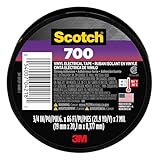
I’ve been in plenty of situations where I needed a bit of tape to fix something quick. You know, the kind of fix that’s not a big deal, but it needs something to keep it together until you can get to it properly. One of the first things that pops into my head is electrical tape. It’s supposed to be good for a lot of things, right? So, the question I’ve asked myself, and probably you have too, is: can I buy electrical tape at grocery stores? It seems like a place that should have it, tucked away somewhere with the household basics.
The truth is, the answer isn’t always a simple yes or no. Grocery stores are expanding their general merchandise sections, but not every store is the same. Some might surprise you, while others will leave you wandering the aisles fruitlessly.
The Grocery Store Gamble: Finding Electrical Tape
Let’s cut to the chase: can I buy electrical tape at grocery stores? Sometimes. It’s a gamble, and honestly, one I don’t win often enough to rely on.
My local mega-grocery store, the one with the giant produce section and the deli that can make a decent sandwich, usually has a small aisle dedicated to home essentials. Think light bulbs, batteries, basic cleaning supplies, and maybe a few odds and ends like extension cords or a flimsy set of screwdrivers. Tucked in there, you might find a roll of electrical tape. But it’s usually a brand I don’t recognize, and the quality feels… suspect.
It’s often thinner than I like, and the adhesive can be weak. I’ve grabbed it in a pinch, and it’s done the job for a temporary fix, like bundling some loose wires on a lamp or temporarily insulating a frayed cord on a small appliance.
But for anything that needs to hold up, especially outdoors or in high-heat situations, I wouldn’t trust it.
The bigger question is, what kind of grocery store are we talking about? A small neighborhood market? Forget it. A regional chain with a decent home goods section? Maybe. A superstore like a Walmart or a Target, which has a massive grocery section but also functions as a department store? You’ve got a much better shot there. They’ll likely have several brands and types. But is that really a grocery store anymore, or just a place you happen to buy groceries?
I remember one time, I was at my cousin’s place, and her kid managed to fray the cord on their gaming headset. It wasn’t a dangerous exposure, but it was annoying. She asked if I had any electrical tape. I rummaged through her junk drawer – a terrifying place, by the way – and found nothing.
So, we popped over to the grocery store down the street. It’s a pretty standard chain, not huge but not tiny.
We went to their ‘household’ aisle, and lo and behold, they had electrical tape! It was a small, no-name brand, maybe $3 a roll. I used it, and it held for a few weeks until the kid’s parents sprung for a new headset.
So, yes, it’s possible, but manage your expectations. Don’t expect to find professional-grade vinyl tape from 3M or even decent generic options.
What You’re Actually Getting (and Why It Might Not Be Enough)
When you find electrical tape at a grocery store, you’re usually looking at the budget end of the spectrum. This tape is often made with thinner vinyl, which means it’s less stretchy and more prone to tearing when you’re trying to wrap it tightly. The adhesive is also a big question mark. Good electrical tape has a strong, reliable adhesive that won’t dry out or lose its grip over time, even with temperature fluctuations. The stuff I’ve seen at supermarkets often feels sticky, but not in a good way – more like it’ll leave a gummy residue or peel off after a few months.
This brings me to my own personal hell with cheap tape. A few years back, I was trying to fix a minor leak on a garden hose connector. (See Also: Can I Use Electrical Tape To Connect Wires )
I figured, ‘Hey, electrical tape is stretchy, it’ll seal that right up!’ I wrapped it on there, nice and tight.
For about two days, it worked. Then, the sun hit it, the temperature climbed, and the tape just… sagged. The adhesive turned into this gooey mess, and the hose started spraying water everywhere.
It was a mess, I got soaked, and I had to go buy a proper hose repair kit. That experience taught me a valuable lesson: not all tape is created equal, and some jobs require specific tools. Electrical tape is designed for electrical insulation and bundling wires, not for high-pressure water sealing or heavy-duty outdoor repairs.
The common advice you’ll find online is that any electrical tape will do for simple jobs. I disagree. If you’re just tidying up some wires inside a dry, climate-controlled environment and the tape isn’t under any tension, then yeah, that cheap stuff might hold. But for anything where you need reliability, durability, or protection against the elements, you’re wasting your time and money. I’ve wasted money on products that overpromised, and cheap electrical tape from a less-than-ideal source falls into that category for me. It’s like buying a bargain-bin screwdriver; it might turn a screw, but it’s probably going to strip the head or break.
The key difference, and it’s a big one, is the material science behind good electrical tape. High-quality versions use a vinyl that’s formulated to be flexible, UV-resistant, flame-retardant, and capable of withstanding a range of temperatures without degrading. The adhesive is specifically designed to bond securely to the tape itself and the surface it’s applied to, without becoming brittle or gummy. You’re not going to find that level of engineering in a $2 roll next to the AA batteries.
When Is Grocery Store Electrical Tape Actually Okay?
So, if the quality is often questionable, when is grabbing that roll of electrical tape from your local supermarket actually a good idea? Honestly, it boils down to very specific, low-stakes situations. Think about those times when you need a temporary fix that doesn’t involve significant electrical load, extreme temperatures, or exposure to moisture. I’m talking about bundling loose cables behind your TV, temporarily securing a wire that’s come loose from a plastic casing (like on a small appliance, but not the main power cord), or even using it as a makeshift label holder by writing on it with a permanent marker.
Here’s a scenario where I’ve actually used it successfully. My son’s toy robot had a small wire that had popped out of its plastic housing. It wasn’t an exposed live wire, just a signal wire that was loose. I needed to keep it tucked away so it didn’t get snagged. I grabbed a roll of electrical tape from the grocery store (the aforementioned $3 kind). I carefully wrapped it around the housing, securing the loose wire inside. It worked perfectly. It kept the wire in place, didn’t interfere with the robot’s operation, and wasn’t subjected to any stress or heat. It was a purely mechanical, non-important fix. That’s the sweet spot for budget electrical tape.
Another common use case is for marking things. For example, if you have multiple identical power adapters and want to label which belongs to which device, a strip of colored electrical tape (they often come in black, white, red, and blue) can be a simple way to do it. You can write on it with a marker, and it sticks reasonably well to smooth surfaces like plastic. It’s not permanent, which can be a good thing if you need to change your labeling scheme later.
However, I can’t stress enough that this is for non-important applications. If you’re dealing with anything that carries significant voltage, is exposed to the elements (sun, rain, extreme cold or heat), or needs to withstand physical stress, you’re better off going to an actual hardware store or an electronics supplier. Relying on grocery store tape for anything beyond a minor cosmetic tidying or a very temporary, low-impact fix is asking for trouble. I once saw a neighbor try to use it to temporarily fix a cracked garden hose, and as I mentioned earlier, that ended poorly. The sun and water were too much for the cheap adhesive and thin vinyl.
| Application | Grocery Store Tape Verdict | Hardware Store Tape Verdict |
|---|---|---|
| Bundling TV cables |
Okay – For light-duty, indoor use where appearance is secondary. |
Good – Will hold securely, looks neat if done well. |
| Securing loose wires in appliance casings (non-important) |
Okay – If the wire is not live and not under strain. (See Also: Can Electrica Tape Catch On Fire ) |
Good – Provides a more secure, longer-lasting fix. |
| Temporary insulation of low-voltage wires |
Use with Caution – Only for very low voltage and dry conditions. |
Recommended – Designed for electrical safety. |
| Repairing garden hoses or outdoor pipes |
Bad Idea – Will likely fail quickly due to moisture and temperature. |
Bad Idea – Use specialized tape or repair kits. |
| Marking tools or equipment |
Good – Cheap and easy to write on. |
Good – Wider range of colors and more durable options. |
Where Else Can You Grab Electrical Tape?
If your grocery store gamble doesn’t pay off, or you know you need something better than what they offer, where should you go? The most obvious answer is your local hardware store. Places like Home Depot, Lowe’s, Ace Hardware, or even smaller independent hardware shops will have a dedicated section for tapes and adhesives. Here, you’ll find a much wider selection. You’ll see rolls from reputable brands like 3M (Scotch Super 33+ and Scotch 88 are industry standards), Gardner Bender, and Husky. They’ll offer different thicknesses, temperature ratings, and levels of electrical insulation. You can usually get a good quality roll for anywhere from $5 to $10, which is a small price to pay for reliability.
Beyond dedicated hardware stores, many general merchandise retailers that have a solid home improvement or electronics section will carry electrical tape. Think of places like Walmart, Target, or even larger drugstores that have a significant non-food section. They often have a tool aisle or an electronics accessories area where you’ll find what you need. The selection might not be as extensive as a full hardware store, but you’re far more likely to find a decent brand and quality than at a typical grocery store.
For the absolute best selection and highest quality, especially if you’re a professional or a serious DIYer, consider visiting an electronics supply store or a dedicated electrical wholesaler. These places cater specifically to people who need high-performance materials and are willing to pay for them. You’ll find specialized tapes for extreme temperatures, high-voltage applications, and specific environmental conditions. While this might be overkill for just needing to tape up a loose wire on a lamp, it’s good to know the options exist.
My go-to is usually Ace Hardware. I like that they’re often locally owned, and their staff usually knows their stuff. I’ve walked in there looking for a specific type of screw and walked out with a recommendation for a fantastic roll of electrical tape that cost me about $7 but has lasted me for years and done everything I’ve asked of it. It’s the kind of place where you can ask, ‘What’s the best tape for wrapping around a corroded battery terminal?’ and get a genuinely helpful answer, not just a shrug.
People Also Ask: Common Questions Answered
Do Grocery Stores Sell Electrical Tape?
Some larger grocery stores, particularly superstores that carry a wide range of household goods, may sell electrical tape. However, it’s not a guaranteed item, and the selection and quality can be limited compared to hardware stores. (See Also: Can I Substitute Duct Tape For Electrical Tape )
What Is Electrical Tape Used for?
Electrical tape is primarily used for insulating electrical wires and connections to prevent short circuits and electric shocks. It can also be used for bundling wires, marking cables, and for temporary repairs on non-electrical items where its flexibility and adhesive properties are beneficial.
Can I Use Duct Tape Instead of Electrical Tape?
No, you should not use duct tape as a substitute for electrical tape. Duct tape is not designed for electrical insulation and can be a fire hazard. Electrical tape has specific properties like flexibility, flame retardancy, and dielectric strength that duct tape lacks.
Where Is the Best Place to Buy Electrical Tape?
The best places to buy electrical tape are hardware stores, home improvement centers, electronics supply stores, and general merchandise retailers with a good selection of tools and accessories. These locations offer a wider variety of brands and quality levels.
What Is the Difference Between Electrical Tape and Vinyl Tape?
Electrical tape is a type of vinyl tape specifically formulated for electrical applications. While all electrical tape is vinyl tape, not all vinyl tape is suitable for electrical use. Electrical tape has specific properties like dielectric strength, flexibility, and flame retardancy that general-purpose vinyl tapes may not have.
Mistakes to Avoid When Buying and Using Electrical Tape
The biggest mistake I see people make, including myself in my younger, less experienced days, is assuming all electrical tape is the same and that it can be used for any tape job. This is just plain wrong. Forgetting that electrical tape has a specific purpose – electrical insulation and protection – is a recipe for disaster. Trying to use it as a heavy-duty sealant for plumbing, or as a structural repair tape, is asking for it to fail. I learned this the hard way with that garden hose incident I mentioned. It’s not a miracle adhesive for every problem under the sun.
Another common mistake is buying the cheapest option without considering the brand or specs, especially if you’re buying it from a place like a grocery store where selection is limited. That $2 roll might seem like a bargain, but if it’s made with inferior materials, it could lead to a short circuit, a fire hazard, or simply fail to do the job, leaving you in a worse situation. Always try to look for reputable brands like 3M, Gardner Bender, or even store brands from trusted hardware chains. If it’s an off-brand you’ve never heard of, and it’s significantly cheaper than everything else, be very suspicious.
Overstretching the tape when applying it is another pitfall. Electrical tape needs to be applied with moderate tension to create a good seal and make sure its insulating properties are maintained. If you stretch it too much, it can become thin and brittle, compromising its integrity. If you don’t stretch it enough, it might not conform properly to the shape of the wires or connections, leaving gaps where moisture or dirt can enter. The goal is a smooth, even wrap that adheres well without being so taut that it’s about to snap.
Finally, don’t neglect the color. While black is the most common and often the most durable (UV resistant), different colors have different purposes. Red and blue are often used to denote specific voltage levels or phases in electrical work. If you’re doing anything beyond a simple DIY fix, paying attention to color coding can be important for safety and clarity. Using a random color for a important connection might confuse someone else working on the same system later. It’s these little details that separate a hack job from a proper repair.
Conclusion
So, can I buy electrical tape at grocery stores? The short answer is: maybe, but it’s a gamble. You might get lucky and find a roll tucked away in the household aisle, but don’t expect it to be top-tier quality. For most real-world applications, especially anything involving electricity or outdoor use, your best bet is to head to a hardware store or a dedicated retailer that stocks reliable brands.
I’ve wasted enough money on cheap, flimsy tape that cracks or loses its stickiness after a few months to know it’s usually worth paying a few extra dollars for something that actually works. If you’re in a bind and only have a grocery store option, assess the job carefully. If it’s just tidying up some cables behind your entertainment center, it might suffice. But if you’re dealing with anything remotely important, save yourself the headache and the potential hazard.
My advice? Keep a good quality roll of electrical tape in your toolbox at all times. That way, you’re not left scrambling, wondering if the grocery store will have what you need. A decent roll from a hardware store costs about $5-$8 and will last you for years of small fixes and projects. It’s one of those things that’s better to have and not need, than to need and not have.