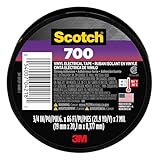
I remember staring at a pile of used electrical tape after rewiring a lamp. It was a mess of black, stretchy goo and paper backing. My first thought was, ‘This has got to be recyclable, right? It’s basically plastic.’ Turns out, that’s a common assumption, and it’s mostly wrong.
The question of ‘can I recycle electrical tape’ pops up more often than you’d think, especially when you’re cleaning out a toolbox or finishing a DIY project. It feels wasteful to just chuck it all in the bin.
But here’s the blunt truth: most electrical tape, the kind you buy in those little rolls, isn’t going to be accepted by your curbside recycling program. And honestly, trying to get it recycled is a whole headache.
Why Your Curbside Bin Says ‘no Thanks’ to Electrical Tape
Let’s get straight to it: The stuff you’re probably thinking of – that stretchy, vinyl or rubber-based tape used for insulating wires – is a composite material. It’s not like a clean plastic bottle or a cardboard box. Most electrical tape is made of a vinyl backing, an adhesive, and sometimes a fabric or paper liner. This mix of materials is the first big hurdle for recycling facilities. They’re set up to handle large volumes of single-material items. When they get a mixed bag like electrical tape, it contaminates the batch. It’s like trying to recycle a greasy pizza box with the rest of your paper – it messes things up.
Think about it from the recycling plant’s perspective. Their machines sort materials based on density, magnetic properties, and optical sensors. A thin, stretchy piece of vinyl with sticky adhesive on one side? It’s going to jam their machinery, clog up screens, and generally cause a big ol’ headache.
The economics just don’t work out for them to process something so fiddly and potentially problematic. They’d spend more time and money dealing with it than they’d ever get back from the material itself. So, even though it’s technically ‘plastic,’ it’s not the kind of plastic they want. This is why you’ll rarely, if ever, see ‘electrical tape’ listed as an accepted item on your local municipality’s recycling guidelines.
It’s a shame, because we do use a fair bit of it, and it does end up in the trash.
I once tried to wash a few scraps of electrical tape, hoping the adhesive would come off and I could at least recycle the vinyl backing. Big mistake. The adhesive became this sticky, gooey mess that transferred to everything it touched, including my hands. It took ages to get off. So, no, you can’t just clean it up and expect it to be okay for recycling. The sticky part is the enemy of efficient recycling processes. It gums up the works, literally.
The Different Types of Electrical Tape and What They’re Made Of
Not all ‘electrical tape’ is created equal, though most of it ends up in the same place: the trash. When you’re trying to figure out if there’s any hope for recycling, you have to look at the materials. The most common type is vinyl electrical tape. This is the stretchy, often black tape that’s great for insulating electrical connections because it conforms well and provides good dielectric strength. It’s basically PVC (polyvinyl chloride) with a strong adhesive. PVC is technically recyclable, but not when it’s mixed with adhesives and used in small, varied forms like tape.
Then there’s rubber electrical tape, which is more like an insulating rubber compound. It’s often used for higher-voltage applications and can be quite thick. This is even less likely to be recycled. There are also fabric-backed electrical tapes, which are more durable but still have that pesky adhesive. Some specialty tapes might claim to be more eco-friendly, using different adhesives or backing materials, but these are rarely found in the average DIYer’s toolbox. Most of what we’re dealing with is standard vinyl. (See Also: Can I Use Electrical Tape To Connect Wires )
The real issue for recyclers isn’t just the plastic itself, but the sticky stuff holding it all together. Adhesives are notoriously difficult to separate from plastics and can contaminate the recycling stream. So, even if a tape could theoretically be made from a recyclable plastic, the adhesive makes it a no-go for most facilities. I learned this the hard way when I found a roll of what looked like plain fabric tape and assumed it was okay, only to have a recycling facility worker pull it out of the bin later and tell me it was contaminated. He pointed out the sticky residue. Lesson learned: if it sticks, it’s probably not for the bin.
The Harsh Reality: Why Most Electrical Tape Ends Up in Landfills
Let’s be blunt: the vast majority of electrical tape you use will end up in a landfill. It’s not because manufacturers are being deliberately obtuse, but because the materials and the way the tape is used make it incredibly difficult and uneconomical to recycle through standard municipal programs. The composite nature of the tape – vinyl, rubber, adhesive – means it can’t be easily separated into its base components for reprocessing. Recycling facilities are designed for efficiency and volume. Throwing in small, sticky, mixed-material items like electrical tape is a recipe for contamination and operational headaches.
I’ve seen people try to be clever, cutting off the clean bits of vinyl and tossing the sticky parts. While the intention is good, it’s usually not enough. Even a tiny bit of adhesive residue can ruin a batch of recycled plastic. And the sheer volume of tape used by consumers and professionals alike means that even if a small percentage could be recycled, it’s not enough to justify the specialized processing required. The cost of collecting, sorting, cleaning, and re-processing this specific type of waste just isn’t there. It’s a simple economic reality: it’s cheaper and easier to make new tape than to try and recycle the old stuff through existing systems.
The common advice you might find online about taking it to a special collection point is usually for more industrial electrical waste, not the rolls you buy at the hardware store. For the average DIYer, your options are extremely limited. This leads to that familiar feeling of guilt when you toss a perfectly good (but used) roll into the garbage. It feels like a waste of resources, and in many ways, it is.
But without a clear, accessible recycling pathway, the landfill is the default destination. This is why I try to buy tapes that come with minimal packaging, though the tape itself remains the problem.
I remember a time I used a whole roll on a temporary fix for a garden hose – it worked, but the thought of that tape sitting in a landfill for decades hit me hard.
Contrarian Opinion: Is There any Way to Be Less Wasteful?
Here’s where I might go against the grain a bit. Everyone says, ‘Just throw it away, it’s not recyclable.’ And for the most part, they’re right about curbside recycling. But I disagree that we have zero options for being less wasteful. The key is to drastically reduce the amount of electrical tape you use in the first place, and to look for more durable, reusable alternatives when possible. This isn’t about finding a magical recycling bin for your old tape; it’s about changing your habits so you don’t have much tape to dispose of.
For instance, when I’m doing electrical work, I’m always asking myself, ‘Does this connection really need electrical tape, or can it be secured with a proper wire nut and then perhaps just neatly bundled?’ Often, the tape is used more for tidiness or a false sense of security than actual insulation needs. If it’s just for bundling wires, zip ties or Velcro straps are reusable and far more environmentally friendly. If it’s for insulation, make sure the connection is made properly first.
I’ve seen countless DIY jobs where electrical tape was slapped over a loose connection, which is a fire hazard and a sure sign the job wasn’t done right in the first place. So, my contrarian take is: stop using so much of it. (See Also: Can Electrica Tape Catch On Fire )
Beyond reducing usage, there are specialty reusable tapes out there. Some are silicone-based and self-fusing, designed for temporary seals or bundling, and can be removed and reused multiple times. While they aren’t always a direct replacement for the adhesive grip of vinyl tape, they serve similar purposes in many situations and dramatically cut down on waste. I spent about $25 on a roll of reusable silicone tape a few years ago, and it’s still going strong, used for everything from temporary hose fixes to bundling cables. That’s a much better investment, both for my wallet and the planet, than constantly buying and discarding traditional electrical tape.
People Also Ask: Can Electrical Tape Be Recycled?
No, standard electrical tape made from vinyl or rubber with adhesive is generally not recyclable through municipal curbside programs. The mixed materials and adhesives contaminate recycling streams and can damage sorting machinery.
People Also Ask: What Can I Do with Old Electrical Tape?
Unfortunately, the most common disposal method for old or used electrical tape is the trash. Your best bet is to try and reduce your usage by employing reusable alternatives like zip ties or Velcro straps for bundling, and making sure electrical connections are properly made before considering tape.
A Few Practical Tips for Dealing with Electrical Tape Waste
Since we’ve established that recycling electrical tape is largely a pipe dream for the average person, what can you actually do to be a bit less of a waste-generating machine? First, buy only what you need. That giant roll might seem like a bargain, but if you only use a few inches here and there, most of it will dry out and become unusable before you finish it. Store it properly – in a cool, dry place away from direct sunlight. This will extend its lifespan, meaning you’ll throw away less because it went bad.
Second, when you do have to use it, try to use it sparingly. Overlapping tape excessively or using it for things it’s not designed for just creates more waste.
For bundling cables, as I mentioned, reusable options like Velcro straps are fantastic. They can be used over and over. For temporary fixes, sometimes a good quality duct tape might do the job and is also not recyclable, but at least it’s a different type of waste.
The key is to be mindful. I personally have a small container in my toolbox where I keep small offcuts of tape that are still usable. It’s surprising how often a tiny piece is all you need for a small repair or to secure a wire temporarily.
Third, and this is the big one, look for reusable alternatives whenever possible. If you’re wiring something that doesn’t require high voltage insulation, consider using wire nuts and then securing bundles with zip ties or even painter’s tape (which is less sticky and might break down better, though still not ideal for recycling). For very minor insulation needs, heat shrink tubing is a much cleaner and more permanent solution than electrical tape. It’s a one-time application but a superior finish. My toolbox is slowly shifting towards reusable items for these kinds of tasks, which means less tape making its way to the bin.
When All Else Fails: The Reality of Disposal
Look, I get it. You’ve got a roll of electrical tape, it’s all used up, sticky, and you’re standing there wondering ‘can I recycle electrical tape?’ and the honest answer is a resounding ‘probably not, at least not easily.’ The reality for most of us is that the used tape goes into the household garbage. (See Also: Can I Substitute Duct Tape For Electrical Tape )
This isn’t great, and I wish there were a better solution. The vinyl and the adhesive are petroleum-based products, and they’ll sit in a landfill for a very long time. Some industrial or specialized electronic waste recycling facilities might accept certain types of electrical components, and perhaps they have a process for tape, but this is far beyond the scope of what most people can access.
It’s not like dropping off old batteries or electronics at a designated center.
I’ve done my fair share of digging, looking for niche recycling programs. I even called a local hazardous waste disposal site once, and they confirmed that standard electrical tape isn’t something they handle. They deal with things like solvents, batteries, and old paint. The tape is just considered regular solid waste. This is why the emphasis has to be on reduction and reuse. Think of it this way: every roll of electrical tape you don’t buy or use is one less piece of difficult-to-dispose-of waste. It’s a small victory, but a victory nonetheless.
My personal strategy now is to buy the smallest rolls possible and to be extremely judicious in my use. I also keep an eye out for companies that might be making more sustainable versions, though I haven’t found a widely available one yet. Until then, the garbage bin is the most likely resting place for my used electrical tape. It’s not ideal, but being honest about the limitations of our current waste management systems is the first step. The more we understand what can’t be recycled easily, the more likely we are to change our behaviors to minimize that waste.
Can You Put Electrical Tape in the Recycling Bin?
No, you should not put electrical tape in your curbside recycling bin. Its mixed materials (vinyl, adhesive, etc.) will contaminate the recycling stream and can damage sorting machinery. It is considered non-recyclable by most municipal programs.
Is Electrical Tape a Type of Plastic?
Yes, the backing of most common electrical tape is made of vinyl, which is a type of plastic (polyvinyl chloride or PVC). However, the presence of adhesives and other components prevents it from being recycled like other single-stream plastics.
What Is Electrical Tape Made of?
Electrical tape is typically made of a vinyl (PVC) backing coated with an adhesive. Some varieties may also include rubber compounds or fabric layers. The adhesive is a key component that makes it difficult to recycle.
How to Dispose of Electrical Tape?
The most common and practical way to dispose of used electrical tape is by placing it in your regular household garbage. Due to its composite nature and adhesive properties, it is not accepted in standard recycling programs.
Final Thoughts
So, to circle back to that initial question: can I recycle electrical tape? The short, unvarnished answer is usually no. Your local recycling facility likely won’t take it, and trying to force it into the system only causes more problems.
The best approach isn’t trying to find a magical recycling solution for what you’ve already used, but rather to be smarter about how you use it going forward. Think reusable alternatives, buy smaller quantities, and store it well so it doesn’t dry out prematurely.
Ultimately, minimizing your reliance on single-use, difficult-to-recycle items like electrical tape is the most effective step you can take. It might feel like a small change, but collectively, these habits make a difference. What’s your go-to alternative for bundling wires?