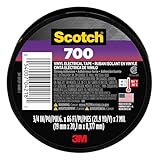
Alright, let’s cut to the chase. Your iPhone charger cable is fraying, looking like it went ten rounds with a badger, and you’re staring at a roll of electrical tape on your desk. The million-dollar question pops into your head: can I put electrical tape on my iPhone charger? I’ve been there. I remember the sheer panic when my brand-new (or so I thought) charger started showing alarming signs of wear after just a few months. You want a quick fix, something to stop that frayed mess from getting worse, or even from shocking you.
The instinct is to grab whatever’s handy, and electrical tape is practically synonymous with ‘quick fix for wires.’ But is it the right fix? Honestly, the temptation is huge to just wrap it up and pretend it’s fine. We’ve all got those cables that have seen better days, and before you chuck it and shell out another $20 or $30, let’s get real about this electrical tape idea.
That Fraying Cable: A Moment of Truth
Look, we’ve all seen it. That Lightning cable, or USB-C if you’re newer, starts to look like it’s been gnawed on by a tiny, angry squirrel. The outer sheath cracks, the little wires start peeking out, and you’re perpetually holding your breath, wondering if this is the charge cycle that fries your phone or, worse, your entire outlet. It’s a common problem, and the immediate thought for many is a DIY solution.
The most accessible tool for any kind of wire repair, in most households, is electrical tape. It’s flexible, it sticks, and it’s designed to insulate. So, the initial logic behind asking ‘can I put electrical tape on my iPhone charger?’ makes perfect sense.
You see a damaged wire, you have tape for wires, ergo, tape it up.
My own initiation into charger woes involved a MacBook charger first, but the principle is identical. I had this chunky white cable that started showing a nasty split near the brick.
I’d already paid a small fortune for it, and the thought of buying another one, just because of a cosmetic issue that felt like it could be easily patched, was infuriating. So, I did what felt natural: grabbed some black electrical tape and wrapped it around the fraying section like a mummy.
It held. For about a week. Then, the tape started to peel, exposing the damaged area again, and it looked… well, amateurish. Worse, the slight bulk added by the tape made the cable bend in a weird spot, putting more stress on the already compromised insulation.
It was a temporary band-aid that potentially made the underlying problem worse.
The reality is, electrical tape is designed for low-voltage applications and often as a temporary fix for insulation breakdown. While your iPhone charger might not be pushing industrial levels of power, it’s still carrying a significant electrical current. The materials used in charger cables are specifically chosen for their conductivity, insulation properties, and flexibility. When they start to fray, it’s not just an aesthetic problem; it’s a sign of material fatigue.
Electrical tape, while it has some insulating properties, isn’t necessarily designed to withstand the constant flexing, bending, and temperature fluctuations that a phone charger cable endures daily. It can degrade, lose its adhesion, and eventually fail, leaving the exposed wires vulnerable. The question isn’t just about ‘can I’, but ‘should I’, and what are the actual risks involved.
What Happens When You Tape It Up? The Reality Check
So, you’ve got that frayed cable, and the electrical tape is in your hand. You’re probably thinking, ‘What’s the worst that can happen?’
Well, let’s break it down, because it’s not all sunshine and rainbows. Firstly, electrical tape is made of PVC, usually with an adhesive backing. It’s decent at preventing short circuits on low-voltage wiring, and it offers some protection against moisture and abrasion. (See Also: Can Duck Tape The Used For Electrical Repairs )
However, it’s not a miracle cure. The adhesive on electrical tape isn’t designed to last forever, especially under the kind of stress a phone charger cable is subjected to. Think about it: you’re bending it, pulling it, stuffing it into bags, and the temperature around it can change.
This tape can start to peel, curl, and become a sticky, unsightly mess. When that happens, it’s not just ugly; it can actually attract dirt and debris, making the situation worse.
More importantly, electrical tape isn’t always the best insulator for the specific type of stresses a charger cable experiences. Charger cables are constantly being bent and flexed at the connection points – where the cable meets the connector (Lightning or USB-C) and where it meets the power brick.
This constant movement can cause the tape to stretch, crack, or even detach, exposing the delicate wires beneath. If those wires are damaged, they can still short circuit, leading to potential damage to your phone, your charger brick, or even your power outlet.
I once saw a friend’s charger cable, taped up with electrical tape, actually overheat because the tape wasn’t a good enough insulator for the exposed wires under load. It didn’t catch fire, thankfully, but it got worryingly hot, and the tape started to melt slightly. That was the end of my ‘electrical tape is a universal fix’ mindset.
The common advice you’ll find online is often a mixed bag. Some people swear by it as a temporary fix, others warn you sternly against it. The real issue is that electrical tape, while providing a basic barrier, doesn’t address the underlying mechanical failure of the cable’s jacket.
It’s like putting a sticker on a cracked window; it might look a bit better for a while, but the structural integrity isn’t restored. The wires inside can still be stressed, kinked, or severed further down the line, making the problem worse than when you started. So, while you can technically put electrical tape on your iPhone charger, the effectiveness and safety are highly questionable for anything more than a very short-term, very minor cosmetic fix.
The Contradiction: When a Quick Fix Might Be Okay (but Don’t Count on It)
Here’s where things get a bit murky, and where I’ll offer a contrarian view: sometimes, for a very specific, very minor issue, electrical tape might buy you a tiny bit of time. Everyone says you should never, ever do it, and for good reason. But I disagree slightly. If you have a tiny nick, barely through the outer layer, and you wrap it tightly and neatly with good quality electrical tape, it can prevent that nick from immediately turning into a full-blown fraying disaster. Think of it as a temporary emergency measure, not a permanent repair. This is the angle often missed: the distinction between a superficial abrasion and significant wire exposure.
My first-hand experience with this was with a spare charger cable I kept in my car. It got a small scuff on the insulation, not deep enough to see wires, but I knew it would likely worsen. I wrapped a small section of it with some high-quality 3M electrical tape. For about six months, it worked perfectly fine.
It protected that spot from further wear and tear caused by being jostled around in the center console. It didn’t degrade, it didn’t peel. The key here was that the damage was minimal, the tape was applied expertly (smoothly, with good overlap, no kinks), and the cable wasn’t subjected to extreme bending or movement at that specific point. This is the exception, not the rule.
However, and this is a big ‘however,’ this is an exception built on luck and very specific conditions. Most people don’t have ‘minimal damage’ or ‘expert application’ as their starting point. They have a cable that’s already looking pretty sad.
The temptation is to wrap more and more tape, creating a bulky, unreliable patch. And even in my successful case, I knew it was temporary. (See Also: Can Duct Tape Carry Electric Current )
As soon as that tape showed any sign of wear or lifting, I replaced the cable immediately. The risk of fire or damaging your devices is real, even if it seems unlikely. Apple’s cables, while not perfect, are designed with specific safety standards.
When you jury-rig a repair with non-standard materials, you bypass all those safeguards. So, while I’ll admit electrical tape can sometimes work in a pinch for a tiny issue, it’s a gamble. It’s like trying to fix a leaky faucet with chewing gum – it might hold for a bit, but you’re really just delaying the inevitable and potentially making the problem worse when it finally gives way.
The Real Risks and What to Look For
Let’s talk about the nasty stuff that can actually happen. When you’re asking ‘can I put electrical tape on my iPhone charger?’, you need to understand the potential downsides. The biggest risk is electrical shock. If the insulation on the cable is compromised and you have exposed wires, touching them can give you a nasty jolt, especially if you’re wet or standing on a conductive surface. Electrical tape offers some insulation, but it’s not foolproof, and it can degrade over time, especially with heat and flexing. This means that ‘fix’ you applied might stop being a fix sooner than you think.
Another significant risk is damage to your iPhone or the charging brick. Exposed wires can short circuit. If this happens while plugged into your phone, you can fry the charging port or even the internal circuitry of your device.
Imagine the cost of repairing or replacing a damaged iPhone – it’s way more than a new charging cable. Similarly, a short circuit in the cable could damage the charging brick itself, rendering it useless or, in rare cases, causing it to overheat dangerously.
I’ve heard horror stories (and seen pictures) of chargers that got so hot they melted their plastic casings. That’s not just inconvenient; it’s a serious fire hazard.
The adhesive on electrical tape can also become gummy and attract dust, which can interfere with the connection or even block the ventilation on the charging brick, leading to overheating.
So, what should you actually be looking for when inspecting your charger cable? First, examine the entire length of the cable, paying close attention to the areas near the connectors (both ends) and any point where the cable might bend sharply. Look for any signs of fraying, cracking, or exposed wire strands.
If you see even a hint of the metallic wire, that’s a clear warning sign. Also, check for any signs of melting, discoloration, or hardening of the cable’s outer jacket, which can indicate overheating or material degradation. If the cable feels unusually stiff or brittle, it’s also a sign that it’s nearing the end of its life. Don’t ignore these signs.
The cheapness of a new cable is often a false economy when weighed against the potential damage to your expensive Apple devices.
| Potential Issue | Risk Level | Verdict on Electrical Tape |
|---|---|---|
| Minor outer sheath scuff (no wires visible) | Low | Maybe, but risky. Temporary at best. |
| Deep fraying, visible wire strands | High | No. Dangerously unsafe. |
| Cracked or brittle cable jacket | Medium | No. Tape won’t restore flexibility. |
| Signs of melting or discoloration | Very High | Absolutely not. Fire hazard. |
| Loose or peeling tape after application | High | Immediate replacement needed. |
Practical Alternatives and What to Buy Instead
Given the risks associated with using electrical tape, it’s wise to explore actual solutions. The first and most obvious is to simply replace the cable. This might seem obvious, but the number of times I’ve seen people try to ‘fix’ a cable that’s beyond saving is staggering.
A new MFi-certified (Made For iPhone) Lightning cable can be had for around $15-$25 from reputable brands. For USB-C, prices are similar. (See Also: Can Electrical Tape Be Used On Hot Radiator Hose )
Investing in a decent quality cable is usually the safest and most reliable option. I recently picked up a braided USB-C cable from Anker for about $18, and it feels significantly more durable than the standard Apple cables I’ve had in the past.
The braiding adds a layer of protection against fraying and tangling, which is a common culprit for cable damage.
If you’re really against replacing it or need an immediate temporary fix for a very minor issue (and I’m talking about a tiny abrasion, not exposed wires), there are better materials than standard electrical tape. Sugru, for example, is a moldable glue that cures into a rubber-like substance. You can mold it around the damaged area, and once cured, it offers a more solid and flexible protection than tape.
It’s not cheap, maybe $10-$15 for a few packets, but it’s a more appropriate material for this kind of repair. Another option is specialized cable repair tape, often made from heat-shrink tubing or a very strong, flexible fabric tape. These are designed specifically for cable reinforcement and are generally more durable than standard electrical tape.
You can find these online for a few dollars a roll. Heat-shrink tubing, in particular, is a fantastic solution if you can get the right size; you simply slide it over the damaged area, heat it with a hairdryer or heat gun, and it shrinks to form a tight, protective sleeve.
When buying a new cable, look for features that enhance durability. Braided nylon cables are a popular choice because the braiding is tougher than plain rubber or plastic sheathing. Reinforced connectors, where the cable enters the connector housing, are also a plus. Many aftermarket cables have thicker, more solid strain relief molded into the connector end.
Avoid the absolute cheapest cables you can find; they often use lower-quality materials and lack proper safety certifications. Apple’s own cables are generally reliable, but even they can fail. So, if you’re looking to spend money wisely, get a new cable from a trusted brand like Anker, Belkin, or Aukey, or even a new Apple one if you prefer. I’ve found that spending an extra $5-$10 on a cable with a braided exterior and reinforced connector has saved me a lot of headaches and money in the long run.
The Faq: Quick Answers to Your Charger Quandaries
Is It Safe to Use Electrical Tape on a Frayed iPhone Charger Cable?
Generally, no, it is not considered safe for long-term use. While electrical tape offers some insulation, it’s not designed for the constant flexing and stress a charger cable endures. The adhesive can degrade, the tape can peel, and it may not provide adequate protection against short circuits or electrical shocks, especially if wires are exposed.
Can Electrical Tape Cause My iPhone to Catch Fire?
While highly unlikely for a standard iPhone charger, a compromised cable with exposed wires, poorly insulated by electrical tape, could potentially overheat. If the tape itself or the surrounding materials become hot enough, there’s a theoretical, albeit very low, risk of fire. This is more a concern with faulty chargers or significant damage than a typical electrical tape application.
What’s a Better Alternative to Electrical Tape for a Damaged iPhone Charger?
For a temporary fix, consider moldable glue like Sugru, which hardens into a durable rubber, or specialized cable repair tape. The best long-term solution is always to replace the damaged cable with a new, MFi-certified one from a reputable brand.
How Often Should I Replace My iPhone Charger Cable?
There’s no set schedule. You should replace your iPhone charger cable as soon as you notice any signs of wear and tear, such as fraying, cracking, exposed wires, or damage to the connectors. Regularly inspecting your cable is key to preventing potential issues.
Verdict
So, to circle back to the main question: can I put electrical tape on my iPhone charger? Technically, yes, you can. But should you? In most cases, the answer is a resounding no. It’s a risky, temporary patch that often fails and can even worsen the underlying problem. You’re better off spending a few dollars on a new, reliable cable than risking damage to your expensive phone or, worse, your safety.
My advice? Treat your charger cables with respect. Avoid yanking them out by the cord, don’t coil them too tightly, and if you see any signs of damage, don’t hesitate to replace them. It’s a small investment for peace of mind. If you’re really attached to a particular cable, look into proper repair options like heat-shrink tubing or moldable glue, but honestly, buying a new one is almost always the smartest, safest bet for your iPhone charger.