I remember staring at a frayed wire on my ancient lawnmower, sparking like a tiny Fourth of July show. Panic set in – I was miles from a proper fix and needed that thing running. My first thought, like many of yours probably is, was ‘Can duct tape carry electric current?’ It’s the universal fixer, right? The go-to for literally everything from leaky pipes to sartorial emergencies. But when it comes to something as fickle and potentially dangerous as electricity, well, my gut told me to pump the brakes.
That initial thought, however, planted a seed. We all reach for duct tape for its sheer convenience and almost magical ability to hold things together. But what are its actual limits, especially when dealing with the invisible flow of electrons? It’s a question that pops up more often than you’d think, especially when you’re in a pinch.
The Sticky Truth About Conductivity
Let’s cut to the chase: can duct tape carry electric current? The short, blunt answer is no, not in any practical or safe way. Duct tape, at its core, is a textile fabric (usually cotton or polyester) with a strong adhesive layer. Think of it like a road. The fabric is the asphalt, and the adhesive is the tar holding it together. Neither asphalt nor tar are good at letting electricity flow through them. They’re insulators, meaning they resist the flow of current. In fact, most adhesives, including the kind on duct tape, are designed to be non-conductive. That’s the whole point; you don’t want your tape conducting electricity to your fingers when you’re using it.
The myth or hope that duct tape can act as a conductor likely stems from its incredibly versatile nature in other applications. I’ve used it to seal leaks, temporarily fix a bumper, hold a broken tool together, and even patch a hole in a tent. It’s become a symbol of DIY resilience. So, it’s easy to extrapolate that to electrical work. But electricity is a different beast entirely. It requires specific materials designed for the job. Trying to use duct tape to carry current is like trying to use a garden hose to transmit high-pressure steam – it’s just not built for it and the results will be, at best, ineffective and, at worst, dangerous.
When we talk about carrying electric current, we’re talking about materials like copper, aluminum, or even specialized conductive alloys. These materials have properties that allow electrons to flow freely through them with minimal resistance.
Duct tape, with its fabric and rubber-based adhesive, has very high resistance. If you were to try and force enough current through it to do any meaningful work, you’d encounter a few problems.
First, the adhesive would likely degrade and melt due to the heat generated by the resistance. Second, the fabric itself would burn.
It’s not designed to handle the heat produced by electrical resistance, which is a fundamental concept in how electrical wires work. The thicker and more pure the conductor, the less resistance, and therefore less heat. Duct tape is the opposite.
My first-hand experience with this misunderstanding came when a buddy, bless his heart, tried to ‘fix’ a broken taillight wire on his truck with a few wraps of duct tape. He figured it would hold the wires together and conduct the power. Of course, it didn’t. The light stayed dead, and he ended up having to splice the wires properly anyway, after wasting about twenty minutes and a good portion of a roll of tape. It was a clear, albeit minor, demonstration that this stuff just isn’t made for electrical conductivity. (See Also: Can I Use Electrical Tape To Connect Wires )
What ‘electrical Tape’ Actually Is (and Why It’s Different)
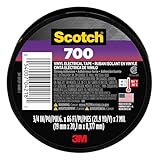
Now, let’s talk about the tape that is designed for electrical work: electrical tape. This isn’t some fancy, high-tech material; it’s actually pretty basic, but its composition is key. The most common electrical tape you’ll find is made from PVC (polyvinyl chloride). This plastic is a fantastic insulator. It’s flexible, durable, and importantly, it resists the breakdown that happens when exposed to electricity and the associated heat. When you wrap wires with electrical tape, you’re not trying to conduct electricity; you’re trying to insulate them.
The adhesive on electrical tape is also specifically formulated. It needs to stick well, even in varying temperatures and humidity, without becoming gummy or brittle. More importantly, it needs to complement the insulating properties of the PVC. It’s designed to create a strong, protective barrier, preventing shorts and protecting the conductor from physical damage or environmental exposure. Unlike duct tape, which aims to hold things together with brute force and adhesion, electrical tape aims to isolate and protect.
I’ve had situations where I ran out of proper electrical tape mid-job. My first instinct is always to reach for the duct tape, like a Pavlovian response. But I’ve learned, sometimes the hard way, that it’s a bad idea. I once tried to insulate a minor splice in a low-voltage garden light wire with duct tape, thinking, ‘It’s just a few LEDs, how much current can it handle?’ Spoiler alert: enough to make the duct tape get alarmingly warm and start to peel. It wasn’t a fire hazard, thankfully, but it was a stark reminder that even low-voltage applications have specific needs. The PVC tape I replaced it with felt completely inert and secure.
The difference is fundamental. Electrical tape provides a protective sheath. Duct tape provides a bandage. You wouldn’t use a bandage to stop a leak in a pressurized pipe, and you shouldn’t use duct tape to manage electrical connections. The fabric in duct tape, while strong for mechanical purposes, is also a potential pathway for moisture and contaminants, which can compromise even an insulated electrical connection over time. The adhesive can also degrade and become conductive or simply fail under electrical stress.
Key Differences: Duct Tape vs. Electrical Tape
| Feature | Duct Tape | Electrical Tape (PVC) | Verdict |
|---|---|---|---|
| Primary Function | Bonding, Sealing, Reinforcing | Insulating, Protecting | Electrical tape is the ONLY choice for electrical insulation. |
| Material | Fabric + Adhesive | PVC + Adhesive | PVC is a superior insulator. |
| Conductivity | Non-conductive (high resistance) | Highly Non-conductive (excellent insulator) | Neither carries current well, but electrical tape is designed to prevent it. |
| Heat Resistance | Poor; adhesive melts, fabric burns | Good; designed for moderate electrical heat | Electrical tape handles typical wire temps. |
| Adhesive Properties | Strong, general-purpose | Specific formulation for electrical insulation, temperature, and moisture resistance | Electrical tape adhesive is more stable and suitable. |
| Durability | Mechanically strong | Chemically and electrically resilient | Duct tape fails under electrical stress. |
Understanding Resistance and Conductivity
The core reason duct tape can’t carry electric current effectively is its high electrical resistance. Conductivity is the ability of a material to conduct electricity, and it’s the inverse of resistance. Materials with low resistance are good conductors (like copper wire), while materials with high resistance are good insulators (like rubber or PVC). Duct tape falls into the category of a very poor conductor, meaning it has extremely high resistance.
When electricity flows through a conductor, it encounters some opposition, which is resistance. This opposition generates heat. The more resistance, the more heat is produced for a given amount of current. This is the principle behind a toaster or a heating element. Electrical wires are made of highly conductive materials specifically chosen to minimize this resistance and the resulting heat, making sure that the energy is delivered efficiently to the device rather than being wasted as heat along the wire.
If you were to try and use duct tape as a conductor, the fabric and adhesive would generate a tremendous amount of heat very quickly. This heat would not only be a fire hazard but would also degrade the tape itself. The adhesive would melt and become gooey, potentially making the situation worse by allowing further contact or shorting. The fabric, being organic material, would eventually char and burn. This is why proper electrical conductors are metals, often copper for its excellent conductivity and reasonable cost, or aluminum for lighter applications.
I recall a science experiment in school years ago where we tested the conductivity of various common household items. Someone brought in a strip of duct tape. We hooked it up to a low-voltage circuit with a light bulb. Surprise, surprise – nothing happened. The bulb remained off because the duct tape offered too much resistance for enough current to flow and light it. It was a visual, albeit simple, confirmation of what I already suspected: duct tape is for sticking, not for carrying juice. (See Also: Can Electrica Tape Catch On Fire )
The resistance of duct tape is so high that it’s practically an insulator in any practical electrical scenario. While technically all materials have some level of conductivity (even air conducts electricity under extreme conditions), for all intents and purposes related to safely and effectively carrying electrical current, duct tape is a non-starter. It’s designed to adhere and provide mechanical strength, not to help electron flow.
Real-World Applications and Misapplications
So, where does duct tape even fit into the picture when it comes to vehicles and electrical components? Honestly, its role is almost exclusively in temporary repairs or securing non-electrical parts. For instance, if a plastic housing for an electrical component is cracked, duct tape might be used to hold it together temporarily while you get the proper replacement part. Or, you might use it to secure a bundle of wires to prevent them from chafing against something, but this is a mechanical support role, not an electrical one.
I’ve seen people use duct tape to wrap around a leaking fuel line or temporarily patch a hole in a radiator. These are all areas where its adhesive strength and general durability shine. But when it comes to the actual electrical connections – the wires, the connectors, the terminals – duct tape is a no-go. The common advice in the automotive world, and frankly in any DIY electrical work, is to use the right tool for the job. For electrical connections, that means crimp connectors, solder, heat-shrink tubing, and specifically, electrical tape for insulation.
The danger in misusing duct tape electrically is significant. A temporary fix that seems to work initially can fail later. The heat generated can melt insulation on nearby wires, causing shorts. The adhesive can degrade, allowing moisture in, leading to corrosion and intermittent electrical gremlins that are a nightmare to diagnose. I once spent an entire weekend chasing a phantom electrical issue on a friend’s motorcycle, only to find that a previous ‘fix’ involved duct tape holding a corroded wire connector together. The tape had allowed road salt and moisture to seep in, creating enough resistance to cause the bike to cut out intermittently. Once we cleaned it up and used proper connectors and heat shrink, the problem vanished.
You might see it used on the exterior of a car to hold a bumper on after an accident, or to temporarily secure a loose piece of trim. These are mechanical applications where the electrical system is not directly involved. If you’re trying to fix a headlight wire, a trailer light connection, or anything that actually carries current, duct tape is not the solution. It’s a crutch, and a dangerous one, when it comes to electricity.
Practical Tips and When to Reach for It (and When Not To)
Here’s the bottom line: can duct tape carry electric current? No. So, when should you use duct tape, and when should you absolutely avoid it in an automotive or vehicle context, especially around electrical bits?
When to Use Duct Tape (Safely):
- Temporary Mechanical Fixes: Holding a cracked plastic panel together (like a mirror housing or interior trim) until you can replace it.
- Securing Loose Parts: Temporarily securing a loose bumper cover, a piece of trim, or a non-electrical component that’s rattling around.
- Wire Bundling (External): Wrapping around a bundle of wires to keep them neatly organized and prevent chafing against a metal chassis, but only if the wires themselves are already properly insulated and protected. The duct tape is acting as an external abrasion guard, not an insulator or conductor.
- Sealing (Non-Electrical): Sealing a minor, non-important air leak in a non-pressurized system (like a cabin air intake, not an engine intake).
When NOT to Use Duct Tape (Especially Around Electrical): (See Also: Can I Substitute Duct Tape For Electrical Tape )
- Directly on Electrical Connections: Never wrap it around exposed wires, splices, connectors, or terminals that are carrying current.
- As Insulation: It is NOT an electrical insulator. It will fail.
- For High-Temperature Areas: The adhesive will melt, and the tape will lose its bond.
- On Fuel or Oil Lines: It’s not resistant to these fluids and will degrade.
- For Important Structural Repairs: It’s a temporary fix at best.
A good rule of thumb I live by is this: if electricity has to flow through it, or if its failure could cause a short circuit or fire, then duct tape is off the table. For actual electrical insulation, you need proper electrical tape (PVC is standard).
For joining wires, you need solder, crimp connectors, or specialized wire nuts designed for automotive use, usually followed by heat-shrink tubing or more electrical tape. It might cost a few extra dollars and take a little more time, but it’s the only way to make sure safety and reliability. I learned this lesson the hard way after a few questionable roadside ‘repairs’ that ended up costing me more in the long run. Stick to the right materials; your vehicle (and your peace of mind) will thank you.
Can Duct Tape Be Used to Repair a Broken Wire?
No, duct tape cannot be used to repair a broken wire. While it might hold the physical ends of the wire together temporarily, it is not conductive, meaning it won’t allow electricity to flow. Furthermore, it’s not designed to be an electrical insulator and can degrade, melt, or even burn when exposed to electrical current and heat, posing a significant fire risk.
Is Duct Tape a Good Electrical Insulator?
Absolutely not. Duct tape is a very poor electrical insulator. Its primary components are fabric and adhesive, neither of which are designed to prevent the flow of electricity. In fact, its high resistance would generate heat and could lead to failure or fire if used in any electrical application where insulation is needed.
What Happens If You Try to Use Duct Tape for Electrical Work?
If you attempt to use duct tape for electrical work, especially as a conductor or insulator, you risk several dangerous outcomes. The tape will likely overheat due to resistance, potentially melting its adhesive and burning the fabric. This can lead to short circuits, damage to surrounding components, and a significant fire hazard. It will also likely fail to achieve the desired electrical connection or insulation.
What Should I Use Instead of Duct Tape for Electrical Repairs?
For any electrical repair, you should use materials specifically designed for the task. This includes electrical tape (typically PVC-based) for insulation, crimp connectors or solder for joining wires, and heat-shrink tubing for sealing and further insulation. Using the correct materials makes sure safety, reliability, and the longevity of your electrical system.
Conclusion
So, to finally put this to bed: can duct tape carry electric current? Overwhelmingly, no. It’s a fantastic adhesive and a legendary problem-solver for mechanical issues, but when it comes to the delicate and potentially hazardous world of electricity, it’s completely out of its depth. The fabric and adhesive are designed to stick, not to conduct or insulate effectively. Trying to force it into that role is a recipe for disappointment, at best, and a serious safety risk, at worst.
The temptation is always there, especially when you’re stranded or in a bind. That silver roll seems like it can fix anything. But for anything involving wires, currents, or electrical components, you need to reach for purpose-built materials like electrical tape, proper connectors, and heat-shrink tubing. They’re cheap, readily available, and most importantly, they actually work and are safe.
Next time you’re tempted to wrap a frayed wire with duct tape, stop yourself. Take a deep breath, assess the situation, and make a trip to the auto parts store or hardware shop for the correct materials. Your car, your safety, and your sanity will thank you for it.