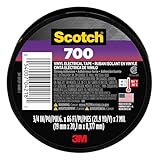
I’ve seen it a million times: a DIY project that looks great from afar, but up close, the wiring is a rainbow explosion held together with tape that’s peeling, cracked, or just plain wrong for the job. So, you’re asking, can I use colored electrical tape? The short answer is: yes, but it’s not always the smart move. I’ve wasted my fair share of cash on cheap rolls that shrivelled in the sun or slipped off after a week, leaving me with a mess and a trip back to the hardware store.
This isn’t just about looks, though that’s part of it. It’s about whether that bright red or vibrant blue stuff will actually do the job it’s supposed to – protecting your connections. Let’s cut through the marketing hype and get real about what works and what’s just adding clutter.
Why That Pretty Colored Tape Might Fail You
Look, I get the appeal. You’re trying to make a project look neat, or maybe you’re color-coding for safety.
I’ve been there. I remember trying to sort out a tangle of wires for a custom lighting setup in my old van. I grabbed a pack of assorted colored electrical tapes, thinking, ‘This will be so organized!’ I used red for the main power, blue for the accessories, and green for ground.
Sounded smart, right? Wrong. Within six months, the cheap adhesive on the blue tape started to let go. The sun beating down through the window turned it brittle, and it just… fell off.
The wires weren’t shorting, thankfully, but it looked like a bird’s nest had exploded. Lesson learned: not all electrical tape is created equal, especially the cheap stuff that comes in every color under the sun.
The fundamental job of electrical tape is insulation and protection. It needs to be flexible enough to wrap tightly around irregular shapes, stick securely without leaving residue, and most importantly, provide a barrier against moisture, abrasion, and electrical current. Standard vinyl electrical tape, typically black or sometimes white, is engineered for this. It’s made from PVC, which has excellent dielectric strength – that’s its ability to resist electrical current. It’s also designed to withstand a decent temperature range and remain pliable.
Colored electrical tapes can be made to the same standards, but here’s the rub: the market is flooded with low-quality versions. Manufacturers know people want color for organization, so they slap bright dyes into basic, cheap vinyl or even worse, plastic films that have no business being near electricity. The dyes themselves can sometimes interfere with the adhesive or the tape’s inherent properties, making it less reliable. So, while technically ‘can I use colored electrical tape’ might have a ‘yes,’ the practical answer often leans towards ‘only if you’re absolutely sure of its quality.’ (See Also: Can I Use Electrical Tape To Connect Wires )
What to Actually Look for (beyond the Rainbow)
When you’re choosing electrical tape, especially if you’re going for color, you need to look beyond the packaging. The most important thing is that it’s actually rated for electrical use. You’ll see terms like ‘UL Listed’ or ‘CSA Certified’ on good quality tape. This means it’s been tested by Underwriters Laboratories (UL) or the Canadian Standards Association (CSA) and meets specific safety and performance standards for electrical insulation. If a colored tape doesn’t have these certifications, steer clear. It’s not worth the risk.
Think about the environment the tape will be in. Is it going inside a dry, climate-controlled junction box? Or is it exposed to sunlight, heat, moisture, or physical stress? For outdoor applications or high-stress areas, you need tape that’s specifically designed for those conditions. Some tapes offer UV resistance, which is important if the tape will be exposed to sunlight. Others are designed for extreme temperatures. A cheap colored tape bought from a dollar store is almost certainly not going to have these features, and it will fail spectacularly.
Another factor is the adhesive. High-quality electrical tape uses a specialized, pressure-sensitive adhesive that bonds well but also allows for clean removal if needed.
Cheaper tapes often use generic adhesives that can dry out, become sticky and gooey, or leave a gummy residue that’s a pain to clean up. I once had to strip a whole bundle of wires because the tape adhesive had turned into a black, tar-like goo. It took me hours and made the whole job feel like a failure.
If you’re using colored tape for temporary identification, you might be okay with something less solid, but for actual insulation, the adhesive is key. Look for tapes that specify ‘high-tack’ or ‘long-lasting adhesion’ and, again, check for those certifications.
Common Mistakes That Will Haunt Your Wires
The biggest mistake, hands down, is using the wrong tape for the job. This isn’t just about color. People grab regular household tape, duct tape, packing tape – you name it – and think it’ll hold. It won’t. These tapes aren’t insulated, they don’t stretch properly, and their adhesives are not designed for the heat or potential electrical arcing. I’ve seen this on extension cords that have been repaired with duct tape. It’s a fire hazard waiting to happen. Remember, electrical tape is specifically formulated for electrical work.
Another common blunder is not wrapping the tape correctly. You need to overlap each layer by at least half the width of the tape. This creates a smooth, continuous barrier. If you leave gaps, you’re defeating the purpose of the insulation. Start your wrap a little before the connection or splice and extend it a little beyond. Don’t just wrap it loosely; stretch the tape slightly as you go. This helps the adhesive activate and creates a tighter, more durable seal. A common mistake is wrapping too tightly on very thin wires, which can actually damage the insulation underneath, or not stretching it enough, which leads to a loose, bubbly wrap that peels off. (See Also: Can Electrica Tape Catch On Fire )
Overthinking color-coding is also a mistake. While color can be helpful, don’t rely on it solely for identification.
A simple label maker or wire marker might be more durable and less prone to fading or peeling than colored tape. If you’re using colored tape for organization, make sure it’s a high-quality tape so the color doesn’t degrade or the adhesive fail. My personal contrarian opinion? For anything truly important or permanent, I’d rather use a standard black tape and a proper wire label.
The colored tapes often look unprofessional after a year or two anyway, and the potential for adhesive failure makes me nervous for long-term applications. The idea that a bright yellow tape is inherently safer than a black one is mostly marketing; it’s the quality and rating of the tape that matters.
Real-World Uses: Where Colored Tape Actually Shines
So, where does colored electrical tape actually make sense? For temporary identification and organization, it can be pretty useful. Think about temporary wiring setups for events, stage lighting, or a quick fix on a hobby project where the wires aren’t going to be subjected to harsh conditions. I’ve used colored tape to mark different circuits on a temporary power distribution box for a weekend festival. Red for 120V, blue for 240V, and so on. It made troubleshooting much faster for the tech crew.
Another legitimate use is for color-coding within a bundle of identical wires. If you have a bunch of thin, unjacketed wires coming out of a device, and you need to connect them to a specific terminal block, using different colored tapes to mark each wire can prevent mix-ups. For instance, if you’re wiring up a custom sound system, you might use red tape for the positive speaker outputs and black for the negative. This is particularly helpful when you’re dealing with multiple speakers and have to run several wires that look the same.
I’ve also seen it used in automotive wiring harnesses for non-important functions, like marking accessories that can be easily switched on or off. For example, you might use green tape to mark wires for auxiliary lights that you only want to run when the ignition is on. It’s not holding important power, but it helps keep the harness organized. However, even in these scenarios, I’d opt for a reputable brand of colored electrical tape. Brands like 3M or Scotch have colored options that are generally made to higher standards than no-name brands. A quick check of the tape’s specs – temperature rating, voltage rating, UV resistance – will tell you if it’s suitable beyond just being a pretty color.
A Practical Comparison: What Works and What Doesn’t
Let’s break down how different types of tape stack up when you’re wondering ‘can i use colored electrical tape’ for various tasks. This isn’t an exhaustive list, but it covers the most common scenarios and my experience. (See Also: Can I Substitute Duct Tape For Electrical Tape )
| Task | Best Choice (Generally) | Colored Tape Verdict | My Experience/Notes |
|---|---|---|---|
| Permanent Electrical Insulation (Home Wiring, Appliances) | High-quality Black or White Electrical Tape (UL Listed) | Avoid. High risk of failure. Stick to standard. | I’ve seen too many cheap colored tapes fail. Black is reliable. |
| Temporary Wire Marking/Identification (Events, Hobby Projects) | Reputable Brand Colored Electrical Tape (e.g., 3M) | Use with Caution. Good for quick ID if quality is verified. | Works well for event lighting setups where changes are frequent. |
| Color-coding Wires in a Bundle (e.g., Custom Electronics) | Reputable Brand Colored Electrical Tape (e.g., Scotch) | Good Option. Excellent for preventing mix-ups in complex systems. | Saved me hours troubleshooting a multi-channel audio amp. |
| Outdoor or High-Heat Applications | Specialty Tapes (e.g., High-Temp Vinyl, Rubber Splicing Tape) | Generally No. Most colored electrical tapes lack UV/temp resistance. | Cheap colored tapes turn to goo or crack in the sun. Don’t risk it. |
| Mechanical Protection (Abrasion, Chafing) | Friction Tape, Harness Tape, or Heavy-Duty Vinyl Tape | Maybe. Some colored tapes are durable, but not their primary purpose. | For pure mechanical protection, there are better, tougher options. |
The key takeaway here is that ‘electrical tape’ is a category, and within that category, there are vast differences in quality and intended use. Just because it’s colored and says ‘electrical tape’ on the package doesn’t mean it’s suitable for your wiring needs. Always prioritize safety and performance over aesthetics, especially when dealing with electricity. My rule of thumb: if in doubt, go black (or white) and stick to brands you trust. I’ve seen enough DIY disasters to know that cutting corners on electrical tape is a false economy.
The Faq: Quick Answers to Your Burning Questions
Can I Use Colored Electrical Tape for Permanent Wiring?
For permanent wiring, it’s generally best to use high-quality black or white electrical tape that is UL-listed or CSA-certified. While some colored tapes might meet these standards, many cheaper versions lack the durability, UV resistance, and long-term adhesion required for permanent installations. Using uncertified or low-quality colored tape can lead to insulation failure and pose a safety risk.
Is Colored Electrical Tape as Good as Black Electrical Tape?
Not necessarily. Black electrical tape is often formulated for maximum durability and resistance to environmental factors. Colored electrical tapes are more prone to variations in quality, with many cheaper options using less solid adhesives or materials that degrade faster. If you need colored tape, opt for reputable brands known for quality and make sure it has the necessary electrical ratings.
Will Colored Electrical Tape Fade or Peel?
Yes, cheap colored electrical tape is very likely to fade, peel, or crack over time, especially if exposed to sunlight, heat, or moisture. The dyes used in lower-quality tapes can degrade, and the adhesive can lose its tackiness. Even reputable brands might fade over extended periods of UV exposure, but they are far less likely to peel or lose their insulating properties.
What Is Colored Electrical Tape Used for?
Colored electrical tape is primarily used for wire identification, color-coding, and temporary organization. Electricians might use different colors to distinguish between circuits or wire types (e.g., red for hot, blue for neutral). Hobbyists and DIYers often use it to make their projects look neater or to easily identify specific wires in a complex setup. It’s generally not recommended for permanent insulation unless it’s a high-quality, certified product designed for such use.
Verdict
So, to circle back to the initial question: can I use colored electrical tape? Yes, you absolutely can, but it comes with a big asterisk. For quick identification, temporary fixes, or color-coding in non-important, low-stress environments, a good quality colored electrical tape from a trusted brand can be a handy tool. I’ve found it genuinely useful for making my wiring bundles look less like a spaghetti monster.
However, if you’re doing any permanent wiring, especially in exposed or high-demand situations, my advice is to stick with standard, high-quality black electrical tape. The peace of mind and proven reliability are worth a few extra bucks, and it’s not worth risking your home or your projects on tape that might fail when you least expect it. Always check for UL or CSA certifications, regardless of the color, if you’re relying on it for insulation.