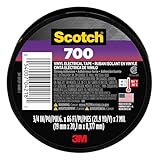
I’ve stood in my garage, wiring something that absolutely had to work, and stared at the roll of silver duct tape. My brain, in a moment of pure panic or maybe just cheapness, whispered, “Hey, it sticks, right? Can I use duct tape for electrical tape?” It’s a thought that crosses many a DIYer’s mind when they’re in a pinch and the proper stuff is nowhere to be found. I’ve been there, stared at the shiny silver stuff, and seriously considered it. It’s strong, it’s sticky, it’s everywhere. What could go wrong?
Well, a lot, as I learned firsthand after a minor electrical mishap that could have been a lot worse. This isn’t about being fancy; it’s about safety and not burning your house down. Let’s get real about why that roll of silver tape isn’t your friend when it comes to electrical work.
Why That Silver Stuff Is a No-Go for Wires
Look, duct tape is a marvel. It’s fixed leaky pipes, held together broken furniture, and even served as a temporary hem on my trousers more times than I care to admit. Its adhesive is strong, its backing is tough, and it’s incredibly versatile. That’s precisely why the idea of using it for electrical work seems so plausible. You’ve got a wire that’s frayed, or a connection that needs securing, and there’s a roll of duct tape just sitting there, practically begging to be used. It feels like a quick, easy, and cheap fix. But here’s the hard truth: duct tape is designed for… well, ducts. And general-purpose repairs. Not for the specific, and frankly, demanding, environment of electrical wiring.
The primary reason duct tape fails spectacularly where electrical tape shines is its fundamental composition and intended purpose. Electrical tape is made from a vinyl material, which is a type of plastic that’s inherently non-conductive. It’s also designed to be flexible, stretchy, and to adhere well to itself and other surfaces without leaving a sticky residue that can degrade over time.
More importantly, it’s manufactured to withstand a certain amount of electrical current and voltage without breaking down. It’s also formulated to resist UV rays and temperature fluctuations, both of which are common in electrical applications, even inside a wall. The adhesive on electrical tape is specifically chosen for its electrical insulating properties and its longevity.
It’s not just about sticking; it’s about a reliable, long-term electrical barrier.
Duct tape, on the other hand, is typically made from a cloth backing, a rubber-based adhesive, and a polyethylene coating. That cloth backing is a big problem for electrical work.
While the polyethylene might offer some minimal initial protection, the fabric itself can become saturated with moisture or oil over time, compromising its insulating capabilities. The adhesive, while strong for general use, is not designed for electrical insulation and can break down when exposed to heat generated by electrical currents or when subjected to the flexing and movement that wires often experience. This breakdown can lead to conductivity, leaving you with a dangerous situation.
I once tried to patch up some frayed garden lights with duct tape because the proper tape was in the shed. Big mistake. The sun, rain, and temperature swings got to it in about three months, and I ended up with a sticky, gooey mess that was actually conducting a tiny bit of current, giving me a nasty jolt when I went to investigate.
The Real Deal: What Makes Electrical Tape Actually Work
So, if duct tape is a no-go, what’s the deal with actual electrical tape? Why is it so different, and why is it the only thing you should be reaching for when you need to insulate a wire? It all comes down to materials science and a very specific set of requirements. Electrical tape is a specialized product, and it’s built from the ground up to perform a singular, important job: providing safe and reliable electrical insulation. You can’t just substitute a general-purpose adhesive for something so safety-dependent. The common advice to use electrical tape is not just corporate jargon; it’s rooted in functionality and preventing serious hazards.
The primary material used for electrical tape is vinyl, often PVC (polyvinyl chloride). This material is chosen because it has excellent dielectric strength, meaning it’s highly resistant to electrical current passing through it. Think of it as a really effective barrier.
It’s also flexible and stretchy, which is vital. Wires can move, bend, and vibrate, and the tape needs to be able to accommodate that movement without cracking or peeling away. This flexibility also allows you to wrap it tightly around irregular shapes, making sure complete coverage and a secure bond. When you wrap electrical tape around a wire, you’re supposed to overlap each layer by about half.
This creates a smooth, continuous insulating sheath. The vinyl material stretches as you apply it, creating a tight, uniform wrap that conforms perfectly to the wire’s contours.
The adhesive on electrical tape is also a carefully formulated component. It needs to be strong enough to hold the tape in place, even under stress, but it also needs to be non-conductive and to maintain its adhesion over a wide range of temperatures and environmental conditions.
Unlike the sticky goo that some general-purpose tapes leave behind, a good electrical tape’s adhesive is designed to cure into a stable, insulating layer. It’s also formulated to resist degradation from UV light, ozone, and chemical exposure – all things that can degrade other types of adhesives over time. (See Also: Can I Use Electrical Tape To Connect Wires )
This is why a properly applied electrical tape job can last for years, even decades, without issue. It’s not just about the initial stick; it’s about the long-term integrity of the insulation.
Think about the conditions wires are in. They can get warm, especially under load. They can be subjected to vibrations from machinery or even just the building settling. They might be exposed to dust, moisture, or even occasional oil drips depending on the application.
Electrical tape is engineered to withstand these stresses. Duct tape, with its cloth backing and less specialized adhesive, simply cannot offer that level of protection.
Its adhesive can soften and become conductive when heated, and the fabric can wick moisture, creating a path for current. My neighbor, bless his heart, once tried to fix a frayed cord on his lawnmower with duct tape. He’s lucky the breaker tripped instantly, but the melted goo and charred cloth were a stark reminder of why you don’t mess around with this stuff.
How Does Electrical Tape Insulate?
Electrical tape insulates because the vinyl material it’s made from has high dielectric strength. This means it can withstand a significant electrical field before breaking down and allowing current to flow. The tape is also designed to be applied in overlapping layers, creating a smooth, non-conductive barrier around the wire or splice. The adhesive is specifically formulated to remain non-conductive and stable under various temperature and environmental conditions common in electrical applications.
Common Mistakes and Why They’re Dangerous
One of the biggest mistakes people make, and it’s a slippery slope, is thinking “just this once” or “it’s only a low-voltage application.” This mindset is dangerous because electrical systems, even low-voltage ones, can be unpredictable. A small spark can ignite flammable materials, a minor shock can cause you to fall and injure yourself, and a compromised connection can lead to intermittent failures or even fires down the line. I’ve seen DIYers use masking tape, packing tape, even those colorful craft tapes. Each time, my stomach did a little flip. These materials offer virtually no electrical insulation and can degrade rapidly, leaving you with exposed wires and a serious hazard.
Another common error is not using enough tape or not overlapping it properly. Electrical tape isn’t just a dab and go situation. For a secure and effective insulation, you need to wrap it around the wire, overlapping each turn by at least half the width of the tape.
This creates a continuous, smooth barrier. If you leave gaps, or don’t get good adhesion, you’re creating weak points. It’s like trying to build a waterproof roof with just a few shingles spread too far apart. It won’t hold.
Some people also try to stretch the tape too much, which can cause it to become thin and brittle, or even break. The goal is a snug, even layer that conforms to the wire, not a stretched-out, transparent film.
The most glaring mistake, of course, is using anything other than actual electrical tape. This includes duct tape, as we’ve discussed.
But it also extends to other tapes that might seem similar. For instance, foil tape used for HVAC or insulation might seem solid, but its adhesive and backing aren’t designed for electrical insulation.
Similarly, fabric tapes like gaffer tape, while strong and useful for stage production, are also not electrically insulating. They are designed for different purposes entirely. The temptation to use what’s readily available is strong, especially when you’re in the middle of a project and realize you’re missing a important component.
I once found myself in that exact situation, trying to secure a loose wire on an outdoor decorative light string during a party. I had a roll of heavy-duty packing tape. I honestly considered it for a second, picturing how it would look all silver and uniform.
But then I remembered the time my cousin tried to fix a car battery terminal cover with something similar, and it corroded within weeks. So, I unplugged everything and went to the store. (See Also: Can Electrica Tape Catch On Fire )
The inherent danger in these mistakes is that they often don’t present an immediate, catastrophic failure. Instead, they create a ticking time bomb. A slight increase in temperature, a bit of moisture ingress, or just the passage of time can cause the compromised insulation to fail. This can lead to short circuits, arcing, and ultimately, fires. It’s not worth the risk. The cost of a roll of proper electrical tape is negligible compared to the potential damage to your home, your property, or even your health.
When a Temporary Fix Becomes Permanent Trouble
Let’s talk about those moments where you really think duct tape might be okay. Maybe it’s a quick fix for a lamp cord that’s slightly exposed, or a low-voltage wire in a garden shed that you rarely touch. You might think, “It’s just a few volts, what’s the big deal?” This is where the line between a temporary patch and a permanent disaster gets incredibly blurry. In my experience, if you’re using duct tape for electrical insulation, you’re basically setting yourself up for future problems. It’s a classic case of “penny wise, pound foolish.”
The adhesive on duct tape is rubber-based, and rubber adhesives are notorious for degrading over time, especially when exposed to heat, UV light, or ozone. Electrical wires, even low-voltage ones, can generate heat, particularly if they’re carrying a continuous load.
As the adhesive breaks down, it can become sticky, oozy, and, critically, conductive. This means the insulation you thought you were applying is actively becoming a hazard.
I had a situation years ago where I used duct tape to temporarily secure a connection on a fan motor. I figured it was just a small fan, not much power. Six months later, the fan started making a weird humming noise, and I found the duct tape had melted into a sticky mess, and I could feel a slight tingle when I touched the motor casing. It was a wake-up call.
Furthermore, the cloth backing of duct tape is often treated with chemicals or can absorb moisture, both of which can compromise its insulating properties. Unlike the smooth, non-porous surface of vinyl electrical tape, the fabric weave of duct tape presents more opportunities for contaminants to ingress and for the material itself to degrade. This makes it far less reliable than specialized electrical tape, which is designed to resist these environmental factors. The flexibility of duct tape also diminishes over time; it can become brittle and crack, especially in colder temperatures, leaving exposed wire. You might think you’re being resourceful, but you’re really just delaying an inevitable and potentially more dangerous problem.
The real danger is that these problems don’t usually manifest as an immediate, dramatic failure. Instead, they are slow, insidious issues that can build up over time.
That slight conductivity might not be enough to trip a breaker immediately, but it can cause gradual damage to connected components, lead to inefficient power use, or create a constant low-level risk of shock or fire. It’s the kind of thing that bites you when you least expect it, often when you’re touching something metal connected to the circuit, or when a small overload occurs. The temptation to use duct tape is often born out of convenience or cost-saving, but in the context of electrical work, it’s a false economy that can have severe consequences. You’re better off waiting, getting the right materials, or even calling a professional if you’re unsure.
What to Look for in Actual Electrical Tape
When you’re in the electrical aisle, don’t just grab the first roll of tape you see. There are some key things to look for to make sure you’re getting the right product. First and foremost, it needs to be labeled as “electrical tape” or “insulating tape.” If it doesn’t explicitly say that, it’s probably not suitable. Look for the material composition; vinyl (PVC) is the standard and what you want. It’s flexible, durable, and has good insulating properties. You’ll often see it described as having good dielectric strength and voltage ratings, though for most household DIY electrical work, standard electrical tape will suffice unless you’re dealing with high-voltage applications.
Consider the environment where the tape will be used. If it’s going to be exposed to sunlight or significant temperature fluctuations, look for tapes that are rated for outdoor use or have good UV and temperature resistance. Some electrical tapes are designed to be more weather-resistant than others. The adhesion is also important. It should stick well but also be repositionable to some extent without losing its stickiness entirely, allowing you to get a neat, tight wrap. Good quality electrical tape won’t leave a sticky, gooey residue when you remove it, which is a sign of a deteriorating adhesive.
There are different grades and types of electrical tape. For general household wiring, basic vinyl electrical tape from a reputable brand is usually sufficient. Brands like 3M, Scotch, and Gardner Bender are reliable. If you’re working on automotive electrical systems or in more demanding environments, you might need tape with higher temperature resistance or enhanced durability. Always check the packaging for specifications like maximum voltage rating, temperature range, and any specific certifications it might have. For instance, UL (Underwriters Laboratories) certification is a good indicator that the tape has met safety standards.
Here’s a quick comparison of common tapes and their suitability for electrical work:
| Tape Type | Primary Use | Electrical Insulation Suitability | Verdict |
|---|---|---|---|
| Electrical Tape (Vinyl) | Insulating electrical wires and splices | Excellent | The ONLY choice for electrical insulation. |
| Duct Tape | General repairs, sealing | Poor / Dangerous | Never use for electrical work. |
| Packing Tape | Sealing boxes | None | Not electrically insulating at all. |
| Masking Tape | Painting, light-duty holding | None | Absorbent and easily degrades; useless for electrical. |
| Gaffer Tape | Stage/film production, general repairs | Poor | Strong adhesive but not an insulator. |
Remember, the goal of electrical tape is to provide a safe, non-conductive barrier. Don’t compromise on this. It’s a small investment for a significant safety measure. Always err on the side of caution and use the right tool for the job.
What’s the Difference Between Electrical Tape and Duct Tape?
The primary difference lies in their materials and intended use. Electrical tape is typically made of vinyl (PVC) and is designed to be a non-conductive insulator with a specialized adhesive that withstands electrical current, heat, and environmental factors. Duct tape, conversely, is made with a cloth backing, a rubber-based adhesive, and a polyethylene coating; it’s designed for strong general-purpose adhesion and sealing, not for electrical insulation. The cloth backing and adhesive of duct tape can degrade, become conductive, and are unsuitable for electrical applications. (See Also: Can I Substitute Duct Tape For Electrical Tape )
Practical Tips for Using Electrical Tape Correctly
Applying electrical tape properly is more than just slapping it on. It’s a skill that makes sure safety and longevity. The cardinal rule, as mentioned, is to overlap each turn by at least half the width of the tape. Start wrapping a few inches before the damaged area or splice, and continue a few inches past it. This creates a strong, contiguous layer of insulation. As you wrap, stretch the tape slightly. This helps it conform to the wire’s shape and activates the adhesive for a secure bond. Don’t overstretch it to the point of becoming transparent, as this weakens the material.
When you’re finishing the wrap, make sure the tape is secure. You can give it a final firm press to make sure good adhesion. If you’re dealing with a particularly important connection or one that might experience a lot of stress, consider applying two layers of tape.
The first layer provides the primary insulation, and a second layer adds an extra physical barrier and reinforces the bond. Some people even recommend wrapping the second layer in the opposite direction of the first for maximum security. For very exposed or high-stress areas, you might even consider using a self-fusing silicone tape over the electrical tape for an added layer of protection against abrasion and moisture, though this is usually overkill for standard home wiring.
Cleanliness is also important. Make sure the wire you’re taping is clean and dry.
Any dirt, oil, or moisture can interfere with the adhesive’s ability to bond properly, creating weak spots. If you’re working on a live circuit (which, by the way, you absolutely shouldn’t be doing unless you’re a qualified electrician and have proper safety gear – always turn off the power at the breaker!), the situation becomes exponentially more dangerous. Always, always, always turn off the power to the circuit you are working on. Use a non-contact voltage tester to confirm that the power is off before you even think about touching any wires.
Safety first, always. I learned this the hard way when I got a nasty shock trying to fix a light switch without flipping the breaker. My hands tingled for hours, and it was a stark reminder that electricity doesn’t play by the rules of convenience.
Another tip is to store your electrical tape properly. Keep it in a cool, dry place away from direct sunlight. Over time, heat and light can degrade the adhesive and the vinyl material, reducing its effectiveness. A fresh roll is always best for important repairs. If you notice your electrical tape looks old, brittle, or the adhesive feels gummy, it’s time to toss it and get a new roll. It’s a small expense that makes sure your repairs are safe and reliable. When in doubt, always consult a qualified electrician. For most common household electrical repairs, however, understanding how to use electrical tape correctly will serve you well and keep you safe.
Can I Use Duct Tape for a Temporary Electrical Fix?
No, you absolutely should not use duct tape for any electrical fix, temporary or otherwise. Duct tape is not designed to be an electrical insulator. Its adhesive can degrade, become conductive when heated, and the fabric backing can absorb moisture, all of which create a significant fire and shock hazard. It’s important to use actual electrical tape for any wiring job to make sure safety.
Will Using Duct Tape on Wires Cause a Fire?
Yes, using duct tape on wires can cause a fire. The adhesive in duct tape can break down and become conductive, especially when exposed to heat generated by electrical current. The cloth backing can also absorb moisture, further compromising its insulating properties. This can lead to short circuits, arcing, and ignition of surrounding materials, all of which are fire risks.
Is Electrical Tape the Same as Duct Tape?
No, electrical tape and duct tape are not the same and cannot be used interchangeably. Electrical tape is made of vinyl and is specifically designed as an insulator with a non-conductive adhesive. Duct tape is made with a fabric backing and a general-purpose adhesive intended for sealing and repairs, not for electrical insulation. Their materials and properties are fundamentally different and suited for entirely different applications.
What Happens If I Use Duct Tape on Electrical Wires?
If you use duct tape on electrical wires, you create a dangerous situation. The tape will likely fail to insulate properly, allowing current to pass through. It can degrade over time, becoming sticky and conductive. This increases the risk of electric shock, short circuits, and fires. It’s a temporary “fix” that compromises safety and can lead to more severe problems down the line.
What Is the Best Tape for Electrical Wiring?
The best and only tape for electrical wiring insulation is actual electrical tape, often made from vinyl. It has high dielectric strength, flexibility, and a specialized non-conductive adhesive designed to withstand electrical environments. Always make sure the tape is rated for the voltage and temperature of the application and is applied correctly by overlapping layers.
Verdict
So, to answer the burning question directly: can I use duct tape for electrical tape? No. Absolutely not. It’s a tempting thought when you’re in a bind, but the risks far outweigh any perceived convenience. The unique properties of actual electrical tape – its vinyl composition, specialized adhesive, and flexibility – are a must for safe electrical work. Duct tape, bless its versatile heart, is just not built for the job and can turn a minor repair into a major hazard.
I’ve learned through my own mistakes and seen others make them too. That roll of silver tape might feel like a magic wand for all sorts of problems, but when it comes to electricity, it’s more like a faulty fuse. Stick to the stuff designed for the job. Your wiring, your home, and your safety will thank you for it.
If you’re ever in doubt about an electrical repair, don’t guess. Turn off the power and consult a qualified electrician. It’s always better to be safe than to end up with a shocking surprise or worse.