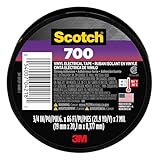
I remember staring under the hood of my old Civic, a spaghetti mess of wires and hoses. A small section of wire loom had split, exposing bare copper. My first thought? Grab that roll of black electrical tape from the garage junk drawer. It seemed like the quick fix, the DIY hero.
But then a little voice, or maybe just common sense, kicked in. This is the engine bay we’re talking about – it gets hotter than a two-dollar pistol in there. So, the question, ‘can i use electrical tape in engine bay,’ popped into my head, and I decided to dig a bit deeper than just slapping it on.
It’s easy to get creative when something breaks and you’re in a pinch. But sometimes, that creative fix can turn into a much bigger, more expensive problem down the road.
Why Your First Instinct Might Be Wrong
Look, I get it. Electrical tape is ubiquitous. It’s cheap, it’s everywhere, and it’s designed to insulate wires.
So, when you see a frayed wire or a split hose in the hot, greasy environment of your engine bay, reaching for it feels natural. I’ve been there. I’ve duct-taped things that probably shouldn’t have been duct-taped, all in the name of ‘getting it done.’ But the engine bay is a different beast.
The temperatures here can swing wildly, from freezing on a winter morning to well over 200°F (93°C) after a good run, especially near the exhaust manifold or turbo. Standard electrical tape, the kind you buy in a six-pack for a few bucks, is usually made from PVC (polyvinyl chloride). While it’s decent at insulating at room temperature, it’s not designed for sustained high heat. What happens?
It gets soft, sticky, and eventually melts or hardens and cracks. That sticky residue?
It attracts dirt and grime, making a mess and potentially causing new problems. The insulation properties degrade, leaving that exposed copper vulnerable to short circuits, corrosion, and ultimately, failure.
I once saw a guy’s car misfire constantly because the melted electrical tape on a spark plug wire boot had become conductive, shorting out the ignition. It looked like a melted tar blob. Not pretty, and definitely not effective.
What Actually Works (and What Doesn’t)
So, if standard electrical tape is out, what’s the real deal for engine bay repairs? You need products that can handle the abuse. For wiring, your best bet is high-temperature, self-fusing silicone tape.
This stuff isn’t sticky in the traditional sense; it chemically bonds to itself, creating a waterproof and heat-resistant seal. It’s more expensive than regular electrical tape, sure, but it’s designed for this environment.
It can withstand temperatures well over 500°F (260°C). Another option, especially for bundling wires neatly, is specialized automotive-grade loom tape.
This is often a cloth-backed tape with a more aggressive adhesive that can handle vibrations and heat better than standard electrical tape. For hoses, particularly coolant hoses or vacuum lines that might be under pressure or exposed to heat, a simple wrap of electrical tape is a recipe for disaster. It will likely split, leak, or even burst. (See Also: Can I Use Electrical Tape To Connect Wires )
For temporary fixes on hoses, you might use a high-temperature repair wrap or even a specialized hose repair kit. For a more permanent solution, you’re usually looking at replacing the hose. It might seem like overkill, but a coolant hose failure can lead to overheating, engine damage, and a roadside breakdown.
The cost of a new hose is peanuts compared to a new engine.
Here’s a quick rundown of what I’ve found useful and what’s just… not:
| Product Type | Engine Bay Suitability | Verdict |
|---|---|---|
| Standard PVC Electrical Tape | Poor | Avoid. Melts, degrades, attracts dirt. Big no-no for heat. |
| High-Temperature Silicone Tape | Excellent | The real deal for wiring insulation and sealing. Heat-resistant, waterproof. Worth the extra cash. |
| Automotive Loom Tape (Cloth-Backed) | Good | Great for bundling wires and offering some abrasion resistance. Better than standard tape. |
| Duct Tape | Terrible | Seriously, don’t. Melts, leaves residue, zero heat resistance. Just… no. |
| Zip Ties (UV Resistant) | Good | Not for insulation, but excellent for securing looms and components. Key. |
| Heat Shrink Tubing (High Temp) | Excellent | Professional way to insulate and protect wire splices. Needs a heat gun. |
The Dangers of That Cheap Roll
Let’s talk about the actual risks of using regular electrical tape in the engine bay. It’s not just about looking sloppy; it’s about creating fire hazards and causing expensive failures. Imagine a wire that’s supposed to be insulated, but the tape around it melts. That exposed copper can then touch another metal part of the engine, like the block or a bracket.
Boom – short circuit. This could blow a fuse, fry an electronic module (like your ECU, which costs hundreds, if not thousands, to replace), or even cause a small electrical fire.
I had a buddy who tried to tape up a leaky fuel injector o-ring with electrical tape. It lasted about twenty minutes before it dissolved in the gasoline and caused a massive leak, spraying fuel all over the hot engine.
Thankfully, it didn’t ignite, but he was lucky. The fumes alone were enough to make you sick. Beyond direct electrical shorts or fuel leaks, the melted goo from the tape can drip onto hot engine components or fans, causing nasty smells and potentially interfering with moving parts. It also makes any subsequent repair work a nightmare.
You have to painstakingly pick off sticky, burnt residue before you can even get to the actual problem. It’s like the tape itself is actively trying to sabotage your efforts.
The common advice you’ll find online is often a mixed bag, with some folks saying ‘if it’s not touching anything hot, it’s fine.’ I disagree. The engine bay is a dynamic place; wires move, components vibrate, and what’s not touching now might be later.
It’s better to be safe than sorry, and regular electrical tape is rarely the safe option.
Real-World Scenarios Where It Fails
I can’t stress this enough: the engine bay is a high-stress environment. Think about the constant vibration from the engine. Regular electrical tape, with its flexible but not overly strong adhesive, can start to peel or loosen over time. This creates small gaps where moisture, oil, or coolant can seep in.
Over time, this contaminants degrade the adhesive and the tape itself. Then there’s heat cycling. (See Also: Can Electrica Tape Catch On Fire )
Every time the engine heats up and cools down, the tape expands and contracts. Cheap PVC tape gets brittle when it’s cold and gooey when it’s hot, exacerbating this expansion and contraction. This leads to cracking.
I saw a perfectly good sensor wire insulation fail because the electrical tape holding a splice failed after about six months. The wire ended up corroding from road salt spray that got into the gap.
The sensor reading went haywire, causing the check engine light to come on. Replacing the sensor was a pain, but finding the root cause – the failed tape – was even more frustrating. Another common area where people misuse electrical tape is on exhaust heat shields or components near the exhaust.
These areas can get incredibly hot, far beyond what electrical tape can handle. It’ll melt, smoke, and potentially drip onto the exhaust, creating a fire risk.
I’ve heard stories of people using it to temporarily silence a rattling heat shield by wrapping it around the mounting point. It’s a terrible idea.
The heat will destroy the tape, and the rattle will return, likely worse.
The Contrarian View: When might It Be Okay?
Alright, here’s my contrarian take. Everyone says ‘never use electrical tape in the engine bay.’ And for the most part, they’re right. BUT, and this is a big but, there are a few very specific, very temporary situations where you might get away with it, assuming you’re fully aware of the risks and plan to replace it ASAP.
If you have a very minor nick on a wire that is nowhere near a heat source, is not important, and you need to get home, a single, clean wrap of good quality electrical tape might suffice for a few miles. I’m talking about a tiny abrasion on a wire that’s bundled with a dozen others, away from the exhaust and engine block.
The key here is ‘temporary’ and ‘minimal damage.’ I’m also talking about situations where you absolutely have no other option available, like being stranded on a back road with no tools and no auto parts store for fifty miles. In such a scenario, a temporary fix with electrical tape is better than leaving a wire exposed to the elements. However, the instant you can get to a proper solution – be it high-temp tape, heat shrink, or a new wire loom – you MUST remove the electrical tape. Don’t let it become a permanent, ticking time bomb.
It’s a band-aid, not a cure. I once had to use it on a small tear in a non-important sensor wire on a trail run.
It held for the drive back, but I replaced it with proper heat shrink the next day. It felt like a gamble, and I wouldn’t do it again unless I was truly desperate.
The Right Way to Protect Wires and Hoses
So, what does the ‘right way’ look like? It involves using materials designed for the automotive environment. For wiring, especially if you’re splicing or repairing damaged insulation, good quality heat shrink tubing is your best friend. You need to get the kind rated for automotive use, which typically has a higher shrink ratio and better temperature resistance. (See Also: Can I Substitute Duct Tape For Electrical Tape )
You’ll need a heat gun to apply it, but the result is a clean, durable, and well-insulated connection. For bundling wires together to prevent chafing and keep things tidy, I prefer UV-resistant zip ties. They’re cheap, effective, and don’t degrade in sunlight or heat as quickly as standard nylon ties. You can also get split loom tubing, which is a flexible plastic sleeve that you can wrap around wire harnesses.
It offers excellent protection against abrasion and minor impacts. If you’re dealing with hoses, especially cooling system hoses, and you find a small leak or a weak spot, the best long-term solution is always replacement. However, for a very minor, non-pressurized leak on a vacuum line, a temporary wrap with specialized self-fusing silicone tape can sometimes buy you some time. But again, this is a stopgap measure.
The engine bay can get dirty, oily, and hot. Any repair needs to withstand that.
If you’re not sure, err on the side of caution and use a product specifically designed for automotive underhood applications. Consulting your vehicle’s repair manual can also provide specific guidance on recommended materials and procedures for certain components. For instance, some sensors might have specific insulation requirements that standard tapes can’t meet.
People Also Ask: Electrical Tape in Engine Bay Faq
This section addresses some common questions people have about using electrical tape under the hood.
Is Electrical Tape Rated for High Temperatures?
Standard electrical tape, typically made from PVC, is generally not rated for the high temperatures found in an engine bay. While it provides insulation at room temperature, it can soften, melt, or become brittle and crack when exposed to sustained heat above 170°F (77°C), which is easily exceeded under the hood. This degradation compromises its insulating properties and can create a sticky mess.
Can Electrical Tape Cause a Fire in a Car?
Yes, it absolutely can. If the insulation on a wire fails due to heat or melting, the exposed conductive material can come into contact with other metal parts of the engine, causing a short circuit. This can blow fuses, damage electronics, or, in severe cases, ignite flammable materials under the hood, leading to a fire.
What Can I Use Instead of Electrical Tape in the Engine Bay?
For insulating wires, high-temperature self-fusing silicone tape or automotive-grade heat shrink tubing are excellent alternatives. For bundling wires, UV-resistant zip ties or split loom tubing are recommended. For temporary hose repairs, specialized high-temperature repair wraps or kits might be used, but replacement is always the best long-term solution.
How Long Does Electrical Tape Last in a Hot Environment?
Standard electrical tape’s lifespan in a hot environment like an engine bay is very short, often measured in weeks or months, if it lasts that long. The heat causes it to degrade, lose adhesion, become brittle, or melt, rendering it ineffective and potentially dangerous. It is not designed for long-term use under such conditions.
Verdict
So, to answer the question of whether you can use electrical tape in the engine bay: the short, blunt answer is usually no, you really shouldn’t. While it might seem like a quick fix in a pinch, the heat, vibrations, and potential for exposure to fluids make it a gamble that often doesn’t pay off. I’ve learned the hard way that sometimes the cheapest option ends up costing you the most.
Investing in materials specifically designed for automotive underhood use – like high-temp silicone tape or heat shrink tubing – is the smarter, safer, and ultimately more economical choice. It saves you from potential electrical fires, costly component damage, and the sheer frustration of a failed repair.
Next time you’re under the hood and something needs securing or insulating, take a moment to grab the right tool for the job. Your engine bay (and your wallet) will thank you. Don’t let that roll of cheap electrical tape be the weakest link in your vehicle’s complex systems.