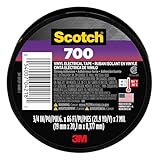
I remember staring at a mess of wires, a half-finished DIY project, and realizing I was out of those little plastic caps that go on wire ends. Panic set in. My brain immediately went to the roll of black electrical tape sitting right there. Can I use electrical tape instead of caps? It felt like a hack, a desperate measure. I’ve wasted enough money on projects that went south because I skimped on the right parts, so I’m always a bit wary of shortcuts.
This isn’t just about one project, though. It’s a question that pops up for a lot of folks trying to tidy up their electrical work, whether it’s for a temporary fix or a more permanent solution. Let’s cut to the chase: it’s not as simple as just wrapping things up.
Why You Might Think About Electrical Tape for Wire Ends
Look, the appeal is obvious. You’ve got bare wire ends sticking out. They look unfinished, maybe even a little dangerous. They could potentially touch something they shouldn’t, causing a short circuit or, worse, a shock. Caps, those little rubbery or plastic doodads, are designed to cover these exposed ends, providing insulation and a clean finish. They’re specifically made for this job. But when you don’t have them handy, and that roll of electrical tape is glaring at you, the thought is natural: can I use electrical tape instead of caps? It’s readily available, it sticks, and it’s got ‘electrical’ in the name, right?
I’ve been there. Picture this: I was wiring up a custom LED strip light under my kitchen cabinets. Everything was going great, the lights looked fantastic, but the little wire nuts I was supposed to use to cap off the unused leads were nowhere to be found.
The main power connection was solid, but these few extra bits of wire were just… there. Exposed. My first instinct was to grab the electrical tape. It’s flexible, it’s insulating to a degree, and it’s designed for electrical applications.
I figured a few wraps would do the trick, keep everything neat and safe until I could get to the hardware store. That’s the logic most people go with. It’s a common impulse because, on the surface, it seems like a logical substitution.
It’s a quick fix that feels like it’s doing the job.
The reality, however, is a bit more nuanced. While electrical tape can offer some degree of insulation, it’s not designed for the same long-term, solid protection that wire caps or connectors provide.
For very low-voltage, non-important applications where you just need to keep a stray strand from touching something, it might seem to work. But relying on it for anything more substantial is where things can get dicey.
The main difference lies in the material properties and the intended use. Wire caps are often made of tougher plastics or rubber compounds designed to withstand physical stress and maintain their insulating properties under various conditions.
Electrical tape, while good for its intended purpose of wrapping connections and providing a basic layer of insulation, can degrade over time, especially when exposed to heat, moisture, or physical abrasion. This degradation can lead to the tape loosening, cracking, or losing its effectiveness, leaving the wire exposed once again.
So, while the impulse is understandable, the effectiveness and safety of using electrical tape as a substitute for proper wire caps are questionable at best, and potentially dangerous at worst. It’s a bit like using duct tape to fix a leaky pipe instead of a proper plumbing clamp – it might hold for a little while, but it’s not a long-term or reliable solution. (See Also: Can I Use Electrical Tape To Connect Wires )
The Science (or Lack Thereof) Behind the Hack
Let’s talk about what electrical tape actually does and why it falls short as a cap replacement. Electrical tape, typically made from vinyl (PVC), is designed to be a primary insulator for wire splices and connections. Its primary function is to provide a protective barrier against electrical current. It has good dielectric strength, meaning it can withstand a certain voltage before breaking down. This is why it’s used to wrap around the metal part of a wire nut connection, adding an extra layer of security. It’s flexible, allowing it to conform to odd shapes, and it has a rubber-based adhesive that sticks well to itself and most electrical surfaces.
The problem arises when you try to use it as a cap. A cap, like a wire nut or a specialized end cap, is designed to physically enclose and protect the entire exposed end of a wire. It’s a physical barrier. Wire nuts, for instance, are typically conical and screw onto the stripped wire ends, twisting the strands together and providing a secure, insulated enclosure. End caps, often made of silicone or rubber, simply slip over the bare wire end. They are molded to create a snug fit and offer solid protection against accidental contact and environmental factors. They create a sealed environment for the wire end.
Electrical tape, on the other hand, is a flexible film. When you wrap it around a wire end, you’re basically creating a layered sleeve. While each layer of tape has insulating properties, the effectiveness of the entire wrap depends heavily on how well it’s applied. Gaps, wrinkles, or insufficient overlap can leave pathways for moisture or conductive dust to ingress. Moreover, the adhesive on electrical tape, while strong, isn’t designed to create a permanent, watertight seal. Over time, especially in environments with fluctuating temperatures or humidity, the adhesive can lose its tackiness, and the tape can begin to unravel. This is a stark contrast to the mechanical grip and molded seal of a proper cap.
My own experience with this, though not a catastrophic failure, was telling. I used electrical tape on some low-voltage speaker wires in my garage workshop. Months later, during a particularly humid spell, I noticed the tape felt a bit sticky and loose. One of the wires had started to poke out slightly. It didn’t cause a problem this time, but it highlighted how the tape just doesn’t provide that consistent, rigid, and sealed protection that a purpose-built cap does. It’s a temporary patch, not a permanent solution. The common advice often overlooks the material science: tape is a wrapper, caps are enclosures. They serve different roles, even if they both involve insulation.
When Electrical Tape might Be a Temporary Fix (and When It’s a Hard No)
Let’s be brutally honest here. In a pinch, for a very, very temporary situation, and with significant caveats, electrical tape might serve as a stopgap. I’m talking about situations where the wires are extremely low voltage, not going to be touched, are in a completely dry environment, and you absolutely cannot get proper caps or connectors for a day or two. Think of it like this: if you’re trying to keep a single, stray strand of copper from poking out of a wire nut that’s already on a connection, a single wrap of electrical tape might secure that one rogue strand temporarily.
Or, if you’re working on something like a battery terminal for a toy that’s already disconnected and you just want to prevent accidental shorts while you move it, it could offer minimal protection. But even then, I’d be twitchy.
Here’s where it becomes a definitive NO:
- Mains voltage or higher: Anything connected to household power (120V, 240V, etc.) is a hard no-go. The risk of shock or fire is far too high. Electrical tape’s insulating properties, while decent, are not designed to reliably handle the continuous stress and potential surges of mains power, especially if compromised by age or environmental factors.
- High-current applications: Even if it’s low voltage, if the wires are carrying significant amperage, heat can become an issue. Electrical tape isn’t designed to handle prolonged heat buildup. It can soften, melt, or degrade, compromising the connection.
- Outdoor or damp environments: Moisture is the enemy of any electrical connection. Electrical tape does not create a waterproof seal. Water can seep under the tape, corroding the wires and creating a path for electrical current, which can lead to shorts or electric shock.
- Areas subject to vibration or physical stress: The adhesive on electrical tape can be weakened by constant movement or friction. If the wires are in a location where they might be jostled, the tape is likely to loosen or peel off, exposing the wire ends.
- Permanent installations: For anything you want to be reliable and safe long-term, electrical tape is not the answer. It’s a temporary fix, and even then, a questionable one.
I once saw a guy try to use electrical tape to insulate the exposed ends of a power supply for a small amplifier he was building. He figured it would be fine since it was inside a closed case. Big mistake. The heat from the power supply, combined with the inherent limitations of the tape, caused it to soften and sag. Eventually, a loose strand of wire made contact with the metal chassis. Fried components, a puff of smoke, and a very sheepish look on his face. It cost him way more to fix than a few cents for proper connectors would have.
Real-World Applications and Common Mistakes
Let’s ground this in what people actually do and where they screw up. Most DIYers, myself included in my younger, more reckless days, reach for electrical tape when they’re out of wire nuts or end caps. It’s the quick-and-dirty solution to make a messy wire end look a little less messy or feel slightly less dangerous. A common mistake is believing that because it’s ‘electrical’ tape, it’s a universal insulator for all electrical situations. It’s not. It’s for wrapping connections, adding a layer of insulation to exposed metal that is already mechanically secured and insulated by something else, like a wire nut.
Another big mistake is the application itself. People often just wrap a few haphazard turns around the wire end, leaving gaps or not overlapping enough.
This provides minimal protection. For it to even marginally work, you need to wrap it tightly, overlapping each turn by at least half, and extend the wrap well down the insulated portion of the wire. Even then, it’s still a compromise. (See Also: Can Electrica Tape Catch On Fire )
The tape can stretch and thin out, and the adhesive can fail over time. Think about the sheer variety of wire caps out there: twist-on wire nuts, crimp connectors, heat shrink tubing, specialized end caps.
Each is designed for a specific purpose and environment, offering a level of reliability that a simple tape wrap can’t match.
I made a classic mistake once when I was wiring up a small outdoor lighting system. I’d run out of waterproof wire connectors for a few of the low-voltage splices.
My brilliant idea? Wrap them thoroughly with electrical tape, then add a layer of regular plastic wrap for good measure. It seemed so clever at the time – double protection!
Within a few months, the rain had gotten to it. The tape became gummy, the plastic wrap was ripped, and the bare copper wires were exposed and starting to corrode. It was a disaster waiting to happen.
I had to re-do all those connections with proper waterproof connectors. Lesson learned the hard way: don’t improvise on outdoor electricals, and don’t assume tape is a substitute for purpose-built connectors, especially for weatherproofing.
Here’s a quick rundown of common mistakes and better alternatives:
| Situation | Mistake (Using Electrical Tape) | Better Alternative | Verdict |
|---|---|---|---|
| Connecting two wires together | Wrapping exposed ends individually with tape. | Wire nut or WAGO connector. | Tape is for reinforcing a connection, not making one. |
| Terminating a single wire end (e.g., unused wire) | Wrapping the bare end with tape. | Wire nut, end cap, or heat shrink tubing. | Caps provide physical enclosure and better insulation. |
| Outdoor or wet locations | Using tape alone or taped wire nuts. | Waterproof wire nuts or heat shrink tubing with sealant. | Tape offers zero water resistance. |
| High heat or vibration environments | Relying on tape. | High-temperature rated connectors, mechanical locks. | Tape degrades quickly under stress. |
The takeaway is that while electrical tape has its uses, it’s rarely, if ever, the right tool for the job of capping a wire end on its own. It’s a supporting actor, not the star.
Why Proper Wire Caps Are Worth the Small Cost
Let’s talk about money for a second. A pack of 50 wire nuts might cost you a couple of bucks. A roll of decent electrical tape? Maybe $5-$10.
You might think you’re saving money by using tape, but when you factor in the potential for failure, the need for re-work, and the risk of damage or injury, that small investment in proper caps is insignificant. I learned this lesson the hard way on a project that involved running some temporary holiday lights. I ran out of the proper connectors and used electrical tape on a few exposed wire ends. Fast forward a month, and a storm rolled through.
The tape had degraded, water got in, and I had a short that took out a circuit breaker. Not to mention the potential for a shock hazard. The cost to fix the breaker and the time spent troubleshooting was way more than the cost of a small pack of waterproof connectors. (See Also: Can I Substitute Duct Tape For Electrical Tape )
Proper wire caps and connectors are designed with specific materials and construction to make sure safety and reliability. Wire nuts, for example, are made of durable plastic that’s resistant to cracking and corrosion. Their internal spring or thread design provides a secure mechanical connection that holds the wire strands together, preventing them from loosening. Specialized end caps are often made of rubber or silicone, which create a flexible, yet durable, seal over the wire end. Heat shrink tubing, when applied correctly with a heat gun, forms a tight, insulated, and often waterproof barrier around the connection.
The National Electrical Code (NEC) in the US, and similar standards in other countries, specify the use of approved connectors for electrical installations. While the NEC might not explicitly forbid using electrical tape as a sole means of capping a wire end (because it’s generally understood not to be suitable for that purpose), it mandates that all connections must be made with approved devices that provide adequate insulation and protection. Using electrical tape in this manner would likely be considered a violation of these safety standards. For instance, the Occupational Safety and Health Administration (OSHA) emphasizes the importance of proper insulation and grounding to prevent electrical hazards. Relying on a makeshift solution like electrical tape for insulation instead of approved caps can lead to non-compliance and, more importantly, significant safety risks.
I’ve seen everything from loose strands peeking out of poorly wrapped tape to entire wraps coming undone, exposing live wires. It’s not worth the gamble. The few dollars you save on a pack of wire nuts or end caps is a drop in the bucket compared to the peace of mind and safety you gain. When you’re dealing with electricity, especially anything beyond the lowest of low voltages, using the right tool for the job isn’t just about efficiency; it’s about safety. So, to answer the question ‘can i use electrical tape instead of caps?’ directly: no, not if you want a safe, reliable, and code-compliant result.
Is Electrical Tape Safe for All Wire Connections?
No, electrical tape is not safe for all wire connections as a sole means of insulation or capping. It’s designed to wrap around existing insulated connections for added protection, not to replace proper connectors or caps on bare wire ends. Its effectiveness can degrade over time, and it doesn’t provide a solid physical barrier against environmental factors or damage.
Can Electrical Tape Be Used to Insulate a Single Wire End Temporarily?
While it might offer minimal, very temporary insulation in extremely low-voltage, non-important, and dry situations, it’s not recommended. The tape can stretch, leave gaps, and its adhesive can fail, leading to exposure. Proper end caps or wire nuts are always the safer and more reliable choice, even for temporary needs.
What Are the Risks of Using Electrical Tape Instead of Wire Caps?
The risks include electrical shock, short circuits, fire hazards, corrosion of wires, and connection failure. Electrical tape can degrade, lose adhesion, and does not provide a secure, sealed enclosure, compromising the safety and integrity of the electrical system over time.
How Many Layers of Electrical Tape Are Needed to Be Safe?
There’s no specific number of layers that guarantees safety when using electrical tape as a substitute for caps. The material properties and application method are inherently less reliable than purpose-built connectors. Even multiple layers can fail due to stretching, gaps, or environmental degradation, making it an unsafe practice for most applications.
Final Thoughts
So, there you have it. Can I use electrical tape instead of caps? The short, blunt answer is no. While that roll of electrical tape might seem like a handy substitute when you’re in a bind, it’s a compromise that almost always leads to trouble down the line. It’s not designed for the same protective, long-term job that proper wire caps or connectors are built for.
I’ve seen too many dodgy connections that started with a hack like this end up causing problems, from minor annoyances to actual hazards. The cost of a few wire nuts or end caps is negligible compared to the potential headaches and dangers of relying on tape. Always reach for the right tool for the job when it comes to your electrical work.
My advice? Before you even think about reaching for that roll of tape to cap off a wire, take a deep breath and either go get the right connectors or stop the project until you can. Your future self, and anyone who might come into contact with your wiring, will thank you for it.