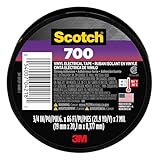
I remember staring at that fraying cord on my old stereo, sparks threatening to jump. My first thought, like probably yours right now, was: can I use electrical tape? It’s that ubiquitous black roll sitting in toolboxes everywhere. It looks like it can fix anything, right? But let me tell you, I’ve learned the hard way that looks can be deceiving. I’ve wasted money and time on products that promised miracles but delivered disappointment. This isn’t going to be corporate fluff; this is the real deal from someone who’s been there, done that, and probably cursed a little too much along the way.
We’re going to cut through the noise and figure out what electrical tape is actually good for, where it falls flat, and when you absolutely shouldn’t touch it with a ten-foot pole. Because frankly, some advice out there is just plain wrong, and your gadgets deserve better.
So, What’s the Actual Deal with Electrical Tape?
Let’s get down to brass tacks. Electrical tape, at its core, is designed to insulate electrical wires. Think about it: you’ve got a hot wire, a neutral wire, and maybe a ground. If those bare metal strands touch each other, bad things happen.
Fires, shocks, blown fuses – the whole unpleasant package. Electrical tape is supposed to be the barrier, the bodyguard for your circuits.
The magic ingredient, usually, is PVC (polyvinyl chloride). This stuff is a decent insulator and it’s got a good amount of stretch, which is key for wrapping snugly around irregular shapes.
It also has a specific adhesive that’s designed not to become a sticky mess when things get a little warm, which, let’s face it, wires sometimes do. I’ve seen cheaper tapes turn into goo faster than you can say ‘short circuit’.
The common advice you’ll hear everywhere is that it’s for electrical insulation, end of story. And yeah, that’s its primary job. But the real question isn’t just what it’s for, but how well it does that job, and what else it can do, and more importantly, what it shouldn’t do.
I once tried to use a roll of generic ‘electrical’ tape to seal up a leaky garden hose. It looked okay for about an hour, then it started to peel away and attract every bit of dirt and leaf within a 10-foot radius. Lesson learned. Not all tapes are created equal, and ‘electrical’ in the name doesn’t mean it’s a universal fixer.
We’re talking about a specific material with specific properties, and understanding those properties is what separates a quick fix from a future problem.
Why Everyone Thinks You Can Use Electrical Tape for Everything (and Why They’re Mostly Wrong)
This is where I get a little grumpy. You see it everywhere: duct tape holding a car together, packing tape sealing a leaky window, and yes, electrical tape being used for… well, anything that needs sticking. I’ve seen people use it to temporarily fix a cracked phone screen, to hold a broken strap on a bag, even to wrap around a leaky pipe under the sink.
And sure, in a pinch, it might look like it’s doing the job for a little while. But that’s the dangerous part.
It’s the illusion of a fix. Electrical tape’s adhesive isn’t designed for structural integrity or long-term exposure to UV light, moisture, or significant temperature swings outside of what a wire might experience. It gets brittle in the cold and can sag or melt in the heat.
It’s like using a silk scarf to tow a truck – it might look pretty, but it’s going to fail when it matters most.
My own personal ‘aha!’ moment came when I was trying to tidy up a bunch of cables behind my entertainment center. I had some old electrical tape lying around, and instead of buying proper cable ties, I figured, ‘Hey, it’s flexible, it sticks, why not?’ It worked, for about three months.
Then, the heat from the TV and receiver made the adhesive ooze out, leaving a sticky, black residue all over the cables and the wall. It looked like a spider had a very messy party. Cleaning it up was a nightmare, far worse than just using proper cable ties or Velcro straps. (See Also: Can I Use Electrical Tape To Connect Wires )
It also made the cables feel… greasy. I realized then that even for something as simple as cable management, electrical tape is the wrong tool.
It’s like using a butter knife to saw through a 2×4. You might get through it eventually, but you’ll make a mess and likely break the knife.
The common advice here is to use it for temporary fixes on non-electrical items. I disagree. While it can be used for temporary fixes, it’s often a bad idea. Why? Because it leaves residue, it degrades, and it can look incredibly unprofessional. Unless the item is headed straight for the trash and you don’t care what it looks like, avoid it. There are far better, purpose-built tapes for almost every non-electrical task. Trying to be cheap and using electrical tape for everything is a false economy. You end up spending more time and effort cleaning up the mess it inevitably makes.
What to Look for When You actually Need Electrical Tape
Okay, so we’ve established that electrical tape has a job, and it’s not to hold your life together. When you do need it for its intended purpose – insulating electrical connections – there are a few things to keep in mind.
First off, quality matters. I’ve learned to stick with reputable brands. Scotch Super 33+ or 3M Temflex are the kinds of tapes I reach for.
They’re a bit more expensive, sure, maybe an extra dollar or two a roll, but they’re worth every penny. They stay flexible, the adhesive is reliable, and they don’t turn into a gooey mess.
I once bought a no-name brand that felt suspiciously thin and stiff. Wrapped it around a wire, and it looked like a child had tried to put a bandage on it – lumpy and insecure. It also started to peel away within a week.
Look for the voltage rating and temperature range. Most standard electrical tapes are rated for low-voltage applications (like household wiring) and can handle typical operating temperatures. If you’re working on something high-voltage or that gets really hot, you’ll need specialized tapes like high-voltage splicing tape or even silicone tape.
Don’t guess. Check the packaging. The tape should feel supple and stretchy when you unroll it.
If it feels brittle or cracks when you bend it, put it back on the shelf. The adhesive should be tacky but not so sticky that it’s impossible to reposition slightly without tearing the tape or leaving a glob. A good electrical tape will conform smoothly to the wire, creating a smooth, insulated finish.
It’s this conformability that makes it good for wrapping connectors and joints without leaving gaps where moisture or debris could get in. This is key for preventing corrosion and maintaining a good connection over time.
I also learned that the thickness of the tape plays a role. Thicker tapes offer more insulation per wrap, meaning you might need fewer layers for adequate protection. Some tapes are specifically designed for more demanding applications and are noticeably thicker. For general home repairs on low-voltage stuff, a standard thickness is usually fine, but if you’re unsure, a slightly thicker option can provide that extra peace of mind. It’s about building layers of protection, and the quality of those layers makes a big difference in how long your repair will last. Think of it like building a wall; you wouldn’t use flimsy bricks, would you?
Common Mistakes People Make with Electrical Tape
The biggest mistake, hands down, is using it as a cure-all. I’ve touched on this, but it bears repeating because I see it constantly.
People wrap a loose wire on their car battery with it, thinking it’ll hold. It won’t. The vibration and heat will tear it apart. (See Also: Can Electrica Tape Catch On Fire )
They use it to secure a label on a jar, and the label falls off after a week. It’s the Swiss Army knife fallacy – just because it has a lot of tools doesn’t mean it’s the best tool for any single job. The adhesive on electrical tape is designed to bond to itself and to electrical insulation, not necessarily to plastic, metal, or glass long-term, especially under stress or in varying environmental conditions.
It’s a pressure-sensitive adhesive, meaning it needs consistent pressure to stick well, and that pressure can be lost over time due to temperature changes or physical movement.
Another common blunder is not overlapping the tape enough or not stretching it properly as you wrap. Electrical tape needs to overlap by at least half its width to create a continuous insulating barrier. If you leave gaps, you’ve defeated the purpose.
And you should stretch it slightly as you wrap. This not only makes it conform better to the shape of the wire but also helps activate the adhesive and makes the tape less likely to unpeel later.
But don’t overstretch it to the point where it gets thin and might break. It’s a delicate balance. I once tried to wrap a particularly awkward connector and didn’t stretch the tape enough, leaving little ridges and valleys.
It looked terrible and I knew it wasn’t making a solid seal. Ripping it off and redoing it with a bit of tension was a much better result.
Then there’s the issue of heat and UV. Electrical tape degrades over time when exposed to sunlight or excessive heat. The PVC becomes brittle, and the adhesive can break down. So, using it for outdoor applications where it’ll be exposed to the elements is a recipe for failure. You’ll end up with cracked, peeling tape that offers zero protection. For outdoor or high-heat jobs, you need tapes specifically rated for those conditions, like UV-resistant vinyl tapes or even specialized tapes like mastic tape or silicone tape. These are designed to withstand much harsher environments than your standard black electrical tape.
Real-World Use: Where Electrical Tape Actually Shines
Alright, let’s talk about where electrical tape actually does its job, and does it well. Its primary, undisputed champion arena is insulating electrical splices and connections. Think about joining two wires together, like when you’re replacing a light fixture or fixing an appliance cord.
After you’ve made the mechanical connection (using wire nuts, crimp connectors, or solder), you wrap the joint with electrical tape to provide that extra layer of insulation and protection. For low-voltage household wiring, this is perfectly adequate and, when done correctly, very safe. The tape’s stretchiness helps it conform to the odd shapes of wire nuts or connectors, sealing out dust and moisture.
I’ve used it countless times in my old house for minor electrical work, and those connections have held up perfectly for years.
It’s also great for bundling wires together, but not in that messy, sticky way I tried earlier. I’m talking about using it properly. Wrap a section of wires neatly, overlapping generously, to keep them organized and prevent them from snagging on things. This is especially useful when you’re working on something like a car’s wiring harness or behind a complex piece of machinery. It provides a secure bundle that’s less likely to come apart than a loose collection of wires. A good wrap of electrical tape can prevent individual wires from chafing against each other or sharp edges, which can lead to shorts down the line. It’s a small step, but it can prevent bigger headaches.
Another niche but useful application is its use as a temporary insulator on tool handles or grips. If the rubber or plastic on a tool handle starts to feel a bit slick or worn, a few wraps of electrical tape can restore some grip and comfort.
It’s not as durable as specialized grip tape, but for a quick fix on a screwdriver or pliers, it’s perfectly fine. I’ve done this on a few old screwdrivers that had cracked handles.
It wasn’t pretty, but it made them usable again without having to buy new ones. It’s these kinds of small, practical fixes where electrical tape earns its keep. It’s also good for marking wires. Different colors exist, but even black can be used to denote a specific type of wire or connection that you might need to identify later. (See Also: Can I Substitute Duct Tape For Electrical Tape )
For example, marking the hot wire if you have multiple similar-looking cables.
Here’s a quick comparison of tape types, just to hammer home the point:
| Tape Type | Primary Use | Pros | Cons | Verdict |
|---|---|---|---|---|
| Electrical Tape (Vinyl) | Electrical insulation, wire bundling | Flexible, good insulator for low voltage, relatively inexpensive | Degrades in UV/heat, leaves residue, not structural | Good for its intended electrical job, bad for general use. |
| Duct Tape | General repair, sealing, temporary fixes | Strong adhesive, water-resistant, widely available | Leaves sticky residue, not good for electrical insulation, can degrade | Great for quick, non-important repairs; avoid near electronics. |
| Packing Tape | Sealing boxes, light-duty bundling | Clear, strong for its weight, inexpensive | Not durable, poor adhesion to many surfaces, poor weather resistance | Only for shipping boxes and similar light tasks. |
| Gorilla Tape (or similar heavy-duty tape) | Heavy-duty repair, sealing, bonding | Extremely strong adhesive, durable, weather-resistant | Can be hard to remove, expensive, overkill for many jobs | Excellent for tough, lasting repairs where strength is key. |
| Masking Tape | Painting, light-duty holding | Easy to tear, removes cleanly from most surfaces | Low adhesion, not water-resistant, not durable | Only useful for temporary holding or painting. |
Practical Tips for Using Electrical Tape Correctly
Let’s say you’ve got a genuine electrical job that needs doing. First off, always turn off the power. I cannot stress this enough. Before you even think about touching a wire, kill the breaker. Double-check with a non-contact voltage tester. It’s a cheap little gadget that can save your life. I learned this the hard way after a nasty shock from what I thought was a dead circuit. Turns out, I’d missed one of the wires. My fault entirely, but a solid reminder that electricity doesn’t mess around. Safety first, always.
When you’re wrapping, start a little before the end of the connection point and work your way past it, making sure you have good coverage. Overlap each subsequent wrap by at least half the width of the tape. This creates a smooth barrier. Gently stretch the tape as you wrap.
This helps it adhere properly and creates a snug, professional-looking finish. If you’re wrapping a joint, try to keep the tension consistent. Think of it like wrapping a present; you want it smooth and tight.
Some people like to do two layers of tape, with the second layer wrapped in the opposite direction of the first. This adds an extra layer of security and makes sure any minor gaps in the first layer are covered.
Clean the surface you’re applying the tape to. If the wire or connector is dirty, greasy, or damp, the tape won’t stick well. A quick wipe with a clean cloth, or even a bit of isopropyl alcohol for stubborn grime, can make a big difference. Make sure the tape is stored properly. Keep it in a cool, dry place away from direct sunlight. Old, dried-out tape is useless and can be a hazard. If the roll feels brittle or the adhesive is hardened, it’s time to toss it and get a fresh one. Following these simple steps will make sure your electrical tape job is effective and safe, rather than a potential future problem.
Can Electrical Tape Be Used as a Permanent Repair?
No, electrical tape is generally not recommended for permanent repairs, especially on important electrical components or in environments with extreme temperatures or UV exposure. While it provides good insulation for its intended purpose, its adhesive can degrade over time, and the material itself can become brittle. For permanent fixes, use appropriate connectors, heat shrink tubing, or other specialized materials designed for long-term reliability.
Will Electrical Tape Hold Up Outdoors?
Standard vinyl electrical tape is not designed for long-term outdoor use. Exposure to UV rays from the sun and varying temperatures can cause it to become brittle, crack, and peel. If you need to insulate outdoor electrical connections, look for tapes specifically rated for outdoor use or UV resistance, or use materials like heat shrink tubing or outdoor-rated splice kits.
What Is the Difference Between Electrical Tape and Duct Tape?
The primary difference lies in their composition and intended use. Electrical tape is made from PVC and is designed to be a flexible electrical insulator. Duct tape is typically made of fabric mesh coated with polyethylene and a strong adhesive, making it water-resistant and suitable for general-purpose repairs and sealing, but it is NOT an electrical insulator and can be a fire hazard if used on wires.
Can I Use Electrical Tape on a Hot Wire?
You can use electrical tape on a wire that gets warm during normal operation, as it’s designed to handle typical operating temperatures of electrical circuits. However, it’s not suitable for extremely high-heat applications. If a wire is getting excessively hot, it usually indicates an underlying problem that needs to be addressed, such as an overloaded circuit or a faulty connection, rather than just a simple tape job.
How Many Layers of Electrical Tape Should I Use?
For most low-voltage applications, two to three layers of electrical tape, with each layer overlapping the previous one by at least half the tape’s width, are sufficient. Make sure the tape is stretched slightly as you wrap to create a smooth, tight seal. For higher voltage applications or more demanding environments, more layers or specialized tapes might be necessary. Always consult the tape manufacturer’s specifications or relevant electrical codes if you’re unsure.
Final Verdict
So, can I use electrical tape? Yes, but only for its intended purpose: insulating electrical connections and bundling wires for low-voltage applications. It’s a handy tool in the electrician’s kit, but it’s not a miracle adhesive for every problem you encounter. Trying to use it for everything else is like using a screwdriver as a hammer – it might get the job done in a pinch, but you’re likely to damage both the tool and whatever you’re working on. Stick to the right tool for the job.
I’ve learned that wasting a few extra bucks on the right kind of tape—be it proper electrical tape from a good brand, heavy-duty tape for outdoor repairs, or even just simple zip ties for cables—saves you a ton of headaches, sticky messes, and potential safety hazards down the line. The cost of failure, both in time and potential damage, far outweighs the small savings you might get from using the wrong thing.
Next time you reach for that roll of black tape, take a second. Is this a real electrical job? If not, put it back. Find the tape or fastener that was actually designed for what you’re trying to fix. Your future self, and whatever you’re repairing, will thank you for it.