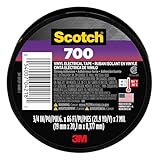
Remember that time I was trying to fix a janky trailer light wiring harness with a pile of old electrical tape? Yeah, good times. That whole job took me about three hours longer than it should have, and by the end, I was staring at a mess that looked like a mummy had a fight with a bird’s nest. It made me seriously question if I could just use what I had lying around – electrical tape – instead of bothering with heat shrink tubing. The short answer, as I learned the hard way, is… it depends. But mostly, no. Not if you want a job that actually lasts.
This whole debate about whether can i use electrical tape in place of heat shrink comes up a lot, especially when you’re in the middle of a project and realize you’re out of the ‘proper’ stuff. We’ve all been there, staring at a spool of black tape and a pile of bare wire, wondering if creativity counts for something in electrical work.
Let’s get this straight right off the bat: electrical tape and heat shrink tubing are NOT interchangeable for most jobs. Anyone who tells you otherwise is either incredibly lucky or hasn’t pushed their repairs to the limit. I’ve wasted enough money and time on shoddy fixes to know the difference. Heat shrink, when applied correctly, forms a rigid, protective, and electrically insulating seal. Electrical tape, on the other hand, is… well, it’s tape. It stretches, it gets gummy, and it eventually peels off or cracks, leaving your wires exposed to the elements. Think of it like trying to build a waterproof roof with cling film versus proper shingles. Both cover, but only one protects long-term.
Why Electrical Tape Is Usually a Crappy Substitute
So, why the big fuss about heat shrink? It’s all about the materials and how they’re designed to perform. Heat shrink tubing is typically made from a type of plastic, often polyolefin or PVC, that’s been extruded and then expanded. When you apply heat – whether from a heat gun, a lighter (carefully!), or even a hot soldering iron tip – it shrinks down tightly around the wire or connection. This process creates a snug, almost molded-fit insulation. It’s durable, resistant to abrasion, and often offers better protection against moisture and chemicals than a simple wrap of tape.
Electrical tape, specifically vinyl electrical tape (the most common kind), is designed for temporary insulation of low-voltage wires. It’s stretchy, which is great for conforming to irregular shapes, but that’s also its downfall. Over time, the plasticizers that make it flexible can leach out, especially when exposed to heat or sunlight. This makes the tape brittle and prone to cracking. I once had a set of speaker wires I’d ‘fixed’ with electrical tape in my old pickup. After a couple of hot summers and cold winters, the tape just disintegrated, exposing the copper and causing a dead speaker. Not ideal when you’re halfway to your destination.
Moreover, the adhesive on electrical tape isn’t designed for extreme temperatures or long-term bonding. It can soften and become sticky when hot, and lose its grip when cold. This means your ‘insulated’ connection can easily come undone. I’ve seen DIY projects where layers and layers of electrical tape were applied, hoping to build up enough thickness to compensate. It just ends up looking like a lumpy bandage and offers surprisingly little real protection. It’s a temporary band-aid, not a permanent solution.
When Electrical Tape Might Actually Be Okay (but Still Not Great)
Now, before you throw out all your electrical tape, there are a few niche scenarios where it might serve a purpose, though I’d still reach for heat shrink if at all possible. Think of these as emergency situations or for very low-stakes applications. If you’re working on a project that will be completely enclosed, won’t be moved, won’t experience significant temperature fluctuations, and is low-voltage (like maybe a simple LED strip light inside a cabinet that you’ll never touch), electrical tape could suffice. It provides some level of insulation and stops accidental short circuits if you brush against something. (See Also: Can I Use Electrical Tape To Connect Wires )
I’ve used it in a pinch to temporarily secure a wire that had lost its loom clip, just to stop it from flapping around while I was driving. That wasn’t about insulation; it was about preventing mechanical stress on the wire. Another time, I needed to join two thin gauge wires for a small garden light that was destined to be buried under mulch and forgotten. I used a proper crimp connector and then wrapped the whole thing with a few layers of good quality electrical tape. It held up for about two years before it started looking suspect, but for a cheap light that probably wouldn’t have lasted much longer anyway, it was ‘good enough’.
The key here is understanding the limitations. Electrical tape’s primary job is short-term insulation on low-voltage circuits. It’s not meant to withstand vibration, significant pulling forces, direct sunlight, or wide temperature swings. If your repair is going to be under any kind of stress, electrical tape is going to fail you. It’s like using duct tape to fix a leaky radiator hose – it might stop the drip for a few minutes, but you’re on borrowed time.
The Proper Way: Heat Shrink and Its Cousins
Alright, so we’ve established that electrical tape is a dodgy substitute. What’s the right way to go? For most electrical connections where you need proper insulation and protection, heat shrink tubing is your best friend. It comes in various sizes – you buy it slightly larger than the wire or connector it needs to cover, and it shrinks down to form a tight seal. The shrink ratio tells you how much it will shrink; a 2:1 ratio means it will shrink to half its original diameter. There are also different types: general purpose, heavy-duty, flame-retardant, and even adhesive-lined for extra waterproofing. The adhesive-lined stuff is gold for outdoor or marine applications.
The process is simple: slide the heat shrink over the wire before you make the connection. Crimp or solder your wires, slide the heat shrink over the joint, and then apply heat evenly. A heat gun is ideal, but a powerful hairdryer or even a carefully used lighter can work for small jobs (just don’t scorch the plastic or melt the wire insulation underneath!). It shrinks down, seals the connection, and looks professional. It’s a few extra minutes of work that pay dividends in reliability.
But heat shrink isn’t the only game in town. For very simple, straight wire splices, especially in automotive or appliance repair, butt connectors are common. These are metal sleeves you insert the stripped wire ends into and then crimp them down with a special tool. They provide a solid electrical connection, but they don’t offer insulation on their own. That’s where heat shrink usually comes in again, or sometimes specialized electrical tape is used over the butt connector for a bit of protection. Another option is crimp sleeves, which are similar but often used for larger gauge wires or when you need a more solid mechanical connection in addition to electrical conductivity.
For wire nuts in household wiring, those are designed to twist onto wires and provide both connection and insulation. But they have specific applications and aren’t for every wire type or situation. The key takeaway is to use the right tool for the job. If the job requires a durable, permanent, and protective seal, heat shrink is usually the superior choice over electrical tape. (See Also: Can Electrica Tape Catch On Fire )
Common Mistakes When Using Electrical Tape (and Why It Fails)
I’ve seen people make some truly spectacular blunders with electrical tape. The most common one is not using enough layers. They’ll wrap it around once or twice, thinking it’s good enough. But electrical tape isn’t that thick, and those few layers don’t provide much protection against abrasion or pinching. You often need at least three to four good, overlapping wraps for even minimal protection.
Another mistake is stretching the tape too much as you wrap it. While a little stretch helps it conform, over-stretching weakens the tape and can cause it to snap or lose its adhesive properties prematurely. You want to wrap it firmly but without pulling it to its limit. Think of wrapping a gift; you want it smooth and taut, not strained.
Then there’s the issue of overlapping. You need to overlap each turn of tape by at least half the width of the tape to make sure there are no gaps. If you leave gaps, moisture and dirt can creep in, compromising the connection. And for goodness sake, don’t use old, dried-out electrical tape. If the roll feels stiff or the tape is peeling off the core in brittle strips, throw it away. It’s useless.
One mistake I made myself years ago was relying on electrical tape for a connection that was subject to vibration. I was fixing a small motor on a tool, and I just wrapped the wire connection. Within a few weeks, the constant rattling had worked the tape loose, and the connection started arcing. Sparks! Not something you want happening with exposed wires. That’s a situation where a proper, secure connection with heat shrink or a good connector is absolutely vital. You can’t just slap tape on something that’s going to shake itself apart.
Electrical Tape vs. Heat Shrink: A Direct Comparison
Here’s a table that breaks down why heat shrink usually wins, and where electrical tape falls short. This isn’t just my opinion; it’s based on years of doing things the hard way so you don’t have to.
| Feature | Heat Shrink Tubing | Electrical Tape (Vinyl) | Verdict |
|---|---|---|---|
| Insulation Quality | Excellent, durable, consistent | Fair to Poor, can degrade | Heat Shrink Wins |
| Durability (Abrasion, Pulling) | Very Good to Excellent | Poor | Heat Shrink Wins |
| Temperature Resistance | Good to Excellent (varies by type) | Poor to Fair (can become brittle or gummy) | Heat Shrink Wins |
| Moisture & Chemical Resistance | Good to Excellent (especially adhesive-lined) | Poor | Heat Shrink Wins |
| Ease of Application | Requires heat source, careful sizing | Simple wrapping, but time-consuming for good results | Tie (depends on user preference and tools) |
| Aesthetics (Professional Look) | Excellent, clean finish | Often messy, lumpy | Heat Shrink Wins |
| Cost (per application) | Slightly higher initial material cost | Lower material cost, but potentially higher failure cost | Heat Shrink Wins (long term value) |
As you can see, heat shrink just flat-out performs better in almost every meaningful category. The initial effort and slight material cost are well worth it for a repair you can trust. Electrical tape has its place, but it’s usually for very low-stress, temporary fixes or non-electrical purposes altogether. (See Also: Can I Substitute Duct Tape For Electrical Tape )
People Also Ask
Can I Use Electrical Tape for Wire Splicing?
For a basic wire splice that needs some insulation, electrical tape can be used as a temporary fix or for very low-voltage, non-important applications. However, it’s not recommended for permanent splices, especially in demanding environments. It degrades over time, can lose its adhesion, and doesn’t offer the same solid protection against abrasion, moisture, or temperature changes as heat shrink tubing or specialized connectors. For reliable, long-lasting splices, use appropriate connectors (like crimp connectors with heat shrink, or wire nuts for house wiring) paired with proper insulation methods.
Is Electrical Tape Waterproof?
Standard vinyl electrical tape is not truly waterproof. While it can offer some resistance to moisture for a limited time, it is not designed to create a watertight seal. Water and other contaminants can eventually penetrate the tape, especially if it’s not applied perfectly with complete overlap, or if it begins to degrade from UV exposure or temperature fluctuations. For applications requiring waterproofing, look for specialized waterproof electrical tapes or, more commonly, adhesive-lined heat shrink tubing, which creates a solid, sealed barrier.
What Is the Difference Between Electrical Tape and Duct Tape?
The main difference lies in their intended use and material properties. Electrical tape is specifically designed for insulating electrical wires and connections. It’s made of vinyl and has a non-conductive adhesive that remains flexible and resists drying out. Duct tape, on the other hand, is a general-purpose adhesive tape with a cloth backing and a strong, aggressive adhesive. While it can stick to almost anything and is durable for many tasks, it is NOT electrically insulating and can leave a sticky residue that’s difficult to remove. Using duct tape on electrical connections is dangerous and ineffective for insulation.
Can I Use Electrical Tape in Place of Heat Shrink on a Car?
For automotive applications, it’s generally a bad idea to use electrical tape in place of heat shrink. Car engine bays and undercarriages are harsh environments with significant temperature swings, vibration, moisture, oil, and road salt. Electrical tape will likely degrade quickly under these conditions, leading to exposed wires, short circuits, and potential failures. Heat shrink tubing, especially adhesive-lined types, is far more durable and resistant to these environmental factors, providing a much more reliable and long-lasting repair for automotive wiring.
So, can I use electrical tape in place of heat shrink? My honest, gut-level answer is: only if you’re desperate and the job is temporary, low-stakes, and unlikely to be exposed to much of anything. Otherwise, you’re asking for trouble down the line. I’ve learned that lesson more than once, usually when I’m stuck somewhere with a failed repair. Heat shrink tubing isn’t expensive, and it’s a simple application that results in a professional-looking, reliable finish. It’s one of those small investments that saves you a lot of headaches and potential damage later on. Don’t be like me and learn the hard way; just use the right tool for the job.
Final Verdict
Look, I get it. Sometimes you’re in the middle of a project, elbow-deep in wires, and you realize you’re short on heat shrink. The temptation to just grab that roll of electrical tape is strong. But trust me, the few bucks you’ll save on heat shrink are almost never worth the potential headaches down the road. Electrical tape is a stopgap, a temporary measure at best. It’s brittle, it gets gummy, and it just doesn’t hold up like heat shrink.
When it comes to making sure your electrical connections are safe and reliable, using the right materials makes all the difference. Heat shrink tubing provides a secure, insulated, and often environmentally resistant seal that electrical tape simply can’t match. It’s a small step that provides a massive leap in durability and peace of mind.
So, the next time you’re wondering if you can use electrical tape in place of heat shrink, take a moment. Consider the environment, the voltage, the movement, and the longevity you need. If the answer isn’t a resounding ‘yes, this will be absolutely fine for years,’ then do yourself a favor and pick up some heat shrink. Your future self will thank you when that connection isn’t causing problems in six months.