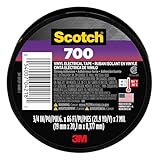
Look, you’ve probably stared at that roll of electrical tape sitting in your junk drawer, wondering if it’s the magic bullet for that loose bit on your hard drive enclosure. I’ve been there. Pulled out a dusty old laptop, only to find a SATA cable looking like it’s about to stage a jailbreak. My first instinct, like many, was to grab the closest thing – and yeah, that was often electrical tape. So, can I use electrical tape for HDD? Let’s cut to the chase: it’s not the ideal fix, but sometimes, in a pinch, it might not completely destroy your data. But don’t expect miracles.
We’ve all been tempted to Frankenstein our tech with whatever’s at hand. This is especially true when you’re trying to revive a dying machine or secure a important connection on a budget. The real question isn’t just about whether it can work, but whether it should.
Why That Black Tape Isn’t a Hard Drive’s Best Friend
Let’s get this out of the way: the immediate answer to ‘can I use electrical tape for HDD’ is a resounding ‘not really, but maybe if you’re desperate and understand the risks.’ Electrical tape, bless its stretchy heart, is designed for one primary purpose: insulating electrical wires. It’s made of vinyl, which has decent dielectric strength – that’s just a fancy way of saying it’s pretty good at stopping electricity from jumping where it shouldn’t. That’s why electricians love it for joining wires and preventing shorts. It’s flexible, sticks pretty well to itself and other surfaces, and it’s cheap.
But here’s where the analogy breaks down when we talk about hard drives. A hard drive isn’t just a bunch of wires waiting to be insulated. It’s a delicate piece of machinery with very specific environmental and structural needs.
The outer casing of a hard drive, especially an external one, serves several purposes. It protects the delicate platters and read/write heads from dust, physical shock, and electromagnetic interference. It also provides structural integrity, making sure everything stays aligned and snug.
When a part of that casing is loose or cracked, it’s not just an aesthetic problem; it can lead to bigger issues. Dust is the enemy of spinning platters.
A loose connection can lead to intermittent data transfer, which is how corruption happens. Imagine that tape holding a crack together. Over time, it can peel, stretch, or degrade, especially with the heat generated by the drive.
That heat can make the adhesive less sticky and the vinyl itself more brittle. I once tried using electrical tape to secure a flapping corner on an old external drive. It worked for about three weeks.
Then, during a particularly hot summer day, the tape just sagged, and the corner swung open like a tiny, tragic door. Dust bunnies, my friends, became unwelcome residents. The drive started making this awful clicking sound, and I lost about 100GB of irreplaceable photos. Lesson learned the hard way.
The common advice you’ll hear is to use proper adhesives or replacement parts. And they’re right. But the reality for many of us is that we’re trying to patch things up on the fly. If you’re just using electrical tape to temporarily hold a loose piece of plastic on the outside of an enclosure, and it’s not near any vents or important seals, the risk might be manageable. However, never, ever use it inside the drive enclosure or on any actual circuit boards. That’s a fast track to a dead drive. Think of it as a band-aid for a paper cut, not for a gaping wound. It might stop the bleeding for a bit, but it’s not the cure.
When ‘good Enough’ Isn’t Really Good Enough
So, you’ve got a cracked external hard drive casing, or maybe a loose connector on the cable, and you’re eyeing that roll of electrical tape. Let’s be brutally honest: the primary reason people even consider this is cost and availability. You don’t need a special tool, you don’t need to order anything, and a roll costs pocket change.
But the ‘can I use electrical tape for HDD’ question hinges on what you’re trying to achieve and what you’re willing to risk. If you’re trying to prevent a small piece of plastic from snagging on something or to keep a cable from wobbling very slightly, it might buy you a little time. However, the problem with using electrical tape as a structural fix is its inherent limitations.
First off, the adhesive on electrical tape is designed to be sticky, but not necessarily permanent or strong enough to hold significant stress. Over time, and especially with temperature fluctuations common in electronics, the adhesive can lose its grip. Heat makes it gooey, and cold can make it brittle. This means your ‘fix’ could fail at the worst possible moment, potentially leading to a component shifting, a connection breaking, or worse, dust ingress.
I once tried to tape up a slightly warped plastic cover on an older IDE external drive. I figured it was just cosmetic. A few months later, I moved the drive, and the tape, having lost its adhesion, let the cover sag enough to partially dislodge the power connector. The drive powered down mid-transfer.
I swear I heard the platters weep. That’s a good chunk of data I had to recover using specialized services, costing me nearly $400 – more than the drive was even worth.
That $2 roll of tape ended up costing me a fortune in the long run.
Furthermore, electrical tape isn’t known for its resistance to oils, solvents, or even significant abrasion. If the tape gets grubby or is in a spot where it might rub against something, it’s going to look terrible and lose its integrity quickly. (See Also: Can I Use Electrical Tape To Connect Wires )
For a hard drive, which you might be moving around, plugging and unplugging, or just having sit on a desk, durability is key. If you’re in a situation where you absolutely must use something and electrical tape is your only option, aim for the least important, most exposed areas of the enclosure only.
Think of it as a temporary measure to prevent a minor annoyance, not a structural repair. Never, ever let it come into contact with any internal components, circuit boards, or connectors themselves. The goal is to buy you time to find a proper solution, not to create a permanent, albeit shoddy, fix.
The Ins and Outs of Tape-Based Repairs (and Why They Fail)
Let’s talk specifics about why electrical tape often falls short when it comes to hard drives. The primary issue is its material composition and intended use. Electrical tape is typically made from PVC (polyvinyl chloride) with a rubber-based adhesive. PVC is a good electrical insulator, but it’s not particularly rigid or durable in the way that a hard drive enclosure needs to be. When a drive’s casing cracks, it’s often because it has taken a knock or is made of cheap plastic that’s become brittle. Simply sticking tape over it doesn’t restore the structural integrity that was lost.
Think about it this way: if you crack a plastic water bottle, can you just slap some electrical tape on it and expect it to hold water indefinitely? Probably not. The tape might stop the immediate leak, but the underlying pressure will eventually find a way out, or the tape will lose its stickiness. Hard drives aren’t holding water, but they are sensitive to vibration, dust, and physical stress. A cracked casing can allow vibrations from the spinning platters to transfer to your desk, making the drive noisier and potentially leading to read errors over time. It can also be a direct pathway for dust and debris to enter the enclosure and, critically, the internal drive mechanism.
I recall trying to secure a loose power port on a very old, external 3.5-inch drive. The plastic around the port had cracked badly. I wrapped it generously with electrical tape, thinking I was clever.
For a few weeks, it held firm. Then, the inevitable happened.
The constant plugging and unplugging of the power cable put stress on the taped area. The tape stretched, the adhesive became gummy, and the port started wobbling again, but now it was worse because the tape was impeding a clean connection. It caused intermittent power failures, and on one occasion, the drive shut off abruptly while it was writing a large file. That’s how data corruption starts.
The common advice to use epoxy or super glue for plastic repairs? That’s a far better, albeit more permanent, solution than tape. For temporary fixes, specialized repair tapes or even strong packing tape might offer better adhesion and durability, though they still won’t restore structural integrity.
The lesson here is that while electrical tape is a fantastic insulator, it’s a poor structural adhesive for delicate electronics.
My Electrical Tape Mishap
I had an old external WD Passport, maybe 5 years ago. The plastic case had a hairline crack near the USB port. It wasn’t causing any issues, but I’m fussy.
I figured a bit of electrical tape would just keep it from spreading. So I put a neat little strip on it. About six months later, I was traveling, and the drive was in my bag. Apparently, something pressed hard against that spot.
The tape didn’t just fail; it melted slightly from the friction and the warmth of my bag, leaving a sticky, black residue all over the case. Worse, the crack underneath had clearly widened.
It looked awful, and I was paranoid about dust getting in. I ended up having to carefully clean off the sticky mess with isopropyl alcohol, which took ages. The drive itself was fine, thankfully, but the experience taught me that even minor cosmetic issues on a drive casing can become bigger problems if you’re not careful with your ‘repairs’.
Alternatives: What to Use Instead of Electrical Tape
So, if electrical tape is a dodgy choice for your HDD, what’s the proper way to go about it? When you’re dealing with a cracked casing or a loose component on an external hard drive, the best approach is always to try and find a proper solution. For minor cracks in the plastic enclosure, a strong, flexible adhesive like a cyanoacrylate (super glue) or a two-part epoxy designed for plastics can offer a much more durable bond.
You’ll want to clean the area thoroughly first, perhaps with isopropyl alcohol, to make sure good adhesion. Apply the adhesive carefully, clamp the pieces together if possible, and let it cure fully. This is a more permanent fix that restores some of the structural integrity.
If the crack is significant, or if you’re dealing with a drive where the casing is key for structural support (like some of the older, larger desktop drives), your best bet might be to find a replacement enclosure. Many external hard drives use standard SATA interfaces internally. You can often buy a new, empty external enclosure for 2.5-inch or 3.5-inch drives and transfer your existing drive into it. This is a clean, professional solution that guarantees proper fit and protection. The cost might be around $15-$30 for a basic enclosure, which is often well worth the peace of mind. Make sure you buy the correct size (2.5-inch for most laptop-style portable drives, 3.5-inch for desktop drives). (See Also: Can Electrica Tape Catch On Fire )
For loose connectors, especially the USB or power port, if they’re soldered to the internal circuit board, it can be a more complex repair requiring soldering skills. If it’s just a loose wire within the enclosure that’s not part of the main data or power lines (highly unlikely but possible in some DIY setups), a dab of hot glue might work, but again, be extremely cautious.
My personal favorite for minor cosmetic fixes on plastic casings that don’t need to hold significant stress is a high-quality, strong double-sided tape, like some automotive trim tapes. They are designed to withstand vibration and temperature changes better than standard electrical tape and provide a cleaner look. Just remember, the goal is to protect the drive, not to create a Frankenstein’s monster of mismatched tapes and glues.
If the drive is important, and you’re not confident, it’s always better to seek professional help or replace the faulty part entirely.
| Repair Method | Pros | Cons | Verdict for HDD |
|---|---|---|---|
| Electrical Tape | Cheap, flexible, readily available | Poor adhesion over time, degrades with heat/cold, poor structural integrity, can leave residue |
Avoid. Only for absolute, last-resort, temporary cosmetic fixes on the exterior of the enclosure, far from vents. High risk of failure. |
| Super Glue / Epoxy (Plastic Specific) | Strong, durable bond, restores some integrity | Permanent, can be messy if not applied carefully, requires proper surface prep |
Good. Excellent for repairing cracks in the plastic casing. Provides a solid, long-lasting fix if applied correctly. |
| Replacement Enclosure | Restores original functionality and protection, professional look | Requires purchasing a new part, slight cost involved |
Best Option. Ideal for significantly damaged casings or if you want a foolproof, like-new solution. |
| Strong Double-Sided Tape (e.g., Automotive) | Decent adhesion, flexible, relatively clean | May not be strong enough for major structural issues, can degrade over many years |
Okay for minor fixes. Suitable for reattaching small cosmetic pieces or reinforcing a slightly loose part, but not a structural repair. |
Common Mistakes and How to Avoid Them
When you’re facing a potentially failing hard drive, panic can set in, and that’s when mistakes happen. The most common blunder is treating an HDD like any other piece of electronics. You might be tempted to use standard household glues or tapes without considering the specific needs of a storage device. The question ‘can I use electrical tape for HDD’ often arises from this mindset. You see tape, you think ‘sticky fix,’ and you go for it. But remember, hard drives are precision instruments. They generate heat, they have moving parts (even SSDs generate some heat), and they are incredibly sensitive to dust and static discharge.
One of the biggest mistakes I’ve seen people make is applying tape inside the drive enclosure. This is a cardinal sin. Dust from the tape’s adhesive or fibers from the tape itself can easily get onto the platters or the read/write heads, leading to immediate failure or data corruption. Even if the tape seems to be holding a loose internal bracket, the risk of contamination is far too high.
Always keep any repairs strictly to the exterior casing, and even then, be mindful of vents. Another mistake is using tape that doesn’t have good temperature resistance. Hard drives can get warm.
If the tape becomes gummy from heat, it can sag, peel, or leave a sticky residue that’s a nightmare to clean. Standard electrical tape is notorious for this. It’s designed for ambient temperatures, not the sustained warmth of a working electronic device.
Over-tightening when trying to secure something with tape is also an issue. While tape isn’t rigid, applying too much pressure can warp thin plastic casings, potentially misaligning internal components or putting stress on circuit boards.
My friend once tried to ‘reinforce’ a cracked laptop chassis with layers of electrical tape. He ended up making it so stiff that when he tried to flex it slightly (as laptops are meant to do), a circuit board inside actually snapped. The drive was fine, but the laptop was toast.
The key is to understand the limitations of your materials and the specific vulnerabilities of the device you’re trying to fix. Always prioritize data safety and drive longevity over a quick, cheap fix.
If in doubt, unplug the drive and seek professional advice or a proper replacement part. Don’t let a $2 roll of tape cost you hundreds or thousands in data recovery.
What About Static?
People often worry about static electricity damaging hard drives. While it’s a valid concern, it’s more about how you handle components. Standard electrical tape itself isn’t a major static generator compared to things like Styrofoam or certain synthetic fabrics. The biggest risk comes from touching sensitive components like the circuit board directly with ungrounded hands. (See Also: Can I Substitute Duct Tape For Electrical Tape )
If you’re using tape on the outside of the enclosure, the static risk from the tape itself is minimal. However, always be aware of your environment. Work on a hard, non-carpeted surface if possible, and avoid touching the internal components of the drive directly.
If you must open the drive’s enclosure, touching a metal part of your computer case (that’s plugged into the wall but turned off) can help discharge any static buildup you might have.
Is Electrical Tape Ever actually Okay for Hdds?
Alright, let’s tackle the million-dollar question: can I use electrical tape for HDD in any scenario where it’s not a complete disaster waiting to happen? The honest answer is: extremely rarely, and only under very specific, limited circumstances, and with a healthy dose of caution. My personal rule of thumb, honed by years of tinkering and a few costly mistakes, is to use electrical tape on an HDD enclosure only as a last resort for purely cosmetic issues on the exterior that pose no risk of compromising the enclosure’s integrity or allowing ingress of foreign particles. Think of it as a temporary aesthetic band-aid, not a structural repair.
For example, if you have a minor scratch on the plastic casing of an external drive, or a tiny, superficial chip that’s sharp to the touch, a small, neat piece of electrical tape applied smoothly might prevent you from cutting yourself or snagging clothing. In this case, the tape isn’t holding anything together; it’s just covering a minor surface imperfection.
It should be applied neatly, with no loose edges, and away from any vents or seams. I’ve done this myself on an older drive that sat on a shelf, purely to cover up a scratch that bothered me.
It looked okay, didn’t interfere with airflow, and it stayed put because there was no stress on it. That was about two years ago, and it’s still there, looking as it did the day I applied it.
However, if there’s any sign of a crack, a loose component, a wobbly port, or anything that suggests the enclosure’s seal is broken or its structural integrity is compromised, electrical tape is a terrible idea. Even if it seems to hold for a while, the heat, vibration, and potential for adhesive breakdown mean it’s likely to fail. Consider the case of a slightly loose bay cover on a desktop external drive.
If you tape it shut, and that tape degrades, the cover could fall off, exposing the drive and potentially causing issues. A better approach, as mentioned, would be a specific plastic adhesive or even a tiny screw if the casing design allows for it. The core principle is this: electrical tape is an insulator, not a structural adhesive for precision electronics. Use it only where its insulating properties are needed (which is rarely on the outside of an HDD enclosure itself) or for minor, stress-free cosmetic touch-ups.
For anything else, bite the bullet and get the right tool for the job.
A Contradictory Thought
Now, here’s a contrarian take: If you’re talking about securing the cable to a very old, non-powered external enclosure that’s already failing and holds nothing important, and you just need to keep it from wiggling loose for a one-time data transfer, then maybe, maybe a carefully applied bit of electrical tape could work. It’s a terrible idea in the long run, but in an absolute emergency, it’s a tool. I disagree with the blanket ‘never’ because sometimes, in truly dire, one-off situations, you use what you have. But this is like using a butter knife as a screwdriver – it’s a last resort and you risk damaging both the knife and the screw.
People Also Ask:
Can I Use Electrical Tape to Fix a Cracked Hard Drive Enclosure?
You generally shouldn’t. While electrical tape can insulate, it doesn’t provide strong structural support for a cracked enclosure. The tape’s adhesive can degrade with heat, and the crack can worsen, potentially allowing dust to enter and damage the drive. It’s a temporary, risky solution at best.
Is Electrical Tape Safe for Electronics Internally?
No, it’s not safe for internal electronics. While it’s an insulator, using it inside a device risks leaving behind adhesive residue or fibers that can cause shorts or attract dust to sensitive components. Stick to external, non-important areas for any emergency use.
What Is the Best Way to Repair a Hard Drive Enclosure?
The best methods involve using appropriate plastic adhesives like super glue or epoxy for cracks, or purchasing a replacement enclosure. These methods provide better durability and protection for your hard drive.
Can I Use Regular Tape on a Hard Drive?
Regular tapes like Scotch tape or packing tape are also not recommended for hard drive repairs. They lack durability, can leave sticky residue, and do not offer adequate protection. For any external repair, specialized adhesives or replacement parts are significantly better.
What Happens If Dust Gets Inside My Hard Drive?
Dust particles are microscopic but can be devastating to a hard drive’s internal components. They can get caught between the read/write heads and the platters, causing scratches, head crashes, and data corruption, often leading to drive failure.
Conclusion
So, to circle back to the core question: can I use electrical tape for HDD? The short, blunt answer is: probably not a good idea. While it’s a versatile tool for its intended electrical insulation purposes, its weaknesses in terms of adhesion, structural integrity, and heat resistance make it a poor choice for anything beyond a fleeting, purely cosmetic fix on the exterior of a drive enclosure. My own experiences, and the experiences of countless others, point to it being a temporary patch that often leads to bigger problems down the line.
If you’re in a bind and need to temporarily secure a loose piece of plastic on the outside of your external drive’s casing, and it’s not near any vents, you might get away with it for a short while. But understand the risks: heat can make it gooey, cold can make it brittle, and its adhesive will eventually fail. It’s a gamble, and often, the stakes are your precious data.
My best advice? Resist the urge to reach for that roll of electrical tape. Invest a few dollars in proper plastic repair epoxy or, even better, consider a replacement enclosure if your drive’s housing is compromised. Your hard drive, and more importantly, your data, will thank you for it in the long run. Don’t let a cheap fix become an expensive disaster.