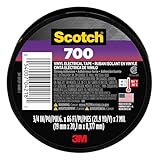
I remember staring at that frayed coolant sensor connector on my old Civic. Oil was seeping into it, the wires looked like they’d been gnawed by a rat, and the check engine light was glowing brighter than a Christmas tree. My first thought, born out of desperation and a limited budget, was, “Can I electric tape my coolant sensor connector?” It seemed like a quick fix, right? Just wrap it up, keep the crud out, and hope for the best. Man, was I wrong. That little roll of black tape cost me way more in the long run than I ever anticipated.
The allure of a quick, cheap repair is strong, especially when you’re staring down the barrel of a mechanic’s bill. But some parts of your car are just not meant for DIY band-aids, and this is definitely one of them. Let’s talk about why.
Why That Electrical Tape Is Screaming Trouble
Look, I get it. When you see wires looking like they survived a fight with a badger, your brain immediately goes to the nearest roll of electrical tape. It’s sticky, it’s insulating, it’s… well, it’s tape.
But here’s the brutally honest truth: electrical tape is about as useful on a coolant sensor connector as a screen door on a submarine. The primary enemy of these connectors isn’t just physical damage; it’s moisture, oil, and heat, all working together to corrode the pins and mess with the signal. Electrical tape might keep the big chunks of dirt out for a while, but it’s practically useless against the fine mist of oil or coolant that can find its way in there, and it certainly doesn’t do squat for the heat cycles the engine bay endures.
I once tried to ‘fix’ a similar situation on a friend’s Jeep. The connector was looking rough, so we slapped on some tape, thinking we’d bought ourselves time. Two weeks later, the Jeep was back in the shop with a worse problem. Turns out, the tape had trapped moisture and heat, accelerating the corrosion and actually making the pins brittle. We ended up needing a whole new harness section, which was way more expensive than just replacing the connector would have been initially. It’s a classic case of saving a buck to spend five.
The problem is, these sensors are important. They’re feeding information to your car’s brain about how the engine is running, and if that information is garbled or missing, the ECU (engine control unit) goes into panic mode. This can lead to rough idling, poor fuel economy, and, yes, that dreaded check engine light that makes you sweat every time you pass an emissions test. So, when you’re asking yourself, ‘Can I electric tape my coolant sensor connector?’, the real question should be, ‘What’s the right way to fix this so it doesn’t bite me later?’ And the answer is almost never electrical tape.
The common advice you’ll find online often skips over the real-world durability issues. People will say ‘seal it up,’ but they rarely specify how. They’re not thinking about the long-term battle against engine bay contaminants. The best approach involves understanding what’s actually failing and addressing that, not just covering it up. It requires a bit more effort, sure, but it saves you from future headaches and potentially more costly repairs down the line. Think of it as an investment in reliability, not just a quick patch.
What’s Actually Going on with That Connector?
So, if electrical tape isn’t the answer, what is? First, you need to understand why the connector is failing. Most often, it’s due to one or a combination of these culprits: oil intrusion, coolant leaks, physical stress, or simple age-related degradation of the plastic and wires. Coolant temp sensors, for example, are right in the path of coolant flow, and if there’s a leak, it’s going to find its way into the electrical connector. Similarly, oil leaks from valve covers or other engine components can drip right onto the wiring harness and seep into the connector housing.
Once these fluids get in there, they start their nasty work. They break down the insulation on the wires, making them prone to shorting. They corrode the metal pins inside the connector, which increases resistance and disrupts the electrical signal. This is why you’ll see symptoms like intermittent sensor readings, which are the hardest to diagnose and the most frustrating to deal with. The car’s computer is getting a signal one minute and a weak or no signal the next. It’s like trying to have a conversation with someone who keeps cutting you off or mumbling.
Physical stress is another big one. Engine components vibrate, wires can get snagged during other maintenance, and sometimes, just pulling on the connector too hard can break internal pins or strain the wires leading into it. Over time, the plastic itself can become brittle from constant heat cycles and exposure to chemicals, making it more likely to crack or crumble when you try to disconnect it.
The common advice often focuses on just cleaning the pins, which is a good first step, but it doesn’t address the root cause of contamination or potential future damage. You need to identify the source of the oil or coolant leak, fix that, and then deal with the connector. For many, this is where the DIY spirit hits a wall. It’s easier to just spray some contact cleaner and hope for the best. But the reality is, a contaminated and corroded connector will continue to cause problems until it’s properly repaired or replaced. This is where I really learned the difference between a temporary fix and a proper repair. (See Also: Can I Use Electrical Tape To Connect Wires )
I had a situation on an old VW where the oil pressure sensor connector was slowly getting saturated with oil. The check engine light would come on, then go off. I kept cleaning it, but it was a losing battle. Eventually, the sensor started giving false readings, the engine would randomly cut out at idle, and it took me weeks to nail down. The fix? Replacing the connector housing and a few inches of the wiring harness. Cost me about $50 in parts and a few hours of my time, a fraction of what a mechanic would have charged for diagnosis and repair.
The Grim Reality of Connector Failures
Let’s get down to brass tacks: what happens when a coolant sensor connector fails completely, and you haven’t addressed it? Well, the most obvious is the check engine light. But that’s just the beginning. For a coolant temperature sensor, a faulty signal can throw off your engine’s air-fuel mixture. Your car’s computer relies on that temperature reading to know how much fuel to inject and when to cycle the cooling fans. If it thinks the engine is always cold, it’ll dump too much fuel, leading to poor gas mileage and a sluggish engine. If it thinks it’s always hot, it might not run the fans, leading to overheating. Neither of those is good.
Then there’s the issue of drivability. Cars these days are so reliant on precise sensor data that even minor fluctuations can cause rough idling, hesitation during acceleration, or even stalling. I’ve been stranded more times than I care to admit because a seemingly minor electrical issue, like a corroded connector, sent the car’s computer into a tailspin. It’s infuriating because the car often runs fine for a while, then decides to throw a fit for no apparent reason. You can be driving down the highway, and suddenly the engine just… dies. All because a tiny electrical connection decided to give up the ghost.
Beyond the immediate drivability issues, there’s the long-term damage. An engine running too rich (too much fuel) can wash oil off the cylinder walls, increasing wear. An engine that overheats can cause serious internal damage, like warped cylinder heads or blown head gaskets. These are repairs that can cost thousands of dollars. So, when you’re debating whether to use electrical tape, remember the potential cascading effect of a single failed sensor connection. It’s not just about the sensor itself; it’s about the health of your entire engine.
Many people think that if the check engine light isn’t on, they’re good to go. That’s a dangerous assumption. Intermittent problems are often the worst because they’re hard to catch. You might have a connector that’s only failing when the engine is at a specific temperature or vibration level. This is where a good OBD-II scanner becomes your best friend, allowing you to monitor sensor data in real-time and catch those flaky readings before they cause major issues. Don’t wait for a breakdown; be proactive.
Here’s a little table I put together based on my own experiences and the headaches I’ve seen others go through:
| Repair Attempt | Potential Outcome | My Verdict |
|---|---|---|
| Electrical Tape | Temporary (maybe) sealing, accelerated corrosion, trapped heat/moisture, eventual failure | Terrible. A ticking time bomb. |
| Contact Cleaner & Dielectric Grease | Cleans contacts, provides some sealing against moisture, may fix minor issues | Okay for minor cleanup. Doesn’t fix physical damage or major contamination. |
| Replace Connector Housing | Proper seal, new pins, addresses root cause of contamination | Excellent. The right way to do it. |
| Replace Wiring Harness Section | Complete renewal, guarantees no hidden damage | Best, but overkill for most. For severely damaged wiring. |
The Right Way: Repair or Replace
So, we’ve established that electrical tape is a one-way ticket to future problems. What’s the proper procedure when you’re dealing with a damaged coolant sensor connector? It boils down to two main options: repair or replace. And no, ‘repair’ doesn’t involve duct tape or chewing gum.
First, you need to properly diagnose the issue. If the check engine light is on, grab an OBD-II scanner and check for codes. Look up the specific code related to your coolant sensor. Then, visually inspect the sensor and its connector. Is there oil or coolant present? Are the wires frayed or broken? Is the plastic housing cracked or brittle?
If the contamination is minor and the pins are just a little dirty, you can sometimes get away with a thorough cleaning. Disconnect the battery first – always! Then, use a good quality electrical contact cleaner to flush out any debris. You can gently use a small pick or a wire brush (very carefully!) to clean the actual pins. Once it’s dry, apply a bit of dielectric grease. This grease is non-conductive and helps seal out moisture and prevent corrosion on the pins. It’s a good preventative measure even on new connectors.
However, if you see significant oil or coolant saturation, or if the pins are visibly corroded or bent, cleaning is often not enough. You’ll likely need to replace the connector housing itself. Many auto parts stores sell universal or vehicle-specific replacement connector kits. These kits usually come with a new plastic housing, new pins, and sometimes even a few inches of pre-crimped wire. The process involves carefully removing the old pins from the harness, crimping the new pins onto your existing wires (or new wire if needed), and then plugging them into the new connector housing. It’s a bit fiddly, but it’s very doable with the right tools, like a good crimper and a pin-removal tool. (See Also: Can Electrica Tape Catch On Fire )
A common mistake people make here is not using the proper crimping technique. A loose crimp is just as bad as corrosion. You want a nice, tight connection that won’t pull apart. I learned this the hard way on a trailer light connector; a poor crimp led to intermittent lights and a lot of wasted time tracing what I thought was a wiring fault. For a coolant sensor connector, the stakes are even higher.
If the wires leading into the connector are also damaged – frayed, cracked insulation, or broken strands – you’ll need to repair those sections as well. This might involve splicing in new wire using heat-shrink butt connectors. The key is to make clean, insulated splices that are as solid as the original wiring. Sometimes, the damage is so extensive that replacing a whole section of the wiring harness is the only reliable solution, but for most connector issues, replacing the housing is sufficient. I’ve found that the “how to replace a car connector” videos on YouTube are incredibly helpful, showing you exactly which wires go where and how to properly crimp and seal the connections.
When to Call in the Professionals
Let’s be real, not everyone is comfortable wrestling with tiny wires and crimping tools. And that’s perfectly okay. There are times when it’s wiser to just hand the job over to someone who does this for a living. If you’ve inspected the connector and wiring and you’re unsure of the extent of the damage, or if you simply don’t have the confidence or the tools, that’s your cue to seek professional help.
Mechanics have specialized diagnostic equipment and a wealth of experience that can quickly identify the problem and implement the correct solution. They can often source OEM (Original Equipment Manufacturer) replacement parts, which are generally of higher quality and designed to fit perfectly. For important sensors like the coolant temperature sensor, using an OEM connector can make sure long-term reliability.
Also, consider the complexity of your vehicle. Modern cars have increasingly intricate electrical systems. A seemingly simple connector issue could be a symptom of a larger problem within the engine control module or the wider wiring harness. A good mechanic will be able to spot these underlying issues that a DIYer might miss. For instance, if the connector is damaged because of a short circuit elsewhere in the harness, just replacing the connector without addressing the root cause of the short will likely lead to another failure down the line.
My buddy Dave, bless his heart, is a tinkerer but not an electrician. He tried to replace a speed sensor connector on his truck, ended up shorting something out, and fried a module. The repair bill was astronomical. He learned his lesson: know your limits. For me, if it involves more than just swapping a part or doing a simple clean-and-grease, I’m usually calling my local independent shop. They charge a fair price, and I know the job will be done right the first time. It saves me the stress and the potential for making the problem worse.
When you do take it to a shop, be specific about what you’ve observed. Tell them about the symptoms, any codes you found, and what you suspect the issue might be. This can help them narrow down the diagnosis faster. A reputable shop will also be transparent about the repairs needed and the costs involved. Don’t be afraid to ask questions about why a particular repair is necessary or what alternatives exist. Understanding the process builds trust and makes sure you’re getting the best value for your money.
Lsi Keywords and Common Pitfalls
When you’re researching how to fix a connector, you’ll stumble across a lot of terms and advice, some good, some… less so. You’ll hear about things like ‘wiring harness repair kits,’ ‘sensor pigtails,’ and ‘weatherproof connectors.’ It’s easy to get overwhelmed. A ‘pigtail’ is basically a short length of wire with a connector on one end, designed to be spliced onto your existing harness when the original connector is too far gone or the wires leading to it are damaged.
One common pitfall is using generic, non-automotive-grade connectors. They might look similar, but they won’t stand up to the vibration, heat, and chemical exposure of an engine bay. Always opt for connectors specifically designed for automotive use. Brands like Delphi, Weather Pack, and Amphenol are known for quality in this area. You can often find them at specialized auto electrical supply stores or online.
Another mistake is improper wire termination. Simply twisting wires together and then wrapping them with electrical tape is a recipe for disaster. You need to use proper crimp connectors, ideally heat-shrink ones, to create a secure, watertight seal. The crimp needs to be strong enough to withstand tugging, and the heat shrink tubing seals out moisture and prevents abrasion. When you’re looking at solutions, think about what the manufacturer uses – they’re sealed for a reason. (See Also: Can I Substitute Duct Tape For Electrical Tape )
People also often forget about the importance of securing the repaired wiring. After you’ve replaced a connector, make sure the harness is re-secured to its original mounting points using zip ties or loom clips. Loose wiring can rub against other components, leading to chafing and future problems. It’s the little details that often determine the longevity of a repair. I once had a mechanic who did a fantastic job replacing a sensor but left the wiring harness dangling. It took me another hour to properly tie it up and prevent it from getting snagged on the exhaust. It’s the small things that separate a good repair from a mediocre one.
Finally, regarding the question, ‘can i electric tape my coolant sensor connector?’, the overwhelming consensus from anyone who’s been around cars for more than five minutes is a resounding ‘no.’ It’s a temporary, ineffective, and potentially damaging solution. Focus on identifying the root cause of the contamination or damage, and then implement a proper repair or replacement. It might take a little more effort and money upfront, but it will save you significant headaches and costs down the road. The knowledge that you’ve fixed it the right way is also incredibly satisfying.
What Happens If My Coolant Sensor Connector Is Bad?
A bad coolant sensor connector can cause a range of issues, including the check engine light illuminating, poor fuel economy, rough idling, hesitation during acceleration, and even the engine stalling. In severe cases, it can lead to overheating or engine damage if the sensor readings are consistently wrong and the engine management system cannot compensate properly.
Can I Just Clean a Corroded Coolant Sensor Connector?
Cleaning a corroded connector with electrical contact cleaner and applying dielectric grease can sometimes temporarily fix minor issues or act as a preventative measure. However, if the corrosion is significant, or if the pins are physically damaged or bent, cleaning alone is unlikely to provide a lasting solution. Replacement of the connector housing and pins is often necessary for a reliable repair.
How Do I Know If My Coolant Sensor Connector Is Contaminated with Oil or Coolant?
You’ll typically see visible signs of oil or coolant inside the connector housing or on the pins. The plastic might also appear discolored or degraded. If the sensor is failing intermittently or giving erratic readings, and there’s evidence of fluid intrusion, contamination is a likely cause. Always disconnect the battery before inspecting electrical components.
What Are the Best Tools for Replacing a Car Connector?
Key tools for replacing a car connector include a quality wire stripper/crimper, a set of electrical contact cleaner and dielectric grease, a pin-removal tool specific to your connector type (often included in repair kits), and potentially a heat gun for shrinking heat-shrink tubing. A multimeter can also be useful for testing continuity after the repair.
Is It Safe to Drive with a Bad Coolant Sensor?
It is generally not recommended to drive for extended periods with a known bad coolant sensor or connector. While the car might still run, the incorrect readings can lead to poor engine performance, reduced fuel efficiency, and potential long-term damage to engine components due to incorrect fuel mixtures or overheating. It’s best to address the issue as soon as possible.
Final Verdict
So, to circle back to the original question: can I electric tape my coolant sensor connector? The answer is a hard no. Think of it like trying to patch a leaky pipe with cling film; it might hold for a minute, but eventually, the pressure will win. The engine bay is a harsh environment, and a flimsy tape job won’t cut it against heat, moisture, and vibration.
Your best bet is always to repair or replace the faulty connector properly. Take the time to understand what’s causing the problem, clean thoroughly, and if necessary, replace the connector housing with a quality part. If you’re not comfortable with the process, don’t hesitate to find a trusted mechanic. Fixing it right the first time saves you headaches, money, and potentially a lot of stress down the road.
The next time you see a connector looking a bit rough, resist the urge for the quick fix. Invest a little more time and effort into a lasting solution, and your car will thank you for it. It’s about building reliability, not just a temporary patch.