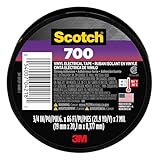
I remember staring at the spaghetti monster behind my desk, a tangled mess of wires that threatened to swallow my entire workspace whole. It was after I’d spent a ridiculous $50 on some fancy-pants cable ties that looked like they belonged in a sci-fi movie, only to have them fall apart after a month, that I really started to wonder: can I use electrical tape for cable management? It felt like such a basic, dirt-cheap solution, and frankly, I was tired of being upsold on gimmicky plastic bits.
Most people just grab whatever they have lying around when they need to wrangle some cables, and electrical tape is often right there in the toolbox. But is it actually a good idea, or am I just asking for trouble down the line? Let’s get real about this.
The Truth About Electrical Tape and Wires
So, you’re staring at that bird’s nest of cables under your desk, or maybe the power strip that looks like it’s about to spontaneously combust. You’ve probably got a roll of electrical tape somewhere.
It’s cheap, it’s sticky, and it’s designed to insulate electrical wires, so it must be okay for bundling them, right? Well, sort of. Let’s break down why people even consider electrical tape for cable management and where it actually falls short. Electrical tape is made from vinyl, which is a type of plastic.
It’s stretchy, it’s got a decent adhesive, and it’s usually pretty good at resisting moisture and mild abrasion. On the surface, these qualities seem perfect for keeping your cables neat and tidy. You can wrap it around a bundle of cords to keep them together, or use it to secure cables to a desk leg or wall.
It’s infinitely adjustable – you can just keep wrapping until it feels tight enough.
I’ve definitely used it in a pinch. My first PC build, back in the stone age of beige towers, was a chaotic affair. I ran out of actual cable ties halfway through, and my dad handed me a roll of his trusty black electrical tape.
It worked, for a while. The cables stayed together, and the whole setup didn’t look quite as terrifying. But here’s the kicker: over time, that tape starts to degrade. The adhesive gets gummy, it can leave a sticky residue on your cables (which then attracts dust like a magnet), and the tape itself can become brittle and crack, especially if it’s exposed to heat or sunlight.
I learned this the hard way when I tried to reorganize my setup a year later and ended up with black goo all over my nice, clean cables. It was a sticky, dusty mess that was frankly harder to clean than the original tangle.
People Also Ask often brings up whether electrical tape can melt. The answer is yes, it can. While it’s designed for electrical insulation, meaning it has some flame-retardant properties and can handle moderate temperatures encountered in typical home wiring, it’s not designed for sustained high heat. If you’re bundling power cables that get notoriously hot, or if the tape is directly covering a vent or is in an enclosed space with poor airflow, you risk it softening, melting, and becoming a gooey disaster. This isn’t just an aesthetic problem; melted tape can compromise the integrity of the cable’s insulation underneath, which is a genuine safety concern. So, while it might seem like a quick fix, understanding its limitations is key.
Why So Many People Get It Wrong
The biggest reason people screw this up is the sheer ubiquity of electrical tape. It’s in practically every toolbox, workshop, and junk drawer. When you need to wrangle some cables right now, and you see that familiar black roll, it’s the path of least resistance.
Nobody wants to stop their project to run to the store for specialized cable management gear. This immediate availability leads to a lot of ‘quick and dirty’ solutions that seem fine in the moment but cause problems later. The common advice you’ll hear is that electrical tape is for electrical work, not for general cable bundling. And they’re right, mostly.
But they rarely explain why beyond a vague sense of ‘it’s not what it’s for’.
The real issue isn’t just that it’s not ideal; it’s that it actively makes things worse over time for cable management purposes. The adhesive on most electrical tapes, especially older or cheaper ones, isn’t formulated for long-term bonding on plastic or rubber cable jackets. It’s designed to stick firmly enough to insulate and hold in place under electrical stress, but it’s not meant to be a permanent, non-damaging adhesive. As I learned with that sticky residue, the adhesive breaks down. (See Also: Can I Use Electrical Tape To Connect Wires )
It becomes less sticky and more… well, sticky in the bad way. It gets gooey, attracts lint and dust, and can actually make your cables feel grimy.
This residue can be a nightmare to clean off, especially from textured cable sheathing. You end up spending more time cleaning up the mess electrical tape made than you would have spent organizing it properly in the first place.
Then there’s the stretch factor. Electrical tape is stretchy, which seems like a good thing for getting a snug fit.
But this stretchiness means that over time, especially with temperature fluctuations, the tape can lose its tension. It can start to sag or even unravel. Imagine a bundle of cables that were neatly held together by tape, and then slowly, over weeks or months, the tape loosens, and the bundle starts to fray apart.
It’s not a dramatic collapse, but a slow, insidious degradation of your neat work. This is particularly true if you’ve wrapped it tightly and the cables are under any sort of stress or movement. The tape just can’t maintain that initial tightness without gradually giving way. It’s a passive failure that’s more annoying than dangerous, but annoying nonetheless.
What to Look for Instead (and Why It Matters)
Okay, so if electrical tape is a mess waiting to happen, what should you be using? The good news is that there are tons of better options, and many of them are still incredibly cheap and easy to find. The key is to look for materials and designs specifically intended for organizing cables, not for improvising.
My personal go-to, especially for permanent setups, is hook and loop fasteners, often called Velcro ties. They’re reusable, they’re gentle on cables, and you can adjust them endlessly. They don’t leave residue, they don’t get gummy, and they don’t degrade into a sticky mess. You can get a giant pack of them online for less than $20, and they’ll last you for years.
I’ve got them on everything from my home office setup to the entertainment center, and they’ve held up beautifully.
Another fantastic, and often overlooked, option is zip ties. Yeah, the simple plastic ones. While they’re not reusable without cutting them, they are ridiculously strong and cheap. You can buy a bag of 1000 for about $10. For semi-permanent bundles where you don’t anticipate changing things too often, they’re brilliant. Just make sure you trim the excess tail close to the locking mechanism so you don’t have sharp plastic bits sticking out. I’ve used zip ties to secure large bundles of AV cables behind my TV for the last five years, and they haven’t budged. They provide a really secure hold and, unlike electrical tape, they don’t degrade and get sticky.
When you’re choosing, think about the longevity and the environment. Is this a temporary fix, or a long-term solution? Will the cables be exposed to heat, sunlight, or frequent handling?
For temporary needs, maybe a few wraps of electrical tape can get you by for a day or two. But for anything more permanent, or if you care about keeping your cables clean and your setup looking professional, you need something better.
Even simple cable sleeves, which are basically fabric tubes that your cables slide into, are a massive step up from tape. They keep everything contained, they look much neater, and they protect your cables from dust and minor physical damage. The LSI keyword ‘cable management solutions’ is really the umbrella term for all these better alternatives.
Here’s a quick rundown of some common cable management tools and my take on them: (See Also: Can Electrica Tape Catch On Fire )
| Product | Pros | Cons | Verdict |
|---|---|---|---|
| Electrical Tape | Cheap, readily available, decent initial hold. | Degrades, leaves sticky residue, can crack/melt, not reusable. | Avoid for long-term use. Okay for very temporary fixes. |
| Velcro/Hook & Loop Ties | Reusable, adjustable, gentle on cables, no residue, durable. | Can be slightly more expensive upfront than zip ties, can snag on clothing if not neat. | Excellent all-around choice. Highly recommended. |
| Zip Ties | Very cheap, very strong, secure hold, simple. | Not reusable without cutting, can be sharp if not trimmed properly, can overtighten and damage cables. | Good for semi-permanent setups. Great value. |
| Cable Sleeves/Wraps | Neat appearance, protects cables, dust-resistant, good for multiple cables. | Less flexible than ties, can make individual cable access harder, might require more effort to install. | Great for aesthetics and protection. |
| Adhesive Cable Clips | Simple to install, discreet, good for routing single cables. | Adhesive can fail over time, can damage paint/surfaces when removed, not good for bundling multiple thick cables. | Useful for routing, not bundling. Test adhesive first. |
Real-World Scenarios: When Electrical Tape might Work (but Probably Shouldn’t)
Let’s be honest, we’ve all been there. You’re on a trip, and your hotel room is a disaster zone of charging cables. You’ve got your laptop charger, your phone charger, maybe a portable battery charger, and they’re all twisting around each other in your bag. You need to keep them somewhat contained so you can actually find the right one without a wrestling match. In this kind of short-term, travel-related emergency, a couple of wraps of electrical tape might seem like a lifesaver. It’ll keep the bundle together for the duration of your trip, and you can peel it off when you get home, hopefully without too much residue.
Another scenario might be a very temporary setup for a presentation or a one-off event. You need to run a few cables across a stage or a conference room floor, and you need them to stay put for a few hours. You might use electrical tape to secure them temporarily to the carpet or to other cables.
However, even in these cases, I’d still lean towards gaffer tape (which is designed to leave minimal residue on most surfaces) or actual cable covers. The risk of electrical tape leaving sticky residue on the floor, attracting dust, or becoming brittle if the environment is a bit warmer than expected is still present. It’s a gamble, and for a professional setting, it’s a gamble you probably don’t want to take.
I tried using electrical tape once to secure some garden lights to a wooden fence for a party. I figured the weather wouldn’t be that bad, and it was quick. Big mistake. The sun beat down on it all day, and by evening, the tape had softened considerably, looking like it was about to slide off.
The slight dampness from dew overnight made it even worse. The next morning, I had sagging tape and lights that had shifted.
It looked shoddy, and I ended up having to re-secure them properly with actual outdoor-rated fasteners. This experience solidified my belief that electrical tape’s limitations are serious. It’s designed for a specific purpose – insulating electrical connections where its adhesive properties are secondary and often temporary by nature, and where it’s not subjected to constant stress, heat, or outdoor elements.
Relying on it for anything beyond a very short-term, low-stakes bundling job is asking for trouble.
The Contrarian View: When could It Possibly Be Okay?
Here’s where I might ruffle some feathers. Everyone says you should never use electrical tape for cable management. And for the most part, they’re right.
But I disagree that it’s never okay. My contrarian take is this: if you understand its severe limitations and are using it for a very specific, low-risk, short-duration task, it can technically work. The key is ‘temporary’ and ‘low-stress’.
Think of it like this: if you need to hold a piece of paper to a wall for an hour to mark a spot, you could use a dab of toothpaste. It’s not ideal, it’s not permanent, and it might leave a slight mark, but it will hold the paper. Electrical tape is similar in this context.
Imagine you’re troubleshooting a network cable issue and need to temporarily bundle a few ethernet cords together to keep them out of the way while you run a diagnostic. You don’t want to spend five minutes wrestling with zip ties or Velcro for a job that will be undone in ten minutes. In that tiny window, a quick wrap of electrical tape can do the job. It’s there, it’s fast, and you’ll be pulling it off almost immediately.
Or, consider securing a very lightweight, non-important cable, like a thin USB cable that’s only going to be in one spot for a day, perhaps to prevent it from snagging while you’re moving furniture. Again, the risk is minimal, and the convenience factor is high.
The absolute most important thing is to know what you’re dealing with. If the cables are carrying significant power, if they’re in a warm environment, or if they’re going to be moved around frequently, electrical tape is a no-go. The risk of it failing, leaving residue, or even worse, compromising insulation, is too high. But for those fleeting moments where you need a quick, no-fuss way to keep a few thin, low-power cables from tangling for a few hours, and you’re prepared to deal with the potential sticky aftermath, it can serve a purpose. It’s about managing expectations and risks, not about declaring it a universally suitable tool. (See Also: Can I Substitute Duct Tape For Electrical Tape )
Practical Tips for Using (or Not Using) Electrical Tape
Since we’re talking about electrical tape, let’s cover some practical advice, both for using it sparingly and for avoiding its pitfalls. First and foremost, if you must use it for cable management, buy good quality tape. Brands like 3M Super 33+ or 3M Scotchlok Super 88 are designed for professional use and have better adhesive properties and durability than generic, off-brand tapes. They’re still not ideal for long-term cable bundling, but they will perform better and degrade less rapidly than cheap alternatives. When wrapping, don’t over-stretch the tape. Stretching it too much compromises its integrity and makes it more prone to snapping or losing tension later.
Apply it with firm, even pressure. Avoid overlapping the tape excessively, as this can create thicker, less flexible bundles. If you’re bundling multiple cables, try to keep them as flat and parallel as possible before taping. This makes for a neater, more manageable bundle. After applying, gently tug the bundle to make sure the tape is holding securely. And here’s the important part: always plan to remove it sooner rather than later. If you know you’ll be reorganizing or dismantling the setup within a few days or weeks, electrical tape might be acceptable. If it’s intended to be a permanent solution, then absolutely do not use it.
If you do end up with that dreaded sticky residue, don’t despair. A common household item that works wonders for removing sticky adhesive is isopropyl alcohol (rubbing alcohol). You can also try Goo Gone or a similar citrus-based cleaner. Apply a small amount to a cloth, rub the residue gently, and it should come right off.
For tougher spots, let the alcohol or cleaner sit for a minute before rubbing. Afterward, clean the cable with a damp cloth to remove any cleaner residue. Another tip: when you’re done with your temporary electrical tape solution, don’t just wad it up and throw it away.
If it’s still somewhat sticky, you can use it to pick up small debris like lint or pet hair from surfaces. It’s a small way to get a little more utility out of something you probably shouldn’t have used in the first place.
Faq: Electrical Tape for Cable Management
Can Electrical Tape Hold Cables Together Permanently?
No, electrical tape is not recommended for permanent cable management. Its adhesive degrades over time, it can become brittle or gummy, and it may not provide a secure hold as it loosens. For permanent solutions, invest in proper cable management products like zip ties or Velcro straps.
Will Electrical Tape Melt on My Cables?
Yes, electrical tape can melt if exposed to excessive heat. While it has some heat resistance for electrical insulation, it’s not designed for sustained high temperatures or poor ventilation. This can lead to a sticky mess and potential damage to the cable insulation.
Is It Safe to Use Electrical Tape for Cable Management?
It’s generally not considered safe for long-term use. While it might seem harmless, the degradation of the tape and adhesive can lead to loose cables, potential tripping hazards, and in extreme cases, if the tape compromises insulation, it could pose an electrical risk. For safety, use purpose-built cable management tools.
What Are the Best Alternatives to Electrical Tape for Cables?
Excellent alternatives include reusable Velcro cable ties, sturdy zip ties (for semi-permanent use), cable sleeves or wraps for a neat look, and adhesive cable clips for routing single cables. These options are designed for longevity and safety in cable organization.
Does Electrical Tape Leave Residue?
Yes, electrical tape often leaves a sticky, gummy residue when removed, especially after being exposed to heat, sunlight, or being left on for extended periods. This residue attracts dust and can be difficult to clean off cable jackets.
Conclusion
So, can I use electrical tape for cable management? My honest answer is: probably not, at least not if you want a clean, reliable, and long-lasting solution. While it might seem like a quick fix and is readily available, the drawbacks – sticky residue, degradation, and potential for melting – far outweigh the convenience for anything beyond a very temporary, low-stakes situation.
You’re better off spending a few dollars on actual cable management solutions like Velcro ties or zip ties. They’re designed for the job, they last, and they won’t turn into a gummy mess that requires a whole cleaning session to fix. Trust me, I’ve been there, and the sticky aftermath is never worth it.
My advice? Keep electrical tape for its intended purpose: insulating electrical connections. For everything else related to keeping wires tidy, reach for the gear that’s actually built for it. Your cables, your workspace, and your sanity will thank you.