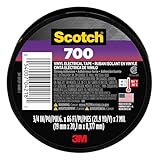
I remember staring at a mess of wires behind the old TV cabinet, a bird’s nest of connections that had started to fray. My buddy, who fancies himself an electrician because he once wired a light switch without electrocuting himself, declared, “Just slap some electrical tape on that and call it a day!” I’d heard variations of this advice a million times. But the question still gnawed at me: can I use electrical tape over copper wire in a real, lasting way, or is it just a temporary band-aid?
The honest truth is, the answer isn’t a simple yes or no. It depends on what you’re trying to achieve, how permanent the fix needs to be, and a whole bunch of other factors that most people just gloss over. Let’s cut through the noise and talk about what actually works.
When ‘good Enough’ Isn’t Actually Good Enough
Look, we’ve all been there. You’re in the middle of a project, or maybe just trying to fix something that’s gone wonky, and you need to make a quick connection or cover up a bit of exposed wire. The impulse is to grab whatever’s handy, and for a lot of us, that means electrical tape. It’s cheap, it’s readily available, and it feels like it should do the job.
But here’s the harsh reality: while electrical tape can provide some immediate insulation, it’s often a terrible long-term solution for direct contact with copper wire, especially in anything that carries significant current or is exposed to the elements. I learned this the hard way, trying to repair an outdoor Christmas light string. I wrapped the frayed connection with what I thought was good quality electrical tape. A week later, after a bit of rain, the whole section went dark.
The tape had absorbed moisture and, worse, the adhesive started to break down, leaving the copper exposed again. It was a mess, and honestly, a fire hazard waiting to happen.
The cheap fix ended up costing me more time and frustration than just buying a new string.
The primary issue is that standard vinyl electrical tape, the kind most people think of, isn’t designed for the kind of sustained protection needed when directly on a conductor carrying power. It’s primarily for bundling wires together after they’ve been properly terminated and insulated, or for providing a very temporary, low-voltage insulation cover. Think of it like putting a paper towel over a leaky pipe – it might stop the drip for a minute, but it’s not a real fix. The tape can degrade over time due to heat, UV exposure, and even just the natural aging of the adhesive and plastic.
This degradation can lead to the tape losing its adhesion, cracking, or becoming brittle, all of which compromise its insulating properties. So, while the question ‘can i use electrical tape over copper wire’ might seem straightforward, the answer is riddled with caveats.
Beyond basic vinyl tape, there are specialized tapes. High-voltage tapes, often made from rubber or silicone, are a different beast entirely. They are designed to be self-fusing, meaning they bond to themselves to create a solid, smooth insulating layer. These are what professionals use for high-stress applications. But the common, cheap stuff you find at the hardware store? It’s just not built for the job of directly insulating bare copper that’s carrying current long-term. It’s a bit like using duct tape to patch a pressurized hose – it might hold for a bit, but it’s not going to last, and when it fails, it often fails spectacularly.
What Electrical Tape Actually Does (and What It Doesn’t)
Let’s break down what we’re actually dealing with when we talk about electrical tape. Most common electrical tape is made from PVC (polyvinyl chloride) with a rubber-based adhesive. The PVC provides a degree of electrical insulation, but its primary function in many wiring applications is to serve as a protective outer jacket or a binder.
When you wrap it around a wire, it can offer a barrier against accidental contact, abrasion, and minor environmental factors. This is why it’s so ubiquitous – it’s cheap and readily available, making it the go-to for bundling cables or providing a quick, temporary cover for a slightly damaged wire insulation. I’ve used it countless times to keep a bundle of speaker wires tidy or to reinforce a spot where the plastic sheath on a low-voltage appliance cord was getting thin.
However, it’s important to understand its limitations. Standard electrical tape is generally rated for lower voltages (typically up to 600V, though this can vary) and moderate temperatures. The real problem arises when you’re dealing with bare copper wire that’s been stripped for a permanent connection, like in a splice or termination. Wrapping bare copper with standard electrical tape doesn’t create a truly sealed, solid insulation.
The adhesive can dry out, the tape can stretch and become thin in spots, and it’s not inherently waterproof. Moisture is the enemy here; it can seep in, especially at the edges, reducing the tape’s dielectric strength and potentially leading to corrosion or short circuits.
I’ve seen old electrical tape become brittle and crack in direct sunlight, rendering it useless and even creating a worse situation than before. (See Also: Can I Use Electrical Tape To Connect Wires )
The common advice to just wrap it up and keep going often stems from a misunderstanding of how electricity works and the materials involved. It’s like saying you can stop a leaky faucet with a piece of chewing gum. It might work for a bit, but it’s not a proper repair.
When it comes to live electrical connections, especially those carrying more than a trickle of power, you need materials specifically designed for the task. This means using proper wire nuts, crimp connectors, heat shrink tubing, or specialized insulating compounds. Electrical tape is best reserved for bundling existing insulated wires or for very temporary, low-stress applications where absolute electrical integrity isn’t most important.
It’s a tool in the box, for sure, but not the magic wand many people think it is when trying to answer ‘can i use electrical tape over copper wire’ as a standalone solution.
The Right Way to Insulate: When Tape Just Won’t Cut It
So, if standard electrical tape isn’t the hero for direct copper wire insulation, what is? This is where you need to look at materials and methods designed for the job. For permanent splices or terminations, the gold standard involves creating a sealed, solid barrier that can withstand the electrical and environmental stresses. The most common and reliable methods involve connectors and heat-shrink tubing.
Wire nuts, those colorful plastic caps, are designed to screw onto the ends of stripped wires, twisting them together mechanically and providing a degree of insulation. They are rated for specific wire gauges and voltage/temperature ranges, and when used correctly, they create a secure connection. I’ve always kept a variety pack of these in my toolbox; they’re cheap, effective, and widely accepted for household wiring.
Heat shrink tubing is another fantastic option. This is a plastic sleeve that you slip over the wire before making the connection. Once the connection is made (usually with a crimp connector or wire nut), you slide the heat shrink tubing over the splice and apply heat (using a heat gun, not a regular hairdryer, which isn’t hot enough). The tubing shrinks tightly around the splice, creating a durable, insulated, and often environmentally sealed connection.
It feels professional, it looks clean, and it holds up incredibly well to vibration and moisture. I used this on a project involving outdoor lighting that had some custom wiring, and the connections have been flawless for years.
It’s a bit more work than just wrapping tape, but the peace of mind is worth it. The question ‘can i use electrical tape over copper wire’ needs to be contrasted with these more solid methods.
For higher-voltage applications or situations where extreme durability is needed, there are also specialized tapes like vulcanizing tape (self-fusing silicone rubber tape). This tape, when stretched and wrapped tightly over itself, fuses into a single, solid rubber insulator. It creates a smooth, waterproof, and high-dielectric-strength barrier. It’s a more professional solution, often used by electricians for important connections. But for the average DIYer, the cost and the technique involved might be overkill. The key takeaway is that while electrical tape has its place, it’s generally not the primary method for insulating bare copper wire in any application where safety and longevity are concerns. Think of it as a helper, not the main event.
Here’s a quick comparison of common insulation methods:
| Method | Pros | Cons | Verdict |
|---|---|---|---|
| Standard Vinyl Electrical Tape | Cheap, readily available, good for bundling insulated wires, temporary low-voltage insulation. | Degrades over time, poor adhesion in heat/cold, not waterproof, not for permanent bare wire insulation, can leave sticky residue. | Temporary, low-stress binding or minor reinforcement ONLY. Not a substitute for proper insulation. |
| Wire Nuts | Affordable, easy to use for basic splices, provides mechanical and electrical connection. | Can loosen over time if not installed correctly, not ideal for very high vibration environments, specific sizes for wire gauges. | Excellent for standard household wiring splices. |
| Heat Shrink Tubing (with connectors) | Creates a very durable, sealed, professional-looking insulation. Excellent moisture resistance. | Requires heat gun, needs connector underneath for electrical connection, slightly more time-consuming. | Highly recommended for solid, long-lasting insulation. |
| Vulcanizing Tape (Self-Fusing) | Creates a smooth, waterproof, high-dielectric-strength rubber insulator. Very durable. | More expensive, requires specific stretching technique to fuse properly, can be messy if not applied correctly. | Professional-grade solution for important or high-stress applications. |
Common Mistakes and What to Watch Out For
The biggest mistake people make when it comes to electrical work, and specifically with tape, is underestimating the risks. You see a frayed wire, you wrap it with tape, and you think, “Fixed!” But you’re often just covering up a problem, not solving it.
One common pitfall is using the wrong type of tape. As I’ve mentioned, standard vinyl tape isn’t meant for direct, long-term contact with bare, energized copper.
It’s designed for bundling and secondary insulation. If you’re seeing ‘electrical tape’ and thinking it’s a catch-all solution, you’re already on the wrong path. (See Also: Can Electrica Tape Catch On Fire )
Another mistake is not using enough tape or not overlapping it correctly. If you’re trying to insulate a connection with tape (which, again, I generally advise against for permanent fixes), you need multiple layers, overlapped significantly, to create any semblance of protection. Leaving gaps or thin spots is an invitation for trouble.
I recall a friend who was convinced he could repair a power cord for a small appliance with just electrical tape. He wrapped it several times, feeling quite pleased with himself. A few weeks later, the cord started sparking.
Turns out, the heat from the appliance and the slight flexing of the cord had caused the tape to loosen and degrade. The adhesive had gooed up, and the PVC had cracked. He was lucky it didn’t start a fire. This highlights another important point: environmental factors.
Is the wire exposed to sunlight? Moisture?
Extreme temperatures? Standard electrical tape doesn’t fare well under any of these conditions for extended periods. It can become brittle, lose its stickiness, or even melt if it gets too hot.
People also sometimes confuse electrical tape with other types of tape. You wouldn’t use duct tape to insulate wires, and while it might stick, it’s not designed for the electrical properties needed. Even gaffer tape, while strong and adhesive, has its limitations.
The adhesive on electrical tape is specifically formulated to be non-conductive and to withstand some electrical stress, but its longevity and robustness are often overstated in DIY contexts. When you see advice that suggests ‘can i use electrical tape over copper wire’ as a primary fix, it’s usually coming from someone who either hasn’t encountered a failure or is thinking of very low-stakes, temporary situations.
Always err on the side of caution. If in doubt, invest a few dollars in proper connectors or heat shrink. It’s a small price to pay for safety and peace of mind.
Real-World Scenarios: Where Electrical Tape Might (rarely) Fly
Okay, let’s be real. There are indeed some niche situations where electrical tape might be an acceptable, albeit temporary, solution when dealing with copper wire. These are usually in low-voltage, low-current scenarios where the risk of shock or fire is minimal, and the goal is simply to prevent accidental contact or to hold something in place temporarily. For example, if you have a very low-voltage LED strip light that has a tiny, exposed connection point, and you need to wrap it quickly to prevent it from shorting against something else while you wait for the proper connector to arrive, a few wraps of good quality electrical tape could suffice for a day or two.
The key here is temporary and low-risk. I’ve done this myself to keep a garden stake light from shorting out on a metal fence post while waiting for a replacement wire connector to show up in the mail.
Another scenario could be bundling together multiple insulated wires that are already properly terminated and secured. Electrical tape excels at keeping these bundles neat and organized, preventing them from snagging or tangling. This is its intended purpose as a binder. It’s not insulating the wires themselves, just keeping the insulated bundle tidy. Think of organizing the cables behind your entertainment center – a few wraps of electrical tape can make a world of difference in preventing a spaghetti-like mess. I’ve also used it on the ends of guitar strings after cutting them, just to prevent the sharp end from unraveling and poking me while I’m changing them. Again, this isn’t about electrical insulation; it’s about managing a physical hazard.
But here’s the important distinction: in these cases, the copper wire is either not exposed at all, or it’s part of a very low-power system where failure of the tape wouldn’t have severe consequences. The question ‘can i use electrical tape over copper wire’ becomes less about insulation and more about physical containment or bundling. If you’re dealing with anything connected to mains power (120V or 240V in most homes), or even significant DC currents (like in car electrical systems or larger battery setups), you absolutely must use proper connectors, heat shrink, or other specialized insulation. Relying on standard electrical tape in these situations is a gamble with potentially dangerous stakes. It’s a tool for organization and very light-duty, temporary protection, not a substitute for proper electrical termination and insulation.
DIY vs. Pro: When to Call the Experts
Here’s where the rubber meets the road for most of us. DIY electrical work is incredibly satisfying when done correctly. It saves money, and you learn a lot. (See Also: Can I Substitute Duct Tape For Electrical Tape )
But there’s a fine line between a simple fix and a potentially dangerous undertaking. When you’re asking ‘can i use electrical tape over copper wire,’ it often signals a point where you might be venturing into territory where professional advice is warranted. If the repair involves mains voltage (anything that plugs into your wall socket), or anything in your car’s electrical system that’s more than just a simple accessory light, it’s worth pausing.
My uncle, a retired electrician with over 40 years in the trade, always hammered this home: “Electricity doesn’t forgive mistakes.” He saw firsthand the damage caused by shoddy wiring – fires, electrocutions, and costly repairs.
One time, I was working on an old amplifier, and I needed to replace a small section of wire. I thought I could manage it, but when I got into it, I realized the original wiring was a bit more complex than I’d anticipated, with multiple grounds and signal paths. I spent a good hour just staring at it, unsure how to properly reconnect everything and insulate it. Instead of guessing, I swallowed my pride and called a local electronics repair shop.
The technician took one look, re-soldered and insulated the connections properly in about ten minutes, and charged me a very reasonable fee. That $50 saved me potentially hundreds in damage if I’d messed it up, not to mention the risk to myself. It was a lesson in knowing your limits.
For anything involving your home’s main electrical panel, permanent wiring runs, or safety systems like ground fault circuit interrupters (GFCIs), always consult or hire a qualified electrician. They have the knowledge, tools, and experience to do the job safely and to code.
Even for seemingly minor repairs, if you’re unsure about the best method, the type of connector to use, or the proper way to insulate, it’s a good idea to at least do some serious research or ask for help. Websites like the Occupational Safety and Health Administration (OSHA) provide guidelines on electrical safety, and while they’re geared towards workplaces, the principles of safe electrical practice are universal.
Don’t let the temptation of a quick tape fix lead you down a dangerous path. Sometimes, the best tool you have is the phone number of a qualified professional.
Can Electrical Tape Be Used as Permanent Insulation for Copper Wire?
No, standard vinyl electrical tape is generally not suitable for permanent insulation of bare copper wire, especially in applications involving mains voltage or significant current. It degrades over time, is not waterproof, and can lose its insulating properties, making it a temporary or bundling solution at best.
What Is the Best Alternative to Electrical Tape for Wire Insulation?
For permanent and safe insulation, consider using wire nuts for splices, crimp connectors with heat shrink tubing for a sealed and durable finish, or specialized vulcanizing tape for high-stress applications. These methods provide more solid and reliable insulation.
Is Electrical Tape Safe for Low-Voltage Applications?
In very low-voltage, low-current scenarios where the risk of shock or fire is minimal, electrical tape can be used for temporary insulation or to prevent accidental contact. However, it’s still not ideal for long-term direct contact with bare wire and should be replaced with proper connectors as soon as possible.
Can Moisture Affect Electrical Tape on Copper Wire?
Yes, moisture is a major problem for standard electrical tape. It can seep into the tape, especially at the edges, significantly reducing its dielectric strength and potentially leading to corrosion or short circuits. It also contributes to the breakdown of the adhesive and tape material over time.
What Happens If I Use Regular Tape Instead of Electrical Tape?
Using regular tape like duct tape or packing tape for electrical insulation is highly unsafe. These tapes are not designed for electrical applications; they are often conductive or have adhesives that break down quickly when exposed to electrical current or heat, posing a serious fire and shock hazard.
Verdict
So, to circle back to that initial question: can I use electrical tape over copper wire? The short, blunt answer is: probably not in the way you’re hoping for, if you want a safe and lasting fix. It’s fine for bundling cables that are already insulated, or for a very temporary, low-risk situation where failure won’t cause harm. But for anything that carries real power, or is exposed to the elements, standard electrical tape is a risky shortcut that I’ve learned to avoid.
My advice? Invest in the right tools. A few dollars spent on proper wire nuts, heat shrink tubing, or crimp connectors will save you a world of headache, and more importantly, keep you and your property safe. Don’t be the person who thinks electrical tape is a universal fix-all. It’s a tool, yes, but a very specialized one, and usually not for direct insulation of bare copper.
When in doubt, always err on the side of caution. If a repair feels sketchy or you’re not 100% confident, it’s better to stop, do more research, or call in someone who knows their stuff. Safety first, always.