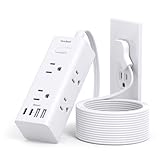
I’ve seen it happen more times than I care to admit. That panicked moment when you realize a car is about to roll right over that bright orange extension cord you laid out for the leaf blower. Or maybe you’re the one driving, and you’re not sure if that coiled-up snake on the driveway is a hazard or just… there. The question that pops into your head is simple: can an extension cord be run over? I’ve spent enough time wrestling with power tools and extension cords to know that the answer isn’t as straightforward as a simple yes or no. It depends on more than just whether the cord has a pulse.
The truth is, most people just don’t think about it until it’s too late. They grab the cheapest cord they can find, plug it in, and hope for the best. I’ve been guilty of that myself in the past, and let me tell you, it’s a recipe for disaster. You might get lucky once, maybe twice, but eventually, Murphy’s Law kicks in, and you’re left with a fried cord, a dead appliance, and a whole lot of frustration.
So, before you risk another extension cord to the crushing weight of a tire, let’s break down what actually happens, what you should be looking for, and how to avoid turning a perfectly good cord into a melted mess.
Can an Extension Cord Be Run Over? The Real Damage
Okay, let’s get this out of the way: can an extension cord be run over? Technically, yes.
A car tire has a lot of weight, and it’s going to press down on whatever is beneath it. The real question isn’t if it can be run over, but what happens when it is, and whether it’s still usable afterward. Most standard, lightweight extension cords are NOT designed for this kind of abuse. Think about those thin, often brightly colored cords you get for Christmas lights or to run a fan in the garage.
They’re made with thin plastic insulation and a few strands of copper wire inside. When a vehicle rolls over one of these, the insulation cracks, the wires get crushed and potentially severed, and the whole thing is usually toast. It’s not a matter of if, but when.
I remember one particularly frustrating Saturday morning. I was setting up for a big yard sale and had run an extension cord from the garage to power a cash register and a small radio. I was so focused on arranging the tables and pricing items that I completely forgot about the cord.
My brother, bless his heart, pulled his truck around to help unload some boxes and, without looking, drove right over the cord. I heard this awful crunching sound, and my heart sank. Sure enough, when I went to check, the cord was flattened, the insulation was split, and sparks were actually flying from the frayed ends. We lost the radio and the register was acting up.
That was an $80 lesson in paying attention.
The damage isn’t just aesthetic. Even if the cord looks okay after being run over, there can be internal damage. The copper wires inside might be bent, weakened, or even micro-fractured. The insulation could have tiny cracks that you can’t see. This compromises the cord’s integrity and makes it a fire hazard. You might not notice it immediately, but over time, heat buildup from electrical current flowing through those damaged wires can become a serious risk. So, while it might seem fine initially, running over a standard cord is a gamble you don’t want to take.
Choosing a Cord That Can Take a Hit
If you’ve got a situation where there’s even a remote chance an extension cord might get run over – think driveways, workshops, construction sites, or even just busy garages – you need a cord that’s built for it. This is where the term ‘heavy-duty’ actually means something. You’re looking for cords with thicker insulation, often made of materials like rubber or a durable PVC compound, and thicker gauge wires. The gauge refers to the diameter of the wire; a lower gauge number means a thicker wire, which can handle more amperage and is generally more solid. For something that might see vehicular traffic, I’d be looking at 12-gauge or even 10-gauge cords. (See Also: Can Extension Cords Short Out )
I learned this lesson the hard way with a power washer. I bought a decent one, but the cord that came with it was flimsy. I was using it near the driveway and, you guessed it, a car went over it. The cord was ruined.
So, I went out and bought a ‘heavy-duty’ cord. It was noticeably thicker, heavier, and had a tough, almost rubbery feel to the jacket.
It was also significantly more expensive, costing me about $75 for a 50-foot length, compared to the $30 for the first one. But that cord? It’s taken a few accidental bumps and even a slow roll-over or two from my lawnmower without so much as a scratch. It’s the kind of cord that lets you breathe easy when you’re working in a less-than-perfect environment.
When you’re shopping, don’t just grab the cheapest one. Look for cords that are explicitly rated for outdoor use, as they usually have more durable insulation. They’ll often be black or dark gray, not the bright neon colors that scream ‘throwaway’. Also, pay attention to the connectors. High-quality, molded connectors are less likely to break if they get stressed. Some even have reinforced strain reliefs where the cord enters the plug and socket, which prevents the wires from pulling out or breaking under tension or impact. It’s these small details that make a big difference in longevity.
Here’s a quick comparison of what you might find:
| Cord Type | Insulation | Wire Gauge | Durability Against Vehicles | Typical Use | My Verdict |
|---|---|---|---|---|---|
| Lightweight/Indoor | Thin PVC | 16-18 AWG | Very Poor | Christmas lights, small appliances indoors | Avoid if any chance of pressure |
| Standard Outdoor | Medium PVC | 14 AWG | Poor | Lawn mowers, power tools (occasional light use) | Not recommended for traffic |
| Heavy-Duty Outdoor | Thick Rubber/Durable PVC | 12 AWG | Good | Heavy-duty tools, generators, construction sites | Your best bet for potential run-overs |
| Extra Heavy-Duty/Welding | Very Thick Rubber | 10 AWG | Excellent | Industrial equipment, high-draw welders | Overkill for most, but bulletproof |
Seriously, that table tells the story. Spending a few extra bucks on a heavy-duty cord is way cheaper than replacing a damaged appliance or dealing with a fire. It’s just plain common sense.
Common Mistakes That Lead to Cord Disaster
The most obvious mistake, as I’ve confessed to, is simply not paying attention. You’re focused on the task at hand – whether it’s gardening, DIY, or setting up for an event – and the extension cord becomes an afterthought. It lies there, an innocent bystander, waiting for the inevitable. Another common mistake is assuming that because a cord is long, it’s automatically heavy-duty. Length has nothing to do with how thick the insulation is or how solid the wires are. A 100-foot flimsy cord is still a flimsy cord, just a longer one.
I’ve also seen people try to ‘fix’ damaged cords by taping them up. Now, I’m all for DIY fixes, but when it comes to electrical cords, especially those that might be under stress, taping is a band-aid on a bullet wound. That electrical tape is not designed to contain significant electrical current, nor is it structurally sound enough to withstand any kind of pressure. It might hold for a bit, but it’s a ticking time bomb. I once saw a ‘repaired’ cord start to smolder after a car went over it for the second time. The tape had melted, and the underlying wires were exposed. Nearly started a fire in the driveway.
Another mistake is using the wrong type of cord for the job. People often grab any old extension cord they have lying around. If you’re powering a high-draw appliance like a shop vac, a heat gun, or a large power tool, you need a cord that can handle that load. Using a lightweight cord for a heavy load generates excess heat. Then, if that cord gets run over, the already weakened insulation is even more susceptible to damage, and the risk of a fire increases exponentially. It’s like trying to run a marathon with flip-flops on – it’s not built for the task.
Finally, there’s the ‘it’s only going to be there for a minute’ mentality. You might think, ‘Oh, the car will only be here for a second, it won’t hurt.’ But in that second, a car tire can exert hundreds of pounds of pressure. If the cord is in the wrong spot, and the tire rolls over it at the wrong angle, it can cause significant damage. It’s better to be safe and reroute the cord or use a cord protector, even for a short period. That little bit of extra effort can save you a lot of headaches and potential danger. (See Also: Can Extension Cords Be Use With Electric Heaters )
Real-World Scenarios Where Cords Get Crushed
Let’s paint a picture of where this actually happens, beyond my own embarrassing moments. Driveways are the obvious culprits. Whether it’s pulling a car out of the garage, bringing in groceries, or letting the kids ride their bikes over it (yes, I’ve seen that too), driveways are high-traffic areas for vehicles. If you’re running a cord across a driveway to power something outside, like a car charger or a workshop light, you’re asking for trouble unless you have a proper cord protector or a heavy-duty cord specifically designed for that kind of pressure.
Workshops and garages are another prime location. Tools are constantly being moved in and out, vehicles are parked, and there’s just general movement of equipment. Extension cords can easily end up in the path of a forklift, a rolling tool cart, or even just someone’s foot leading to a stumble and a subsequent impact. I once worked on a project at a friend’s auto repair shop.
They had a thick, industrial-grade cord running from a power reel across the main bay floor. It was constantly being driven over by cars being moved in and out. The mechanic told me they’d been through a dozen cheaper cords before investing in one that could withstand the abuse.
It was about 10-gauge and cost them nearly $150 for a 75-foot length, but it paid for itself in saved replacements and downtime.
Construction sites are a given. These environments are chaotic. Equipment, vehicles, and materials are everywhere. Extension cords are constantly being laid out, moved, and inevitably, run over by machinery, trucks, and temporary structures. That’s why you see those bright orange, really thick cords everywhere. They’re not just for show; they’re built to survive.
Outdoor events, like parties or fairs, can also be a risk. Cords are often run across parking lots, pathways, or temporary roadways. While you might not expect heavy vehicles, the sheer volume of foot traffic and occasional service vehicles can put stress on unprotected cords. I’ve seen organizers use bright yellow cord covers or channels to protect cords running across high-traffic areas, which is a smart move. It’s not just about cars; anything with weight can damage a cord.
Even simple home use can be risky. If you’re using a cord to power lights or tools in your yard and you’re near a driveway or a path where vehicles or even heavy lawn equipment might travel, you’re in the danger zone. Think about running a cord for a leaf blower or a hedge trimmer. If you have to cross your driveway, or if a neighbor is backing out and doesn’t see it, disaster can strike. It’s about anticipating potential impacts.
Protecting Your Cords From the Inevitable
So, if you can’t always avoid the risk of a cord being run over, what can you do? The most effective solution is to use a dedicated cord protector or cable ramp. These are typically made of thick rubber or hard plastic and are designed to create a barrier between the cord and the vehicle. They come in various sizes, and some can accommodate multiple cords.
They not only protect the cord from being crushed but also prevent tripping hazards and make it easier for vehicles to cross without damaging the cable. I’ve seen these used at outdoor concerts and construction sites, and they are incredibly effective. They’re an investment, sure, but they last for years and save you from constant replacement costs and potential damage to your equipment.
If a full-blown cord protector isn’t practical for your situation, consider rerouting the cord. This sounds simple, but it’s often overlooked. Can you run the cord along the edge of the lawn instead of across the driveway? Can you route it through a garage doorway instead of across the floor? Even a few extra feet of cord can make a big difference in keeping it out of harm’s way. It might mean coiling it up and moving it temporarily if you need to drive somewhere, but that’s a small price to pay. (See Also: Are Outdoor Extension Cords 10 Or 12 Gauge )
Another option, especially for more permanent setups or areas with frequent traffic, is to bury the cord. You can use conduit to protect it and then bury it underground. This is a more involved solution, but it’s the most secure way to prevent any accidental damage from vehicles or lawnmowers. Of course, you need to make sure you’re using a cord rated for direct burial or at least protected by appropriate conduit. It’s a significant project, but for important power needs in a high-traffic area, it’s worth considering.
For those times when you just need a temporary solution and a cord protector isn’t available, try to lay the cord as flat and straight as possible. Avoid leaving loops or kinks, as these create weak points. If you absolutely must have a cord cross a traffic area and have no other options, try to use a very heavy-duty cord (10-gauge is best) and hope for the best. But I can’t stress enough that this is a last resort. The best strategy is always to prevent the impact in the first place. Think like a cautious cat navigating a busy street – always look both ways, and plan your route.
Faq About Extension Cords and Vehicles
Can I Run an Extension Cord Under a Car?
It’s generally not a good idea to run an extension cord under a car that is parked or being driven over. Even if the cord is heavy-duty, the weight and movement of the vehicle can crush the insulation, damage the wires, and create a fire hazard. It’s best to avoid this scenario entirely by rerouting the cord or using a cord protector.
What Happens If a Car Drives Over a Regular Extension Cord?
If a car drives over a regular, lightweight extension cord, the thin insulation will likely crack or be severed, and the copper wires inside will be crushed or broken. This usually renders the cord unusable and can create sparks or a fire hazard. It’s a quick way to destroy a cord and potentially damage whatever it’s powering.
Is It Safe to Use an Extension Cord That Has Been Run Over?
No, it is generally not safe to use an extension cord that has been run over by a vehicle. Even if it appears undamaged, there can be internal damage to the wires or microscopic cracks in the insulation. This can lead to overheating, short circuits, and a significantly increased risk of fire. It’s always better to err on the side of caution and replace any cord that has been subjected to such stress.
The consensus from electrical safety guidelines, like those from OSHA, is that damaged electrical cords are a serious hazard. While they don’t specifically say ‘don’t run over cords,’ their emphasis on cord integrity and avoiding damaged wiring implicitly covers this. The National Electrical Code (NEC) also provides guidelines for safe cord usage, which would certainly preclude the use of visibly damaged or compromised cords. So, while you won’t find a specific statute saying ‘thou shalt not drive over thy extension cord,’ the underlying safety principles are clear: damaged cords are a no-go.
Final Thoughts
So, to finally put it to rest: can an extension cord be run over? Yes, but whether it should be, or if it will survive the experience, is a whole different story. Most cords you pick up off the shelf at the hardware store are not built to withstand the weight of a car. They’re designed for occasional use in controlled environments. Trying to push them beyond their limits is just asking for trouble, potentially costing you money in damaged equipment or, worse, creating a fire hazard.
If you’ve got a situation where your extension cords are in the line of fire – driveways, workshops, busy yards – do yourself a favor and invest in a heavy-duty cord. Look for thicker gauge wires and solid rubber insulation. Better yet, get a proper cord protector. It’s one of those things where a little upfront cost saves you a lot of grief down the line. I learned that lesson the hard way, and I’m still kicking myself for all the cheap cords I’ve tossed over the years.
Next time you’re about to lay out that cord, take a second to think about what might happen. Is there a chance a car, a mower, or even a heavy piece of equipment might roll over it? If the answer is even a hesitant ‘maybe,’ then it’s time to either reroute, protect, or replace. Don’t let a simple extension cord turn into a costly accident.