I remember staring at that frayed wire on my old shop lamp, the insulation looking like it had gone through a cheese grater. My toolkit was… let’s say, aspirational. I had a roll of silver duct tape, a superhero in my mind for fixing anything from leaky gutters to my kid’s broken toy. So, naturally, I wondered: can I substitute duct tape for electrical tape? It seemed like a no-brainer. Both stick, right? Wrong. So, so wrong. That moment was a harsh lesson that not all tapes are created equal, especially when electricity is involved.
This isn’t about fancy marketing or what the internet ‘experts’ might tell you. This is about what actually happens when you try to use duct tape where it doesn’t belong, and why that shiny roll of electrical tape is worth its weight in gold for certain jobs.
The Slick Silver Truth: Why Duct Tape Fails Where Electrical Tape Thrives
Look, I love duct tape. It’s the Swiss Army knife of adhesives for a thousand everyday fixes. I’ve used it to temporarily patch a car radiator hose (don’t do it, by the way, unless you’re stranded in a dust storm and have no other choice), hold together a broken broom handle, and even jury-rig a makeshift splint for a dog’s leg (vet was on the way, I swear!). Its strength is legendary, its stickiness notorious. But when it comes to electrical work, especially anything involving actual current running through wires, duct tape is less a superhero and more a liability. The fundamental difference lies in what they’re designed to do, and more importantly, what they’re not designed to do.
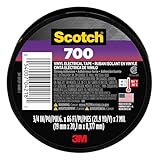
Electrical tape, or ‘elec tape’ as we old hands call it, is made from vinyl. This isn’t just any plastic; it’s specifically chosen for its insulating properties. That means it’s fantastic at preventing electrical current from jumping from one conductor to another, or escaping out into the open air where it could cause a short circuit or, worse, a nasty shock. It’s also designed to be flexible, stretching and conforming to odd shapes without cracking.
Think about wrapping it around a wire junction; it needs to lay flat, hug the curves, and create a solid, unbroken barrier. Plus, most good electrical tape is flame-retardant. This is a HUGE deal.
If a wire gets too hot, or if there’s a spark, proper electrical tape won’t readily catch fire and spread that flame. It’s designed to self-extinguish, buying you precious time.
Duct tape, on the other hand, is a composite material. You’ve got a cloth backing (that’s the fabric you can see if you look closely) and a rubber-based adhesive.
The cloth backing gives it its brute strength, great for holding things together mechanically. The adhesive is strong, yes, but it’s designed for adhesion to a wide range of surfaces, not specifically for electrical insulation. Critically, that cloth backing isn’t an insulator.
It can absorb moisture, it can degrade over time, and it can become brittle. And the adhesive? It can break down under heat, becoming gummy and potentially conductive.
I once tried to insulate a slightly dodgy connection on a garden power tool with duct tape. Within a few weeks, the heat from the motor had made the adhesive ooze out, attracting dirt and grime, and I’m pretty sure the whole thing became less insulated, not more. It looked like a sticky, silver mess. That’s when I realized this wasn’t just a poor substitute; it was actively making the problem worse.
Common Misconceptions: Why ‘it Sticks, So It Works’ Is Dangerous Thinking
The biggest misconception I hear, and the one that probably got me into trouble with my lamp, is that any tape that sticks well is good enough for electrical work. People see the strong bond of duct tape and think that’s the primary requirement. They’re forgetting the ‘electrical’ part of electrical tape. (See Also: Can I Use Electrical Tape To Connect Wires )
It’s not just about sticking power down; it’s about containing it safely. Another common thought is that if it’s a low-voltage application, like speaker wire or a Christmas light string, then duct tape is probably fine. And while the immediate risk of electrocution might be lower, you’re still compromising the integrity of the connection. Low voltage doesn’t mean no risk of shorts or overheating, especially in older or damaged wiring.
I’ve seen plenty of perfectly low-voltage setups turn into fire hazards because someone used the wrong tape.
The adhesive itself is another point of confusion. People think that because duct tape adhesive is so sticky, it must be good for sealing electrical connections. But electrical tape adhesive is formulated differently. It’s often a synthetic rubber or a blend that remains flexible and doesn’t break down as easily with temperature fluctuations or exposure to the elements, which is something duct tape adhesive can struggle with.
I’ve pulled off old electrical tape that was still pliable and stuck fast, decades later. Duct tape, in contrast, can become brittle, leave a sticky residue, or even start to peel away, especially if it’s been exposed to sunlight or heat. It’s like comparing a high-performance sealant designed for aerospace to a general-purpose glue. They both stick, but for wildly different reasons and with vastly different results under stress.
The Practical Realities: When a Temporary Fix Becomes Permanent Trouble
Let’s talk about heat. Electrical components, especially those carrying significant current, generate heat. This is a fundamental physics lesson. Proper electrical tape has a high-temperature rating. It can withstand a certain amount of thermal stress before it starts to degrade, melt, or lose its insulating properties. Duct tape? Not so much. That rubber-based adhesive can soften and flow when it gets warm, which can compromise its insulating ability and create a sticky mess. I’ve seen firsthand how duct tape, used to secure a slightly overheated wire bundle in an engine bay (a desperate measure, I admit), eventually drooped and oozed, making a horrible, sticky, hot mess that was harder to clean up than the original problem.
Then there’s the issue of moisture. While duct tape is somewhat water-resistant, it’s not designed to be a long-term vapor barrier or a reliable insulator in damp environments. The cloth backing can absorb water, and this absorbed moisture can become a pathway for electricity. Electrical tape, especially higher-quality vinyl tape, is much more resistant to moisture and is designed to create a more secure, long-lasting seal. I once had a customer who’d used duct tape to wrap some outdoor extension cord splices. The rain got to it, the tape got saturated, and the entire cord ended up shorting out, frying a perfectly good appliance. The duct tape hadn’t just failed to protect; it had actively invited the moisture in.
Flexibility and aging are also key. Electrical tape is designed to stretch and conform to irregular shapes, creating a smooth, continuous layer of insulation. As it ages, good electrical tape remains relatively flexible.
Duct tape, with its fabric backing, can become stiff and brittle over time. The adhesive can also lose its tackiness, leading to peeling edges and exposed conductors.
I’ve encountered old duct-taped repairs where the tape had cracked like an old leather shoe, leaving the wires completely vulnerable. It’s a ticking time bomb waiting to short out or cause a shock hazard. The common advice to use it as a temporary fix is okay in a pinch, but the danger lies in forgetting it’s temporary and leaving it there indefinitely.
A First-Hand Account of Duct Tape Disaster
It was about five years ago, helping a buddy move. We were disconnecting some old appliances, and one of the cord connectors on a hefty bread maker had a cracked plastic housing and a few frayed wires peeking out. (See Also: Can Electrica Tape Catch On Fire )
My friend, bless his heart, grabbed the industrial-strength silver duct tape we used for packing. “Just wrap it up tight,” he said.
I hesitated, knowing better, but he was insistent. “It’ll hold for the move,” he argued. So, I did it, wrapping it in several tight layers. It looked… secure.
For about two days. When we got to the new place and plugged it in to test it, there was a spark, a puff of smoke, and the distinct smell of burning plastic. The duct tape had heated up, the adhesive had softened, and the frayed wires had touched.
We were lucky it didn’t start a fire. The bread maker was toast, and so was my faith in duct tape as an electrical insulator.
It was a harsh, but necessary, reminder that some jobs require specialized tools, and trying to cut corners can cost you more in the long run.
The Insulating Properties: A Deep Dive Into Materials and Standards
Let’s get a bit technical, but keep it simple. Electrical tape is primarily made of polyvinyl chloride (PVC). This material is chosen for its excellent dielectric strength, meaning it’s very good at resisting the flow of electricity. It’s also inherently flexible and resistant to abrasion, chemicals, and weathering. The thickness of the tape matters too; thicker tapes generally offer better insulation. Reputable electrical tapes are manufactured to specific industry standards, such as those set by ASTM (American Society for Testing and Materials) or UL (Underwriters Laboratories). These standards make sure the tape meets minimum requirements for voltage rating, temperature range, and flame retardancy. For example, UL 510 is a common standard for electrical tapes, guaranteeing certain safety and performance characteristics.
Duct tape, by contrast, is a fabric-backed, pressure-sensitive adhesive tape. The adhesive is typically made of natural or synthetic rubber, or a blend, combined with tackifiers and plasticizers. The cloth backing, often cotton or polyester, provides tensile strength but offers virtually no electrical insulation.
In fact, if the cloth gets wet, it can become conductive. The adhesive itself, while strong, is not designed for the high-voltage stresses that electrical tape can handle. It can soften and flow under heat, and it doesn’t have the same level of dielectric strength.
There are no equivalent industry standards for duct tape concerning electrical insulation because it’s simply not intended for that purpose. Trying to find a ‘duct tape equivalent’ for electrical work is like trying to find a hammer that’s also a screwdriver – you might be able to make it work in a pinch, but it’s not the right tool for the job and can lead to problems.
Here’s a simple table comparing the two: (See Also: Can I Substitute Duct Tape For Electrical Tape )
| Feature | Electrical Tape (Vinyl) | Duct Tape | Verdict |
|---|---|---|---|
| Primary Material | PVC | Cloth backing, Rubber-based adhesive | Electrical tape is built for insulation. |
| Insulating Properties | Excellent dielectric strength | Poor; cloth backing can be conductive when wet. | Electrical tape wins, hands down. |
| Heat Resistance | High temperature rating, flame retardant | Low heat resistance; adhesive can soften and flow. | Electrical tape is safer. |
| Flexibility/Aging | Remains flexible, durable | Can become brittle, adhesive degrades. | Electrical tape lasts longer. |
| Moisture Resistance | Good to excellent | Fair; cloth can absorb water. | Electrical tape is more reliable. |
| Intended Use | Insulating electrical wires and connections | General purpose repair, sealing, bundling. | Duct tape is for general fixes, not electrical safety. |
Common Mistakes and Why You Should Care
The most common mistake people make is assuming that because a repair looks okay on the outside, it’s safe. They wrap a wire with duct tape, it looks ‘fixed,’ and they move on. What they’re not seeing is the potential for heat buildup, moisture ingress, or eventual degradation of the materials. This hidden risk is what makes it so dangerous. Another mistake is using duct tape for permanent repairs when it should only be a very temporary, get-you-home kind of fix. The real danger is in forgetting it’s temporary. I’ve seen folks leave duct tape on for years, only for it to fail spectacularly when it’s least expected.
Another pitfall is thinking that ‘thick’ duct tape is somehow better for insulation. While a thicker layer might seem like more protection, if the material itself isn’t insulating, thickness is irrelevant. In fact, a thick layer of duct tape might actually trap heat, making the problem worse. The key isn’t just the thickness, but the material’s properties. People also tend to underestimate the importance of clean surfaces. Electrical tape adheres best to clean, dry wire. Duct tape’s aggressive adhesive might stick to dirt or grease, but this compromises the bond and can create an uneven surface that stresses the insulation underneath.
The biggest mistake, however, is underestimating the power of electricity. It doesn’t care if you’re in a hurry or if you think duct tape is a good enough substitute. It’s unforgiving. A short circuit can damage equipment, start a fire, or cause serious injury. The few dollars you save on a roll of proper electrical tape are insignificant compared to the potential cost of a fire, a ruined appliance, or a trip to the emergency room. The common advice to just “use electrical tape” isn’t just corporate jargon; it’s hard-won wisdom from people who’ve seen what happens when you don’t.
People Also Ask: Getting Straight Answers
Is Duct Tape a Good Insulator?
No, duct tape is not a good electrical insulator. While it has some adhesive properties, its cloth backing and rubber-based adhesive are not designed to prevent the flow of electricity. In fact, the cloth can absorb moisture, making it conductive, and the adhesive can break down under heat, further compromising any insulating effect.
What Can I Use If I Don’t Have Electrical Tape?
If you absolutely cannot get electrical tape for a temporary fix, your options are extremely limited and risky. Some people have used high-quality vinyl electrical tape substitutes like certain types of pressure-sensitive tape designed for high-temperature or outdoor use, but these are not ideal. For actual electrical insulation, there is no true substitute for proper electrical tape. Avoid duct tape, masking tape, packing tape, or any fabric-based tape as they are unsafe for this purpose.
Can Electrical Tape Be Used on Any Wire?
Electrical tape is generally safe for use on most common wires and electrical connections, but it’s important to use the correct rating for the voltage and temperature involved. Higher-quality electrical tapes are rated for specific voltage levels (e.g., 600V) and temperatures. For very high-voltage applications, specialized tapes like vulcanizing tape or high-voltage insulating tapes might be necessary. Always check the tape’s specifications to make sure it’s appropriate for your specific wire and application.
Does Duct Tape Conduct Electricity?
Duct tape itself, especially its cloth backing, can conduct electricity, particularly when wet. The adhesive also doesn’t offer significant insulation. Therefore, it is not a safe material to use for insulating electrical wires or connections. Its primary function is mechanical adhesion and sealing, not electrical safety.
Final Verdict
So, to answer the question directly: can I substitute duct tape for electrical tape? The honest, blunt answer is no, you really shouldn’t. While duct tape is a miracle worker for countless other tasks, messing with electricity is a different ballgame entirely. It’s not just about the immediate fix; it’s about preventing future fires, preventing shocks, and making sure your equipment doesn’t decide to fry itself when you least expect it.
I’ve learned this the hard way, and I’ve seen the consequences of bad electrical work, often involving the wrong tape. That roll of proper electrical tape might seem like a small, insignificant item in your toolbox, but when it comes to electrical safety, it’s a must. It’s cheap insurance for a problem you absolutely do not want to face.
Next time you’re tempted to grab that silver roll for a wiring job, take a deep breath, find the proper electrical tape, and do it right. Your peace of mind, your home, and maybe even your fingers will thank you for it.